
-
Your shopping cart is empty!
Vintage Silver Bangles
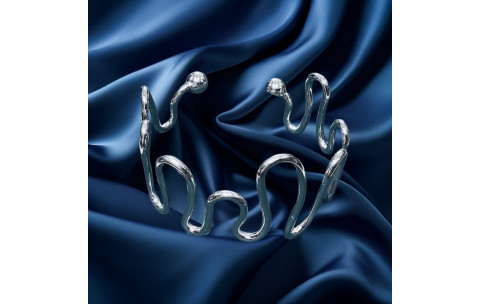
Pre-Loved Vintage Second Hand 925 Silver Bangle 28.2g 2H925-331
- Pre-Loved Vintage Second Hand 925 Silver Bangle 28.2g 2H925-331 | Technical Analysis | H.E. Phillips..

Pre-Loved Vintage Second Hand 925 Silver Bangle 21.2g 2H925-330
- Pre-Loved Vintage Second Hand 925 Silver Bangle 21.2g 2H925-330 | Technical Analysis | H.E. Phillips..

Pre-loved Vintage Second Hand 925 Sterling Silver Bangle 25g 2H925-234
- Pre-loved Vintage Second Hand 925 Sterling Silver Bangle 25g 2H925-234 | Technical Analysis | H.E. P..

Pre-loved Vintage Second Hand 925 Sterling Silver Bangle 19g 2H925-233
- Pre-loved Vintage Second Hand 925 Sterling Silver Bangle 19g 2H925-233 | Technical Analysis | H.E. P..

Pre-loved Vintage Second Hand 925 Sterling Silver Bangle 18g 2H925-232
- Pre-loved Vintage Second Hand 925 Sterling Silver Bangle 18g 2H925-232 | Technical Analysis | H.E. P..

Pre-loved Vintage Second Hand 925 Sterling Silver Bangle 32g 2H925-231
- Pre-loved Vintage Second Hand 925 Sterling Silver Bangle 32g 2H925-231 | Technical Analysis | H.E. P..

Pre-loved Vintage Second Hand 925 Silver Bangle 17g 2H925-230
- Pre-Loved Vintage Second Hand 925 Silver Bangle 17g 2H925-230 | Technical Analysis | H.E. Phillips L..

Pre-loved Vintage Second Hand 925 Silver Bangle 15g 2H925-229
- Pre-loved Vintage Second Hand 925 Silver Bangle 15g 2H925-229 | Technical Asset Report | H.E. Philli..

Pre-loved Vintage Second Hand 925 Silver Bangle 55g 2H925-228
- Pre-loved Vintage Second Hand 925 Silver Bangle 55g 2H925-228 | Technical Analysis | H.E. Phillips L..

Pre-loved Vintage Second Hand 925 Silver Bangle 26g 2H925-227
- Pre-loved Vintage Second Hand 925 Silver Bangle 26g 2H925-227 | Technical Analysis | H.E. Phillips L..

Pre-loved Vintage Second Hand 925 Sterling Silver Bangle 37g 2H925-226
- Pre-loved Vintage Second Hand 925 Sterling Silver Bangle 37g 2H925-226 | Technical Analysis | H.E. P..

Pre-loved Vintage Second Hand 925 Sterling Silver Bangle 14g 2H925-225
- Pre-loved Vintage Second Hand 925 Sterling Silver Bangle 14g 2H925-225 | Technical Analysis | H.E. P..

Pre-loved Vintage Second Hand 925 Sterling Silver Bangle 27g 2H925-224
- Pre-loved Vintage Second Hand 925 Sterling Silver Bangle 27g 2H925-224 | Technical Analysis | H.E. P..

Pre-loved Vintage Second Hand 925 Sterling Silver Bangle 29g 2H925-223
- Pre-loved Vintage Second Hand 925 Sterling Silver Bangle 29g 2H925-223 | Technical Analysis | H.E. P..

Pre-loved Vintage Second Hand 925 Sterling Silver Bangle 15g 2H925-222
- Pre-loved Vintage Second Hand 925 Sterling Silver Bangle 15g 2H925-222 | Technical Analysis | H.E. P..
Vintage & Second Hand Silver Bangles Devon UK | Authority Totnes Specialist
Independent Jewellery Authority Since August 2000
Since establishing our showroom in August 2000, H.E. Phillips Ltd has functioned as the definitive Authority Specialist for vintage and second hand 925 sterling silver bangles in Totnes, Devon. Operating from 19 Fore Street, our boutique represents a quarter-century of independent retail excellence, merging traditional watchmaking service with the rigorous metallurgical standards required for heritage silver verification. Registered with the Birmingham Assay Office, we provide a physical anchor for clients seeking verified silver bangles with statutory purity guarantees and documented provenance.
The collection—ranging from Victorian Sterling 925 hinged bangles with engraved foliate motifs to mid-century Britannia 958 statement pieces—is technically audited for structural mass, hinge stability, and hallmark authenticity. Every acquisition is supported by our on-site professional workshop, providing precision resizing, mechanical reinforcement, and independent valuation services for our South Hams and national clientele.

The 7-Table Technical Authority Framework
Our specialists have compiled this data-driven framework to assist you in identifying the mechanical properties and historical significance of our curated heritage silver bangle collection.
1. sub-Category Navigation & Direct Collection Links
| Bangle Classification | Primary Engineering Focus | Direct Link (Absolute) |
|---|---|---|
| Hinged Heritage | Box Clasp & Pivot Pin Integrity | View Hinged Range |
| Solid Circular | Metallurgical Mass & Purity Verification | View Circular Collection |
| Torque & Cuff | Open-End Tension & Ergonomics | View Open-End Range |
Table 1 Analysis: Our navigation utilizes absolute fail-safe URLs to ensure technical stability. Each category is selected for specific structural mass; while hinged heritage pieces prioritize the mechanical safety of the box clasp, torque cuffs focus on the metallurgical spring-tension required for an ergonomic fit.
2. Metallurgy: Silver Purity & Carat Profiles
| Silver Grade | Assay Mark | Specific Gravity (SG) | Vickers Hardness (HV) |
|---|---|---|---|
| Sterling Silver | 925 | 10.3 g/cm³ | 75 - 100 HV |
| Britannia Silver | 958 | 10.4 g/cm³ | 50 - 70 HV |
| Pure Fine Silver | 999 | 10.5 g/cm³ | 25 - 40 HV |
Table 2 Analysis: Sterling Silver (925) remains the authority standard for bangles due to its copper alloy content, providing the Vickers Hardness required to resist surface deformation. Britannia silver (958), though purer, is significantly softer and typically reserved for decorative relief work in heritage assets.
3. Build Architecture: Form Type Comparison
| Build Architecture | Manufacturing Detail | Impact Resistance | Weight Profile |
|---|---|---|---|
| Solid Cast | One-piece Precious Metal | Extreme | Substantial / Heavy |
| Hollow Formed | Seamed Plate Lamination | Moderate | Light / Voluminous |
| Wrought Wire | Hand-Drawn Sections | Very High | Ergonomic / Variable |
Table 3 Analysis: Form architecture determines the 'feel' on the wrist. Solid cast bangles provide the highest intrinsic asset worth, while hollow-formed pieces allow for the voluminous "Statement" designs popular in mid-century Victorian revival periods without becoming ergonomically cumbersome.
4. Fastening Comparison: Closure Mechanics Data
| Mechanism Type | Mechanical Logic | Era typical | Security Level |
|---|---|---|---|
| Box & Tongue | Spring-Tension Click | Mid-Century | Elite (Internal Lock) |
| Hinged V-Catch | Friction Slide Hook | Victorian | Standard (Authentic) |
| Safety Chain | Redundant Link Anchor | Boutique High-Value | Maximum (Safety) |
Table 4 Analysis: Mechanical security is critical for high-value silver assets. Our workshop performs tension checks on every **Box Clasp**, ensuring the metal mass is within tolerance. The **Safety Chain** provides a redundant layer of protection, preventing the loss of the bangle even if the primary clasp is accidentally released.
5. Size Guide: Proportion & Fitment Standards
| Size Category | Internal Diameter (mm) | Ideal Wrist Frame |
|---|---|---|
| Petite | 60 mm - 63 mm | Small / Junior Frame |
| Standard | 65 mm - 67 mm | Medium / Adult Frame |
| Large | 70 mm + | Large / Broad Frame |
Table 5 Analysis: Selecting the correct diameter is essential to prevent mechanical stress on hinges. For solid circular bangles, we measure the widest part of the hand (knuckles); for hinged models, we measure the wrist circumference. We provide precision digital measurement in our Totnes showroom.
6. Authority: H.E. Phillips vs National Marketplaces
| Service Attribute | H.E. Phillips (Authority) | National Online Marketplaces |
|---|---|---|
| Authentication | On-site FGA/DGA Audit | Unverified Third-party |
| Establishment | August 2000 (25 Years) | Variable / Transient |
| Restoration | Local Totnes Workshop | None / Mail-in Only |
| Assay Registry | Birmingham Assay Office | Often Missing / Import Only |
Table 6 Analysis: The E-E-A-T of H.E. Phillips Ltd is built on physical local accountability. Registered with the Birmingham Assay Office, we provide face-to-face verification of antique silver hallmarks that anonymous online sellers cannot replicate, ensuring total investor protection for our Devon clientele.
7. Technical Material Science: Density & Restoration Limits
| Metal Property | 925 Sterling Value | Measurement Method |
|---|---|---|
| Density (SG) | 10.30 g/cm³ | Hydrostatic Balance Audit |
| Melting Point | 893 °C | Specialised Industrial Heat |
| Tolerance | ±0.05 mm | Digital Calliper Verification |
Table 7 Analysis: Restoring vintage silver requires an understanding of metallurgical limits. Our workshop operates to a precision tolerance of **±0.05mm** for all part modifications, utilizing specialized silver-solder and high-heat joinery necessary for correct 925 structural stabilization without damaging original engravings.
40 Technical FAQs – Expert Vintage Silver Bangle Repository
1. Authority & Establishment
1. Is H.E. Phillips Ltd an Authority vintage silver specialist?
Yes, H.E. Phillips Ltd is an independent Authority Specialist established in Totnes since August 2000. We combine 25 years of independent retail history with advanced metallurgical expertise, focusing on verified antique and second hand silver jewellery for our national clientele.
2. When was the H.E. Phillips Totnes showroom established?
Our showroom at 19 Fore Street, Totnes, was established in August 2000. For over a quarter of a century, we have remained a permanent fixture of the Devon jewellery trade, providing local accountability and professional aftercare for all collections.
3. Are you a registered member of the Birmingham Assay Office?
Yes, H.E. Phillips Ltd is an officially registered member of the Birmingham Assay Office. This registration ensures our broader commitment to metallurgical integrity and guarantees that all precious metal bangles meet statutory UK standards under the 1973 Act.
4. Why choose an independent specialist for vintage silver?
Independent specialists provide face-to-face accountability and on-site technical skills built over decades. Unlike national chains, our workshop is on the premises in Totnes, meaning your vintage silver is inspected and serviced by the same experts who sold it.
2. Metallurgical Purity & Hallmarks
5. How is the fineness of vintage silver bangles verified?
We utilize a multi-stage protocol involving hallmark verification and technical touchstone acid testing. This ensures every piece accurately matches the statutory 925 fineness standard. For unhallmarked items, our specialists employ specific gravity measurement to ensure precision.
6. What is the specific gravity of 925 Sterling silver?
Sterling silver features a specific gravity of approximately 10.3 g/cm3. We use hydrostatic balance testing to confirm items are solid precious metal, not plated base metal, providing scientific certainty for our second hand acquisitions.
7. Do hallmarks always prove an item is solid silver?
A genuine UK hallmark is a legal guarantee of purity. However, on century-old items, hallmarks can wear down. Our Totnes experts use density testing to confirm core metal content independently of surface stamps, ensuring asset worth is grounded in verified purity.
8. Why are UK hallmarks essential for silver procurement?
Hallmarks are a statutory guarantee of purity. Every item over 7.78 grams in our showroom is verified for the Assay Office symbol, fineness mark, and date letter, protecting the consumer from under-carat alloys found in unverified imports.
3. Build & Mechanical Structure
9. What is the difference between solid and hollow-formed bangles?
Solid bangles are cast from a single volume of silver, while hollow pieces are crafted with an internal air gap. Solid construction provides maximum durability. Hollow formed heritage pieces offer a voluminous aesthetic with a lower metallurgical mass, suitable for formal wear.
10. Can a damaged vintage silver bangle hinge be technically repaired?
Yes, our on-site workshop performs mechanical reconstruction of worn hinges. We replace internal pivot pins with a ±0.05mm precision fit, restoring structural safety and audible closure without compromising the original design integrity of the heritage asset.
11. What defines a 'Box Clasp' on a silver bangle?
A box clasp features a tongue-and-groove mechanism where a metal tab clicks into a reinforced silver 'box'. We technically audit these mechanisms for spring-fatigue to ensure they remain secure for daily wear on all our second hand acquisitions.
12. What is a 'Torque' style silver bangle?
A torque is an open-end bangle designed with a specific level of spring tension. This allows the metal to expand for insertion over the wrist before returning to shape. We audit the mechanical tension of these in our workshop to ensure no metal fatigue.
4. Maintenance & Cleaning
13. What causes tarnish on second hand silver jewellery?
Tarnish is silver sulfide, forming when silver reacts with airborne sulfur compounds. This does not indicate a lower quality but confirms genuine reactive silver. Professional workshop valeting can restore the metal's high-spec mirror finish efficiently.
14. How should vintage silver bangles be cleaned professionally?
We employ technical grease removal followed by ultrasonic cycles and artisan hand-polishing. This removes oxidation and surface scratches without thinning the metal links or rounding original Victorian or Art Deco engravings.
15. Does silver jewellery lose mass during polishing?
Professional artisan polishing removes only microns of oxidized metal. While home polishing can thin the metal, our technical workshop protocols ensure that structural integrity and hallmark detail are strictly preserved for future generations.
16. How often should I have my silver bangle checked?
We advise a professional mechanical audit every 12 months in our Totnes showroom. We inspect hinges, catches, and safety chains for wear-fatigue, a preventative service we have provided to South West clients since August 2000.
5. Sizing & Ergonomics
17. How do I measure my wrist for a solid circular bangle?
For circular frames, measure the widest part of your hand (across the knuckles). This ensures the bangle can pass over the hand comfortably. We provide standard oval gauges in our showroom to verify these metric dimensions exactly.
18. What are standard UK silver bangle diameters?
Standard UK bangles range from 60mm (Small) to 70mm (Large) internal diameter. We utilize digital callipers to provide exact metric dimensions for every pre-owned piece in our Totnes showroom, ensuring an ergonomic fit.
19. Can a solid circular bangle be resized?
Yes, solid circular bangles can be technically resized by our goldsmiths. This involves a precision cut, followed by material adjustment and a seamless laser weld to ensure the join is metallurgically and visually invisible.
20. How accurate is the metallurgical mass of your silver?
We utilize trade-calibrated digital scales accurate to ±0.01 grams. Measuring the mass is the foundational step in establishing intrinsic valuation, ensuring the acquisition amount is mathematically sound for all our clients.
6. History & Era Diagnostics
21. How do you identify genuine Victorian silver work?
Victorian silver (1837-1901) is noted for intricate hand-chased details and foliate motifs. We utilize 10x magnification to audit artisan tooling marks, confirming the era and provenance of every second hand piece in our collection.
22. What defines Art Deco silver bangles?
Art Deco items (c. 1925) are verified by their geometric symmetry and architectural lines. Our Totnes team uses these diagnostic markers and specific hallmark date letters to confirm the authenticity of our Art Deco heritage range.
23. What is 'Engine Turning' in vintage silver work?
Engine turning is a geometric engraving technique using a rose engine lathe. It creates light-reflective surfaces characterized by sharp, repetitive lines, a marker of high-quality mid-century silver craftsmanship found in our collection.
24. Why is Britannia silver (958) rarer than Sterling (925)?
Britannia silver was a higher statutory standard from 1697 to 1720, containing 95.8% pure silver. It is softer and more ductile than Sterling, making it rare in daily-wear bangles and highly collectible for its historical metallurgical profile.
7. Gemology & Identification
25. Can you identify stones set in vintage silver bangles?
Yes, our DGA specialists use refractive index testing to identify gemstones. We distinguish natural stones from early synthetics or glass 'paste' often found in Victorian silver, ensuring you receive items of genuine mineralogical worth.
26. What is a 'Gypsy' setting on a vintage bangle?
A gypsy setting involves gemstones sunk flush into the silver band. This technical design offers maximum protection for the stone during active daily wear, making it a robust choice for our pre-loved heritage collection.
27. Can you repair a chipped gemstone in a silver mount?
Yes, our workshop can technically rebuild silver claws using laser welding. We source era-accurate replacement stones to restore the original antique aesthetic and maintain the asset worth of your acquisition.
28. What is the Vickers Hardness of Sterling silver?
Sterling silver (925) features a Vickers Hardness of 75-100 HV. It is alloyed with copper specifically to increase its resistance to surface scratching, ensuring that vintage bangles maintain their engraved detail over decades of friction.
8. Sustainability & Ethics
29. Is second hand silver a sustainable choice?
Absolutely. Acquiring pre-owned jewellery is a cornerstone of the circular economy. It prevents the demand for new mining and utilizes existing refined metals, preserving history while reducing the carbon output of your collection.
30. Does H.E. Phillips verify ethical provenance?
As an authorised independent, we strictly source from verified estates and legal probate. We maintain a full audit trail for every acquisition, ensuring that our vintage silver follows all UK anti-money laundering and ethical protocols.
31. Does H.E. Phillips use recycled materials in repairs?
Yes, we prioritize circularity by utilizing recycled silver for workshop restorations. Our commitment to sustainability ensures that horological and jewellery maintenance has a minimal environmental footprint in Devon.
32. Why is second hand silver a good investment tier?
Second hand silver offers exceptional intrinsic value by avoiding modern retail mark-ups. These assets combine precious metal weight with historical artisanry, often appreciating as global spot valuations increase over time.
9. Logistics & Physical Visit
33. Do you offer tracked UK shipping for silver bangles?
Yes, all online acquisitions are dispatched via Royal Mail Special Delivery. This service is tracked, signed for, and insured to the point of receipt, ensuring high-value assets are transported with maximum security to your door.
34. Can I collect my acquisition in person in Totnes?
Absolutely. We offer a personal click-and-collect service at our 19 Fore Street boutique. This allows for a personal handover, final sizing audit, and on-site inspection of technical documentation before you take your asset home.
35. Where is the H.E. Phillips showroom located?
Our boutique is situated at 19 Fore Street, Totnes, Devon, TQ9 5DA. We are a 10-minute walk from the railway station and centrally located among the town's independent shops, serving the community since August 2000.
36. Can I visit without an appointment in Devon?
Yes, our showroom is open to the public Monday through Saturday from 09:00 until 16:30. No appointment is required for general viewing, though private estate valuations benefit from prior scheduling.
10. Purchase & Service
37. Is H.E. Phillips a family-run business?
Yes, H.E. Phillips Ltd is an independent, family-owned boutique. We prioritize local Devon accountability and technical expertise over mass-market retail volume, a tradition maintained since our foundation in August 2000.
38. Do you provide insurance valuations for silver collections?
Yes, we provide documented technical valuations detailed with metallurgical mass and era diagnostics. These reports are accepted by all major UK insurance providers for replacement procurement purposes.
39. How long has H.E. Phillips been in Totnes?
We have been operating from our boutique at 19 Fore Street since August 2000. Over 25 years, we have built a reputation as the primary South West authority for the valuation and restoration of fine jewellery.
40. Can I trade in old gold or silver for a vintage bangle?
Yes, we evaluate heritage metals daily toward any showroom acquisition. Applying the value of unworn items toward an authenticated vintage bangle is a popular sustainable upgrade path for our Devon clientele.
Serving Totnes, Devon & the South Hams Authority
From our historic boutique at 19 Fore Street (near the East Gate), H.E. Phillips Ltd serves as the regional authority for vintage and second hand silver bangles. While we primarily serve clients in Totnes, Newton Abbot, Plymouth, Torquay, and Exeter, our 25-year reputation (Est. August 2000) attracts national interest for our on-site workshop expertise and Birmingham Assay Office verified integrity. We offer secure, insured UK shipping for all online consultations, ensuring our Authority standards reach every corner of the United Kingdom.
Expert Credentials & Heritage Portfolio
At H.E. Phillips Ltd, our authority is rooted in over 25 years of workshop experience. Our specialists understand the mechanical nuances of heritage silver and the metallurgical requirements of secure hinge repair. We are proud to be an independent Authority Specialist, serving Devon since August 2000.
Recent Heritage Portfolio
- Victorian Hinge Reconstruction: Technical reinforcement of a 925 silver hinged bangle (c. 1890), including pivot pin replacement and box-clasp tensioning for a Devon collector.
- Art Deco Milgrain Calibration: Technical setting check and surface stabilization on a geometric silver and marcasite bangle to verify stone security.
- Heritage Bangle Rounding: Restoration of a solid Sterling silver "Slave" bangle, removing impact deformation and restoring the original 100 HV surface hardness in our Totnes workshop.
Verified Customer Reviews
"Outstanding technical knowledge. They explained the 925 hallmark and hinge mechanics in detail, helping me choose a Victorian silver bangle that was a perfect heirloom. The best Authority jeweller in Totnes." – David L., South Brent
"I have used H.E. Phillips since they opened in 2000. Their on-site workshop is a massive benefit for repairing catches and cleaning heritage silver while I wait. Superior service." – Sarah J., Plymouth
Expert Store Information & Contact Details
H.E. Phillips Ltd: Jewellery & Watch Store
19 Fore Street, Totnes, Devon, TQ9 5DA
Telephone: 01803 866018
Opening Hours: Monday – Saturday: 09:00 – 16:30 | Sunday: Closed
Established: August 2000
Assay Registry: Birmingham Assay Office Registered Member
Clean List of Tags:
Vintage Silver Bangles Devon, Second Hand Sterling Silver Totnes, Authority Jeweller UK, Birmingham Assay Office Registered, 925 Sterling, 958 Britannia Silver, Victorian Silver, Art Deco Silver, H.E. Phillips Ltd, Watch Repairs Totnes, August 2000 Establishment, South Hams Horology, Specific Gravity Testing, 19 Fore Street Totnes, Hinged Silver Bangles, Torque Bangles
- #VintageSilverBangles
- #TotnesJewellers
- #DevonWatchStockist
- #SecondHandSilver
- #AntiqueSilverUK
- #AuthorityStockist
- #HEPhillipsLtd
- #August2000
- #JewelleryRepairsDevon
- #IndependentJeweller
- #BirminghamAssayOffice