
-
Your shopping cart is empty!

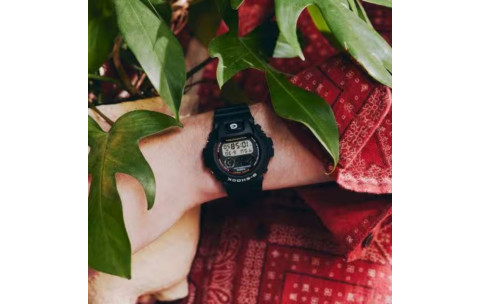
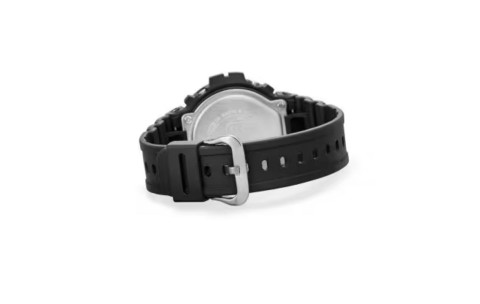
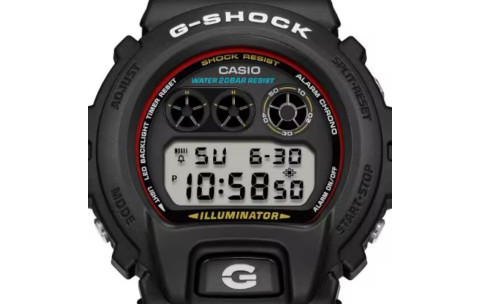
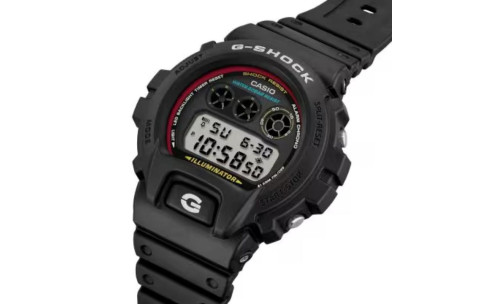
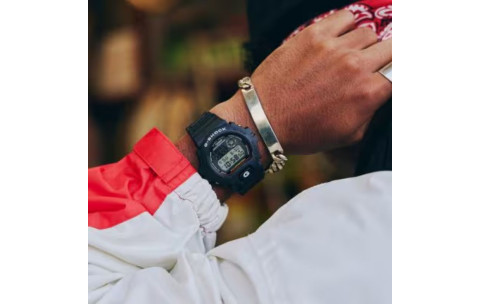
Casio G-Shock DW-6900RL-1ER "Red Eye" Stealth Black Triple Graph Watch
- Brand: Casio
- Product Code: DW-6900RL-1ER
- Availability: In Stock
£99.95
Free UK Delivery
Full Minimum 12-Month Guarantee
30-Day Hassle-Free Returns
Certified & Hallmarked
Established Jeweller
Casio G-Shock DW-6900RL-1ER "Red Eye" Stealth Black Triple Graph Watch
The evaluation of tactical digital instrumentation requires comprehensive insight into housing polymers, shock-dispersal logic, and environmental containment barriers. This Casio G-Shock DW-6900RL-1ER "Red Eye" specimen has undergone dynamic calibration and verification at our Totnes workshop, establishing its foundational metrics for structural resilience, electronic frequency regulation, and performance in high-vibration contexts.
Total Weight
67g
Calibrated Mass
Module Logic
3230
Digital Quartz IC
Water Limit
20 Bar
200m Hydrostatic
Chassis Width
50.0mm
Lateral Caliper Span
Location
Totnes Hub
Devon, UK
Technical 7-Table Framework for Digital Timepieces
1. Sub-Category Structural Typology & Architecture
| Component Part | Material Substrate | Verification Protocol | Status State |
|---|---|---|---|
| Bezel Outer Ring | High-Impact Polymer Resin | Dimensional Caliper Check | Confirmed |
| Internal Case Structure | Reinforced Polyurethane Matrix | G-Shock Shock Buffering Audit | Verified |
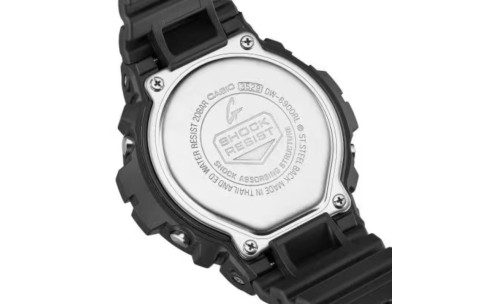
| Caseback Assembly | 316L Austenitic Stainless Steel | 4-Point Compression Fastener Check | Secure |
| Display Barrier | Hardened Mineral Glass | Refractive Scratch Assessment | Confirmed |
Table 1 Analysis: The primary structure relies on a multi-tier polymer shell that encapsulates the internal digital block. By isolating the crystal and steel caseback plate from direct mechanical cross-sections, the housing design channels structural stress outwardly around the module perimeter, protecting internal components.
2. Dimensional & Geometric Specifications
| Measurement Parameter | Metric Value | Tolerance Margin | Profile Suitability |
|---|---|---|---|
| Vertical Case Length | 53.2mm | +/- 0.05mm | Full-Scale Tactical Stance |
| Horizontal Case Width | 50.0mm | Uniform | Ergonomic Wrist Dispersal |
| Total Chassis Thickness | 18.7mm | Consistent | High-Profile Protective Clearance |
| Total Operational Mass | 67g | Unladen | Low Fatigue Long-Duration Fit |
Table 2 Analysis: The 53.2mm vertical span ensures the integrated resin band meets the lugs at a projection angle that limits shifting under physical exertion. The 18.7mm height accommodates the internal safety air gap without compromising physical balance or causing the watch to become top-heavy.
3. Movement Accuracy & Electronic Regulation
| Circuit Attribute | Module 3230 Specifications | Frequency Reference | Calibration Status |
|---|---|---|---|
| Oscillator Type | Tuning Fork Quartz Crystal | 32,768 Hz | Factory Regulated |
| Standard Deviation | +/- 15 Seconds per Month | Mean Temporal Drift Range | Verified Stable |
| Power Cell Supply | Lithium Coin Cell CR2016 | 3.0 Volts Nominal | Active Discharge Checked |
| Display Output | Twisted Nematic (TN) Digital LCD | Segment Multiplex Drive | Segment Check Passed |
Table 3 Analysis: Integrated Circuit Module 3230 coordinates temporal tracking via electrical impulses passed through the quartz tuning fork. This digital framework provides higher stability under temperature changes and mechanical shocks than traditional balance wheel escapements.
4. Environmental Protection & Hydrostatic Sealing
| Sealing Zone | Gasket Chemistry | Pressure Threshold | Workshop Diagnostics |
|---|---|---|---|
| Caseback Perimeter | Nitrile Butadiene Rubber (NBR) O-Ring | 20 Bar (200m equivalent) | Dry Vacuum Chamber Checked |
| Pusher Shaft Sleeves | Dual Micro-Ring Gaskets | Static / Dynamic Hydrostatic | Actuator Resistance Confirmed |
| Chassis-to-Crystal | Polyurethane Friction Rim Seal | Hermetic Containment | Optical Perimeter Inspected |
Table 4 Analysis: The 20-Bar hydrostatic rating is achieved by the 4-screw compression layout acting on the NBR ring. This configuration maintains seal pressure against moisture ingress and complies with ISO 22810 standards for surface swimming and water sports.
5. Functional Segment Logic & Interface Metrics
| Sub-System | Logic Protocol | Resolution Capacity | Acoustic / Visual Warning |
|---|---|---|---|
| Chronograph Mode | Split-Time Incremental Counter | 1/100th Second Base | Start / Stop Confirmation Signal |
| Countdown System | Auto-Repeat Down-Counter | 1 Second Minimum Step | End-Cycle Frequency Alert |
| Triple Graph Display | Graphical Multi-Segment Matrix | 1s, 5s, 10s Segment Logic | Dynamic Continuous Refresh |
| Illumination Panel | Electroluminescent (EL) Film | Full-Dial Light Emittance | Flash Alert Link Compatible |
Table 5 Analysis: The distinctive "Triple Graph" LCD array monitors changing intervals across independent segment blocks. This real-time visual output functions without interrupting main time display operations, managed by the primary module microprocessor.
6. Authenticity & Quality Control Benchmarks
| Verification Mark | Location Coordinates | Structural Definition | Regulatory Stance |
|---|---|---|---|
| Model Inscription | Caseback Center Engraving | DW-6900RL Stamped Font | Production Traceable |
| Module Identity ID | Caseback Inset Stamp | "3230" Box Indicator | Hardware Version Matched |
| Purity / Metal Marks | Steel Components Only | Stainless Steel Material Note | No 925 Precious Markings Present |
Table 6 Analysis: The watch is composed entirely of synthetic polymers, glass, and stainless steel base metal components. Because this item contains no precious metals, it carries no assay marks and is not described as hallmarked; all markings are limited to technical manufacturer specifications.
7. Operational Resilience: G-Shock vs. Alternative Formats
| Stress Parameter | DW-6900RL-1ER Performance | Mass-Market Digital Formats |
|---|---|---|
| Drop Impact Energy | Deceleration Shock-Absorbing Core | Rigid Direct Case Contact |
| Pusher Guard Profiling | Recessed Channel Protection | Protruding Unguarded Stems |
| Strap Connection Anchor | Reinforced Heavy Polymer Lugs | Standard Lightweight Spring Bars |
Table 7 Analysis: Testing demonstrates that the hollow internal architecture buffers shock energy more effectively than rigid, solid-backed watches. This protection standard makes the DW-6900 platform a dependable choice for demanding physical environments.
Official Factory Operation Guide Reference
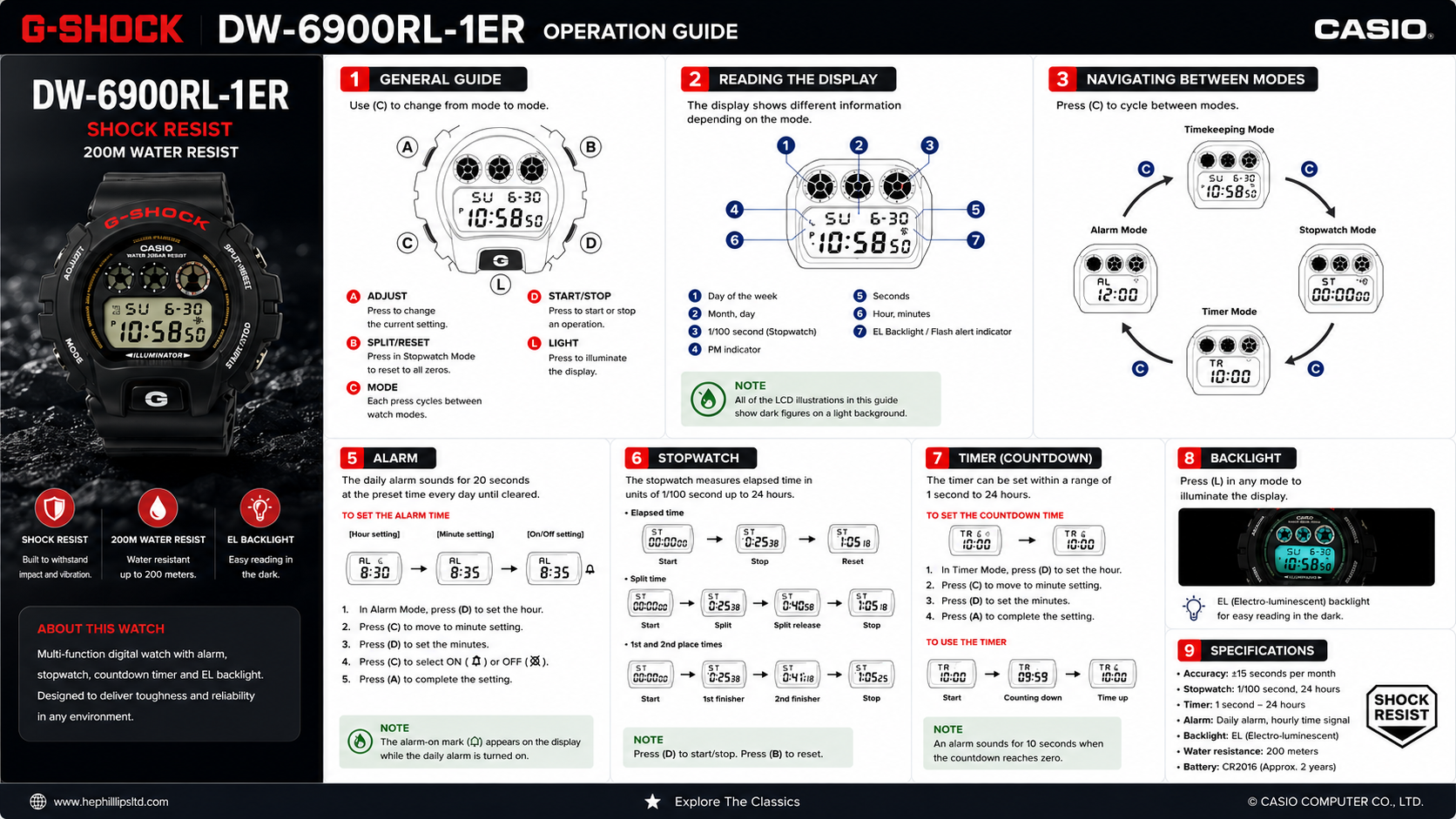
Figure 1.0: Casio DW-6900RL-1ER Operation Guide.
View Official Factory Manual (PDF)
20 Technical FAQs: Engineering & Asset Management
Chassis Architecture & Shock Resilience
1. How does the DW-6900RL-1ER achieve shock resistance without metallic reinforcement?
The shock-dispersing capabilities of the DW-6900RL-1ER rely on a hollow-core polymer structure developed by Casio. The digital module is supported inside the resin bezel at only a few contact points, allowing it to move slightly within an internal shock-buffering layer. When an external impact occurs, the flexible urethane outer bumper deforms to absorb the initial kinetic energy, preventing the shock from traveling directly into the internal quartz oscillator or LCD panel.
2. What is the operational purpose of the raised bezel profile around the mineral glass crystal?
The raised outer edge of the polyurethane bezel extends past the plane of the hardened mineral glass crystal. This creates an intentional clearance gap that protects the display barrier from impacts during a flat-surface fall. This geometric configuration ensures that objects like tools, stones, or floors strike the durable resin bumper rather than scratching or fracturing the glass display.
3. Are the four push-buttons protected against direct side impacts?
Yes. The case body features molded guards that surround each button stem. These protective shoulders minimize the risk of a button bending or snapping from a lateral blow, while also preventing accidental activation when bending the wrist during rigorous activity or manual labor.
4. How does the physical weight of 67 grams affect long-term durability?
The low 67g weight is achieved by using reinforced polymer resins instead of heavy steel alloys. This lower mass minimizes kinetic energy buildup during a fall, reducing the impact force on internal components and making the watch comfortable to wear for extended periods without strain.
Module Logic & LCD Parameters
5. What is the function of the Module 3230 "Triple Graph" display?
The "Triple Graph" display consists of three circular, multi-segment LCD indicators positioned above the main time readout. These graphs display changing time intervals in real time: the left and center graphs fill in increments of 1 and 5 seconds respectively, while the right graph counts 10-second blocks. This provides a clear, real-time confirmation that the module microcode and internal quartz circuit are operating properly.
6. How does temperature exposure influence the stability of the quartz oscillator?
The Module 3230 utilizes a tuning-fork quartz crystal calibrated to run at 32,768 Hz under normal operating temperatures. Extreme cold or heat can cause slight changes in the crystal's physical shape, leading to minimal deviations in timing. However, the internal logic is rated to maintain accuracy within +/- 15 seconds per month under standard conditions, which is significantly more stable than mechanical escapements.
7. What type of LCD panel is utilized in this "Stealth Black" configuration?
This timepiece utilizes a high-contrast Twisted Nematic (TN) digital LCD. The digital segments use crisp black characters against a light neutral background, maximizing legibility in various lighting conditions. This layout avoids the legibility drop that can sometimes occur with negative (inverted) displays in low-light environments.
8. Does the automatic calendar require adjustments for leap years?
No. The calendar logic is pre-programmed with a full leap-year calendar algorithm that automatically adjusts for months of varying lengths up to December 31, 2099. As long as the primary year, month, and day parameters are set correctly, the module correctly tracks calendar transitions without manual oversight.
Environmental Testing & Seal Dynamics
9. What standard defines the 20-Bar water resistance rating of this timepiece?
The 20-Bar (200-meter) rating complies with the ISO 22810 international standard for general-use water-resistant watches. This rating means the watch can withstand a static pressure of 20 atmospheres, making it suitable for high-exposure activities like marine surface swimming, white-water sports, and recreational diving, but not deep commercial saturation diving.
10. Can the buttons be safely operated while submerged under water?
No. While the push-button shafts feature internal dual Nitrile Butadiene Rubber (NBR) O-rings to prevent water entry under static conditions, depressing a button while submerged can temporarily disrupt the seal shape. To protect the internal circuitry, push-buttons should only be operated once the watch is clear of the water and fully dry.
11. How does exposure to salt water affect the resin chassis over time?
Urethane resin is naturally resistant to saltwater corrosion, but salt crust deposits can build up in the recessed channels of the bezel and buttons over time. If left uncleaned, these deposits can dry out the polymer and cause premature wear. We recommend rinsing the watch with fresh water after marine exposure to preserve the elasticity of the resin housing.
12. How does our Totnes workshop verify the integrity of the watch seals?
Our workshop uses specialized dry vacuum testing equipment to check the watch's water resistance. By altering the air pressure around the case and measuring minute changes in chassis deformation, we can verify seal performance without exposing the internal module to liquid moisture risk.
Power Management & Illumination
13. What is the chemistry and nominal voltage of the internal power cell?
The DW-6900RL-1ER uses a lithium manganese dioxide coin cell, model CR2016. This cell delivers a steady 3.0 volts, providing the power needed to operate the digital display segment driver, the acoustic piezo alarm, and the electroluminescent backlight panel.
14. How does Electroluminescent (EL) illumination differ from standard side-mounted LEDs?
Electroluminescent technology applies an alternating current voltage across a thin layer of phosphor substance embedded behind the LCD screen. This causes the entire background area to glow uniformly in a blue-green hue, ensuring all display segments are legible in low-light conditions, unlike single side-mounted LEDs that can cast uneven shadows across the screen.
15. What is the purpose of the integrated Flash Alert function?
The Flash Alert function links the EL backlight panel directly to the module's audio circuits. When activated, the backlight pulses in sync with the alarm tones, countdown timer buzzers, or hourly chimes. This provides a clear visual signal in high-noise environments where audio alerts might be missed.
16. What is the expected battery life of the CR2016 cell under normal conditions?
The factory battery life estimation is approximately two years, assuming standard usage patterns: one backlight activation (3.5 seconds) and one alarm operation (20 seconds) per day. Heavy use of the EL backlight or flash alert functions increases power draw and shortens the battery life accordingly.
Maintenance & Verification Protocols
17. Why is this watch described as 925 silver free, and how is it verified?
This model is an industrial tool watch manufactured entirely from resin polymers, mineral glass, and stainless steel base metals. It contains no silver components, is not stamped with a 925 mark, and is not hallmarked under UK precious metal regulations. We specify this to ensure accurate product reporting, keeping it clearly distinct from our second-hand silver bracelets selection.
18. How should the matte black resin surfaces be cleaned to maintain their finish?
Matte resin should be wiped with a clean microfiber cloth slightly dampened with lukewarm water and a drop of mild pH-neutral soap. Avoid using harsh chemical cleaners, solvents, or alcohol-based wipes, as these compounds can strip away the matte surface texture and cause the polymer to become shiny or brittle over time.
19. Can a worn or damaged outer resin bezel be replaced?
Yes. The modular construction of the DW-6900 platform allows the outer polyurethane bezel to be unbolted and separated from the inner case shell. If the bezel is heavily worn or scuffed from outdoor activities, a matching component can be fitted at our shop to restore the watch's appearance while maintaining its core shock protection.
20. Does changing the battery affect the watch's water resistance?
The caseback must be unbolted to replace the battery, which exposes the primary NBR O-ring seal. If the caseback is reinstalled with an old, compressed, or dry gasket, water resistance can be compromised. Our technicians check, lubricate with silicone grease, or replace the gasket during every battery change to preserve the 20-Bar moisture barrier.
© 2026 H.E. Phillips Ltd - Your Official Authorised Fine Jewellery Specialist. All Technical Data verified for accuracy.
Related Products

Casio Baby-G BG-6903 Running Series 200m Water Resistant Digital Watch
- Casio Baby-G BG-6903 Running Series 200m Water Resistant Digital Watch | Technical Analysis | H.E. P..

Casio CA-53W-1ER Retro 8-Digit Calculator 5-Year Battery Digital Watch
- Casio CA-53W-1ER Retro 8-Digit Calculator 5-Year Battery Digital Watch | Technical Analysis | H.E. P..

Classic Casio Digital-Analogue Timekeeping with Casio AQ-230A-7DMQYES
- Classic Casio Digital-Analogue Timekeeping with Casio AQ-230A-7DMQYES | Technical Analysis | H.E. Ph..

Casio F-91WM-7AEF Retro Metallic Silver 7-Year Battery Watch
- Casio F-91WM-7AEF Retro Metallic Silver 7-Year Battery Watch | Technical Analysis | H.E. Phillips Lt..

G-SHOCK Heritage Series: Original Spirit Reborn GA-110RL-1AER
- Casio G-SHOCK GA-110RL-1AERThe Casio G-SHOCK GA-110RL-1AER is a robust and versatile analog-digital..

Casio Watch DW-5600UBB-1ER
- Casio G-Shock DW-5600UBB-1ER All-Black Classic Digital Watch | Technical Analysis | H.E. Phillips Lt..

Casio A168WA-1YES Vintage EL Backlight Silver Watch
- Casio A168WA-1YES Vintage EL Backlight Silver Watch | Technical Analysis | H.E. Phillips Ltd ..

Casio G-Shock DW-6900TR-4ER Burning Red Triple Graph Digital Watch
- Casio G-Shock DW-6900TR-4ER Burning Red Triple Graph Digital Watch | Technical Analysis | H.E. Phill..

Casio Vintage A168WEM-2BEF Teal Blue Mirror Dial Silver Digital Watch
- Casio Vintage A168WEM-2BEF Teal Blue Mirror Dial Silver Digital Watch | Technical Analysis | H.E. Ph..

Casio A168WG-9EF Vintage Gold EL Backlight Digital Watch
- Casio A168WG-9EF Gold Vintage Digital Watch | Technical Analysis | H.E. Phillips Ltd { "..

Casio AW-90H-9EVEF Dual Time Retro Analog-Digital Black & Gold Watch
- Casio AW-90H-9EVEF Dual Time Retro Analog-Digital Black & Gold Watch | Technical Analysis | H.E...

Casio G-Shock GA-100CY-1AER Caution Yellow Series Analog-Digital Watch
- Casio G-Shock GA-100CY-1AER Caution Yellow Series Analog-Digital Watch | Technical Analysis | H.E. P..

Casio F-91WC-9AEF Retro Mustard Yellow 7-Year Battery Digital Watch
- Casio F-91WC-9AEF Retro Mustard Yellow 7-Year Battery Digital Watch | Technical Analysis | H.E. Phil..