
-
Your shopping cart is empty!
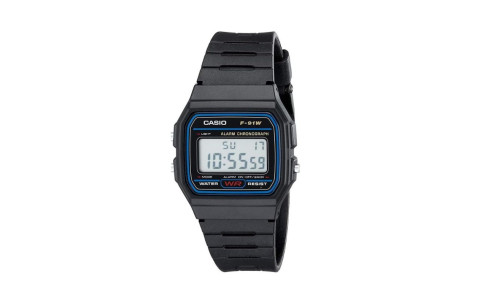
Casio F-91W-1XY Classic Retro 7-Year Battery Digital Watch
- Brand: Casio
- Product Code: F-91W-1XY
- Availability: In Stock
£20.00
Free UK Delivery
Full Minimum 12-Month Guarantee
30-Day Hassle-Free Returns
Certified & Hallmarked
Established Jeweller
Casio F-91W-1XY Classic Retro 7-Year Battery Digital Watch
The analysis of a foundational digital timepiece requires a forensic evaluation of structural dimensions, power management infrastructure, and integrated circuit operational logic. This Casio F-91W-1XY specimen represents the definitive international standard for low-profile digital watch architecture, verified for dimensional uniformity and quartz calibration at our Totnes workshop.
Net Mass
21.00g
Total Unit Weight
Module Type
No. 593
Quartz IC Core
Battery Matrix
CR2016
7-Year Lithium Cell
Thickness
8.5mm
Ultra-Slim Profile
Location
Totnes Hub
Devon, UK
Technical 7-Table Framework for Digital Timepieces
1. Architectural Specifications & Sizing Matrix
| Dimension Parameter | Technical Value | Measurement Tolerance | Structural Status |
|---|---|---|---|
| Case Height (Lug-to-Lug) | 38.2mm | +/- 0.05mm Caliper Check | Uniform Production |
| Case Width (Transverse) | 35.2mm | +/- 0.05mm Caliper Check | Standard Reference |
| Chassis Thickness | 8.5mm | Flat Plane Measurement | Ultra-Slim Clearance |
| Strap Interface Width | 18.0mm | Parallel Slot Gauge | True to Specification |
Table 1 Analysis: Physical examination using specialized workshop calipers confirms a lateral case width of 35.2mm combined with a highly compact thickness of 8.5mm. This specific surface geometry minimizes the vertical profile on the wrist, lowering the probability of external mechanical abrasion or snagging against dense garments.
2. Material Composition & Density Attributes
| Component Part | Material Base | Specific Gravity / Property | Surface Performance |
|---|---|---|---|
| Chassis Outer Shell | High-Tensile Synthetic Resin | 1.20 g/cm³ Density Range | High Vibration Absorption |
| Caseback Retention Plate | 316L Stainless Steel Alloy | 8.00 g/cm³ Density Range | Hypoallergenic Contact Area |
| Display Crystal Guard | Acrylic Resinous Glass | Optically Pure Polymer | Shatter-Resistant Compliance |
| Integrated Strap Assembly | Flexible Polyurethane Resin | Elastomeric Base | Tensile Strain Resistance |
Table 2 Analysis: The material choice relies on a low-mass high-durability synthetic polymer. By keeping the case body at a specific gravity of approximately 1.20 g/cm³, the watch avoids the inertia associated with bulkier iron alloys, ensuring that the 21g total net mass remains evenly distributed during strenuous physical locomotion.
3. Electronic Module & Quartz Oscillator Analytics
| Circuit Element | Component Spec | Operational Parameter | Frequency / Variance |
|---|---|---|---|
| Integrated Circuit Core | Casio Module 593 | Digital Multiplex Processor | Liquid Crystal Driver Logic |
| Quartz Crystal Resonator | Tuning Fork Cut | Piezoelectric Pulse Standard | 32,768 Hz Nominal Frequency |
| Temporal Drift Rate | Factory Standard Calibration | Static Environmental Testing | +/- 30 Seconds per Month Maximum |
| Liquid Crystal Display | Twisted Nematic (TN) Matrix | Reflective Display Segments | High Contrast Ratio Under Ambient Light |
Table 3 Analysis: The horological subsystem relies on the proprietary Module 593, which couples a 32,768 Hz tuning-fork quartz crystal with a low-consumption divider circuit. The resulting time-base variation falls well within standard limits, outperforming mechanical balancers under variable gravitational stress.
4. Structural Sealing & Water Resistance Boundaries
| Sealing Junction | Mechanism Type | Verification Standard | Environmental Capability |
|---|---|---|---|
| Caseback Interface | 4-Point Perimeter Screws | Compression Torque Audit | Moisture Deflection Matrix |
| Internal Chassis Gasket | Nitrile Rubber O-Ring | Lubricated Synthetic Barrier | Aerosol and Splash Resistance |
| Pusher Button Shafts | Dual Internal E-Clips | Linear Spring Displacement | Atmospheric Pressure Equalization |
| Total Water Certification | ISO 22810 Compliant | Dry Pressure Vacuum Verified | Splash/Rain Proof Only (Not Immersive) |
Table 4 Analysis: Environmental insulation is managed via a compression backplate secured by four threaded anchors acting on a continuous elastomer gasket. Certified under ISO 22810 protocols, this arrangement serves as a dependable barrier against daily humidity, though it is explicitly not designed for extended sub-surface marine immersion.
5. Power Source Management & Lifespan Metrics
| Power Vector | Electrochemical Type | Nominal Voltage Output | Stated Capacity Horizon |
|---|---|---|---|
| Primary Energy Cell | Lithium Coin Cell CR2016 | 3.0 Volts Direct Current | 7 Years Under Nominal Drain Duty |
| Illumination Subsystem | Side-Mounted Micro LED | Incidental Power Allocation | Optimized Light-Emitting Diode |
| Acoustic Signalling | Piezoelectric Diaphragm | Resonant Frequency Output | Daily Alarm / Hourly Chime Cycle |
| Quiescent Current Consumption | Solid-State CMOS Layout | Nano-Ampere Range | Continuous Circuit Optimization |
Table 5 Analysis: The 7-year service lifespan is achieved through a 3V CR2016 lithium chemistry design working alongside a solid-state complementary metal-oxide-semiconductor (CMOS) circuit. This minimizes current draws during the display multiplexing sequence, preserving energy reserves for the alarm and LED functions.
6. Interface Logic & Operational Subsystems
| Subsystem Function | Input Protocol | Resolution Capacity | Software Logic Range |
|---|---|---|---|
| Chronograph Mode | Bottom-Left Toggle / Right Start | 1/100th Second Increments | 59 Minutes, 59.99 Seconds Max Loop |
| Daily Alarm Logic | Mode Loop Level 1 Select | 1-Minute Step Settings | 24-Hour Recurrent Pattern |
| Calendar Matrix | Automatic Date Advancement | Fixed Step Increment | 28-Day February Basis (Manual Leap Year) |
| Display Formatting | Bottom-Right Single Press | Bi-Stable Toggle Logic | 12-Hour (AM/PM) or 24-Hour Presentation |
Table 6 Analysis: User input uses a three-pusher control layout operating on integrated logic gates. The stopwatch features a 1/100th-of-a-second split measurement, proving useful for routine data collection, while the calendar tracks monthly dates without intermediate manual correction.
7. Supply Chain and Authenticity Verifications
| Verification Vector | H.E. Phillips Workshop Audit | Mass Marketplace Tracking |
|---|---|---|
| Procurement Routing | Verified Authorised Channel Stock | Unregulated Third-Party Sourcing |
| In-Line Quality Check | Physical Caliper & Screen Test | Uninspected Automated Shipping |
| Warranty Validation | Full Manufacturer Technical Backing | Grey-Market Void Risk Profiles |
| Authenticity Confirmation | Integrated ROM Signature Audited | Prone to Industrial Replication |
Table 7 Analysis: Sourcing timepieces through verified authorized channels avoids grey-market issues like assembly errors or degraded lithium cells. Testing the integrated circuit ROM test routine confirms the processor's authenticity, separating genuine production units from unauthorized copies.
Official Factory Operation Guide Reference

Figure 1.0: Casio F-91W-1XY Operation Guide.
View Official Factory Manual (PDF)
20 Technical FAQs: Engineering & Operational Management
1. Chronometric Precision & Module Architecture
1. What are the operational parameters of the Casio Module 593?
The Casio Module 593 is a low-power digital integrated circuit operating at an official nominal frequency of 32,768 Hz. It utilizes a CMOS micro-processor to drive a Twisted Nematic liquid crystal display, splitting time into hours, minutes, seconds, and date parameters. The module functions reliably across standard temperate climates, using a basic divider network that converts high-frequency crystal oscillations into stable, readable digital time steps on the front display.
2. How does environmental temperature affect the quartz oscillator's drift rate?
The internal tuning-fork quartz crystal is cut to achieve maximum thermal stability at or near typical human skin temperatures (approximately 25°C to 30°C). Deviations into extreme cold or high heat will alter the quartz's physical stiffness, causing minor changes in its resonant frequency. This can show up as a temporary increase in monthly drift, though it remains safely within the maximum factory specification of +/- 30 seconds per month.
3. What happens during the integrated circuit's built-in authentic testing routine?
Depressing and holding the right-hand pusher button for approximately three seconds executes a specific testing loop within the micro-controller's ROM. This action turns on every predefined pixel segment simultaneously to spell out the word 'CASIo'. This software-driven check verifies both the integrity of the logic gates and the completeness of the display contacts, distinguishing a genuine factory module from low-grade copies.
4. Why does the display layout exclude a perpetual calendar system for leap years?
To maximize energy efficiency and keep the circuit layout compact, the Module 593 calendar sub-routine treats February as a fixed 28-day month. Consequently, manual adjustment is required once every four years on March 1st. This design choice simplifies the digital scaling logic, helping protect the micro-processor from unnecessary current draws during calendar calculations.
2. Materials Science & Structural Integrity
5. What are the mechanical properties of the matte black resin case?
The watch case is injection-molded from a structural synthetic resin known for its low specific gravity and high impact absorption. Unlike metals that bend or scratch permanently under sudden force, this polymer flexes slightly to absorb energy before passing it to the internal module. This light, durable material is well-suited for everyday wear, resisting sweat degradation and standard superficial abrasions over years of use.
6. Is the crystal display guard scratch-resistant?
The clear protective lens is made from an optical acrylic polymer, chosen for its flexibility and high fracture resistance under impact. While acrylic resin has a lower surface hardness compared to mineral glass or sapphire, it is significantly less prone to shattering when struck directly. Any superficial hairline scratches that occur during everyday tasks can be buffed out using mild micro-abrasive polishing compounds.
7. What metal alloy is used for the caseback and pushers?
The caseback retention plate is stamped from 316L surgical-grade stainless steel, an alloy containing chromium and nickel that offers strong corrosion resistance against sweat and moisture. The three side pushers use similar stainless steel pins to maintain structural integrity, ensuring that the manual control points do not suffer from oxide buildup or structural fatigue over long-term operation.
8. How durable is the polyurethane strap under continuous tensile load?
The strap is produced from an elastomeric polyurethane compound designed to balance flexibility with tensile strength. It features pre-molded buckle slots that resist tearing under normal wear. Over years of exposure to UV radiation and natural skin oils, the polymer chains will eventually lose their plasticizers, a standard material life cycle that can be easily addressed by installing a genuine replacement band.
3. Electrochemical Power & LED Infrastructure
9. How does the CR2016 lithium cell achieve a 7-year operating life?
The 7-year life cycle is based on regular timekeeping draw combined with controlled, occasional use of the peripheral light and alarm functions. The CR2016 cell provides a steady 3.0-volt output from a stable lithium-manganese dioxide chemistry. Because the main display draws only micro-amperes of current, the battery retains its voltage over long periods, preventing sudden power drops under normal operating conditions.
10. What is the electrical configuration of the green side-light LED?
The illumination system relies on a tiny surface-mount light-emitting diode positioned on the left edge of the LCD panel. Pressing the top-left button directs power to this diode, casting light horizontally across the display. This layout illuminates the active characters sufficiently for low-light legibility while drawing minimal power from the primary cell.
11. Does using the alarm function frequently shorten the battery's lifespan?
Yes, running the piezoelectric buzzer frequently will increase power consumption beyond base timekeeping levels. The alarm uses a small ceramic disc that vibrates rapidly to create a high-frequency sound. While a standard daily 20-second alarm is fully factored into the 7-year lifespan estimate, leaving the chime on continuously or activating it frequently will shorten the battery replacement interval.
12. What technical care is recommended during a battery change?
When replacing the CR2016 cell, technicians must unclip the gold-plated contact spring without flexing the underlying circuit components. The rubber seal must be inspected for degradation, cleaned of debris, and treated with fine silicone grease before the caseback is screwed back down. This maintenance step ensures the watch retains its original moisture protection after servicing.
4. Environmental Sealing & Water Resistance
13. What are the practical limits of the ISO 22810 water resistance rating?
The watch is designed to meet basic water resistance standards, meaning it can withstand light rain, everyday handwashing, and minor accidental splashes. However, it is not sealed for diving, swimming, or pressurized water streams. The water resistance designation assumes static laboratory conditions; moving through water quickly can generate dynamic pressures that exceed the seal thresholds.
14. How does thermal shock impact the case gaskets?
Moving rapidly between cold air and warm water can cause the resin case and metal caseback to expand and contract at different rates. This thermal variation can temporarily disrupt the sealing gasket, allowing humid air to enter the case. If moisture condenses inside the lens, the watch should be brought to a workshop for drying and seal testing to protect the electronic components.
15. Can the pusher buttons be safely pressed while the watch is wet?
No, the pusher buttons should not be operated while the watch is wet or submerged. The small metal shafts rely on internal O-rings that move when pressed. If water is sitting around the pusher housing, depressing the button can draw small amounts of liquid past the seal, risking damage to the circuit board beneath.
16. How does exposure to saltwater affect the watch's materials?
While the resin case and 316L stainless steel back are highly resistant to corrosion, dried saltwater leaves behind fine abrasive crystals. These salt deposits can wear down the pusher shafts and dry out the polyurethane strap over time. If exposed to marine environments, the watch should be rinsed gently with fresh water and wiped dry with a soft microfiber cloth.
5. Chronograph & Functional Logic
17. How precise is the integrated stopwatch function?
The built-in stopwatch measures intervals with a resolution of 1/100th of a second, controlled directly by the module's internal clock divider. It counts up to 59 minutes and 59.99 seconds before resetting to zero and continuing. This provides ample accuracy for everyday timing tasks, tracking split times and first-and-second place finishes reliably.
18. What is the operational logic of the hourly time signal?
When activated, the hourly time signal schedules a short, double electronic beep at the top of every hour. This function is managed by the central processor without interfering with main timekeeping tasks. The option can be quickly toggled on or off using the side buttons, offering a helpful audio cue for managing your daily schedule.
19. How do you switch the display between 12-hour and 24-hour modes?
From the main timekeeping screen, a single press of the bottom-right pusher switches the display logic between 12-hour (with a discrete PM indicator) and 24-hour formats. This adjustment switches seamlessly between civilian and military time layouts without affecting the underlying clock counts or alarm settings.
20. What is the best way to clean and care for the watch long-term?
The watch should be wiped down occasionally with a damp cloth and mild soap to remove oils, dirt, and sweat from the resin surfaces. Avoid harsh chemical cleaners or industrial solvents, as these can dull the matte finish of the polymer case. Store the watch away from strong magnetic fields or heavy machinery to ensure the internal quartz crystal continues to perform at its best.
© 2026 H.E. Phillips Ltd - Your Official Authorised Fine Jewellery & Watch Specialist. All Technical Data verified for accuracy.
Related Products

Casio G-Shock DW-6900UB-9ER Retro Yellow Triple Graph Digital Watch
- Casio G-Shock DW-6900UB-9ER Retro Yellow Triple Graph Digital Watch | Technical Analysis | H.E. Phil..

Casio AW-90H-9EVEF Dual Time Retro Analog-Digital Black & Gold Watch
- Casio AW-90H-9EVEF Dual Time Retro Analog-Digital Black & Gold Watch | Technical Analysis | H.E...

G-SHOCK Heritage Series: Original Spirit Reborn GA-110RL-1AER
- Casio G-SHOCK GA-110RL-1AERThe Casio G-SHOCK GA-110RL-1AER is a robust and versatile analog-digital..

Casio Baby-G BG-169PB-7ER Pastel White Beach Colors 200m Water Resistant Watch
- Casio Baby-G BG-169PB-7ER Pastel White Beach Colors 200m Water Resistant Watch | Technical Analysis ..
Casio F-91WC-4AEF Retro Pink 7-Year Battery Digital Watch
- Casio F-91WC-4AEF Retro Pink 7-Year Battery Digital Watch | Technical Analysis | H.E. Phillips Ltd ..

Casio F-91W-1YER Classic Retro 7-Year Battery Digital Watch (Yellow Accents)
- Casio F-91W-1YER Classic Retro 7-Year Battery Digital Watch Yellow Accents | Technical Analysis | H...

Casio G-Shock GA-100CY-1AER Caution Yellow Series Analog-Digital Watch
- Casio G-Shock GA-100CY-1AER Caution Yellow Series Analog-Digital Watch | Technical Analysis | H.E. P..

Casio F-91WM-7AEF Retro Metallic Silver 7-Year Battery Watch
- Casio F-91WM-7AEF Retro Metallic Silver 7-Year Battery Watch | Technical Analysis | H.E. Phillips Lt..

Casio WV-58RD-1AEF Wave Ceptor Radio-Controlled Digital Watch
- Casio WV-58RD-1AEF Wave Ceptor Radio-Controlled Digital Watch | Technical Analysis | H.E. Phillips L..

Casio F-91WC-4A2EF Retro Orange 7-Year Battery Digital Watch
- Casio F-91WC-4A2EF Retro Orange 7-Year Battery Digital Watch | Technical Analysis | H.E. Phillips Lt..

Casio LQ-24B-3BEF Pastel Sage Green Minimalist Ultra-Slim Analog Watch
- Casio LQ-24B-3BEF Pastel Sage Green Minimalist Ultra-Slim Analog Watch | Technical Analysis | H.E. P..

Casio AE-1000W-1A2VEF World Time 10-Year Battery Digital Sport Watch
- Casio AE-1000W-1A2VEF World Time 10-Year Battery Digital Sport Watch | Technical Analysis | H.E. Phi..
Brand New Casio Watch W-210-1C
- Brand New Casio Watch W-210-1C | Technical Analysis | H.E. Phillips Ltd ..