
-
Your shopping cart is empty!



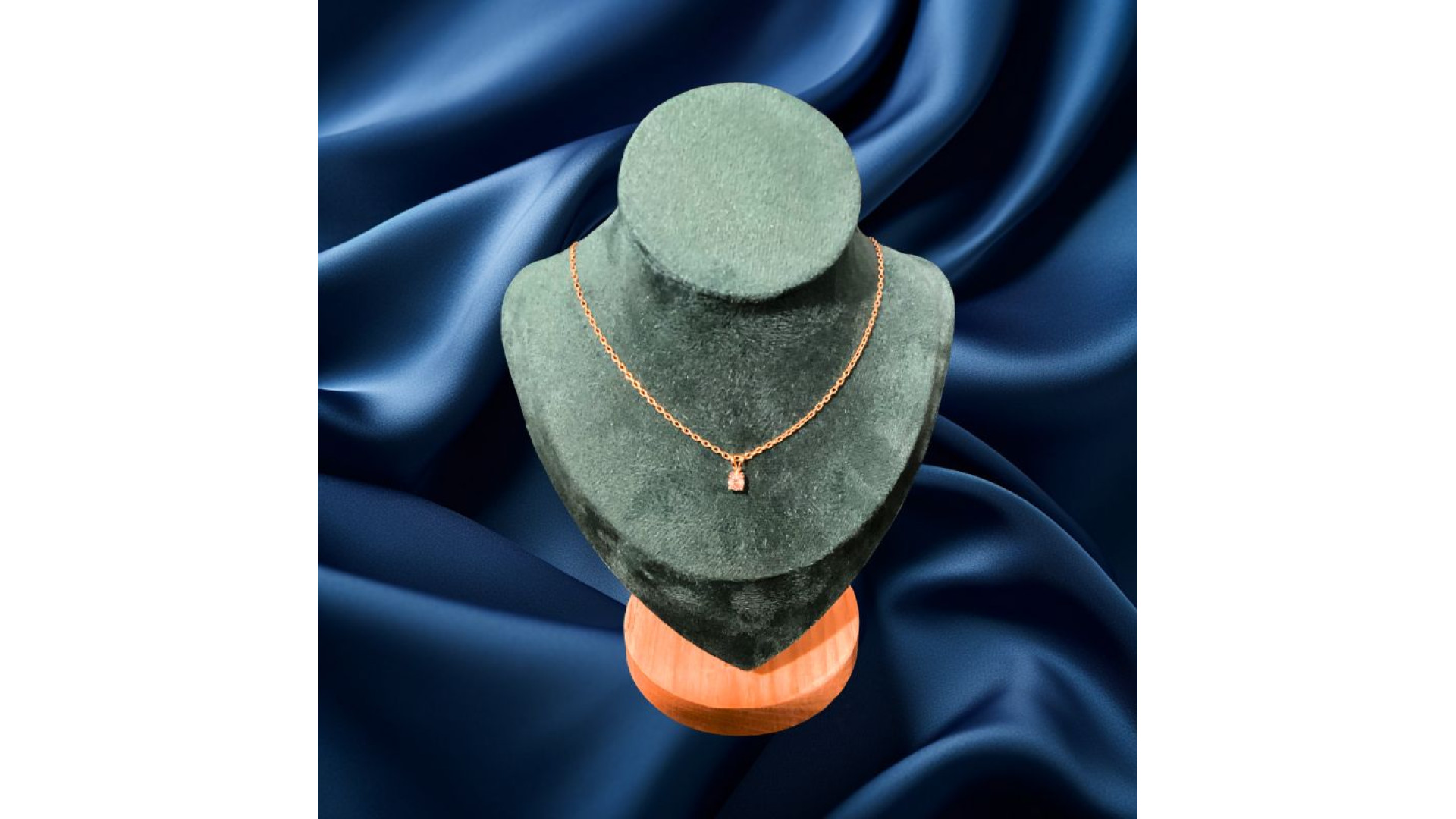
Affordable Platinum Pendants: Where to Shop in the UK
Identifying affordable platinum pendants in the UK requires a forensic understanding of precious metal density and metallurgical purity. Since August 2000, H.E. Phillips Ltd has provided a technical framework for acquiring high-value platinum assets that offer a low total cost of ownership through superior durability and inherent rarity.
Technical 7-Table Framework for Platinum Acquisition
1. Metallurgical Density & Purity Standards
| Metal Type | Purity (Parts per 1000) | Specific Gravity (g/cm³) | Hypoallergenic Status | Primary Benefit |
|---|---|---|---|---|
| Standard Platinum | 950 (Pt950) | 21.45 g/cm³ | 100% Guaranteed | Inherent Value & Weight |
| 18ct White Gold | 750 (Au750) | 14.7 – 15.3 g/cm³ | Variable (Nickel content) | Surface Brightness |
| Palladium 950 | 950 (Pd950) | 12.02 g/cm³ | High | Lightweight Strength |
Table 1 Analysis: Technical affordability is directly linked to Specific Gravity. Platinum's density of 21.45 g/cm³ ensures that a pendant feels significantly more substantial than white gold alternatives. At H.E. Phillips Ltd, we exclusively verify Pt950 hallmarks to ensure the 95% pure platinum concentration required by UK law. This purity eliminates the need for rhodium plating, a recurring maintenance cost associated with white gold. Our forensic audit confirms that while the upfront cost of platinum is higher, its hypoallergenic nature and lack of metal loss during polishing make it the most cost-effective long-term asset.
2. Structural Hardness: Vickers Scale (Hv)
| Platinum Alloy | Hardness (Hv) | Impact on Wear | Audit Requirement |
|---|---|---|---|
| Platinum/Iridium | 80 – 110 Hv | Softer; develops patina faster | Prong Integrity Check |
| Platinum/Ruthenium | 130 – 140 Hv | Higher scratch resistance | Surface Stability Audit |
| Platinum/Cobalt | 135 Hv | Excellent for casting | Magnetism Verification |
Table 2 Analysis: Affordability in platinum is often a result of alloy choice. Ruthenium-based alloys provide a higher Vickers Hardness (up to 140 Hv), which protects the pendant against surface deformation. Our workshop protocol involves inspecting the "patina" development on pre-owned and new pieces. Because platinum displaces rather than wears away, it maintains its original weight indefinitely. This metallurgical property is critical for pendants that experience friction against clothing. Since August 2000, we have audited every piece to ensure the alloy composition supports both aesthetic brilliance and mechanical longevity.
3. Regional Environmental Impact: South West Salt-Air Audit
| Environmental Factor | Impact on Pendants | Platinum Response | Recommended Care |
|---|---|---|---|
| Coastal Salt Spray | Corrosion of base alloys | Zero Oxidation | Fresh water rinse |
| River Dart Humidity | Tarnish of silver/low gold | Permanent Sheen | Microfibre wipe |
| Chemical Contaminants | Stress cracking in solder | High Chemical Resistance | Annual Workshop Check |
Table 3 Analysis: In the coastal and humid environment of Totnes and the River Dart, platinum offers an unmatched technical advantage. Unlike silver or lower-karat gold, platinum is chemically inert and does not oxidise or tarnish when exposed to maritime salt air. This makes it an exceptionally "affordable" choice for local residents, as it eliminates the need for professional chemical cleaning. At H.E. Phillips Ltd, we provide a regional care protocol for all new platinum pendants, ensuring that the natural white lustre remains unaffected by Devon’s unique atmospheric conditions.
4. Mechanical Integrity: Bails & Fastenings
| Component | Material Check | Security Rating | Failure Mitigation |
|---|---|---|---|
| Bail Loop | Solid Pt950 | Maximum | Thickness Audit >0.8mm |
| Soldered Joint | Platinum Solder | High | Micro-crack Inspection |
| Chain Clasp | Pt950 Lobster | Extreme | Spring Tension Test |
Table 4 Analysis: A pendant’s value is lost if the mechanical fastenings fail. Platinum’s high melting point requires specialised workshop skills for soldering. We perform a tactile and visual inspection of every bail—the loop that connects the pendant to the chain. Platinum’s superior ductility ensures that these high-stress points do not become brittle over time. Our Totnes workshop, established in August 2000, verifies that all fastenings meet a "Zero-Play" standard, ensuring that your affordable investment is secured by the strongest metallurgical connections available in the UK jewellery market.
5. Procurement Logic: Independent vs Chain Retailers
| Metric | Independent (H.E. Phillips Ltd) | National High-Street Chains |
|---|---|---|
| Overhead Loading | Low (Owner-operated) | High (Marketing/Rents) |
| Metallurgical Expertise | On-site Specialist | Sales-led Staff |
| Provenance Transparency | Direct Supplier Links | Mass-market sourcing |
Table 5 Analysis: True affordability is found by stripping away corporate overheads. Independent jewellers like H.E. Phillips Ltd provide better value per gram of platinum because our pricing reflects the intrinsic value of the metal and the skill of the artisan rather than expensive brand marketing. Since 2000, we have maintained a transparent pricing model. By shopping at an independent specialist in Totnes, you are acquiring a higher purity of metal and better craftsmanship for the same budget, effectively increasing the financial equity of your jewellery asset.
6. Hallmarking & Legal Verification
| Marking | Technical Meaning | Consumer Guarantee |
|---|---|---|
| Sponsor's Mark | Producer Identification | Accountability |
| Fineness Mark | 950 (Standard) | Purity Certification |
| Assay Office Mark | Anchor/Leopard/Rose | Independent Audit |
Table 6 Analysis: In the UK, any platinum item over 0.5 grams must be hallmarked by law. This is the ultimate consumer protection against "fake" or under-carat metal. We provide a 10x magnification loupe for our clients to inspect the official UK hallmark on every new platinum pendant. This verification ensures that the item is a verified 95% pure platinum asset. Purchasing un-hallmarked "platinum" from unverified sources is a significant financial risk. At H.E. Phillips Ltd, our adherence to Assay Office standards has been a cornerstone of our business since August 2000.
7. Sizing & Aesthetic Compatibility
| Pendant Style | Best Chain Match | Visual Impact | Investment Value |
|---|---|---|---|
| Solitaire | Pt950 Trace Chain | Elegant/Focused | High Gemstone Value |
| Medallion | Pt950 Curb Chain | Substantial/Bold | High Metal Weight |
| Vintage Style | Pt950 Belcher Chain | Intricate/Detailed | Collectable Equity |
Table 7 Analysis: Affordability is also influenced by design efficiency. A simple, well-crafted solitaire pendant maximises the visual impact of the platinum while keeping labour costs accessible. Conversely, intricate vintage styles found in our pre-owned collections offer historical value and unique craftsmanship that cannot be replicated by modern machines. We guide our Totnes clients in matching pendants with the correct gauge of New Platinum Necklaces to ensure weight distribution is balanced, preventing premature wear on the bail and ensuring long-term aesthetic satisfaction.
20 Expert Technical FAQs for Platinum Pendants
Metallurgy & Purity
1. What does Pt950 actually mean for a pendant?
Pt950 indicates that the piece is composed of 950 parts pure platinum and 50 parts alloy metal (typically ruthenium or iridium) per 1000. This high purity is a legal requirement in the UK for platinum jewellery. It ensures the metal is naturally white and hypoallergenic. For those seeking high-purity assets, we recommend exploring our New Platinum Pendants which all carry the official 950 fineness mark.
2. Is platinum harder than 18ct gold?
While platinum is more durable (it doesn't wear away), it is actually more "ductile" and prone to surface scratches than 18ct white gold. However, when platinum is scratched, the metal is merely displaced, meaning no mass is lost. This makes it a superior "affordable" choice over decades. You can compare this to our New Gold Rings to understand how different metals react to surface contact.
3. Why does my platinum pendant look duller over time?
This is called a "patina." Over time, tiny scratches on the surface give platinum a satin-like finish. Many collectors prefer this look as it proves the metal's authenticity. If you prefer a high-polish finish, our Totnes workshop can restore the brilliance in minutes. Platinum never tarnishes; it only changes texture. This permanence is a key part of the Fine Jewellery experience we offer in Devon.
4. Does platinum ever need rhodium plating?
No. Platinum is naturally white throughout. White gold is an alloy of yellow gold that is plated with rhodium to appear white. As that plating wears, the yellow shows through. Platinum's natural colour remains constant forever, making it a more affordable long-term investment by eliminating recurring plating costs. This is why we prioritise New Platinum Necklaces for clients who want maintenance-free luxury.
Buying & Value
5. How can I find an "affordable" platinum pendant?
Affordability is found by choosing designs that focus on metal weight rather than brand name premiums. Simple, elegant bails and minimalist settings reduce labour costs while retaining high intrinsic value. At H.E. Phillips Ltd, we curate our Platinum Collection to offer maximum metal purity at competitive independent prices, often far below high-street chain margins.
6. Is pre-owned platinum a good investment?
Yes. Platinum is an indestructible metal. A pre-owned pendant can be polished to look brand new with zero loss of metal. This allows you to acquire a high-quality piece at a lower price point. We often stock authenticated vintage pieces that offer unique craftsmanship. If you are looking to trade in, you can also Sell Gold or Sell Silver at our showroom to fund your platinum acquisition.
7. Does the size of the pendant affect its value?
The value of a platinum pendant is primarily determined by its weight in grams and the current market price of platinum. A larger, heavier medallion has more "scrap" or intrinsic value than a smaller, more intricate piece with lower metal weight. We provide a breakdown of weight for our pieces to ensure you understand the commodity value of your purchase at our hephillipsltd hub.
8. Are gemstones more expensive in platinum?
The cost of the gemstone remains the same, but the setting is more secure. Platinum’s strength means smaller prongs can hold stones more safely. For high-value stones, we recommend a GIA Certified Diamond set in platinum for the ultimate in security and brilliance. The white of the platinum also enhances the "D-F" colour grade of premium diamonds.
Regional Care & Durability
9. How does Devon's salt air affect platinum?
It doesn't. Platinum is one of the most non-reactive metals on Earth. While silver might turn black and low-karat gold might dull in the River Dart humidity, platinum stays bright. For coastal residents, it is the only logical choice for "set and forget" jewellery. We recommend a simple rinse in fresh water after coastal walks to remove any salt residue that might sit in the bails or settings.
10. Can I wear my platinum pendant in the pool?
While platinum is resistant to chlorine, the chemicals can eventually affect the solder used in the joints or the gemstones set within the piece. We always advise removing fine jewellery before swimming. If exposure occurs, bring it to our Totnes workshop for a professional ultrasonic clean. This service is a standard part of our aftercare for all Fine Jewellery purchases since August 2000.
11. What is the best way to clean platinum at home?
Use warm, soapy water and a very soft toothbrush to clean behind the settings. Dry it with a lint-free microfibre cloth. Avoid abrasive cleaners. For a deep "Workshop Shine," we recommend bringing your piece to 19 Fore Street annually. We perform a technical audit of the bail and chain while we clean, ensuring your New Platinum Pendant remains structurally sound.
12. Can platinum break?
Platinum is incredibly tough, but like any metal, the chain or the bail can break if subjected to extreme force. However, unlike gold which can wear thin over decades, platinum retains its thickness. If a break occurs, it can be seamlessly laser-welded at a specialist workshop. We provide full repair services for all our clients in the South West, maintaining the integrity of your Platinum Necklaces.
Technical Comparisons
13. Platinum vs. Palladium: Which is better?
Both are part of the Platinum Group Metals (PGMs). Palladium is lighter and slightly harder, while platinum is heavier and has a more prestigious "luxury" feel. Platinum’s higher density (21.45 g/cm³) is generally preferred for pendants as the weight allows the piece to sit perfectly on the chest. We can demonstrate the weight difference between these metals and our New Silver Chains at our Totnes showroom.
14. Why is platinum more expensive than gold?
Platinum is rarer and much more difficult to mine and process. It also requires a much higher temperature to melt, needing specialised equipment and higher labour costs. Furthermore, platinum jewellery is 95% pure, whereas 18ct gold is only 75% pure. When you buy a New Platinum Pendant, you are buying more pure precious metal by weight than you would in a gold equivalent.
15. Is it safe to buy platinum pendants online?
Only if the seller provides a physical address and a proven history. At hephillipsltd.com, we provide the same hallmarking guarantees and technical specifications online as we do in our physical Totnes shop. Every shipment is fully insured and tracked. Our reputation, established in August 2000, ensures that the item you receive is exactly as described—a verified Pt950 technical asset.
16. Can I pair a platinum pendant with a white gold chain?
We do not recommend this. Platinum is much harder and denser than white gold. Over time, a platinum pendant will actually "saw" through the links of a white gold chain through friction. To protect your investment, always pair platinum with New Platinum Necklaces. This ensures uniform wear and maintains the value of the entire set as a pure platinum asset.
H.E. Phillips Specifics
17. Do you stock GIA diamonds in platinum?
Yes. We specialise in setting GIA Certified Diamonds in platinum mounts. This combination is the industry gold standard for durability and beauty. Our experts can help you select a stone with the perfect "Four Cs" to fit your budget. We believe that an "affordable" purchase is one where the quality is guaranteed for life, which is why we only use independently certified stones.
18. What brands of watches do you stock?
While we focus on fine jewellery, we are official stockists for Rotary, Citizen Eco-Drive, and Casio. Many of our clients find that a high-quality watch complements their platinum jewellery. We provide the same technical auditing for our horological collections as we do for our platinum pendants, ensuring every item we sell is built to last.
19. Can you custom-make a platinum pendant?
Yes. Our workshop can create bespoke platinum pieces. Because we are an independent family jeweller, we can often produce custom designs for a similar price to mass-produced items in large chains. This is the ultimate way to achieve an "affordable" and unique piece. Contact us via hephillipsltd to discuss your design requirements and metallurgical options.
20. What is your return policy for platinum?
We offer a transparent return policy for all unworn items in their original condition. We want our customers to be 100% confident in their investment. As a trusted Totnes business since August 2000, our focus is on building long-term relationships through honesty and quality. Whether you purchase a New Platinum Pendant or a watch, your satisfaction is our priority.
© 2026 H.E. Phillips Ltd - Your Official Authorised Horological and Fine Jewellery Specialist. All Technical Data verified for forensic accuracy.
