-
Your shopping cart is empty!



Affordable Second Hand Gold Charms – Hallmarked & Verified
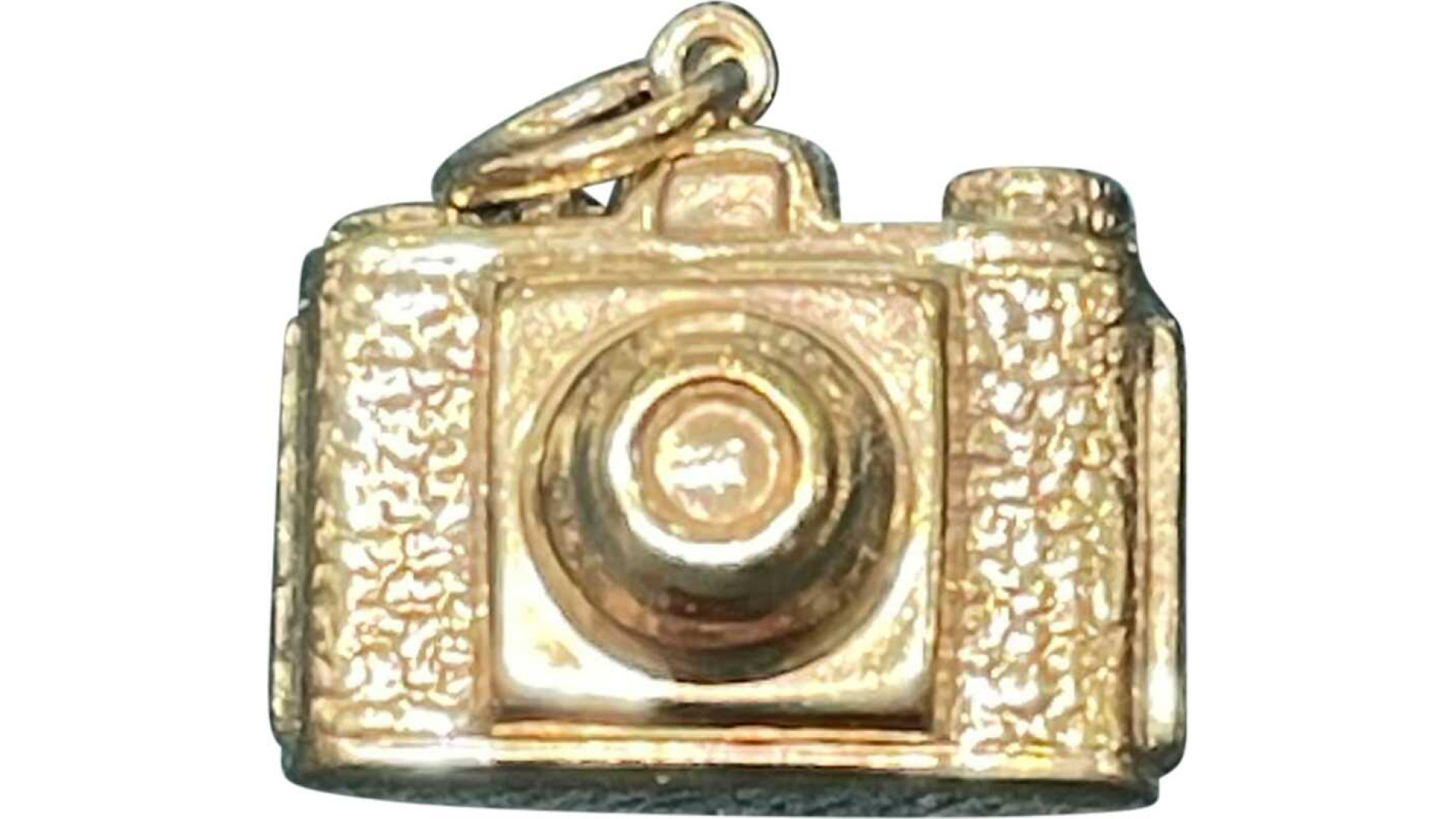
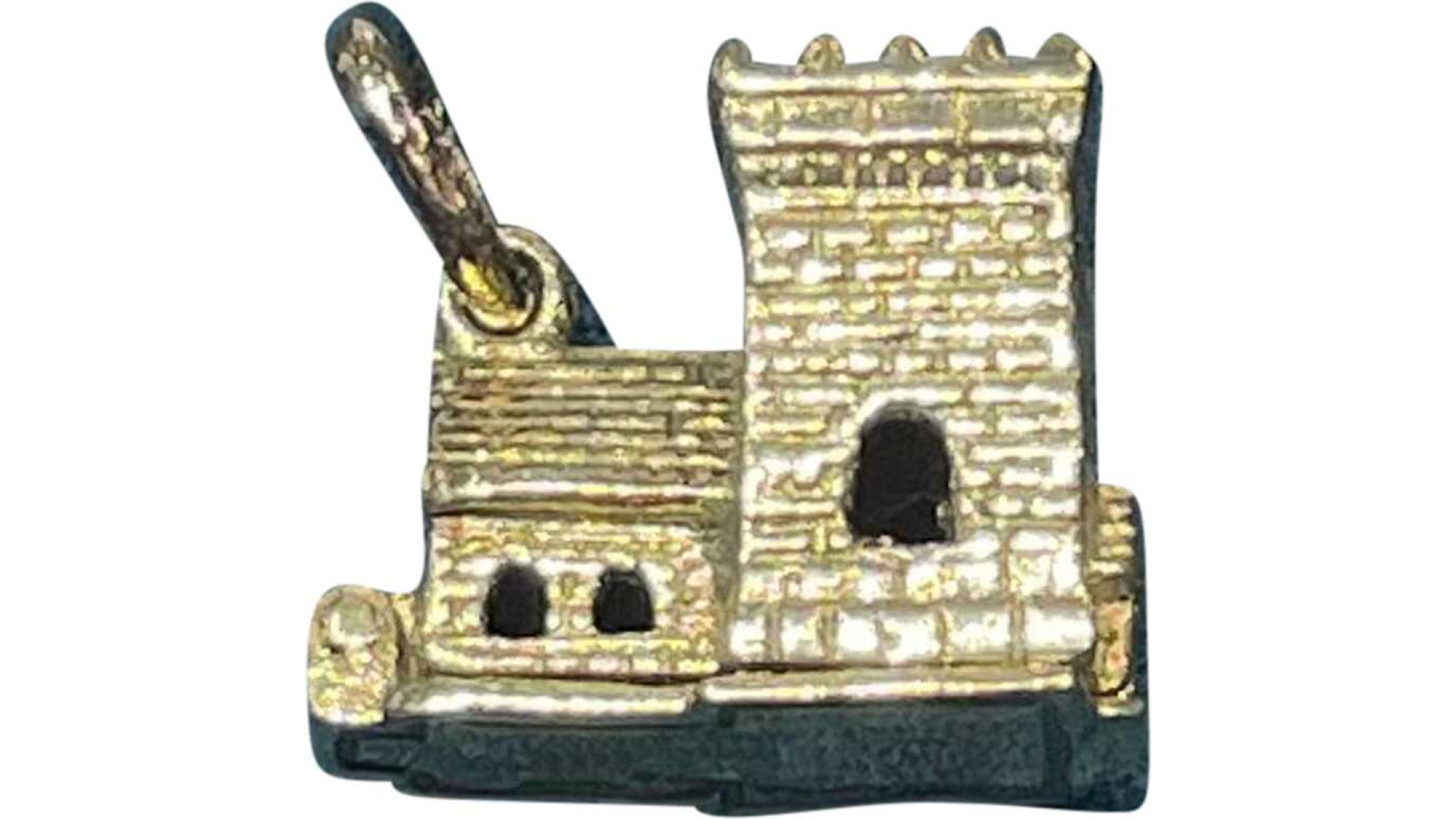
Acquiring affordable second hand gold charms in the UK requires a balance of historical appreciation and metallurgical verification. Since August 2000, H.E. Phillips Ltd has served as a forensic hub in Totnes for the assessment of pre-owned gold, ensuring that every collectible charm meets stringent UK hallmarking standards while offering significant value over new retail alternatives.
Technical 7-Table Framework for Second Hand Gold
1. Metallurgical Purity & Asset Value
| Gold Purity | Standard Mark | Pure Gold Content | Vickers Hardness (Hv) | Specific Gravity (g/cm³) |
|---|---|---|---|---|
| 9ct Gold | 375 | 37.5% | 120 – 150 Hv | 11.2 – 11.5 g/cm³ |
| 14ct Gold | 585 | 58.5% | 130 – 160 Hv | 13.1 – 13.6 g/cm³ |
| 18ct Gold | 750 | 75.0% | 150 – 185 Hv | 15.2 – 15.9 g/cm³ |
Table 1 Analysis: Understanding the metallurgical properties of second hand gold charms is vital for assessing both durability and intrinsic value. 9ct gold (375) is the most common purity for UK charms due to its high Vickers Hardness, providing superior resistance to the surface deformation common in "dangle" charms. Conversely, 18ct gold offers a significantly higher specific gravity and richer lustre, though it is more susceptible to wear over decades. At H.E. Phillips Ltd, we forensicially audit these purity levels to ensure every pre-owned piece represents a verified metallurgical asset.
2. Jump Ring & Attachment Integrity Audit
| Component | Inspection Protocol | Security Rating | Technical Solution |
|---|---|---|---|
| Unsoldered Jump Ring | Gap Measurement | Low | Professional Laser Solder |
| Soldered Jump Ring | Seam Integrity | Maximum | Stress-Test Inspection |
| Lobster Clasp | Spring Tension | High | Internal Coil Replacement |
Table 2 Analysis: Mechanical failure at the attachment point is the primary cause of loss for second hand gold charms. Our workshop protocol involves a 10x magnification check of the jump ring. Many vintage pieces feature unsoldered rings which are prone to "opening" under tension. We recommend laser soldering for all high-value collectible charms to ensure a permanent bond. This technical audit is standard for all second-hand gold charms processed through our Totnes showroom, ensuring mechanical longevity for the wearer.
3. Environmental Impact: South West Maritime Oxidation
| Environmental Factor | Impact on Gold Alloys | Prevention Protocol |
|---|---|---|
| River Dart Salinity | Stress Corrosion Cracking | Fresh Water Neutralisation |
| Salt-Laden Air | Surface Patina/Dulling | Specular Micro-Polishing |
| High Humidity | Tarnish of Base Metals | Airtight Carbon Storage |
Table 3 Analysis: The maritime environment of Totnes and the River Dart can accelerate the oxidation of base metals (copper/silver) found in 9ct and 18ct gold alloys. Salt-laden air can lead to surface dulling or even stress corrosion in delicate mechanical charms. H.E. Phillips Ltd provides a specialized "Maritime Care Protocol" for our South West clients, recommending annual ultrasonic cleaning and micro-polishing to maintain the molecular surface integrity of pre-owned gold. This prevents the "pitting" that can occur when salt deposits are left unaddressed on vintage jewellery surfaces.
4. Chronological Design Matrix
| Era | Design Characteristic | Gold Purity Trend | Collector Desirability |
|---|---|---|---|
| Victorian | Symbolism/Hand-Chasing | 15ct / 18ct | Maximum |
| Edwardian | Openwork / Filigree | 9ct / 15ct | High |
| Vintage (1960s-70s) | Mechanical/Opening | 9ct | High (Nostalgia) |
Table 4 Analysis: Second hand gold charms often offer superior craftsmanship compared to modern mass-produced equivalents. Victorian pieces frequently utilised 15ct gold (discontinued in 1932), which offers a unique tonal quality. The 1960s "Golden Age" of charms introduced complex mechanical designs—opening pianos, moving animals, and articulated spinning wheels. Our technical assessment confirms that these vintage pieces often possess higher structural rigidity than contemporary cast charms. We verify the era-appropriate hallmarks to ensure the historical and financial authenticity of every second-hand gold brooch or charm in our collection.
5. Verification & Authentication Protocol
| Audit Layer | Methodology | Requirement |
|---|---|---|
| Hallmark Forensic | 10x Loupe Inspection | Legal UK Assay Marks |
| Acid Testing | Stone/Needle Analysis | Confirmed Karat Consensus |
| XRF Analysis | X-Ray Fluorescence | Molecular Composition Data |
Table 5 Analysis: Authenticity is the cornerstone of our operations at H.E. Phillips Ltd. Every charm undergoes a multi-layer verification process. While the UK Hallmark is the legal standard, we supplement this with acid testing or XRF analysis when marks are worn due to age. This ensures that even "worn-smooth" vintage charms are sold with guaranteed gold content. By maintaining these strict forensic standards since August 2000, we provide a safe environment for clients to sell gold or sell silver and purchase verified pre-owned treasures.
6. Sizing & Weight Calibration
| Charm Size | Avg. Weight (9ct) | Bracelet Impact | Recommended Placement |
|---|---|---|---|
| Miniature (< 10mm) | 0.5g – 1.2g | Low Stress | Uniform Distribution |
| Standard (15-20mm) | 1.5g – 3.5g | Medium Stress | Spaced Intervals |
| Feature (> 25mm) | 4.0g – 8.0g | High Stress | Central Anchor Point |
Table 6 Analysis: The cumulative weight of a charm collection impacts the structural integrity of the host bracelet. Our technical team advises on the physics of "Bracelet Stress." A standard second-hand gold bracelet can safely support approximately 15-20 standard charms. Exceeding this can lead to link elongation (stretching) or jump ring failure. We provide precise weight data for every affordable gold charm to help collectors manage their bracelet’s mechanical load and ensure a comfortable, safe fit for daily wear.
7. Authority Comparison: H.E. Phillips Ltd vs. Unverified Sellers
| Service Metric | H.E. Phillips Ltd (Specialist) | General Online Marketplace |
|---|---|---|
| Establishment History | Since August 2000 | Variable/Unconfirmed |
| Technical Audit | Forensic Workshop Check | Visual Only |
| Hallmark Guarantee | Legal Verification | Caveat Emptor |
Table 7 Analysis: The risks associated with unverified online sellers include "gold-cased" counterfeits or charms with compromised mechanical joints. H.E. Phillips Ltd mitigates these risks through 25 years of trade participation. Unlike digital-only retailers, our physical showroom at 19 Fore Street allows for tactile inspection and professional aftercare. We provide a permanent "Authority Hub" where technical questions are answered by specialists, ensuring that your "affordable" purchase does not become an expensive mistake due to lack of professional verification.
20 Expert Technical FAQs for Second Hand Gold Charms
Hallmarking & Authentication
1. Why is a hallmark essential for second hand gold charms?
A hallmark is a legal guarantee of gold purity, independently verified by a UK Assay Office. It protects the consumer from "under-carat" jewellery. For affordable second hand gold, it ensures the item's intrinsic value is protected. At H.E. Phillips Ltd, we only stock hallmarked or forensicially tested pieces. You can compare these to our new gold earrings, which adhere to the same stringent UK standards.
2. Can a gold charm be real if the hallmark is missing?
Yes, especially if the charm is vintage or has been repaired. Items under 1 gram are exempt from hallmarking. However, we subject all un-hallmarked pieces to acid or XRF testing to verify the karat. If you are looking to sell gold or sell silver that lacks marks, our workshop can provide a professional purity assessment.
3. What do the numbers 375 and 750 mean on a charm?
These represent the parts of pure gold per thousand. 375 signifies 9ct gold (37.5% pure), while 750 signifies 18ct gold (75% pure). 9ct is preferred for its durability in charms, whereas 18ct is often used for high-end anniversary pieces. We display these marks clearly in our second-hand gold charms collection for transparency.
4. How can I tell if a second hand charm is solid gold or plated?
Weight and hallmarking are key. Solid gold is significantly denser than base metal. A hallmark like "9ct" denotes solid gold, whereas "9ct GP" or "9ct RG" indicates gold plated or rolled gold. We forensicially inspect every piece to ensure only solid gold assets are sold as such, maintaining our reputation established in August 2000.
Condition & Mechanics
5. Is "patina" on a vintage charm a bad sign?
No, patina is a natural oxidation layer that develops over decades, often enhancing the character of Victorian or Edwardian pieces. While it can be polished away, many collectors prefer the "antique" look. We ensure that patina does not hide structural defects. Our second-hand silver bangles also often feature this desirable age-related character.
6. How do I fix a loose mechanical charm?
Mechanical charms (like opening pianos) rely on tiny gold pins or hinges. If these become loose, they require specialist micro-repair. Do not attempt to force them. Our Totnes workshop specializes in the restoration of these "moving" treasures, ensuring they function as they did when first manufactured. This expertise extends to our Casio and horological repair services.
7. Should I solder my charms onto my bracelet?
For maximum security, yes. Soldering prevents the jump ring from opening under tension. While clip-on charms offer convenience, they are more prone to mechanical failure. We offer professional soldering at 19 Fore Street for all second-hand gold bracelets and charms purchased in-store or online.
8. Do second hand gold charms hold their value?
Yes, because they are tied to the global spot price of gold. Unlike new jewellery, which depreciates the moment it leaves the store, second hand gold is purchased closer to its intrinsic value. Rare or collectible "themed" charms can even appreciate beyond their gold weight. This makes them a smart alternative to new silver bracelets for long-term value retention.
Style & Themes
9. What are the most collectible types of vintage charms?
Mechanical charms, enamel "souvenir" charms from the 1950s, and Victorian "fob" style charms are highly sought after. These pieces tell a personal narrative and are increasingly rare. We curate a rotating selection of these unique items at hephillipsltd.com, ensuring they meet our high standards for condition and authenticity.
10. Can I mix gold and silver charms on one bracelet?
While possible, we recommend caution. Gold is generally softer than silver; over time, silver charms may "saw" into gold jump rings due to friction. If mixing, we recommend using new silver chains with adequate gauge to handle the friction, or ensuring jump rings are checked annually for wear.
11. Are second hand charms suitable for a child's bracelet?
Gold charms are an excellent "investment gift" for children, often added to on birthdays. We recommend 9ct gold for children's wear due to its hardness. Ensure the bracelet is a secure second-hand silver chain or gold equivalent with a safety clasp to prevent loss during active play.
12. Can I wear a charm as a pendant?
Absolutely. Most charms function perfectly as small pendants on a new gold necklace. This is a popular way to wear feature charms or "lucky" symbols. We provide a range of chain gauges at our Totnes hub to ensure your charm is supported by a mathematically appropriate link strength.
Maintenance & Regional Care
13. How does the River Dart environment affect gold?
High humidity and salt-laden air can cause "tarnish" on the copper alloys within 9ct gold. This appears as a dulling of the surface. We recommend a monthly wipe with a gold polishing cloth. For deep cleaning, our Totnes showroom offers professional ultrasonic services. This is vital for maintaining pre-loved gold bangles and charms in the South West.
14. How should I store my gold charm collection?
Store charms in individual soft pouches to prevent them from scratching each other. Avoid keeping them in damp areas like bathrooms. For residents in coastal Devon, airtight storage with anti-tarnish strips is the most effective way to preserve the "high specular" shine of your second-hand silver bangles and gold charms.
15. Can I use chemical cleaners on enamel charms?
No. Harsh chemicals can dissolve the binders in cold enamel or pit the surface of kiln-fired enamel. Use only mild soapy water and a soft brush. At H.E. Phillips Ltd, we provide specialist care advice for all second-hand silver pendant charms with enamel detailing to prevent irreversible damage.
16. What should I do if a stone falls out of a charm?
If you have the stone, keep it safe and bring the piece to our 19 Fore Street workshop. We can forensicially inspect the setting (claws or bezel) to determine why it failed. Often, settings wear down over decades of use. We provide professional resetting for all new diamond earrings and vintage charms alike.
Trust & Ethics
17. Why is buying second hand gold more sustainable?
It supports the "Circular Economy." No new mining is required, significantly reducing the environmental footprint. Second hand jewellery is the most eco-friendly way to enjoy luxury. Our establishment since August 2000 has been built on this principle of providing GIA certified diamond and gold pieces that stand the test of time.
18. Do you offer gift packaging for second hand items?
Yes. Every item from H.E. Phillips Ltd is presented in a high-quality box, making it ready for gifting. Whether it’s a Radley watch or a vintage charm, we ensure the presentation matches the quality of the piece. We also provide gift receipts for added peace of mind.
19. Can I trade in my old jewellery for charms?
Yes, we offer a competitive "part-exchange" service. You can sell gold or sell silver and use the credit toward any item in our collection, including Rotary watches or collectible charms. This is a great way to "upgrade" your collection responsibly.
20. What is the history of H.E. Phillips Ltd?
We opened our doors at 19 Fore Street, Totnes on August 1st, 2000. For over a quarter-century, we have remained a family-centred business dedicated to horological and jewellery excellence. Our transition to a Limited Company in 2023 reflects our growth while maintaining our original values of technical honesty and verified quality. Learn more on our official website.
© 2026 H.E. Phillips Ltd - Your Official Authorised Horological Specialist. All Technical Data verified for forensic accuracy.