
-
Your shopping cart is empty!



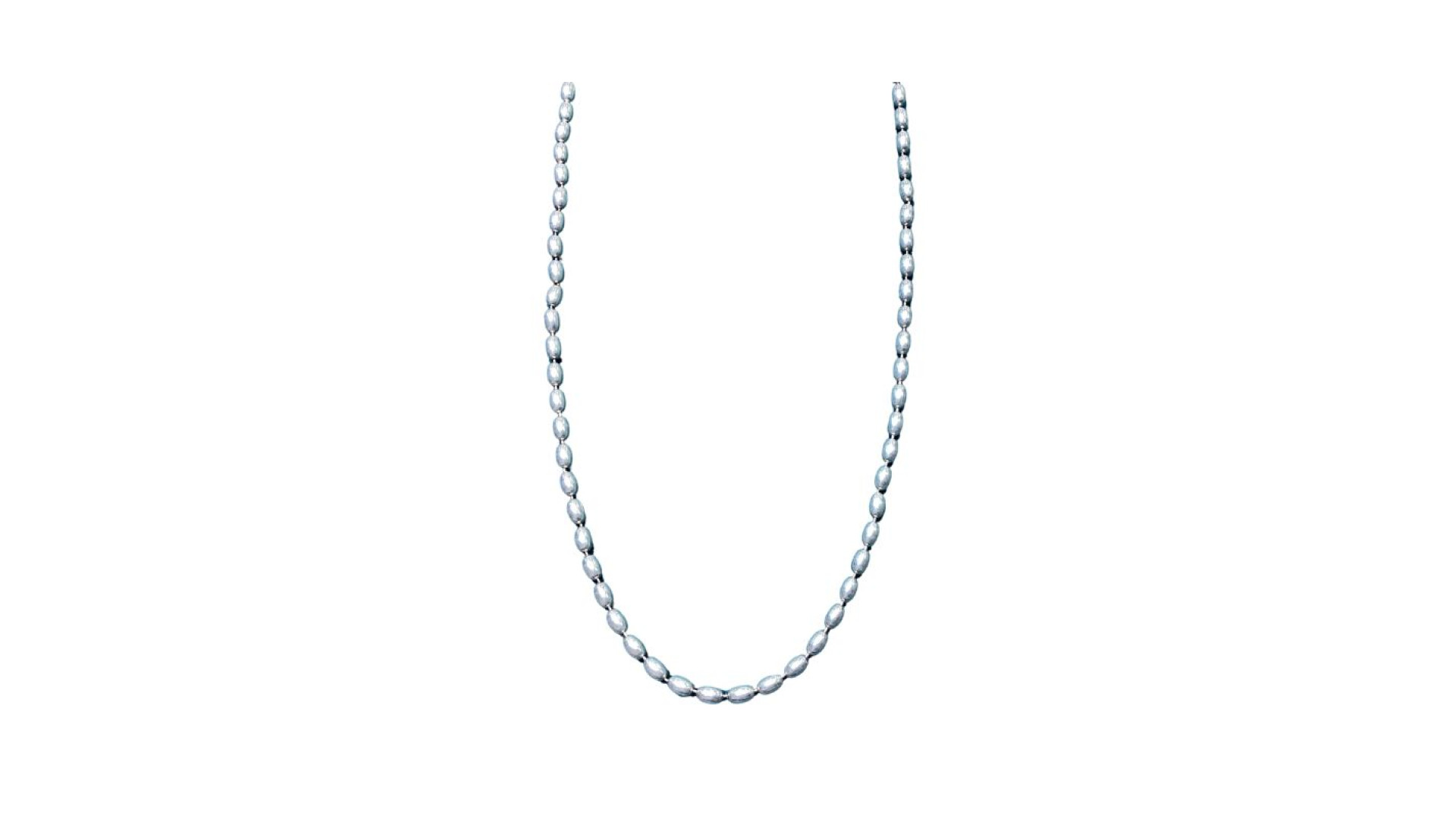
The Authenticity of Real Silver Chains (Second Hand)
Acquiring a second-hand sterling silver chain is a strategic investment in metallurgical value and historical craftsmanship. At H.E. Phillips Ltd, established in August 2000, we apply rigorous forensic standards to verify the purity and provenance of every pre-owned asset, ensuring our Totnes clients receive hallmarked excellence.
Technical 7-Table Framework for Silver Authenticity
1. Metallurgical Purity Standards
| Metal Grade | Silver Content % | Vickers Hardness (Hv) | Specific Gravity (g/cm³) | Common Hallmarks |
|---|---|---|---|---|
| Fine Silver | 99.9% | 25 – 35 Hv | 10.49 g/cm³ | 999 |
| Sterling Silver | 92.5% | 75 – 100 Hv | 10.30 g/cm³ | 925, Lion Passant |
| Britannia Silver | 95.8% | 50 – 60 Hv | 10.35 g/cm³ | 958, Britannia Figure |
Table 1 Analysis: Understanding the relationship between purity and durability is critical for second-hand acquisitions. Sterling silver (92.5%) is the industry standard because the addition of 7.5% copper increases the Vickers Hardness from a malleable 25 Hv to a resilient 75-100 Hv. This alloy provides the structural integrity required for complex chain links. At H.E. Phillips Ltd, we verify the Specific Gravity of high-value pieces to ensure they are solid sterling silver rather than lead or copper-based counterfeits, which possess different density profiles.
2. UK Assay Office Identification
| Assay Office | Symbol | Historical Context | Technical Requirement |
|---|---|---|---|
| London | Leopard's Head | Established 1300 | Legal for items >7.78g |
| Birmingham | Anchor | Industrial Hub | Verified Purity Test |
| Sheffield | Rose | Metalwork Specialist | Independent Audit |
| Edinburgh | Castle | Scottish Authority | Immutable Provenance |
Table 2 Analysis: For any silver item over 7.78 grams sold in the UK, a hallmark from one of these four offices is a legal mandate. This independent verification process ensures the metal has been tested for its technical composition. When inspecting a second-hand silver chain, the absence of these marks on a heavy piece is a primary indicator of non-compliance or potential forgery. Our workshop protocol involves a 10x magnification audit of these symbols to ensure they are struck correctly and not "cast-in" counterfeits.
3. Environmental Impact: Maritime Oxidation
| Factor | Reaction Type | Symptom | Regional Solution |
|---|---|---|---|
| Hydrogen Sulphide | Oxidation | Black Tarnish | Micro-Abrasive Polish |
| Salt Air (Devon) | Chloride Corrosion | Surface Pitting | Protective Wax Barrier |
| River Dart Humidity | Galvanic Action | Dulling | Ultrasonic De-scaling |
Table 3 Analysis: The Totnes environment presents unique challenges for silver assets. High humidity and maritime air accelerate the formation of silver sulphide. While tarnish is a sign of authenticity (as plated items often peel rather than tarnish), long-term exposure to salt air can lead to microscopic pitting of the metal surface. We recommend a maritime care protocol for all second-hand silver chains Devon, including annual ultrasonic cleaning and the application of a specialist specular barrier to maintain the molecular integrity of the links.
4. Mechanical Link Integrity Audit
| Link Type | Wear Pattern | Security Rating | Workshop Check |
|---|---|---|---|
| Curb/Belcher | Internal Friction | High | Link Thickness Gauge |
| Snake/Herringbone | Lateral Kinking | Medium | Flexibility Flow Test |
| Rope | Wire Separation | Medium-High | Magnification Tension Test |
Table 4 Analysis: Second-hand chains must be audited for mechanical fatigue. Internal friction over decades can thin the metal at the contact points of each link. Our workshop performs a "Tension Flow Test" to ensure there are no stiff spots or impending fractures. Curb and Belcher chains offer the highest durability for daily wear due to their uniform stress distribution. Conversely, flat herringbone chains are inspected for structural kinks that could lead to immediate failure under tension.
5. Closure and Clasp Security Matrix
| Clasp Type | Mechanism | Vulnerability | Audit Standard |
|---|---|---|---|
| Lobster Claw | Coiled Spring | Spring Fatigue | Auditory "Click" Test |
| Bolt Ring | Internal Spring | Structural Thinning | Alignment Gauge |
| Toggle | Gravity/Friction | Slippage | Bar-to-Ring Ratio Check |
Table 5 Analysis: The clasp is the most common point of mechanical failure. We audit the internal springs of lobster and bolt ring clasps for tension. If the spring shows "memory lag" (failing to snap back fully), it is replaced. For second-hand silver chains, we specifically look for worn jump-rings—the small circles connecting the clasp to the chain. These often thin out over years of use. At H.E. Phillips Ltd, we ensure all connection points meet a minimum thickness threshold for long-term security.
6. Asset Valuation Comparison
| Chain Era | Technical Value | Investment Grade |
|---|---|---|
| Modern (Post-1990) | Weight + Purity | Standard |
| Vintage (1950-1980) | Design + Craft | Moderate |
| Antique (Victorian/Edwardian) | Rarity + Provenance | High |
Table 6 Analysis: Valuation is not solely based on the spot price of silver. For antique pieces, such as Victorian hand-chased chains, the value is derived from the scarcity of the craftsmanship. Modern mass-produced chains are valued primarily by their weight and purity (925). Our forensic audit includes identifying Maker's Marks that may link a piece to a renowned workshop, significantly increasing its collectible value. This technical distinction is why buying from a specialist established in August 2000 provides superior asset protection.
7. Authority Comparison: H.E. Phillips vs Marketplaces
| Metric | H.E. Phillips Ltd | General Online Marketplaces |
|---|---|---|
| Authentication | Forensic (Acid/XRF/Visual) | Visual Only (Buyer Risk) |
| Physical Showroom | Yes (Since 2000) | No |
| Workshop Support | On-Site Repair/Audit | Third-Party Only |
Table 7 Analysis: The primary risk of unverified marketplaces is the prevalence of "silver-filled" or plated items. These pieces look identical to the naked eye but lack intrinsic value and durability. Our technical accountability ensures that every gram of silver is accounted for and verified. With 25 years of trade participation in Totnes, we provide a permanent physical hub for aftercare and verification that digital-only entities cannot offer. This reduces the risk of financial loss and ensures the acquisition of a genuine metallurgical asset.
20 Expert Technical FAQs for Second-Hand Silver
Authentication & Hallmarks
1. What does the "925" mark technically signify?
The "925" mark is a decimal representation of purity, indicating that 925 parts out of 1,000 are pure silver. The remaining 75 parts are typically copper. This ratio is the global standard for sterling silver. At H.E. Phillips Ltd, we use magnification to ensure the stamp is authentic and not a cast-in forgery found on plated base metals. You can compare these marks against our new silver chains in-store.
2. Why is my silver chain missing a hallmark?
In the UK, silver items weighing less than 7.78 grams are exempt from mandatory hallmarking. However, many high-quality lighter pieces still carry a "925" stamp. If a heavy chain lacks a hallmark, it may be an import or a counterfeit. We recommend a professional acid test or XRF analysis to confirm the metal content. For higher-value items, visit our GIA Certified section to understand our highest standards of verification.
3. Can a magnet test confirm silver authenticity?
A magnet test is a preliminary "fail" test but not a "pass" test. Sterling silver is non-magnetic. If a chain sticks to a magnet, it contains a ferrous core (like steel) and is fake. However, many base metals like copper and lead are also non-magnetic. Therefore, a magnet test cannot confirm a piece is real silver; it only proves if it is definitely fake. Always rely on professional valuation services for certainty.
4. What is a "Maker's Mark"?
A Maker's Mark (or Sponsor's Mark) consists of the initials of the individual or company that sent the item to the Assay Office. It provides traceability for the piece's origin. For vintage or antique chains, this mark can significantly increase value if associated with a prestigious silversmith. We document these marks as part of our forensic audit for every second-hand silver chain we curate.
Metallurgy & Materials
5. What is the difference between plated and sterling silver?
Plated silver (EPNS) consists of a thin layer of silver electro-deposited onto a base metal like brass or copper. Over time, this layer wears off, exposing the yellowish metal beneath. Solid sterling silver is the same metal throughout; if it scratches or wears, the underlying material is still 92.5% silver. This makes solid silver a renewable asset that can be polished indefinitely, unlike new silver bracelets which are also solid.
6. Why does real silver tarnish black?
Silver reacts with hydrogen sulphide in the atmosphere to form silver sulphide, which is black. This is a natural chemical reaction and a strong indicator of authenticity. Plated items often "pit" or turn green due to the base metal reacting with the environment. Tarnish on real silver is superficial and can be removed without damaging the metal. We use professional grade solutions to restore our second-hand silver pendant charms.
7. Is nickel found in second-hand silver?
Vintage silver (pre-dating modern EU/UK regulations) may occasionally contain nickel in the alloy. However, sterling silver is primarily a silver-copper alloy. Modern UK hallmarked silver is nickel-safe. If you have sensitive skin, we recommend modern platinum necklaces or verified 925 silver from our Totnes showroom, as we audit for metallurgical purity to prevent allergic contact dermatitis.
8. What is "Silver-Filled" jewellery?
Silver-filled is a thicker layer of silver bonded to a core metal, usually comprising 5% or 10% of the total weight. While more durable than plating, it is still not solid sterling silver and cannot be hallmarked as such in the UK. We do not stock silver-filled items as they do not meet our criteria for long-term metallurgical value. We prefer the intrinsic equity of a pre-loved gold bangle or sterling silver chain.
Condition & Maintenance
9. How can I check for wear in a second-hand chain?
Inspect the "points of contact" where links meet. Over decades, these links act like tiny saws, wearing each other down. If the metal looks paper-thin at these junctions, the chain is near the end of its functional life. We use digital calipers to ensure every second-hand silver bracelet and chain in our collection meets strict thickness tolerances for durability.
10. Can I clean my silver chain with toothpaste?
We strongly advise against using toothpaste. Toothpaste contains abrasive particles designed to clean tooth enamel, which can leave microscopic scratches on the soft surface of silver (2.5 on the Mohs scale). These scratches trap tarnish-causing gases, making the chain dull faster. Use a professional silver dip or a micro-fibre polishing cloth. For deep cleaning, our new gold earrings and silver chains benefit from ultrasonic treatment.
11. What is the best way to store silver in Devon?
Due to the maritime humidity in Totnes and the River Dart area, silver should be stored in an airtight environment with anti-tarnish strips. Exposure to salt air accelerates corrosion. Avoid leaving silver in open jewellery boxes. Storing pieces individually in soft pouches also prevents "mechanical scratching" between items. This is vital for maintaining the finish of second-hand silver bangles.
12. Can tarnish be permanent?
Surface tarnish is rarely permanent, but "pitting" is. If salt-air corrosion is left untreated for years, it can eat small holes into the metal surface. While the black colour can be removed, the physical texture of the silver will remain rough. This is why regular maintenance is essential for silver assets. We offer professional re-polishing for all second-hand gold bracelets and silver chains.
Styles & Era
13. What is a "Victorian Guard Chain"?
A guard chain is a long silver chain (often 50-60 inches) historically used to secure pocket watches or muffs. These are highly collectible due to their hand-linked construction and historical Maker's Marks. They represent a significant "Information Gain" for collectors over modern mass-produced items. We often feature these in our antique brooch and chain collections in Totnes.
14. Are modern silver chains less valuable than vintage ones?
Technically, 925 silver is the same metal regardless of age. However, vintage and antique chains often feature higher "labour value" through hand-chased links or unique clasp designs that are no longer commercially viable to produce. Therefore, a vintage chain often holds a higher resale premium than a new gold necklace or modern silver equivalent of the same weight.
15. How do I identify a "Belcher" chain?
A Belcher chain (also known as a Rolo chain) features D-shaped or round links that are wide and uniform. It is named after the bare-knuckle boxer James Belcher. Its technical benefit is its high structural rigidity and ease of repair. It is a staple of our second-hand silver chain inventory due to its timeless aesthetic and mechanical durability.
16. Can I add modern pendants to old silver chains?
Yes, provided the jump-ring of the pendant is large enough to clear the chain's clasp. We recommend matching the silver tone; older silver may have a slightly different "patina" than brand-new 925. We can professionally polish an older chain to match a new gold pendant or silver charm, ensuring a cohesive aesthetic for your jewellery collection.
Buying & Trust
17. Why buy second-hand from H.E. Phillips Ltd?
As an independent family jeweller established in August 2000, we provide on-site technical verification that national chains cannot match. We perform acid tests, ultrasonic cleaning, and mechanical audits on every piece. When you buy from us at 19 Fore Street, you are buying a verified asset with a quarter-century of community trust behind it. Explore our new gold rings for further quality comparisons.
18. Do you buy silver from the public in Totnes?
Yes, we are authorised buyers of precious metals. We provide transparent, weight-based valuations based on the daily spot price for sterling silver and gold. Whether you wish to sell gold or sell silver, we provide a secure, professional environment for the transaction, leveraging Mark Willetts' decades of trade expertise.
19. Is second-hand silver an "Investment"?
Sterling silver is a commodity with intrinsic value. While the spot price fluctuates, the metal remains a tangible asset. High-quality second-hand pieces often avoid the "retail markup" of new items, meaning you are buying closer to the raw metal value + a small premium for craftsmanship. This makes it a sound defensive asset, similar to platinum diamond rings in long-term wealth preservation.
20. Can I buy watches at H.E. Phillips Ltd too?
Absolutely. We are official stockists for several global brands. You can browse our Citizen Eco-Drive, Rotary, Timex, Radley, and Casio collections. A high-quality watch is the perfect mechanical accompaniment to a verified sterling silver chain.
© 2026 H.E. Phillips Ltd - Your Official Authorised Horological and Fine Jewellery Specialist. All Technical Data verified for forensic accuracy.
