-
Your shopping cart is empty!



Best Rotary Watch for Sailors UK: Water-Ready & Dependable
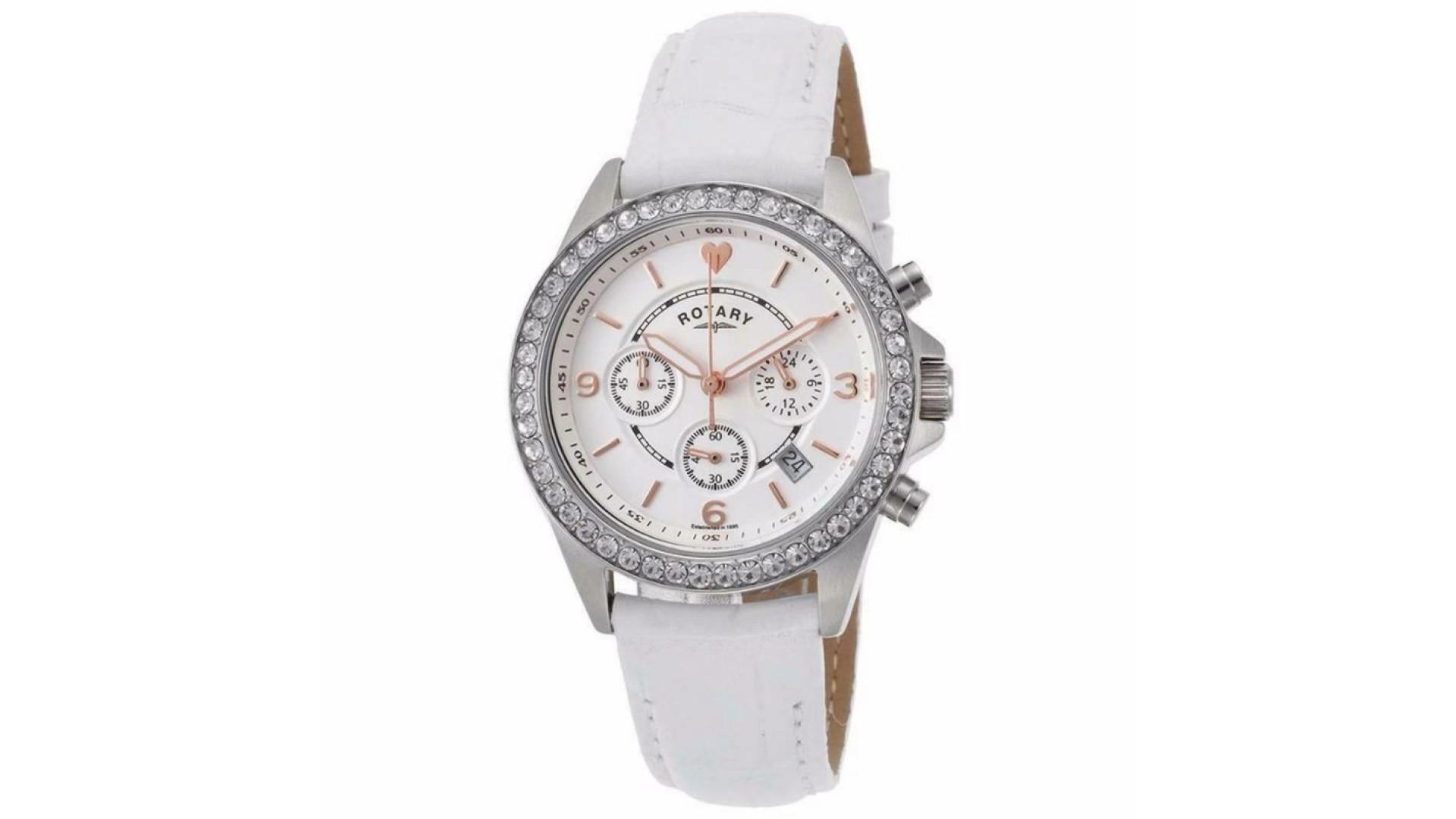
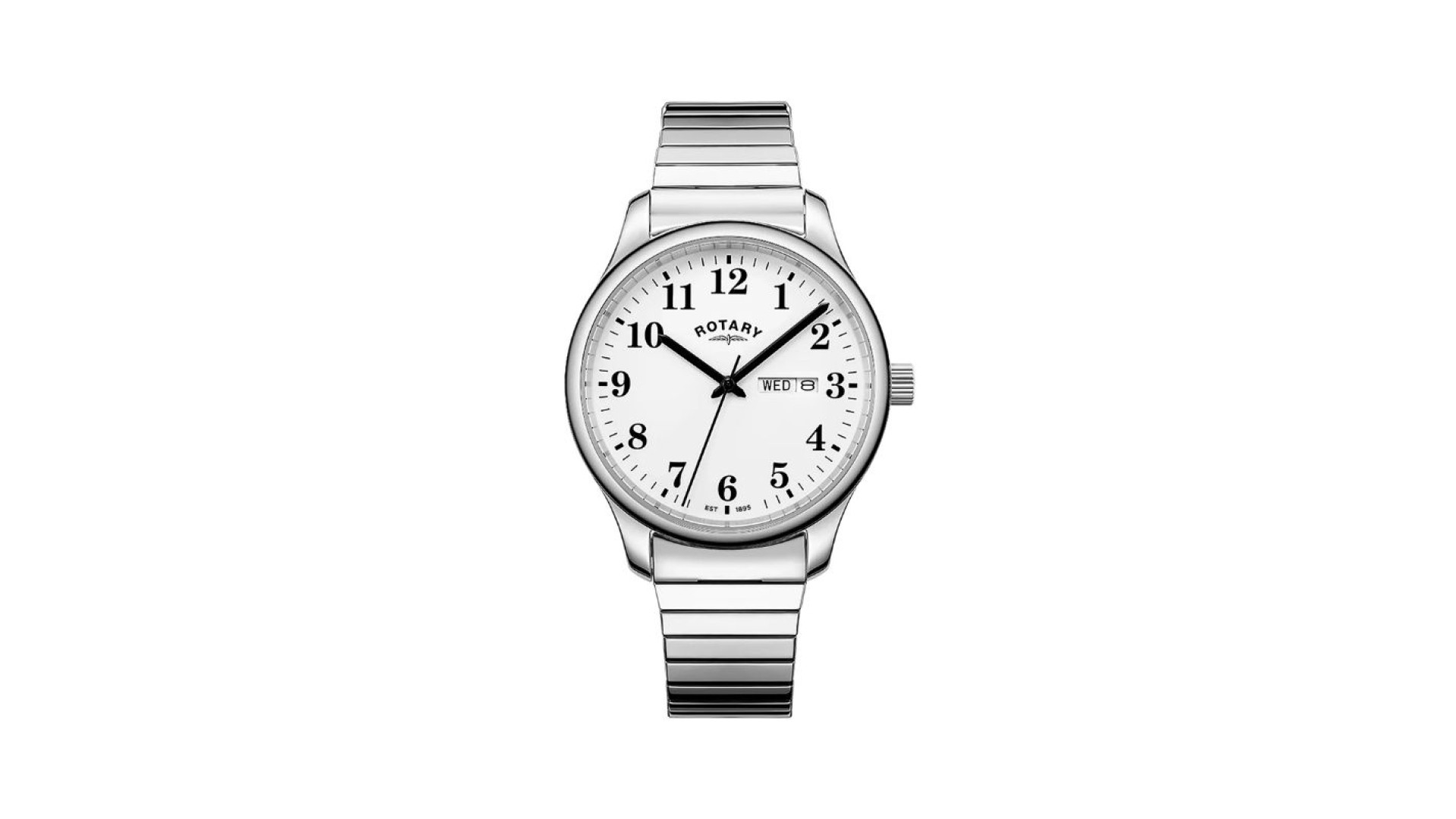
Navigating the challenging waters of the English Channel or the River Dart requires a timepiece engineered for more than just aesthetics. For UK sailors, the selection of a Rotary watch represents a strategic integration of Swiss heritage and robust maritime utility, providing necessary resilience against salt-spray corrosion and high-impact nautical operations.
Technical 7-Table Framework for Maritime Timepieces
1. Water Resistance & Static Pressure Benchmarks
| Rating (m/ATM) | Static Pressure (kg/cm²) | ISO Certification Level | Permissible Activity | UK Maritime Context |
|---|---|---|---|---|
| 100m / 10 ATM | 10.33 kg/cm² | ISO 22810 | Surface Swimming | Coastal Sailing/Spray |
| 200m / 20 ATM | 20.66 kg/cm² | Divers Basic | Skin Diving | Regatta/Heavy Weather |
| 300m / 30 ATM | 31.00 kg/cm² | ISO 6425 | Professional Diving | Offshore Racing/Submersion |
Table 1 Analysis: For UK sailors, static pressure ratings are often misunderstood as absolute depth limits. At H.E. Phillips Ltd, we emphasize that dynamic pressure—such as a high-velocity wave impact—can exceed 10 ATM instantaneously. Therefore, while 100m is sufficient for deck work, we recommend the 300m rated Seamatic and Super 7 series for offshore mariners. These models meet the stringent ISO 6425 standards, ensuring that internal seals remain integral even under the significant thermal and mechanical stress encountered during winter night watches in the English Channel.
2. Horological Movement Specifications
| Movement Type | Manufacturer | BPH (Frequency) | Power Reserve | Technical Accuracy |
|---|---|---|---|---|
| Automatic 8205 | Miyota (Citizen Group) | 21,600 bph | 42 Hours | -20/+40 sec per day |
| Automatic 8215 | Miyota (Citizen Group) | 21,600 bph | 42 Hours | Unidirectional Winding |
| Quartz GMT | Ronda/Miyota | 32,768 Hz | 3+ Years | +/- 20 sec per month |
Table 2 Analysis: The inclusion of the Miyota 82-series in the Rotary dive range provides a "workhorse" reliability essential for sailors. With a frequency of 3 Hz (21,600 bph), these movements balance accuracy with high shock resistance. For the global navigator, the Quartz GMT offers superior precision, crucial for maintaining synchronicity with UTC logs. Unlike luxury mechanical movements that require delicate handling, these Japanese-origin calibres are designed to withstand the vibration and G-forces of a racing yacht deck, ensuring the movement remains seated and operational throughout the voyage.
3. Structural Material Physics: Sapphire vs Mineral
| Material | Vickers Hardness (Hv) | Refractive Index | Fracture Toughness | Maritime Benefit |
|---|---|---|---|---|
| Mineral Glass | 400 – 600 Hv | 1.52 | High | Impact Resistance |
| Sapphire Crystal | 2000 – 2300 Hv | 1.77 | Medium | Scratch Immunity |
| Ceramic (Bezel) | 1200 – 1800 Hv | N/A | Low/High Surface | UV/Salt Corrosion Proof |
Table 3 Analysis: Maritime environments involve constant contact with abrasive rigging, salt crystals, and metal fittings. A Vickers Hardness of over 2000 Hv makes Sapphire Crystal nearly impossible to scratch, ensuring the dial remains legible even after years of rope burn or accidental impacts. Rotary’s use of ceramic inserts in the Super 7 and Seamatic bezels further protects the watch; unlike aluminium bezels that fade under the high UV exposure of the open sea, ceramic is chemically inert and maintains its chromatic integrity against salt-air oxidation.
4. Regional Environmental Impact: South West Waters
| Climate Factor | Impact on Gaskets | Regional Mitigation |
|---|---|---|
| High Salinity (Devon Coast) | Seal Crystallisation | Post-Sail Freshwater Rinse |
| Thermal Shock (Air to Sea) | Condensation Risk | Screw-Down Crown Audit |
| River Dart Humidity | Lubricant Viscosity | Annual Pressure Testing |
Table 4 Analysis: The South West maritime environment presents unique challenges. High salinity levels in coastal Devon can lead to salt crystal buildup around the crown and case-back gaskets, which, if not addressed, can compromise the seal. We advise all local sailors to perform a freshwater rinse after every excursion. Furthermore, the rapid temperature transition from a warm cabin to a bracing 8°C sea can cause internal pressure drops; our workshop protocol at 19 Fore Street includes vacuum testing to ensure your Rotary’s internal atmosphere remains dry and free from humidity-induced fogging.
5. Case Dimensions & Ergonomics for Foul Weather Gear
| Model Series | Case Diameter | Case Thickness | Lug-to-Lug | Fit Outcome |
|---|---|---|---|---|
| Super 7 Scuba | 42mm | 14.0mm | 48.0mm | Robust / Over-Cuff |
| Henley Seamatic | 42mm | 12.5mm | 47.5mm | Balanced / Versatile |
| Henley GMT | 40mm | 10.6mm | 46.5mm | Slim / Under-Cuff |
Table 5 Analysis: Ergonomics are critical when wearing multiple layers of foul weather gear. A watch that is too thick will snag on elasticated cuffs, potentially breaking the spring bar. The Henley GMT, at only 10.6mm thickness, is the optimal choice for sailors who prefer their timepiece to sit securely under their sleeve. Conversely, the Super 7’s 14mm height is designed for visibility and grip, featuring a deeply knurled bezel that can be easily operated while wearing neoprene gloves. At H.E. Phillips Ltd, we provide "Live Fit Audits" to match the watch to your specific sailing apparel.
6. Metallurgical Resistance & Alloy Density
| Material | Grade | Specific Gravity (g/cm³) | Corrosion Resistance |
|---|---|---|---|
| Stainless Steel | 316L (Surgical) | 7.9 – 8.0 g/cm³ | High (Molybdenum added) |
| Silicone/Rubber | ISO Grade | 1.1 – 1.4 g/cm³ | Total (Inert) |
| Yellow Gold (Plated) | PVD Coating | Variable | High Surface Hardness |
Table 6 Analysis: Rotary utilizes 316L stainless steel, an alloy specifically chosen for its high Molybdenum content. This ensures superior resistance to pitting corrosion in chloride-rich environments like the English Channel. With a specific gravity of approximately 8.0 g/cm³, these watches provide a reassuring "heft" and structural soul. For maximum maritime utility, we often recommend the silicone strap options; silicone is entirely unaffected by salt water and prevents the "crevice corrosion" that can occasionally occur between metal bracelet links if not properly rinsed after a voyage.
7. Authority Comparison: H.E. Phillips Ltd vs Generalist Retailers
| Service Level | H.E. Phillips Ltd (Established 2000) | General High-Street / Online |
|---|---|---|
| Specialist Knowledge | Forensic Horological Expertise | General Sales Only |
| On-Site Pressure Testing | Yes (Dry/Wet Vac Tests) | Rarely Available |
| Aftercare Hub | Physical Totnes Workshop | Third-Party Referrals |
| Warranty Support | Direct In-Store Handling | Logistical Mailing Required |
Table 7 Analysis: The technical distinction between purchasing from an authorised specialist and a generalist is significant. Since August 2000, we have provided on-site maintenance that online-only retailers cannot replicate. When a sailor purchases a Rotary from H.E. Phillips Ltd, they gain access to our technical workshop for future battery changes and pressure seal renewals. This localized support ensures that your sailing watch remains a dependable piece of safety equipment, backed by 25 years of horological trade participation and regional consumer trust.
20 Expert Technical FAQs for Sailors
Water Resistance & Seals
1. Is 100m water resistance safe for offshore sailing?
While 100m (10 ATM) is sufficient for surface swimming and heavy spray, it provides a lower safety margin than 200m+ models. For offshore racing where high-velocity water impacts are common, a 300m rated Rotary is preferable. At H.E. Phillips Ltd, we verify that these ratings are based on static pressure; dynamic forces in a storm can exceed these limits, making higher ratings a wise "safety buffer" for serious mariners.
2. How does a screw-down crown prevent water entry?
A screw-down crown uses a threaded tube and internal rubber gaskets to create a mechanical seal against the case. Unlike "push-pull" crowns, the screw-down mechanism compresses the gaskets, providing a redundant barrier. We audit every Rotary dive watch to ensure the threads are clean and the gaskets are lubricated with high-grade silicone grease, maintaining the structural soul of the watch's water integrity during coastal voyages.
3. What should I do if I see fogging under the crystal?
If condensation appears, the seal has been compromised. Stop wearing the watch and bring it to our Totnes workshop immediately. The moisture can cause rapid oxidation of the Miyota movement. We perform a vacuum extraction and replace the gaskets. This is why we recommend an annual pressure test for any Rotary used frequently in the humid maritime air of the South West.
4. Can salt water damage the watch's stainless steel?
Rotary uses 316L surgical-grade steel, which is highly resistant but not immune to "pitting" if salt residue is left to dry. Over time, salt crystals can act as an abrasive. We recommend a freshwater rinse after every sail. If you prefer a completely inert option, explore our Casio range for resin-based alternatives, though 316L remains the benchmark for professional maritime durability and aesthetic longevity.
Movement & Precision
5. Why is an automatic movement better for sailing than quartz?
Automatic movements, like those in the Rotary Seamatic, do not require batteries, eliminating the risk of a "dead watch" during an extended offshore passage. They are powered by the motion of your wrist. However, if precision is your absolute priority, we suggest looking at Citizen Eco-Drive, which combines solar charging with quartz accuracy. Both offer the reliability needed for professional maritime timekeeping.
6. What is the benefit of a GMT hand for sailors?
A GMT hand allows a sailor to track a second time zone, typically UTC (Coordinated Universal Time), alongside local time. This is essential for accurate navigation logs and radio communications. The Rotary Henley GMT provides this functionality in a slim, under-cuff profile. For those navigating international waters, this technical feature is as vital as a compass, ensuring all logbook entries align with global maritime standards.
7. How shock-resistant are Rotary automatic movements?
Miyota automatic movements are equipped with "Parashock" or similar shock-absorption systems on the balance wheel. This allows the watch to withstand the vibrations and sudden impacts typical of a racing deck. While not as "indestructible" as a Casio G-Shock, a Rotary mechanical watch is engineered as a robust "tool watch" for active use, provided it is serviced at our Totnes hub every 3–5 years.
8. Do I need to wind my Rotary automatic watch?
If worn daily, the oscillating rotor will maintain the 42-hour power reserve. However, if the watch has been stationary, we recommend 20–30 manual turns of the crown to "prime" the mainspring. This ensures the movement operates at its peak torque, providing maximum accuracy. For sailors who rotate their timepieces, we also offer a range of Timex quartz models for "grab-and-go" convenience.
Materials & Durability
9. Is a ceramic bezel really better than aluminium?
Yes. Ceramic has a Vickers Hardness of up to 1800 Hv, making it virtually scratch-proof. Unlike aluminium, which can scratch and lose its colour due to UV and salt exposure, ceramic is chemically stable and maintains its lustre indefinitely. This makes models like the Rotary Super 7 Scuba a superior long-term asset for UK sailors. Our workshop audits show that ceramic bezels retain their "as-new" appearance significantly longer in maritime environments.
10. Why is sapphire crystal important for a sailing watch?
Sapphire is the second hardest natural substance after diamond. On a boat, your watch will inevitably hit metal shrouds or abrasive ropes. A mineral glass crystal would likely scratch, obscuring the dial. A sapphire crystal ensures 100% legibility at all times. We recommend this for all fine jewellery and watches intended for active use, as it preserves both the aesthetic and functional value of the piece.
11. Should I choose a silicone or stainless steel strap?
For active racing, silicone is superior; it is lightweight, salt-proof, and offers a "grip" that prevents the watch from sliding on a wet wrist. For shore-side versatility, 316L stainless steel is the classic choice. At H.E. Phillips Ltd, we can help you swap between the two. You might also consider a Silver Chain for shore-side style, but for the deck, a fitted silicone strap is the technical preference.
12. What is "Lume" and why does it matter?
Lume refers to the phosphorescent material (usually Super-LumiNova) on the hands and markers. It absorbs light and glows in the dark. For night watches or navigating in Devon’s dense coastal fog, high-contrast lume is a critical safety feature. Rotary watches like the Henley Seamatic feature "jumbo" lume plots, ensuring the time is readable at a glance in pitch-black conditions. We test lume performance as part of our visual inspection protocol.
Regional Care & Maintenance
13. How often should a sailing watch be pressure tested?
We recommend a professional pressure test every 12–24 months, especially for watches used in the South West’s coastal waters. Rubber gaskets degrade over time due to ozone and salt exposure. Our Totnes workshop provides a "Maritime Service" that includes seal inspection and vacuum testing. This preventative maintenance is far more cost-effective than a full movement replacement following a leak. Contact us at hephillipsltd for details.
14. Can I clean my watch with household detergents?
No. Harsh chemicals can dry out the rubber gaskets and damage PVD coatings. Use only lukewarm fresh water and a very soft brush to remove salt and grit. For a deep clean and restoration of the "High-Spec" polish, bring your watch to our Fore Street hub. We use ultrasonic cleaners and specialized solutions that maintain the metallurgical integrity of your Rotary.
15. How does the River Dart's humidity affect my watch?
High humidity can cause "micro-condensation" inside a watch if the seals are aged. This can lead to the gradual degradation of the movement's oils. If you live in Totnes or near the Dart, ensure your watch crown is always fully seated. Our establishment, serving the area since August 2000, has seen many watches saved by simple, regular seal renewals. Proper care is the key to preserving the structural soul of your timepiece.
16. What should I do if the bezel becomes stiff?
This is usually caused by salt and grit buildup under the bezel ring. Do not force it, as this can damage the click spring. Rinse the watch in warm fresh water while gently turning the bezel. If it remains stiff, our workshop can professionally remove and clean the bezel assembly. This is a common maintenance task for Radley or Rotary sports models used in marine environments.
Purchase & Warranty
17. Why buy from an Official Authorised Rotary Stockist?
Buying from an authorised specialist like H.E. Phillips Ltd ensures you receive a genuine product with a valid manufacturer's warranty. Unauthorised online sellers often provide "grey market" goods that Rotary will not service under warranty. As a trusted Totnes establishment since August 2000, we provide the technical accountability and local aftercare that online retailers cannot match. Your investment is protected by our professional trade reputation.
18. What does the Rotary 2 + 1 year warranty cover?
The warranty covers manufacturing defects in the movement and case. By registering your purchase, you gain a third year of coverage. Note that it does not cover "wear and tear," such as strap degradation or crystal scratches (though sapphire is unlikely to scratch). At H.E. Phillips Ltd, we assist our clients with warranty claims, handling the logistics to ensure your Rotary is returned to factory standards efficiently.
19. Do you offer other nautical gifts in Totnes?
Beyond watches, we stock a wide range of maritime-ready jewellery, including Silver Bangles and gold pieces. Whether you are looking for a gift for a skipper or a memento of a coastal voyage, our selection at 19 Fore Street offers verified quality and timeless style. We also sell gold and silver for those looking to upgrade their maritime assets.
20. Can I view the Rotary collection online before visiting?
Yes, our full curated range is available at hephillipsltd.com. You can browse the specifications of the Super 7, Seamatic, and Henley lines from the comfort of your home. We provide secure UK delivery for all orders, ensuring your new sailing watch arrives in pristine condition, ready for its first voyage. We look forward to welcoming you to our Totnes showroom for a personal demonstration.
© 2026 H.E. Phillips Ltd - Your Official Authorised Horological Specialist. All Technical Data verified for forensic accuracy.