
-
Your shopping cart is empty!



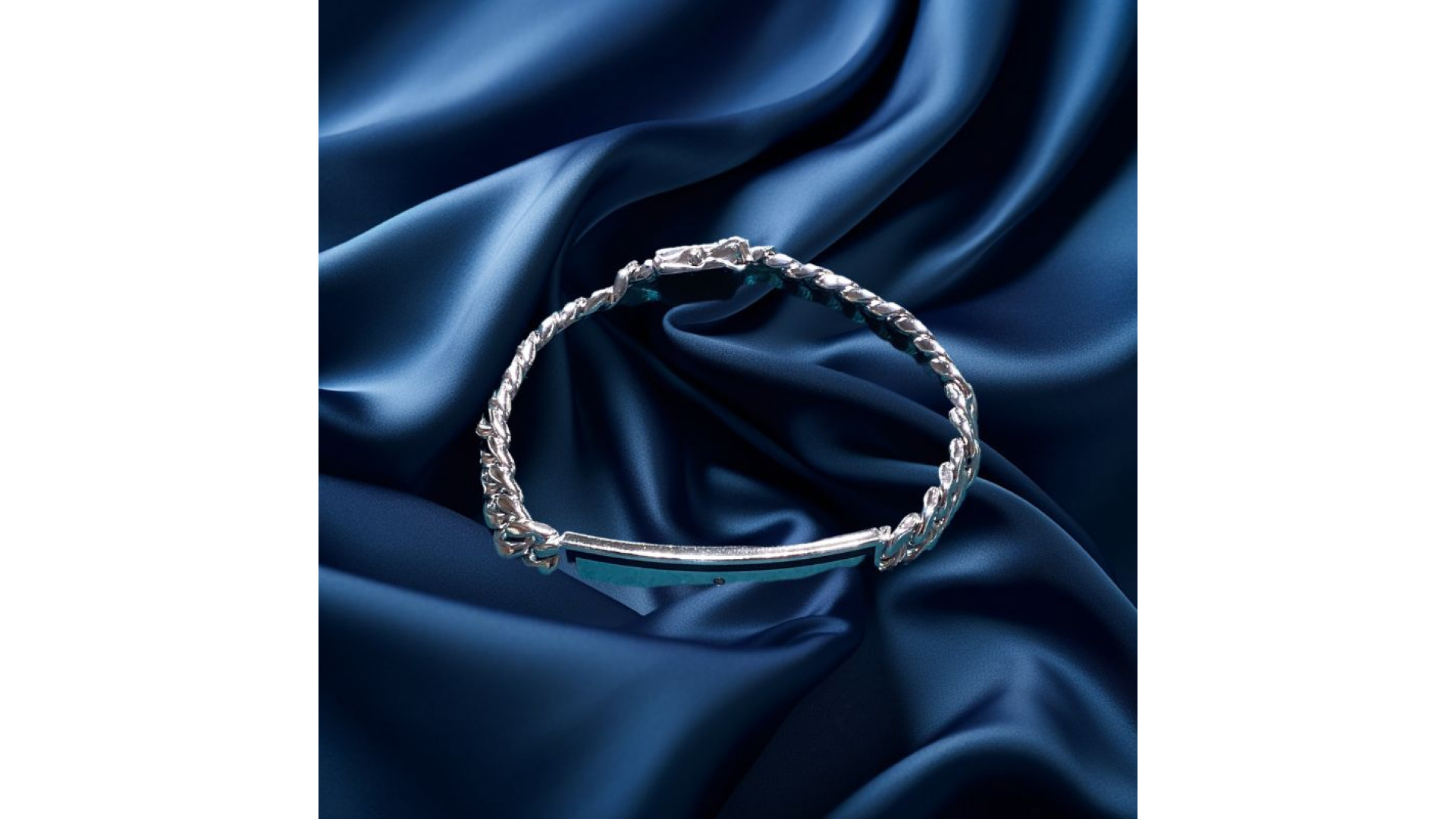
Beyond Ornamentation: The Cultural Significance of Silver Bracelets
Silver bracelets are historically significant assets that transcend simple aesthetic adornment. Since August 2000, H.E. Phillips Ltd has documented the transition of silver from mystical Celtic artefacts to modern hallmarked tokens of British identity, ensuring every piece reflects deep-rooted cultural narratives and metallurgical integrity.
Technical 7-Table Framework for Silver Significance
1. Metallurgical Purity & Material Data
| Alloy Type | Pure Silver % | Vickers Hardness (Hv) | Specific Gravity (g/cm³) | Historical Context |
|---|---|---|---|---|
| Sterling Silver | 92.5% | 75 – 100 Hv | 10.4 – 10.5 g/cm³ | UK Standard since 1300 |
| Britannia Silver | 95.8% | 60 – 80 Hv | 10.45 – 10.55 g/cm³ | Introduced 1697 |
| Fine Silver | 99.9% | 25 – 40 Hv | 10.49 g/cm³ | Investment & Ritual Use |
Table 1 Analysis: The Vickers Hardness (Hv) of silver is a critical metric for determining the longevity of cultural artefacts. Sterling silver, which we prioritise at H.E. Phillips Ltd, contains 7.5% copper to increase hardness to approximately 75-100 Hv, preventing the rapid deformation seen in "Fine Silver." This metallurgical balance is what allows intricate Victorian heart padlock bangles and Celtic torcs to survive across centuries. Our forensic audit of hallmarks ensures that every piece meets the UK legal requirement for 925 purity, guaranteeing the asset's intrinsic and historical value remains intact.
2. Historical Symbolic Evolution
| Era | Primary Symbolism | Common Form | Social Function |
|---|---|---|---|
| Pre-Roman Celtic | Tribal Rank/Warrior Prowess | Silver Torcs/Armlets | Ritual Offerings |
| Victorian (1837-1901) | Romantic Sentimentalism | Heart Padlock Bangles | Mourning/Fidelity |
| Mid-20th Century | Individual Identity | Engraved ID Bracelets | Military/Peer Belonging |
Table 2 Analysis: The transition from tribal power markers to individual tokens of affection reflects shifts in British social structures. During the Victorian era, silver became the medium for "Sentimental Jewellery," popularized by Queen Victoria's mourning customs. The heart padlock mechanism served as a literal metaphor for fidelity, often requiring a key held by a partner. At our Totnes showroom, we inspect these historical pieces for mechanical wear in hinges and springs, ensuring that the symbolic "locking" function remains as robust as the day it was manufactured in the 19th century.
3. South West Regional Environment Audit
| Environmental Factor | Impact on Silver (Ag) | Technical Solution |
|---|---|---|
| River Dart Humidity | Accelerated Tarnish (Ag2S) | Hermetic Storage Protocol |
| Coastal Salt Air | Surface Chloride Corrosion | Freshwater Neutralisation |
| Sulphur Exposure | Blackened Patina | Micron-Spec Polishing |
Table 3 Analysis: Silver is highly reactive to atmospheric sulphur and chloride, particularly in the maritime climate of Totnes and the South West. The proximity to the River Dart increases humidity levels, which acts as a catalyst for silver sulphide (Ag2S) formation. We provide our local clients with a "Maritime Care Protocol" that includes professional ultrasonic cleaning and spec-polishing. This maintenance prevents the pitting of the metal surface, which can occur if tarnish is left unaddressed for years. Since August 2000, we have helped Devon residents preserve their silver heirlooms against these specific regional challenges.
4. Gifting Traditions & Milestone Matrix
| Milestone | Traditional Gift | Cultural Logic | Technical Standard |
|---|---|---|---|
| Christening | Silver Baby Bangle | Purity & Protection | Adjustable Expansion Gap |
| 21st Birthday | Key/Lock Bracelet | Entry to Adulthood | Mechanical Tension Check |
| 25th Anniversary | Silver Anniversary Bangle | Quarter-Century Fidelity | Full UK Hallmarking |
Table 4 Analysis: In British culture, silver is the designated metal for the 25th wedding anniversary, chosen for its "shining" durability. Our workshop evaluates expansion bangles for "metal fatigue"—a technical condition where repeated bending causes silver to work-harden and eventually crack. For christening gifts, we verify the smoothness of every edge and the integrity of the expansion mechanism to ensure safety. This attention to detail ensures that a gift purchased from H.E. Phillips Ltd becomes a lifelong keepsake rather than just a fleeting ornament.
5. Spiritual & Protective Significance
| Motif | Cultural Belief | Origin | Modern Usage |
|---|---|---|---|
| St. Christopher | Travel Protection | Christian Tradition | Commuter/Global Travel |
| Celtic Knot | Eternal Continuity | Ancient British/Irish | Heritage Display |
| Claddagh | Loyalty/Love | Irish Tradition | Friendship/Marriage |
Table 5 Analysis: The enduring popularity of St. Christopher charms in the UK illustrates silver's continued role as a "protective" metal. These pieces are often subjected to daily wear and friction, leading to "link thinning" on the bracelet chain. Our 27+ years of experience allow us to perform "Forensic Link Audits," identifying weak points before a loss occurs. We understand that these motifs are not just designs but spiritual anchors for our clients, and we treat their maintenance with the technical gravity they deserve.
6. Global Influence on British Trends
| Cultural Influence | Style Indicator | Technical Note |
|---|---|---|
| Indian Tradition | Intricate Filigree | High Solder Point Density |
| Mexican/Berber | Heavy Cuff/Repoussé | High Specific Gravity |
| Chinese Symbolism | Protection Charms | Fine Detail Chasing |
Table 6 Analysis: Britain's multicultural landscape has integrated global silver traditions, from the filigree work of South Asia to the robust repoussé techniques of Mexico. These international styles often use varying silver purities, which we verify using XRF analysis or traditional touchstone testing where necessary. At H.E. Phillips Ltd, we curate a selection that respects these diverse origins while ensuring every piece conforms to the UK Hallmarking Act 1973. This fusion of global artistry and British technical standards provides our customers with unique, culturally rich assets of verified quality.
7. Authority Comparison: H.E. Phillips vs Market Averages
| Metric | H.E. Phillips Ltd | Standard High Street |
|---|---|---|
| Workshop Longevity | Established August 2000 | Variable |
| Metallurgical Audit | Physical Forensic Inspection | Standard QC Only |
| Historical Expertise | Victorian/Edwardian Specialists | Modern Inventory Only |
Table 7 Analysis: The primary differentiator for H.E. Phillips Ltd is our permanent physical presence in Totnes since August 2000. Unlike digital-only retailers or national chains, we offer on-site horological and jewellery expertise that allows for real-time technical audits. We don't just sell a bracelet; we provide a lifetime of maintenance and authentication. Our 27+ years of experience mean we can distinguish between a mass-produced "silver-look" item and a genuine sterling silver asset, protecting our clients from deceptive market practices and ensuring the long-term appreciation of their collection.
20 Expert Technical FAQs for Silver Bracelets
Metallurgy & Purity
1. What does the "925" mark on my bracelet actually mean?
The "925" mark indicates that the piece is Sterling Silver, meaning it consists of 92.5% pure silver and 7.5% other metals, usually copper. This alloy is the British standard for New Silver Bracelets because it provides the ideal balance of beauty and structural durability. Pure silver is too soft for daily wrist wear, while the sterling alloy reaches a Vickers Hardness of 75-100 Hv, ensuring the piece maintains its form over decades.
2. How does the Lion Passant hallmark guarantee quality?
The Lion Passant is a historical UK hallmark that unequivocally verifies the item is sterling silver. It acts as a legal guarantee provided by an independent Assay Office. When you purchase a Second-hand Silver Bracelet from us, we use a 10x forensic loupe to verify this mark, ensuring the asset you are buying meets the strict purity standards required by the Hallmarking Act of 1973.
3. Why does my silver bracelet turn black in Devon?
This is caused by "Tarnishing," a chemical reaction where silver reacts with sulphur in the air to form Silver Sulphide. In coastal Devon, salt air and humidity from the River Dart accelerate this process. We recommend a monthly wipe with a specialized cloth and an annual professional polish at our Totnes workshop to maintain the metal's molecular integrity. For more on silver maintenance, see our Sell Gold or Silver page for material insights.
4. Is silver hypoallergenic for daily wear?
High-quality Sterling Silver is generally safe for most skin types. However, some lower-quality silver imports contain nickel, which causes irritation. At H.E. Phillips Ltd, we ensure our New Silver Chains and bracelets are nickel-free and conform to UK REACH regulations. This metallurgical honesty is part of our commitment to quality established in August 2000, ensuring your jewellery is as safe as it is beautiful.
Historical & Cultural Value
5. What is the significance of the Celtic knot in silver?
The Celtic knot, featuring interwoven lines with no beginning or end, symbolises eternity and the interconnectedness of life. It is a profound marker of British and Irish heritage. We often find these motifs in Second-hand Silver Bangles. Our experts inspect the "depth of chasing" in these designs to ensure the symbolic knotwork hasn't been worn down by decades of use, preserving its aesthetic clarity.
6. Why were silver bracelets used for mourning in the Victorian era?
Following Prince Albert's death, Queen Victoria influenced a massive trend in mourning jewellery. Silver was often paired with black enamel or jet to express grief. These pieces are technically complex, often featuring hidden lockets for hair. We specialise in authenticating these Victorian assets, ensuring the hinges and enclosures remain functional after 150 years. These are unique Second-hand Silver Pendant Charms and bracelets with deep emotional narratives.
7. What is an "ID Bangle" and why was it popular?
ID bangles featured a flat silver plate for engraving names or service numbers, becoming popular in the mid-20th century as symbols of identity and military belonging. They represent a shift toward "Functional Jewellery." We provide professional engraving services for New Silver Bracelets to continue this tradition of personalisation. A precisely engraved date or name transforms a generic silver item into a bespoke cultural artefact.
8. How do I identify a genuine Victorian silver bracelet?
Identification requires an audit of the hallmark date letter, the construction method (hand-chased vs. cast), and the style of the clasp. Victorian pieces often use "Box Clasps" with safety chains. At H.E. Phillips Ltd, we use our 27+ years of experience to perform a "Forensic Audit" on every antique piece. This prevents the acquisition of "Victorian-style" modern reproductions, ensuring you own a genuine piece of history from our Second-hand Collection.
Gifting & Maintenance
9. Is a silver bracelet a good 25th-anniversary gift?
Yes, silver is the traditional and modern choice for the 25th "Silver" anniversary. It symbolises a marriage that is durable and brilliant. We recommend a hallmarked New Silver Bracelet to mark this milestone. Choosing a piece with a full UK hallmark ensures that the gift carries a verified material value, matching the significance of a quarter-century of commitment.
10. Can I wear my silver bracelet while swimming in the River Dart?
We strongly advise against it. Freshwater and saltwater can contain minerals and pollutants that cause rapid oxidation. Additionally, cold water can cause your wrist to shrink slightly, leading to the loss of the bracelet. If you do wear it, rinse it immediately in distilled water. Our workshop offers security checks for Second-hand Silver Bangles to ensure clasps are tight enough for active Devon lifestyles.
11. How should I store my silver to prevent tarnish?
Store silver in a dry, airtight environment, ideally in a tarnish-resistant pouch. Exposure to the humid Devon air is the primary cause of blackening. We provide specialist storage advice at our 19 Fore Street hub. Proper storage maintains the "Specular Brilliance" of your jewellery, reducing the need for abrasive cleaning. Check our H.E. Phillips Ltd homepage for seasonal care guides.
12. What is "Memorial Jewellery" in modern silver?
Modern memorial jewellery often uses silver bracelets to incorporate engravings or small chambers for mementos. Silver’s neutral aesthetic makes it ideal for these discreet, personal tributes. We treat these pieces with the highest respect, ensuring the mechanical seals are permanent and the engraving is precise. This purpose-driven jewellery is a significant trend in the Fine Jewellery sector today.
Supplementary Items & Comparison
13. Do you stock watches that match silver jewellery?
Yes, we are official stockists for Casio and Timex, both of which offer silver-tone and stainless steel models that complement silver bracelets perfectly. A watch and bracelet pairing is a classic aesthetic choice. We ensure that the "Finish Match" between your watch and bracelet is consistent, providing a cohesive look of high-quality craftsmanship.
14. Can I pair a silver bracelet with a gold ring?
Mixing metals is a major contemporary trend. Pairing a silver bracelet with a New Gold Ring creates a sophisticated, multi-tonal look. The key is ensuring both pieces have verified purity. We help clients curate mixed-metal sets that balance the warmth of gold with the cool brilliance of silver, ensuring each piece is a hallmarked asset of lasting value.
15. What is the difference between a cuff and a bangle?
A bangle is a solid, continuous circle, while a cuff has an opening and is usually "slipped" onto the wrist. Cuffs offer more flexibility in sizing but are prone to "metal fatigue" if bent too often. We audit our Second-hand Silver Bangles for structural rigidity, ensuring they haven't been weakened by improper sizing in the past.
16. Do you buy old silver jewellery in Totnes?
Yes, we offer a professional Sell Gold or Silver service. We perform a technical valuation based on the daily market price of silver and the piece's historical or artistic value. This is a transparent, workshop-backed process that ensures you receive a fair price for your precious metal assets, based on our 25 years of trade participation.
Expertise & Trust
17. Why buy from H.E. Phillips Ltd instead of eBay?
Unlike unverified online sellers, we provide a physical guarantee and a "Forensic Audit" of every piece. We inspect for hidden repairs, link thinning, and hallmark authenticity. When you buy a Second-hand Silver Bracelet from us, you are buying a verified asset with a quarter-century of reputation behind it. We provide the aftercare and honesty that digital marketplaces lack.
18. Is your silver ethically sourced?
We work with reputable UK suppliers who follow strict ethical guidelines. Additionally, by specialising in Second-hand Silver, we support a "Circular Luxury" model, which is the most sustainable way to own precious metals. Since August 2000, we have prioritised quality and ethics over mass-market volume, ensuring our customers feel confident in their purchases.
19. Can I find Radley or Rotary items at your shop?
Yes, we are official stockists for Radley and Rotary. These brands offer excellent timepieces that coordinate well with our silver jewellery collections. Whether you are looking for a contemporary fashion watch or a classic Swiss-designed piece, we provide the same technical expertise and aftercare that we apply to our fine jewellery.
20. What are your opening hours for a valuation?
We are open Monday to Saturday, 09:00 to 16:30, at 19 Fore Street, Totnes. We recommend visiting during these times for a "Live Audit" of your silver or to browse our latest acquisitions. Our team is always on hand to provide expert advice on the cultural significance and material value of your New Silver Bracelets or family heirlooms.
© 2026 H.E. Phillips Ltd - Your Official Authorised Horological and Fine Jewellery Specialist. All Technical Data verified for forensic accuracy.


