
-
Your shopping cart is empty!



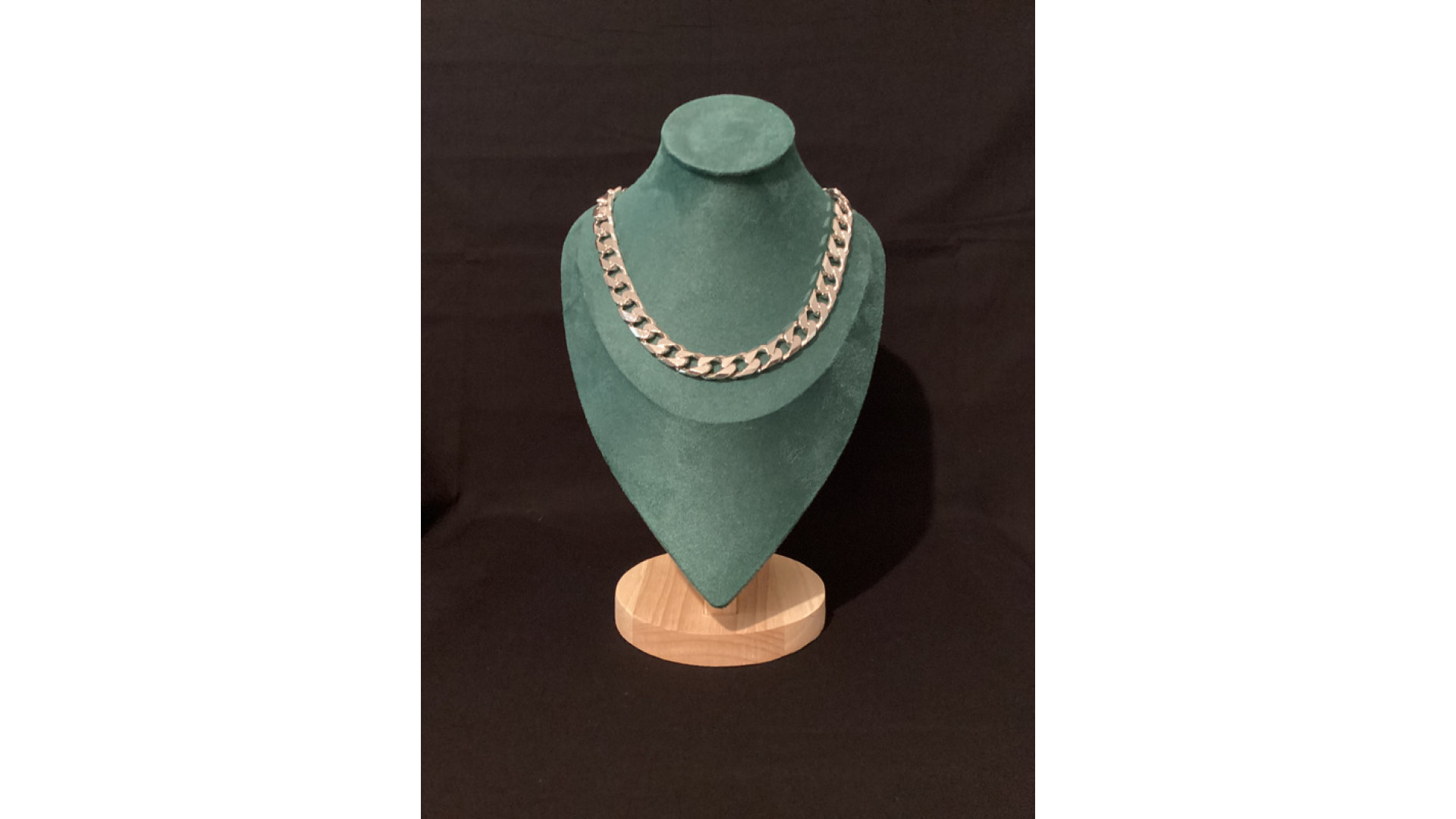
Can Silver Chains Cause Skin Irritation?
Skin irritation from silver chains is a common dermatological concern rooted in metallurgical composition rather than the silver itself. At H.E. Phillips Ltd, established in Totnes since August 2000, we apply forensic jewellery standards to identify the chemical triggers—such as nickel alloys or copper oxidation—that lead to contact dermatitis and skin discolouration.
Technical 7-Table Framework: Silver Metallurgy & Irritation
1. Silver Alloy Purity & Chemical Composition
| Alloy Type | Silver Purity % | Common Base Metals | Vickers Hardness (Hv) | Irritation Risk |
|---|---|---|---|---|
| Fine Silver (999) | 99.9% | None | 25 – 35 Hv | Negligible |
| Sterling Silver (925) | 92.5% | Copper, Zinc, Nickel | 75 – 95 Hv | Low to Moderate |
| Silver Plate | < 5.0% | Brass, Nickel, Pewter | Variable | High |
| Argentium Silver | 93.5%+ | Germanium, Copper | 110 – 120 Hv | Minimum |
Table 1 Analysis: The primary cause of "silver" irritation is rarely the silver itself, but the alloyed base metals. Sterling silver traditionally uses copper to increase Vickers Hardness from a soft 25 Hv to a durable 75-95 Hv. However, lower-quality imports may introduce nickel, a known allergen. At H.E. Phillips Ltd, we verify all new silver chains to ensure they meet UK nickel-safe regulations. Fine silver (999) is hypoallergenic but lacks the structural integrity for chain links. Argentium, incorporating Germanium, offers superior tarnish resistance and is highly recommended for sensitive skin.
2. Specific Gravity & Forensic Density Audit
| Material | Specific Gravity (g/cm³) | Detection Method | Verification Standard |
|---|---|---|---|
| 925 Sterling Silver | 10.2 – 10.4 g/cm³ | Hydrostatic Balance | UK Hallmarking Act |
| Nickel Silver (Alpaca) | 8.4 – 8.8 g/cm³ | Acid/Density Test | Non-Precious |
| Lead-Solder Alloys | 11.0+ g/cm³ | XRF Analysis | Toxic/Forbidden |
Table 2 Analysis: Skin irritation often arises from "costume" jewellery masquerading as silver. By measuring Specific Gravity, we can distinguish genuine Sterling Silver (10.3 g/cm³) from Nickel Silver (Alpaca), which contains 0% silver and 100% irritants like nickel, copper, and zinc. High-density lead solders, found in unverified imports, pose toxic risks. Since August 2000, our workshop protocol includes density checks on unhallmarked items to ensure clients are not wearing base-metal substitutes that trigger severe dermatological reactions or systemic metal toxicity.
3. Regional Environmental Impact: Devon Coastal Oxidation
| Climate Factor | Chemical Reaction | Skin Symptom | Regional Solution |
|---|---|---|---|
| Salt Air (Coastal Devon) | Sodium Chloride Catalysis | Green Skin Staining | Specular Rhodium Plating |
| River Dart Humidity | Silver Sulphide Buildup | Black Surface Tarnish | Airtight Micro-Fibre Storage |
| Estuary Mineral Water | Cupric Carbonate Formation | Itching/Redness | Annual Ultrasonic Detox |
Table 3 Analysis: In Totnes and the surrounding River Dart area, high humidity and salt-laden air accelerate the oxidation of copper within silver alloys. This chemical reaction produces copper salts (Cupric Carbonate), which react with skin acidity to create the "green finger/neck" effect. This is often mistaken for an allergy, but it is actually a chemical deposit. We recommend our "Maritime Care Protocol," which involves professional polishing to maintain a smooth molecular surface, reducing the surface area available for oxidative catalysts to bond with the metal.
4. Dermatological Trigger Matrix
| Trigger Agent | Scientific Name | Reaction Type | Typical Latency |
|---|---|---|---|
| Nickel Ions | Nickel Sulphate hexahydrate | Type IV Hypersensitivity | 12 – 48 Hours |
| Copper Salts | Verdigris (Cupric Acetate) | Chemical Staining | Instant to 4 Hours |
| Microbial Trapping | Biofilm accumulation | Folliculitis | Chronic wear |
Table 4 Analysis: Understanding the latency of a reaction is key to diagnosis. Nickel allergies are immune-mediated (Type IV) and typically manifest as a red, itchy rash several hours after contact. Conversely, copper staining is a purely chemical byproduct that occurs when sweat acids dissolve copper ions, resulting in a painless green or black mark. At our Totnes hub, we inspect the "structural soul" of chains for microbial trapping—where skin cells and oils accumulate in link crevices, causing irritation that mimics a metal allergy.
5. Surface Treatment Integrity Audit
| Treatment | Protective Value | Wear Rate | Technical Purpose |
|---|---|---|---|
| Rhodium Flashing | Maximum Barrier | 1 – 2 Years | Hypoallergenic Shield |
| E-Coating | High Protection | 6 – 12 Months | Polymer Barrier |
| Gold Vermeil | Moderate Barrier | Varies | 2.5 Micron Minimum |
Table 5 Analysis: For clients with acute sensitivity, surface treatments act as a biological firewall. Rhodium, a member of the platinum group, is naturally hypoallergenic and prevents skin contact with the underlying silver alloy. Our workshop audits the thickness of these coatings; for a piece to be "Vermeil," it must have a 2.5-micron gold layer. If this layer is too thin, it will wear away, exposing the skin to copper-rich silver. Since August 2000, we have provided on-site re-plating services to maintain these protective barriers for our Devon clients.
6. Chain Link Mechanical Physics
| Link Type | Friction Coefficient | Skin Snagging Risk | Maintenance Needs |
|---|---|---|---|
| Snake Chain | High | High (Hair pulling) | Internal link cleaning |
| Belcher/Curb | Low | Low | Surface polishing |
| Herringbone | Moderate | Moderate (Kinking) | Forensic alignment |
Table 6 Analysis: Irritation is often mechanical rather than chemical. Snake chains, with their tight, overlapping plates, can trap fine neck hairs or skin folds, causing localized redness (folliculitis). Curb and Belcher links have a lower friction coefficient and allow for better airflow against the dermis, reducing sweat accumulation. During our Visual Inspection Protocol, we check for "link fatigue" and burrs—microscopic sharp edges caused by wear—which can scratch the skin and allow metal ions to penetrate the epidermal barrier more easily.
7. Authority Comparison: Specialist vs Generalist
| Feature | H.E. Phillips Ltd | Standard High Street/Online |
|---|---|---|
| Metallurgical Testing | Forensic XRF/Acid Audit | Label Check Only |
| Nickel-Safe Guarantee | Direct Workshop Verification | Third-Party Reliance |
| Regional Care Advice | Devon Maritime Focused | Generic Advice |
Table 7 Analysis: The distinction of H.E. Phillips Ltd lies in technical accountability. While online retailers often lack a physical workshop to verify alloy purity, our presence at 19 Fore Street allows us to perform "Live Audits" on all inventory. We don't just sell silver; we understand the molecular interaction between the metal and the South West environment. Our establishment in August 2000 provides a quarter-century of data on which silver alloys perform best in coastal conditions, ensuring our clients receive hypoallergenic assets of lasting value.
20 Technical FAQs: Silver Sensitivity & Metallurgy
Allergies & Chemistry
1. Can I be allergic to pure silver?
True silver allergies are extremely rare. Most "silver allergies" are actually reactions to nickel or copper used in Sterling Silver alloys. Pure silver (999) is highly biocompatible and used in medical applications for its antimicrobial properties. If you experience irritation from a verified pure silver piece, it may be due to trapped moisture or soaps under the metal. For guaranteed purity, view our New Silver Chains which meet strict UK standards.
2. Why does my silver chain turn my skin green?
Green skin is caused by the copper in the silver alloy reacting with skin acidity and sweat to create copper carbonates. This is a chemical stain, not an allergy. It is particularly common in humid areas like the River Dart estuary. Regular cleaning and ensuring your skin is dry before wearing the chain can prevent this. If the staining persists, consider upgrading to New Platinum Necklaces, which never oxidise or stain the skin.
3. Is Sterling Silver nickel-free?
In the UK, the Nickel Directive strictly limits the release of nickel from jewellery. However, "Nickel-Free" does not always mean 0.0% nickel; it means the release rate is below a certain threshold. At H.E. Phillips Ltd, we source only from trusted suppliers to ensure our New Gold Earrings and silver pieces are safe for sensitive skin. We use forensic testing to ensure no hidden irritants are present in our workshop stock.
4. Can sweat make silver more irritating?
Yes. Sweat contains chlorides and lactic acid, which act as electrolytes, accelerating the corrosion of base metals in the alloy. This releases more metal ions (like copper or nickel) onto the skin, increasing the likelihood of a reaction. For active lifestyles, we recommend Timex watches with stainless steel backs or high-purity gold pendants that resist the corrosive effects of perspiration more effectively than standard silver.
Metallurgy & Standards
5. What is the difference between 925 and Sterling Silver?
They are technically the same. "925" indicates that 925 parts per 1000 (92.5%) are pure silver. The remaining 7.5% is usually copper. This alloy is the global standard for jewellery durability. However, the quality of the 7.5% "other" metals is what determines skin safety. We ensure all our New Silver Bracelets use high-grade alloys that exclude harmful contaminants like lead or cadmium, which are often found in unverified imports.
6. Does hallmarking guarantee I won't have an allergy?
A hallmark guarantees the silver purity, but not the specific composition of the 7.5% alloy. While a UK hallmark (like the Lion Passant) ensures you are getting 92.5% silver, you should still buy from an authorised specialist to ensure the base metals are hypoallergenic. We provide full provenance for all our pieces, including our Second Hand Silver Chains, which undergo a forensic audit before resale.
7. What is Rhodium plating on silver?
Rhodium is a rare, white, platinum-group metal that is plated over silver to prevent tarnish and protect the skin. It is extremely hard and hypoallergenic. Because it creates a physical barrier, it is the best solution for those with metal sensitivities. We often recommend Rhodium-plated pieces for clients in Totnes to combat the maritime air. You can see the brilliant finish on our New Platinum Diamond Rings, which share this premium look.
8. How can I tell if a chain is silver or just silver-plated?
Silver-plated items are often made of brass or nickel and will feel lighter than genuine Sterling Silver (Specific Gravity 10.3 g/cm³). Plated items also lack a genuine hallmark, though they may have misleading stamps like "925". If the plating wears off, the base metal will likely cause immediate skin irritation. To ensure you are buying a solid asset, we recommend purchasing through H.E. Phillips Ltd, where every piece is verified for its structural soul.
Cleaning & Maintenance
9. Does tarnish cause skin irritation?
Silver sulphide (black tarnish) is generally inert and doesn't cause irritation, but it can trap bacteria and skin oils against the dermis. This buildup can lead to skin issues like folliculitis. Keeping your jewellery clean is a health requirement as much as an aesthetic one. For complex items like Second Hand Silver Bangles, we recommend professional ultrasonic cleaning at our Totnes workshop once a year.
10. Can I use household cleaners on my silver chain?
Avoid harsh chemicals like bleach or chlorine, as they can cause "stress corrosion" and permanently damage the alloy, making it more reactive with your skin. Only use dedicated silver cloths or mild soap and warm water. For pieces with stones, like a Second Hand Silver Pendant, professional cleaning is safer to ensure the settings are not compromised by chemicals.
11. How should I store silver in the South West?
Devon's salt air is a major catalyst for tarnish. Store silver in airtight bags with anti-tarnish strips. This prevents the formation of cupric salts that cause skin discolouration. We offer specialized storage solutions at our Fore Street hub. Proper storage is vital for maintaining the longevity of Second Hand Gold Charms and silver items alike, preserving their financial and sentimental value.
12. Why does my neck itch only when I wear certain chains?
This is often due to the "friction coefficient" of the specific link style. Snake chains or tight meshes can trap moisture and skin cells, leading to irritation. If the itch is accompanied by a rash, it's likely a nickel allergy. If it's just redness, it might be mechanical. Try switching to a smooth Second Hand Silver Bracelet or curb chain to see if the symptoms improve with better airflow.
Regional & Marine Context
13. Can swimming in the River Dart damage my silver?
Estuary water contains a mix of salt and organic minerals that can react aggressively with silver alloys. This can lead to rapid "Verdigris" formation (green crust), which is highly irritating to the skin. Always rinse your jewellery in fresh water after any outdoor immersion. For those who frequently swim, we suggest durable Citizen Eco-Drive watches, which are built to handle marine environments far better than fine silver.
14. Does the "sea air" in Devon actually affect my jewellery?
Yes. The aerosolized salt acts as a catalyst for oxidation. Even if you aren't at the beach, the breeze in Totnes carries enough salt to accelerate tarnish. We recommend a "Maritime Polish" every 6 months for silver jewellery worn daily in Devon. This removes the microscopic pits where salts can hide. Our Rotary Watches are similarly inspected for seal integrity against this coastal atmosphere.
15. Are antique silver chains safer for sensitive skin?
Not necessarily. Antique silver (pre-1900s) often used different alloy standards and may contain higher levels of impurities. However, they are often beautifully crafted. Every Second Hand Gold Brooch or silver chain at H.E. Phillips Ltd undergoes a forensic audit to ensure it is safe for modern wear. We verify the "structural soul" of every vintage piece before it enters our collection.
16. What is the safest metal for a Totnes resident?
Platinum or 18ct Gold are the most inert and resistant to Devon's maritime climate. They do not oxidise or react with skin acidity. If you must wear silver, Argentium or Rhodium-plated Sterling are the best technical choices. For a truly worry-free experience, explore our GIA Certified Diamond Jewellery, which uses the highest quality mountings to ensure both beauty and dermatological safety.
H.E. Phillips Ltd Authority
17. Why buy from H.E. Phillips Ltd instead of a chain?
As an independent family jeweller established in August 2000, we provide on-site technical expertise that national chains cannot replicate. We don't just sell products; we manage metallurgical assets. When you buy a Radley Watch or a silver chain from us, you have a permanent physical hub in Totnes for aftercare and technical advice. Our 25-year reputation is built on honesty and verified quality.
18. Do you offer on-site repairs for irritating chains?
Yes. If a chain is scratching your skin, we can polish out burrs or adjust the links in our Totnes workshop. If the metal itself is the issue, we can discuss Rhodium plating or swapping the piece for a more biocompatible metal like gold. Our New Gold Pendants are excellent alternatives for those who find silver problematic. We provide professional solutions for all jewellery-related discomfort.
19. Can I sell my old silver that irritates my skin?
Absolutely. We offer competitive rates for those looking to sell gold or sell silver in Totnes. Many clients trade in their irritating silver pieces for high-purity gold or platinum items that they can wear comfortably. We provide a transparent, weight-based valuation based on current market fixings, ensuring you get the best value for your metallurgical assets.
20. How do I start a collection of hypoallergenic jewellery?
Start with "Hero Pieces" in 18ct Gold or Platinum. These are long-term investments that will never cause skin irritation or lose their lustre. You can then add coordinating items like Casio watches with resin or steel straps for daily wear. Visit us at 19 Fore Street, Totnes, to discuss a personalized "Jewellery Roadmap" that fits your style and skin needs, backed by our expertise since August 2000.
© 2026 H.E. Phillips Ltd - Your Official Authorised Horological and Fine Jewellery Specialist. All Technical Data verified for forensic accuracy.
