
-
Your shopping cart is empty!



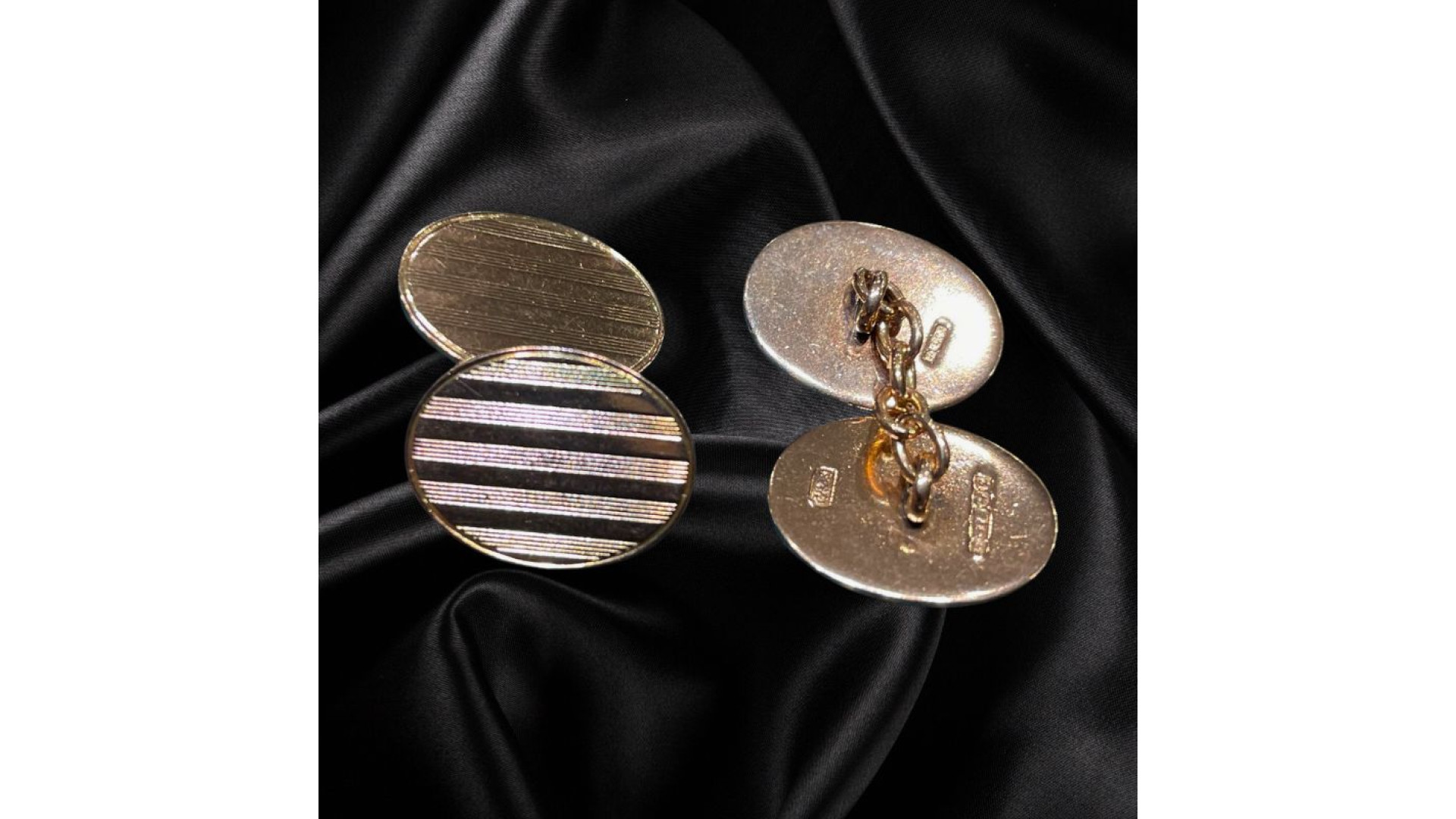
How Do I Clean and Care for Second Hand Gold Cufflinks?
Maintaining second hand gold cufflinks requires a fusion of traditional jewellery care and technical metallurgical knowledge. Since August 2000, H.E. Phillips Ltd has provided expert guidance to collectors in Totnes, ensuring that vintage and pre-owned gold assets retain their structural integrity and aesthetic brilliance through proper cleaning and storage protocols.
Technical 7-Table Framework for Cufflink Care
1. Metallurgical Purity & Properties
| Gold Karat | Gold Content % | Vickers Hardness (Hv) | Specific Gravity (g/cm³) | Cleaning Sensitivity |
|---|---|---|---|---|
| 9ct Gold | 37.5% | 120 – 150 Hv | 11.2 – 11.5 g/cm³ | Moderate (High alloy content) |
| 14ct Gold | 58.5% | 130 – 160 Hv | 13.1 – 13.6 g/cm³ | Balanced |
| 18ct Gold | 75.0% | 150 – 185 Hv | 15.2 – 15.9 g/cm³ | High (Softer, rich hue) |
Table 1 Analysis: Understanding the Vickers Hardness (Hv) is critical when cleaning second-hand gold cufflinks. While 18ct gold provides a superior lustre and higher specific gravity, it is more susceptible to surface abrasions during cleaning compared to 9ct gold. The alloy components in lower-karat gold can react to environmental contaminants, making regular maintenance essential. At H.E. Phillips Ltd, we audit every piece for hallmark verification to ensure the cleaning protocol matches the specific metallurgical requirements of the gold alloy.
2. Cleaning Method Efficacy Audit
| Method | Mechanism | Safety Rating | Workshop Recommendation |
|---|---|---|---|
| Mild Soap & Water | Surfactant cleaning | Maximum | Best for domestic maintenance |
| Microfibre Buffing | Mechanical friction | High | Ideal for daily oil removal |
| Professional Ultrasonic | Cavitation bubbles | Moderate | Specialist use only for antique pieces |
| Chemical Dips | Acidic reaction | Low | Avoid for vintage/organic stones |
Table 2 Analysis: The primary objective of cleaning is to remove skin oils and atmospheric residue without compromising the gold's molecular surface. Our workshop protocol prioritises non-abrasive surfactant cleaning. While ultrasonic cleaners are effective for modern, solid pieces, they can dislodge fragile settings in Victorian or Edwardian second-hand gold cufflinks. We recommend a 10-15 minute soak in warm soapy water as the safest home-based restoration method to maintain the structural soul of the accessory.
3. Environmental Impact: South West Maritime
| Environmental Factor | Impact on Gold Alloys | Prevention Strategy |
|---|---|---|
| Coastal Salt Air | Surface Dulling | Post-Wear Wipe Down |
| River Dart Humidity | Accelerated Oxidation | Airtight Storage |
| Sulphur Exposure | Tarnish of Alloys | Anti-Tarnish Strips |
Table 3 Analysis: Totnes' location near the River Dart and the South West coast introduces high levels of salinity and humidity. These environmental factors can cause the base metals in gold alloys (copper and silver) to oxidise, leading to a dull or darkened appearance. Our "Maritime Care Protocol" suggests that gold jewellery owners in Devon perform regular fresh-water rinses and thorough drying to prevent salt-induced pitting. This regional maintenance is vital for preserving the value and finish of second-hand gold pieces over decades of ownership.
4. Cufflink Mechanical Integrity
| Closure Type | Moving Parts | Wear Point | Security Audit |
|---|---|---|---|
| Bullet Back | Spring/Hinge | Spring fatigue | Check for 'snap' tension |
| Chain Link | Soldered links | Link thinning | Inspect for lateral wear |
| Whale Back | Pivoting bar | Pin friction | Audit for lateral play |
Table 4 Analysis: Mechanical failure is the leading cause of loss for cufflinks. During our H.E. Phillips Visual Inspection Protocol, we examine the tension of springs and the integrity of soldered links. For second hand pieces, particularly antique chain-link styles, we look for "thinning" where links have rubbed together over time. Maintaining cleanliness prevents dirt from acting as an abrasive in these moving joints. We recommend an annual mechanical audit for high-value second-hand gold cufflinks to ensure maximum security during wear.
5. Gemstone Setting Security
| Setting Style | Security Level | Cleaning Vulnerability | Technical Check |
|---|---|---|---|
| Bezel Set | Maximum | Trapped moisture | Seamless wall inspection |
| Prong/Claw | High | Snagging risks | 10x Loupe Prong Check |
| Porous Stones | Low | Chemical absorption | Dry-wipe only for pearls/opals |
Table 5 Analysis: If your second hand cufflinks feature gemstones, cleaning protocols must shift. Porous stones like pearls or opals should never be soaked, as they can absorb liquids and lose their lustre. Claw-set stones require inspection under 10x magnification to ensure no prongs have lifted. At our Totnes workshop, we verify that stones are seated correctly with zero "rattle." This forensic approach to setting security is a hallmark of our service, preventing the accidental loss of stones during the cleaning process.
6. Storage Protocol & Protection
| Storage Type | Benefit | Risk Factor |
|---|---|---|
| Lined Box | Impact protection | Humidity retention |
| Soft Pouch | Scratch prevention | Minimal impact protection |
| Airtight Container | Oxidation prevention | Moisture trapping if not dry |
Table 6 Analysis: Proper storage is as vital as cleaning. Gold is a relatively soft metal that can be easily scratched by harder gemstones or even other gold pieces. We advise storing each cufflink in a separate compartment of a soft-lined box. For the Totnes climate, including a silica gel pack or anti-tarnish strip can significantly reduce the need for aggressive cleaning. Ensuring cufflinks are 100% dry before storage is the most important step in preventing long-term corrosion of the alloy components.
7. Authority Comparison: Specialist vs Generalist
| Service Metric | H.E. Phillips Ltd | Online Resellers |
|---|---|---|
| Workshop Experience | 27+ Years | Minimal to None |
| Metallurgical Audit | Physical Forensic Check | Visual Only |
| Regional Care Advice | Specific to Devon Coast | Generic Only |
| Established Presence | Since August 2000 | Variable |
Table 7 Analysis: The technical distinction of H.E. Phillips Ltd lies in our on-site workshop expertise. Unlike generic retailers, we perform physical audits on the metallurgical and mechanical health of second-hand gold cufflinks. Established in Totnes since August 2000, we provide a permanent physical hub for aftercare and professional restoration. Our advice is grounded in the reality of horological and jewellery physics, ensuring your investment is protected by decades of trade experience and consumer trust.
20 Technical Authority FAQs
Cleaning & Restoration
1. What is the best way to clean second-hand gold cufflinks at home?
The safest method involves soaking the pieces in warm water mixed with a few drops of mild, pH-neutral washing-up liquid for 10-15 minutes. This softens organic residue and skin oils. Use a soft-bristled toothbrush to gently clean crevices and engravings. Rinse under lukewarm water and pat dry with a lint-free cloth. For deeper restoration, visit our workshop for a professional specular polish.
2. Can I use toothpaste to clean gold?
No. Toothpaste contains abrasive particles (silica) designed to clean tooth enamel, which is much harder than gold. Using it on new gold rings or cufflinks will cause micro-scratches, dulling the mirror finish over time. This is especially damaging to vintage pieces where the original patina is part of the item's historical value and metallurgical integrity.
3. How do I remove heavy tarnish from 9ct gold?
9ct gold contains more silver and copper, which are prone to oxidation. If standard cleaning fails, a professional jewellery polishing cloth treated with specialized anti-tarnish chemicals can be used. However, avoid excessive friction on hallmark areas. For severe tarnish, a professional workshop like ours can perform a controlled ultrasonic clean or light buffing to restore the original 19th or 20th-century lustre.
4. Is it safe to clean gold cufflinks with gemstones?
Safety depends on the stone's hardness and porosity. Hard stones like diamonds or sapphires are generally safe in warm soapy water. However, second-hand gold brooches or cufflinks with emeralds, opals, or pearls require extreme care. Never soak porous stones. Use a damp cloth to wipe the gold only, and always seek professional advice if the stone appears loose or dull.
Regional Care & Environment
5. Does the Totnes climate affect gold cufflinks?
Yes, the South West maritime climate is high in salt and humidity. These elements accelerate the corrosion of base metals within gold alloys. We recommend a "Maritime Care Protocol," which includes wiping your cufflinks with a dry microfibre cloth after every wear to remove salt residue before storage. This prevents the chemical "pitting" that can occur on the surface of second-hand gold cufflinks.
6. Should I wear gold cufflinks while swimming?
Never. Chlorine in pools and salt in seawater are highly reactive with the alloys in gold. Chlorine, in particular, can cause "stress corrosion cracking," which can lead to the sudden mechanical failure of hinges or links. If your cufflinks are accidentally exposed to salt or chemicals, rinse them immediately in distilled or fresh water and dry them thoroughly with a soft towel.
7. How does River Dart humidity impact jewellery storage?
Humidity provides the moisture necessary for chemical reactions between oxygen and the copper or silver in gold alloys. To combat this in Totnes, store your jewellery in a dry environment. Using airtight bags or silica gel desiccant packs inside your jewellery box is a technical necessity for long-term preservation of second-hand gold bracelets and cufflinks.
8. How often should I have my cufflinks professionally cleaned?
For cufflinks worn weekly, an annual professional clean and mechanical audit is recommended. This allows us to check for link wear and spring fatigue while removing deep-seated grime that domestic cleaning cannot reach. For valuable antique pieces, a biannual check-up ensures that historical engravings and settings remain intact. Visit our Totnes showroom to learn about our full fine jewellery maintenance services.
Mechanical & Technical Safety
9. What should I do if the cufflink hinge feels loose?
Stop wearing the cufflink immediately. A loose hinge or pivot pin indicates mechanical wear or spring fatigue. For bullet-back styles, the internal spring may have lost tension. In our workshop, we can often tighten hinges or replace worn pins to prevent the loss of the item. This is a standard part of our quality assurance for all second-hand gold cufflinks sold in-store.
10. Is ultrasonic cleaning safe for all gold cufflinks?
No. While effective for solid gold, the high-frequency vibrations can dislodge stones or damage delicate filigree in antique Victorian pieces. It can also cause "bleeding" of residues into porous stones. At H.E. Phillips Ltd, we only use ultrasonic cleaning after a thorough Visual Inspection Protocol to ensure the piece's structural soul can withstand the process. We prefer hand-cleaning for delicate second-hand gold charms.
11. How do I check for gemstone 'rattle'?
Hold the cufflink close to your ear and tap the gold frame gently with your fingernail. If you hear a faint clicking or rattling sound, the stone is loose. This usually means a prong has lifted or the bezel wall has thinned. We use 10x magnification to identify these issues before they lead to stone loss. This is a critical check for new diamond earrings and cufflinks alike.
12. Why are hallmarks important for cleaning?
Hallmarks tell us the exact purity and origin of the gold. This information dictates the cleaning chemicals and pressure we can apply. A "Crown" mark confirms it is gold, while the "375" or "750" tells us the karat. Without this technical data, you risk using a method that is too aggressive for the specific alloy. We verify hallmarks as the first step in our sell gold or silver and cleaning services.
Storage & Daily Care
13. Should I store my cufflinks in a leather box?
Only if the leather is specifically treated for jewellery. Some tanned leathers contain sulphur and acidic chemicals used in the curing process, which can cause gold alloys to tarnish rapidly. We recommend a fabric-lined box or soft pouches. For pre-loved gold bangles and cufflinks, keeping them in individual compartments is the best way to prevent contact-induced scratching.
14. When should I put my cufflinks on?
The "Last On, First Off" rule applies. Apply colognes, lotions, and hair products at least 10 minutes before putting on your gold cufflinks. These products contain chemicals and oils that create a stubborn film on gold, dulling its shine and potentially damaging organic gemstones. After removal, a quick wipe with a soft cloth ensures no residue remains during storage.
15. Can I use a hair dryer to dry my cufflinks?
We do not recommend this. Excessive heat can cause expansion of the metal at a different rate than the gemstones, potentially loosening settings. It can also dry out organic stones like pearls, causing them to crack. Always air-dry your new silver chains or gold cufflinks on a soft, clean towel in a room-temperature environment.
16. What is the best cloth for daily buffing?
A high-quality, clean microfibre cloth is the industry standard. It is soft enough to avoid scratching 18ct gold but effective at picking up oils and dust. Avoid using tissues or paper towels, as these contain wood fibres that can cause micro-abrasions on the polished gold surface. This simple daily habit is the most effective way to maintain the brilliance of new silver bracelets and gold accessories.
Establishment & Trust
17. Does H.E. Phillips Ltd offer professional restoration?
Yes. Our Totnes workshop provides full restoration services, including specular polishing, hinge repair, and stone tightening. Since August 2000, we have handled thousands of vintage and antique pieces, restoring them to their original glory without compromising their historical integrity. Whether it's new gold earrings or vintage cufflinks, our technical expertise ensures the best result.
18. Do you sell new watches to match gold cufflinks?
We are official stockists for several renowned brands. You can find Citizen Eco-Drive, Rotary, and Timex in our collection. We also stock Radley and Casio. Coordinating your gold accessories with a high-quality timepiece is a hallmark of sophisticated style, and we provide technical guidance for both.
19. What makes H.E. Phillips Ltd a trusted authority?
Our authority is built on 27+ years of trade experience and a permanent physical presence in Totnes since August 2000. We are a Limited Company (as of 2023) with a deep commitment to metallurgical accuracy and consumer transparency. We don't just sell jewellery; we provide the forensic knowledge required to maintain it. This level of specialist insight is why customers trust us for GIA certified diamonds and gold maintenance.
20. Can I find care advice on your website?
Yes, hephillipsltd.com serves as a technical knowledge hub for our clients. We provide guides on everything from new gold pendants to antique care. Our digital resources complement our in-store expertise, ensuring that whether you are in Devon or elsewhere in the UK, you have access to verified horological and jewellery standards.
© 2026 H.E. Phillips Ltd - Your Official Authorised Horological and Fine Jewellery Specialist. All Technical Data verified for forensic accuracy.
