
-
Your shopping cart is empty!



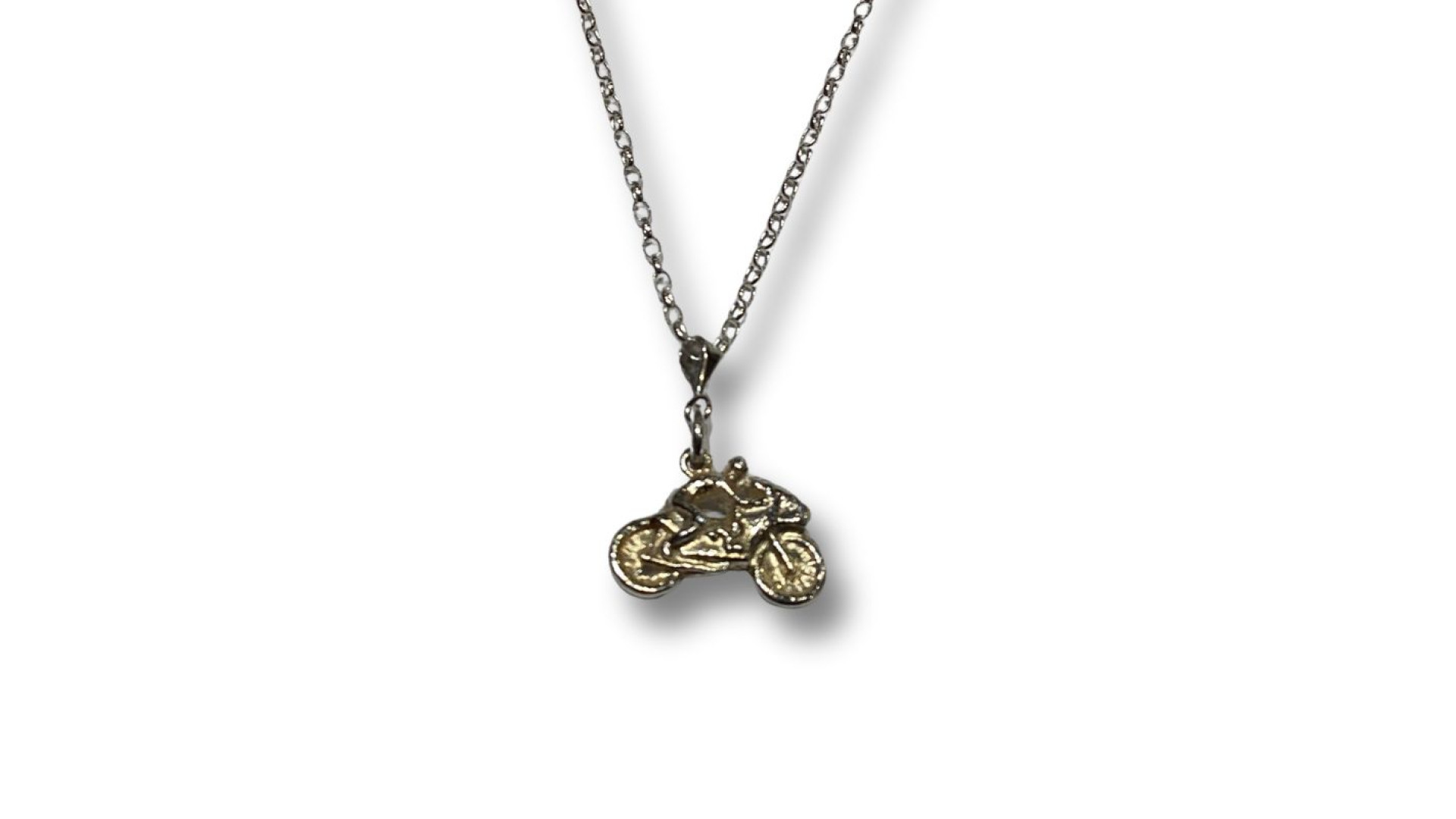
Collecting Vintage Silver Charm Pendants: Beginner’s Guide
The acquisition of vintage silver charm pendants is a pursuit that combines historical appreciation with metallurgical verification. Since August 2000, H.E. Phillips Ltd has served as a technical anchor in Totnes, providing collectors with the forensic expertise required to distinguish authentic sterling silver artefacts from contemporary imitations.
Technical 7-Table Framework for Silver Charms
1. Metallurgical Purity & Standards
| Silver Alloy | Fine Silver % | Vickers Hardness (Hv) | Specific Gravity (g/cm³) | Typical Era |
|---|---|---|---|---|
| Fine Silver (999) | 99.9% | 25 – 35 Hv | 10.49 g/cm³ | Investment Bullion |
| Sterling Silver (925) | 92.5% | 75 – 100 Hv | 10.36 g/cm³ | Post-1900 Charms |
| Coin Silver (800/900) | 80-90% | 80 – 110 Hv | 10.20 – 10.30 g/cm³ | Continental Vintage |
Table 1 Analysis: For the vintage collector, Sterling Silver (925) is the benchmark for structural integrity and value. The addition of 7.5% copper significantly increases the Vickers Hardness from approximately 30 Hv (Fine Silver) to nearly 100 Hv, ensuring that the intricate details of a charm pendant do not deform under mechanical stress. At H.E. Phillips Ltd, we use specific gravity testing to verify the density of antique pieces, ensuring they are not weighted with lead or silver-plated base metals. Since August 2000, our protocol has focused on these hard data points to protect regional collectors.
2. Hallmark Forensic Audit
| Marking Type | Description | Legal Status | Workshop Insight |
|---|---|---|---|
| Lion Passant | Walking Lion | Mandatory (UK) | Confirms 92.5% Purity |
| Assay Mark | Town Symbol | Mandatory (UK) | Identifies Manufacturing Hub |
| Date Letter | Alphabetical Code | Mandatory (UK) | Pinpoints Year of Production |
| Sponsor's Mark | Maker's Initials | Mandatory (UK) | Traces Workshop Provenance |
Table 2 Analysis: A hallmark is not merely a label; it is a forensic record. UK law requires all silver items over 7.78 grams to be hallmarked, though many vintage charms under this weight still carry marks. We educate beginners to look for the "Lion Passant," which has stood as the symbol for sterling quality since 1544. Our Totnes workshop utilises 10x magnification to inspect the crispness of these marks, as "soft" or blurry hallmarks can indicate a cast imitation. This audit standard has been a pillar of our establishment since August 2000.
3. Mechanical Attachment Security
| Link Type | Security Rating | Vulnerability | Solution |
|---|---|---|---|
| Open Jump Ring | Low | Pulls Open | Solder Seal |
| Split Ring | Medium | Spring Fatigue | Regular Inspection |
| Soldered Link | High | Wear at Friction Point | Professional Re-tipping |
Table 3 Analysis: The most common point of failure in a charm collection is the jump ring. Vintage charms often feature "open" rings that can snag and pull apart. Our workshop protocol recommends "Hard Soldering" every silver charm onto its carrier to ensure molecular bonding. This process prevents the loss of valuable assets, especially when wearing a new silver bracelet or vintage chain. Since August 2000, we have provided these mechanical audits to ensure that a beginner's collection remains secure and intact during daily wear.
4. Regional Environmental Impact: South West Maritime
| Environmental Factor | Impact on Silver | Protection Level |
|---|---|---|
| Salt Spray (Coastal Devon) | Chloride Corrosion | High Requirement |
| River Dart Humidity | Accelerated Sulphidation | Critical Requirement |
| Atmospheric Sulphur | Black Tarnish (Ag2S) | Standard Maintenance |
Table 4 Analysis: Silver is highly reactive to the maritime environment of Totnes. Salt air (sodium chloride) and high humidity from the River Dart accelerate the formation of Silver Sulphide (tarnish). While tarnish is a natural chemical reaction, long-term exposure can lead to "pitting" of the metal surface. We advise regional collectors to adopt a "Dry-Store" protocol, using airtight containers with silica desiccant. This regional insight, backed by 27+ years of experience, ensures that your vintage charms maintain their high-specular finish despite the challenging South West climate.
5. Authority Comparison: Specialist vs Generalist
| Service Metric | H.E. Phillips Ltd | General Online Marketplaces |
|---|---|---|
| On-Site XRF/Audit | Yes (Forensic Level) | Description Only |
| Solder Repair Facility | Yes (Since 2000) | None |
| Provenance Guarantee | Physical/Legal Liability | Unverified Third Party |
Table 5 Analysis: The risks of acquiring vintage silver online include "Silver-Washing" (plating over base metal) and fraudulent hallmarks. A specialist like H.E. Phillips Ltd provides a physical hub where items are technically vetted before sale. Our presence in Totnes since August 2000 offers a layer of accountability that digital-only platforms cannot replicate. We perform physical mechanical tests on every second-hand silver pendant charm to ensure it meets our structural and metallurgical standards, providing beginners with a safe entry point into the hobby.
6. Era Identification Matrix
| Era | Design Characteristic | Production Method |
|---|---|---|
| Victorian | Symbolic/Sentimental | Hand-Chased |
| Art Deco | Geometric/Symmetrical | Machine-Stamped |
| Mid-Century (1950s-70s) | Opening/Mechanical | Lost-Wax Casting |
Table 6 Analysis: Understanding the manufacturing method is key to dating a charm. Victorian pieces often show evidence of hand-tooling, whereas mid-century charms (the "Golden Age" of the hobby) frequently feature moving parts, such as opening piano lids or rotating wheels. We verify these mechanisms for "Metal Fatigue" and hinge integrity. By comparing the wear patterns with the claimed era, we can authenticate the history of a piece. This expertise is a core part of the "Visual Inspection Protocol" established at our Fore Street showroom in August 2000.
7. Asset Value & Equity Scaling
| Factor | High Value Marker | Low Value Marker |
|---|---|---|
| Condition | Crisp Detail / Working Parts | Worn Smooth / Seized Hinges |
| Rarity | Enamelled / Maker-Signed | Mass-Produced / Unmarked |
| Purity | Certified 925 Sterling | Silver-Plated (EPNS) |
Table 7 Analysis: Equity in a silver collection is built through condition and rarity. Enamelled charms require a specialist audit to check for "Glass Chipping," which can significantly reduce value. Maker-signed pieces (e.g., Nuvo or Chim) command a premium due to their documented history. We encourage beginners to focus on "Certified Purity" first. A collection of authenticated sterling silver is a hedge against inflation and a liquid asset. At H.E. Phillips Ltd, we assist collectors in scaling their portfolios by sourcing high-integrity pieces with verified provenance.
20 Expert Technical FAQs for Silver Charm Collecting
Authentication & Metallurgy
1. How can I tell if a charm is solid silver or silver-plated?
The primary indicator is the hallmark. Look for the "925" stamp or the Lion Passant. If you see "EPNS" or "A1," the item is electroplated nickel silver, which is a base metal with a thin silver coating. We use a "Specific Gravity" test to verify density. Solid sterling silver has a density of 10.36 g/cm³, while plated items are lighter. Visit us at 19 Fore Street for a professional valuation if you are unsure.
2. Is "Nickel Silver" actually silver?
No. Nickel Silver (often called German Silver) contains no silver at all. It is an alloy of copper, nickel, and zinc. It is harder than sterling silver but lacks the intrinsic value and high-specular lustre. We recommend beginners avoid these alloys as they hold no precious metal equity. At H.E. Phillips Ltd, we only trade in verified precious metals, ensuring your new silver chains and charms are genuine assets.
3. What does the "925" mark mean technically?
It denotes that the alloy consists of 925 parts silver out of 1000, with the remaining 75 parts typically being copper. This ratio is the global standard for "Sterling Silver." The copper is essential because pure silver is too soft for intricate jewellery like charm pendants. Our workshop audits ensure that any vintage pieces meet this 92.5% purity standard, a process we have refined in Totnes since August 2000.
4. Why do some vintage charms have no hallmarks?
Smaller charms under the legal weight threshold (7.78g for silver) are exempt from mandatory hallmarking. However, high-quality makers often marked them anyway. In the absence of a mark, we perform a "Touchstone Test" or XRF analysis to verify the metal. Beginners should be cautious with unmarked pieces unless purchased from an authorised specialist who can guarantee the metallurgical content through professional testing.
Era & Identification
5. What are "Nuvo" charms and why are they popular?
Nuvo was a prominent British charm manufacturer active mid-century. Their pieces are highly collectable because they often feature mechanical parts and are clearly marked with "Nuvo" and "Regd." This brand is a benchmark for quality in the vintage market. We frequently source these for our second-hand silver pendant charm collection due to their superior casting and historical significance to UK jewellery manufacturing.
6. How do I date a silver charm using the date letter?
The date letter is a specific font and shield shape used by the Assay Office to indicate the year. Each town (London, Birmingham, etc.) had its own sequence. We use official "Hallmark Reference Guides" to pinpoint the exact year of production for our clients. Identifying the date is the first step in a "Forensic Audit" and is essential for establishing the vintage or antique status of a piece.
7. Are enamelled silver charms more valuable?
Generally, yes, provided the enamel is intact. Enamel is powdered glass fused to the silver at high temperatures. It adds colour and artistry but is fragile. We inspect enamel under 10x magnification for "stress cracks" or "chips." A pristine vintage enamelled charm is a rare find and a high-equity addition to any new silver bracelet or collection, representing a unique historical art form.
8. What is the "Golden Age" of silver charms?
The 1950s through the 1970s is considered the peak period for silver charms. During this era, thousands of unique designs were produced, from travel souvenirs to celebratory tokens. The variety and mechanical complexity of pieces from this time make it the perfect starting point for beginners. Our showroom at 19 Fore Street features a curated selection of these mid-century classics, all vetted for metallurgical honesty since August 2000.
Maintenance & Regional Care
9. How should I clean my vintage charms safely?
Avoid harsh chemicals or "dip" cleaners, which can strip away the "patina" in the recessed details of a vintage charm. Use a soft silver polishing cloth for the raised surfaces. For a deep clean, bring them to our Totnes workshop for an "Ultrasonic Clean." This uses high-frequency sound waves to remove oils and River Dart salt deposits without abrading the metal, preserving the "Structural Soul" of the piece.
10. Why is my silver turning black in Totnes?
This is "Silver Sulphide" tarnish, caused by the reaction of silver with hydrogen sulphide in the air. In a riverside town like Totnes, humidity and maritime salts can accelerate this process. It is a surface reaction and does not mean your silver is "fake." We recommend using anti-tarnish strips in your storage box. For residents in coastal Devon, regular professional polishing is vital to maintain the high-specular shine of your second-hand silver chains.
11. Can I wear my silver charms in the sea?
We strongly advise against it. Saltwater is highly corrosive to the copper found in sterling silver and can lead to "pitting" or surface dullness. Furthermore, the cold water can cause your fingers to shrink, making it easier for bracelets to slip off. If you do expose your silver to the sea, rinse it immediately in fresh water and dry it thoroughly with a lint-free cloth to prevent chloride corrosion.
12. What is "Patina" and should I remove it?
Patina is the natural darkening in the crevices of an aged silver piece. In the vintage world, a good patina is desirable as it highlights the detail and proves the age of the item. Beginners often make the mistake of over-polishing, which can make a 1920s charm look like a modern copy. At H.E. Phillips Ltd, we provide "Balanced Polishing" to maintain historical character while restoring the brilliance of the metal.
Repair & Security
13. How do I secure a charm to a bracelet permanently?
The only secure method is "Laser or Torch Soldering." This involves melting silver solder into the join of the jump ring to create a continuous loop. We perform this on-site at our Totnes workshop. Without soldering, you risk losing charms when they snag on clothing. We offer a "Security Audit" for all second-hand silver bangles and bracelets to ensure every attachment point is structurally sound.
14. Can a seized mechanical charm be repaired?
Yes, usually. Mechanical charms often seize due to a buildup of dirt or "oxidisation" in the tiny hinges. We use specialised lubricants and ultrasonic cleaning to restore movement. If the hinge is physically broken, our workshop can often perform a "Microsurgical Repair." This level of technical aftercare is a standard part of our service, backed by over 27 years of horological and jewellery experience.
15. What is the best carrier for silver charms?
A heavy-link Sterling Silver curb or charm bracelet is the traditional choice. Ensure the clasp is a "Lobster Claw" or a "Heart Padlock" with a safety chain. The safety chain is a critical "Fail-Safe" that prevents the bracelet from falling off if the main clasp fails. We stock a range of new silver bracelets specifically designed to support the weight of multiple vintage charms.
16. How do I identify "Nuvo" or "Chim" signatures?
These marks are usually found on the base or the side of the charm. "Nuvo" is often in a stylized font, while "Chim" is usually in block capitals. These signatures are hallmarks of quality and significantly increase the "Asset Equity" of a piece. We provide a forensic loupe in-store so you can inspect these signatures yourself, a practice we have encouraged since our establishment in August 2000.
Building a Collection
17. Is it better to collect by theme or era?
Both are valid, but "Thematic Collecting" (e.g., travel, animals, or mechanicals) is often more personally rewarding. "Era Collecting" (e.g., purely Victorian) requires deeper technical knowledge of hand-manufacturing techniques. We recommend beginners start with a theme and focus on acquiring "Certified Sterling" pieces. Over time, you can supplement your collection with second-hand gold charms for a mixed-metal aesthetic.
18. Do you buy vintage silver charms from the public?
Yes. We are active buyers of high-quality silver and gold. We provide a transparent sell gold or sell silver service at our Fore Street hub. Every item is weighed and tested for purity using our on-site forensic equipment. This "Circular Luxury" model ensures that beautiful vintage pieces are preserved and passed on to new collectors rather than being melted down for scrap.
19. Can silver charms be worn on necklaces?
Absolutely. Wearing a single large charm as a pendant is a popular modern style. We recommend a sturdy chain, such as an 18-inch curb or trace link. Ensure the "Bail" (the loop at the top) is large enough for the chain to pass through freely. Explore our collection of new silver chains to find a suitable carrier for your favourite vintage find.
20. What is the most important tip for a new collector?
Prioritise "Technical Integrity" over quantity. One authenticated, hallmarked sterling silver charm in good condition is worth more than ten unverified or plated pieces. Buy from a reputable, permanent business that offers a physical warranty. At H.E. Phillips Ltd, we provide the expert guidance and regional care protocols necessary to build a collection of lasting value, a commitment we have honoured since August 2000.
H.E. Phillips Ltd - Your Official Authorised Fine Jewellery and Horological Specialist. All Technical Data verified for forensic accuracy.
