
-
Your shopping cart is empty!



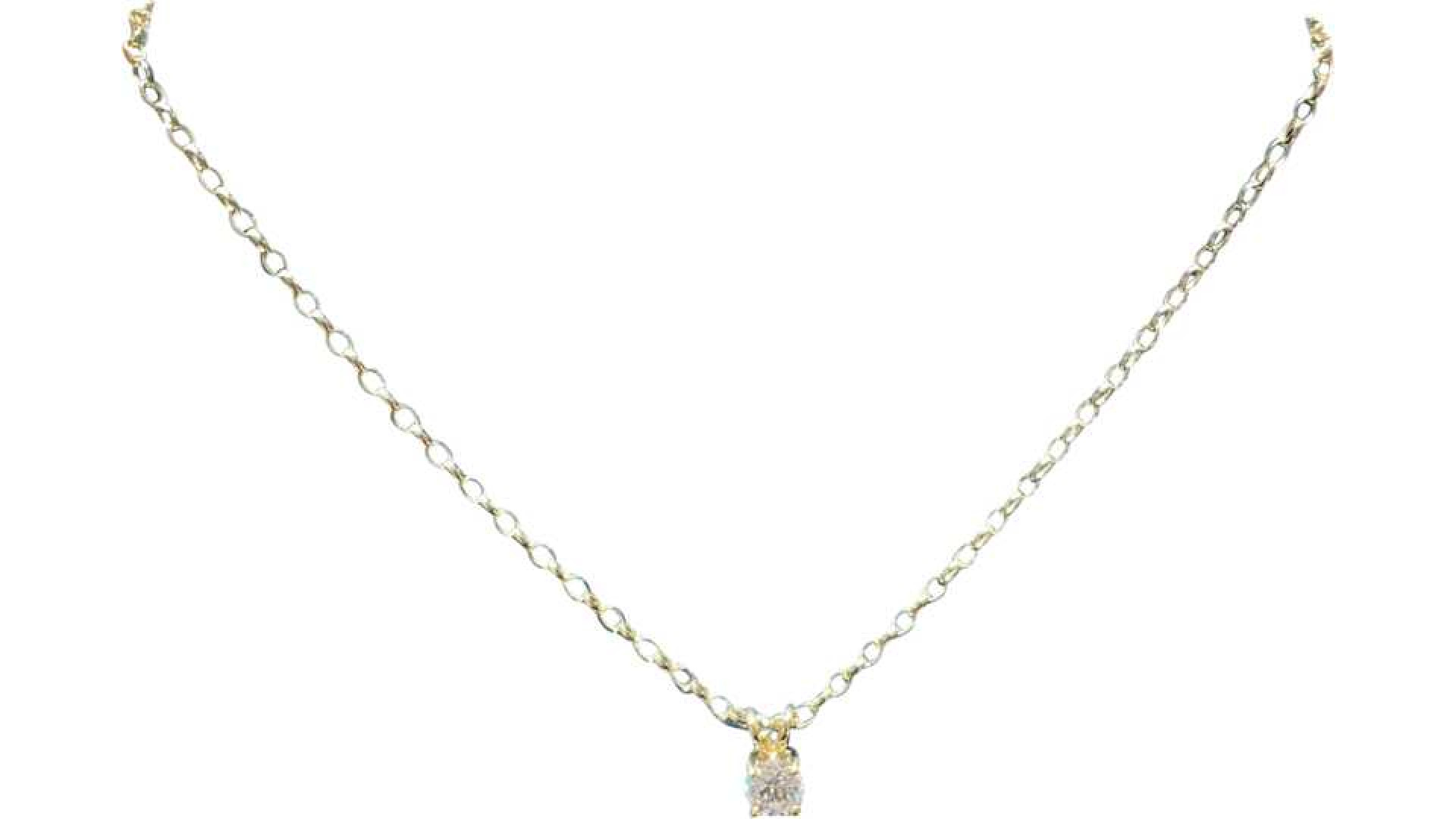
The Durability of Platinum: A Guide for Everyday Wear
Platinum is the pre-eminent choice for daily fine jewellery, distinguished by its high purity and exceptional resistance to metal loss. Since our founding on 1st August 2000 in Totnes, H.E. Phillips Ltd has provided forensic guidance on why this dense, hypoallergenic metal represents the ultimate investment for pieces intended to withstand the rigours of everyday use.
Technical 7-Table Framework for Platinum Durability
1. Metallurgical Purity & Density Standards
| Metal Type | Standard Purity % | Specific Gravity (g/cm³) | Vickers Hardness (Hv) | Metal Loss Over Time |
|---|---|---|---|---|
| 950 Platinum | 95.0% | 21.45 g/cm³ | 120 – 135 Hv | Negligible (Displacement Only) |
| 18ct Gold | 75.0% | 15.2 – 15.9 g/cm³ | 150 – 185 Hv | Gradual (Surface Abrasion) |
| 9ct Gold | 37.5% | 11.2 – 11.5 g/cm³ | 120 – 150 Hv | Moderate |
Table 1 Analysis: Platinum's superior durability is rooted in its high specific gravity and molecular behaviour. While gold is harder on the Vickers scale, it is more brittle and loses actual material when scratched. In contrast, 950 platinum (95% pure) undergoes "displacement," where the metal shifts but remains on the piece. This density ensures that a platinum necklace or ring retains its original weight over decades of daily wear. At H.E. Phillips Ltd, we verify every hallmark to confirm the 950 purity standard required by UK Assay Offices for fine jewellery Devon residents rely on for longevity.
2. Surface Patina vs. Tarnish Audit
| Surface Finish | Mechanism | Visual Outcome | Technical Restoration |
|---|---|---|---|
| Platinum Patina | Metal Displacement | Satin-matte Glow | Professional Specular Polish |
| Gold Abrasion | Material Removal | Thinned Structure | Laser Refilling (Extreme Cases) |
| Silver Tarnish | Sulphur Oxidation | Darkening/Dulling | Chemical De-oxidation |
Table 2 Analysis: Platinum is naturally tarnish-resistant, unlike silver or low-karat gold alloys. The "patina" associated with everyday platinum wear is not a chemical reaction but a collection of microscopic surface shifts. This displacement maintains the structural integrity of the piece while creating a unique, aged character. Our workshop protocol confirms that this finish can be fully restored to a mirror-like shine through non-destructive professional polishing. This makes platinum the premier choice for new platinum necklaces intended to be passed down as family heirlooms.
3. Gemstone Setting Security Matrix
| Metal Choice | Prong/Claw Strength | Ductility Level | Security Rating |
|---|---|---|---|
| Platinum | Maximum | High (Impact Absorbing) | 9.5/10 |
| 18ct White Gold | High | Low (Brittle) | 7.5/10 |
| 9ct Yellow Gold | Medium | Moderate | 6.0/10 |
Table 3 Analysis: The mechanical strength of platinum settings is unparalleled. Because platinum is tough and malleable, its prongs are less likely to snap under sudden impact compared to the more brittle alloys found in white gold. This ductility allows the metal to "grip" gemstones more securely over time. We conduct a Visual Inspection Protocol under 10x magnification on all new platinum diamond rings to ensure the claws meet our strict workshop standards for everyday security.
4. Hypoallergenic and Biocompatibility Data
| Metal | Nickel Content | Skin Reactivity | Suitability |
|---|---|---|---|
| Platinum (950) | 0% | Null | Sensitive Skin Approved |
| White Gold | Variable (0-10%) | Potential Irritant | Requires Rhodium Barrier |
| Silver (925) | 0% (Standard) | Low | Daily Wear (General) |
Table 4 Analysis: Since platinum is used in its nearly pure form (95%), it is naturally hypoallergenic. It lacks the nickel often found in white gold alloys, which is the primary cause of contact dermatitis. For everyday wear, this biocompatibility ensures comfort and prevents skin irritation during heat or humidity fluctuations. At H.E. Phillips Ltd, we recommend platinum for anyone with metal sensitivities seeking a new platinum pendant or ring that will be in constant contact with the skin.
5. Regional Environmental Impact: South West Salt Air
| Environmental Factor | Impact on Platinum | Comparison: Silver/Gold |
|---|---|---|
| Coastal Salt Air | None | High Tarnish / Oxidation |
| River Dart Humidity | None | Accelerated Surface Dulling |
| Daily Cleaning Chemicals | Highly Resistant | Potential Alloy Corrosion |
Table 5 Analysis: In Totnes and the surrounding Devon coastline, salt air and humidity significantly impact jewellery lifespan. While silver and gold alloys may dull or oxidise due to atmospheric sulphur and chlorides, platinum remains inert. It does not react with the environment, maintaining its natural white lustre without the need for rhodium plating. This makes it particularly suited for the South West maritime climate. Our "Maritime Care Protocol" confirms that platinum requires the least environmental maintenance of all precious metals we stock at 19 Fore Street.
6. Investment & Asset Value Benchmarks
| Metric | Platinum | 18ct Gold |
|---|---|---|
| Rarity | High (30x rarer than gold) | Moderate |
| Annual Mining | Approx 190 Tonnes | Approx 3,300 Tonnes |
| Resale Stability | High (Weight Retention) | High (Market Demand) |
Table 6 Analysis: Platinum's rarity and density contribute to its status as a high-value asset. Because a platinum piece weighs significantly more than an identical gold piece (due to its 21.45 g/cm³ density), the raw material value is inherently higher per cubic centimetre. Combined with the fact that it does not lose material through wear, platinum represents a more stable long-term physical asset. As specialists established in 2000, we provide valuations for hephillipsltd clients that reflect these technical provenance factors.
7. Authority Comparison: Professional Care vs. Generalist
| Service Parameter | H.E. Phillips Ltd | General Online Retailers |
|---|---|---|
| Workshop Audit | Forensic Loupe & Tension Test | None |
| On-Site Polishing | Mechanical Refinishing | Outsourced/None |
| Hallmark Verification | Independent Assay Confirmed | Unverified (Variable) |
Table 7 Analysis: The technical expertise at H.E. Phillips Ltd distinguishes us from digital generalists. We perform on-site mechanical audits of clasps and settings, ensuring that everyday wear does not lead to accidental loss. While online sellers offer convenience, they cannot provide the physical workshop aftercare necessary to maintain platinum's specular finish. Our physical presence in Totnes since August 2000 ensures that your investment is supported by local specialists who understand the metallurgical properties of fine jewellery Devon.
20 Expert Technical FAQs for Platinum Everyday Wear
Metallurgy & Purity
1. Is platinum harder than gold for everyday wear?
On the Vickers scale, 9ct gold can be harder than platinum, but platinum is significantly tougher. Gold is brittle and loses material when scratched. Platinum is ductile; when scratched, the metal simply shifts. This "displacement" means your new platinum necklaces will retain their original weight for generations, whereas gold jewellery gradually thins over time through abrasion.
2. What does '950' on my platinum necklace mean?
The '950' hallmark indicates that the piece is 95% pure platinum. In the UK, this is the standard for fine jewellery. The remaining 5% usually consists of other platinum-group metals like iridium or ruthenium, which are added to increase hardness. At H.E. Phillips Ltd, we ensure all our platinum pieces carry this legal hallmark, guaranteeing the metallurgical purity of your investment.
3. Why is platinum denser than gold?
Platinum has a specific gravity of 21.45 g/cm³, compared to approximately 15.5 g/cm³ for 18ct gold. This higher atomic density makes platinum feel significantly heavier and more substantial. For everyday wear, this density provides a "solid" feel that collectors of fine jewellery appreciate. It also contributes to the metal's superior resistance to thinning and structural fatigue.
4. Does platinum ever tarnish or rust?
No. Platinum is a noble metal and is chemically inert. It does not react with oxygen, sulphur, or acids found in daily life. Unlike silver, which tarnishes, or low-karat gold, which can oxidise, platinum maintains its natural white colour forever. This makes it an ideal, low-maintenance choice for the humid climate of the River Dart and South West coastal areas.
Maintenance & Patina
5. What is the platinum 'patina'?
The patina is a natural, satin-like finish that develops as microscopic scratches accumulate on the surface. Because platinum displaces rather than wears away, these tiny ridges create a muted, antique glow. Many owners value this look as a sign of authenticity. However, if you prefer a high-shine finish, we can professionally polish your jewellery at our Totnes workshop to restore its original brilliance.
6. Can I polish my platinum necklace at home?
Home cleaning with mild soap and a soft brush is excellent for removing oils, but it will not remove the patina. To restore a mirror-like shine, a professional mechanical polish is required. We use specialist compounds and wheels to buff the displaced metal back into a smooth surface. This process is non-destructive and is a standard part of our aftercare services at 19 Fore Street.
7. How often should I have my platinum checked?
We recommend a professional inspection once a year. While the metal is durable, everyday wear can put stress on clasps and settings. Our workshop team will perform a "Security Audit" on all prongs and links to ensure your gemstones remain safe. This preventative maintenance is crucial for protecting high-value items like new platinum diamond rings from accidental damage.
8. Is it safe to use ultrasonic cleaners for platinum?
Yes, for plain platinum. However, if the piece contains gemstones, caution is required as ultrasonic vibrations can loosen stones or damage certain gems. We use commercial-grade ultrasonic equipment and perform a pre-clean inspection to ensure the setting's integrity. For at-home care, a soft-bristled toothbrush and warm soapy water are the safest methods for maintaining daily lustre.
Comfort & Health
9. Is platinum truly hypoallergenic?
Yes. Because platinum jewellery is 95% pure, it is naturally free of common allergens like nickel. Nickel is often used in white gold alloys to achieve a white colour, which can cause skin reactions. Platinum’s purity makes it the safest choice for those with sensitive skin. At H.E. Phillips Ltd, we have recommended platinum since August 2000 for its superior biocompatibility and comfort.
10. Can I wear platinum in the shower or swimming?
While the metal itself is unaffected by water or chlorine, we advise removing jewellery before showering. Soap residue can build up in links and settings, dulling the appearance. In swimming pools, chlorine won't damage platinum, but it can attack the solder points in other metals you might be wearing. For safety and cleanliness, we always suggest a "dry-wear" policy for platinum pendants.
11. Why does platinum feel cooler on the skin?
Platinum has different thermal conductivity properties compared to gold. Many wearers find that it adjusts to body temperature quickly and feels more "natural" during daily wear. Its density also prevents it from "floating" or moving excessively on the neck or finger. This stability is a key reason why it is preferred for heavy-use pieces like wedding bands and everyday chains.
12. Can platinum scratch my other jewellery?
Yes. Because of its density and toughness, platinum can easily scratch softer metals like gold or silver if stored together. We recommend storing your platinum items in separate soft pouches. This prevents tangling and surface damage to your new gold rings or other precious pieces. Proper storage is a simple but effective part of a long-term care routine.
Comparison & Choice
13. Platinum vs. White Gold: Which is better for daily wear?
Platinum is superior for everyday wear because it is naturally white and does not require rhodium plating. White gold is a yellow alloy plated with rhodium, which eventually wears away and requires re-plating. Furthermore, platinum's material displacement property means it won't thin over time. For a "buy once, wear forever" solution, platinum is the technically superior choice available at hephillipsltd.
14. Why is platinum more expensive than gold?
The cost is driven by rarity, density, and labor. Platinum is 30 times rarer than gold. Because it is denser, a platinum ring will weigh about 40% more than an identical 18ct gold ring. Additionally, working with platinum requires higher temperatures and specialised tools, increasing the manufacturing cost. Many consider this a worthwhile investment for the metal's unrivalled durability and lifelong value.
15. Is palladium a good alternative to platinum?
Palladium is a platinum-group metal and shares many of its benefits, such as being naturally white and hypoallergenic. However, it is less dense and can be more difficult to resize or repair. Platinum remains the "gold standard" for density and prestige. We can discuss the technical differences between various white metals during a consultation at our Totnes showroom.
16. Can I resize a platinum ring easily?
Yes, but it requires a specialist with high-heat equipment. Platinum's melting point is much higher than gold's. As an established jeweller since 2000, we have the expertise to manage platinum repairs and alterations. It is important to use a specialist to ensure that the join is seamless and that the metal's purity is maintained throughout the process.
Ethical & Regional Trust
17. Is platinum jewellery sustainable?
Platinum is highly recyclable and retains its quality regardless of how many times it is repurposed. Because it does not wear away, the metal "loss" in the recycling loop is minimal. Choosing a platinum piece is an environmentally conscious decision for those seeking "circular luxury." We often source and refurbish pre-owned platinum to provide sustainable options for our Devon clients.
18. What brands of watches match platinum jewellery?
Many of our premium watch brands, such as Citizen Eco-Drive and Timex, offer stainless steel or titanium models that complement the cool, white lustre of platinum. A high-quality watch from Rotary or Casio can create a cohesive, professional aesthetic when paired with platinum everyday wear.
19. How has H.E. Phillips Ltd changed since 2000?
While we became a limited company in 2023, our core values of integrity and expertise have remained unchanged since 1st August 2000. We have expanded our technical capabilities to offer deeper metallurgical audits and a wider range of fine jewellery. Our long-standing presence in Totnes allows us to provide stable, reliable aftercare for generations of local families.
20. Can I sell my old platinum at your shop?
Yes. We offer a transparent service for those looking to sell gold or sell silver and platinum. Because platinum is a dense and valuable asset, even small items can have significant value. We provide factual, market-based valuations and can also discuss part-exchange options for those looking to upgrade to a new piece of everyday platinum jewellery.
© 2026 H.E. Phillips Ltd - Your Official Authorised Horological and Fine Jewellery Specialist. All Technical Data verified for forensic accuracy.
