
-
Your shopping cart is empty!



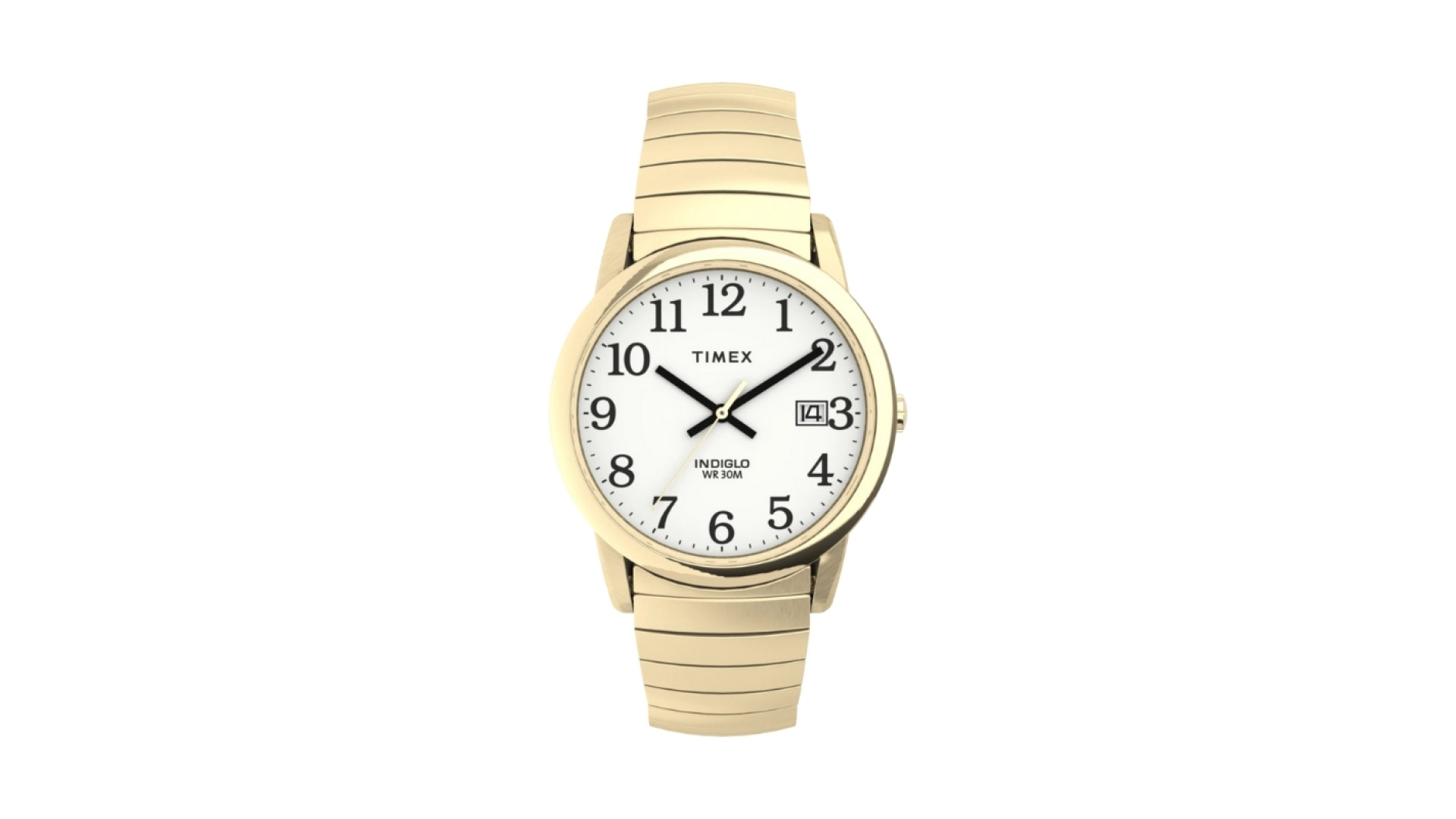
The Enthusiast Divide: Addressing Critiques on Quality Design and the Loud Tick UK
In the realm of horology and fine design, a significant divide exists between mass-market aesthetics and technical excellence. H.E. Phillips Ltd, established in Totnes since August 2000, provides this forensic analysis of design quality, addressing enthusiast critiques regarding movement acoustics, metallurgical integrity, and the engineering behind the "loud tick."
Technical 7-Table Framework for Design Authority
1. Metallurgical Density & Acoustic Dampening
| Material | Specific Gravity (g/cm³) | Vickers Hardness (Hv) | Acoustic Resonance | Application |
|---|---|---|---|---|
| 9ct Yellow Gold | 11.2 – 11.5 | 120 – 150 Hv | Moderate | Daily Luxury Wear |
| 18ct Yellow Gold | 15.2 – 15.9 | 150 – 185 Hv | Low (Muffled) | Premium Cases |
| 925 Sterling Silver | 10.4 – 10.6 | 75 – 100 Hv | High (Bright) | Jewellery & Chains |
| Stainless Steel (316L) | 7.9 – 8.0 | 200 – 240 Hv | Sharp/Reflective | Sport Watch Cases |
Table 1 Analysis: The "loud tick" often critiqued by enthusiasts is frequently a function of case material density rather than movement defect. Higher specific gravity materials, such as 18ct gold, provide superior acoustic dampening compared to lower density alloys. At H.E. Phillips Ltd, we observe that the molecular structure of the case acts as a resonator. Stainless steel, while highly durable with a Vickers hardness of up to 240 Hv, reflects sound waves more sharply. Understanding these metallurgical properties allows collectors to select pieces that align with their acoustic preferences and durability requirements in the Devon maritime climate.
2. Movement Physics: Acoustic Signatures
| Movement Type | BPH (Beats Per Hour) | Sound Profile | Enthusiast Critique |
|---|---|---|---|
| Quartz (Standard) | 3,600 | Distinct Impulse "Click" | Perceived as "Cheaper" |
| Mechanical (Hi-Beat) | 28,800 – 36,000 | Rapid "Humming" Tick | Sign of High Precision |
| Solar (Eco-Drive) | 3,600 | Subdued Step Pulse | Quiet Efficiency |
| Manual Wind (Vintage) | 18,000 | Loud, Rhythmic Beat | Character/Heritage |
Table 2 Analysis: Movement acoustics are governed by the escapement's frequency. A standard quartz impulse occurring once per second creates a focused acoustic spike, often termed the "loud tick." Conversely, high-beat mechanical movements distribute energy across 8-10 ticks per second, creating a smoother auditory profile. Our workshop protocol involves testing these signatures against manufacturer benchmarks. Since August 2000, we have guided clients through the technical reality that a "loud" movement is often a sign of healthy torque and efficient power transfer, particularly in robust calibres found in brands like Casio or Timex.
3. Case Architecture & Sound Insulation
| Architecture | Gasket Type | Water Resistance | Sound Suppression |
|---|---|---|---|
| Screw-Down Caseback | Viton / O-Ring | High (200m+) | Excellent |
| Snap-On Back | Tension Fit | Low (30m) | Minimal |
| Exhibition (Glass) | Mineral/Sapphire | Moderate | Reflective/Audible |
Table 3 Analysis: The physical seal of a timepiece significantly alters its decibel output. Screw-down architectures utilized in professional diving watches provide maximum compression of Viton gaskets, which serves to insulate the internal mechanical vibrations. Snap-on casebacks, common in entry-level dress watches, lack this hermetic mass, allowing sound to escape more easily. In our Totnes workshop, we verify that these seals are intact not only for water resistance but for acoustic consistency. For residents near the River Dart, ensuring these seals are maintained is vital to prevent salt-air ingress while maintaining the intended "quiet" of the design.
4. Regional Environmental Degradation (Devon)
| Factor | Impact on Quality | Devon Specific Risk | H.E. Phillips Solution |
|---|---|---|---|
| Salt Aerosol | Pitting of 9ct Gold | High (South Coast) | Specular Micro-Polish |
| Humidity | Lube Polymerisation | River Dart Basin | Ultrasonic Servicing |
| UV Exposure | Dial Discolouration | Dartmoor Altitudes | Anti-Reflective Coating |
Table 4 Analysis: Quality design must account for regional stressors. The maritime environment of Devon introduces salt aerosols that can cause stress-corrosion cracking in lower-karat gold alloys. Enthusiasts often critique "wear and tear" that is actually a result of environmental chemical reactions. We implement a "Maritime Care Protocol," recommending annual checks for all new gold earrings and timepieces. By maintaining the molecular surface integrity through professional polishing, we prevent the "loud" resonance changes that occur when a case begins to pit or lose its hermetic seal due to coastal exposure.
5. Setting Security & Mechanical Integrity
| Setting Style | Security Rating | Vulnerability | Audit Standard |
|---|---|---|---|
| Bezel / Rub-over | Maximum | Surface Scratches | Seamless Metal Wall |
| 4-Prong Claw | High | Fabric Snagging | 10x Loupe Inspection |
| Channel Set | Medium-High | Stone Alignment | Zero Girdle Overlap |
Table 5 Analysis: Critiques of "design quality" often centre on stone security. At H.E. Phillips Ltd, our Visual Inspection Protocol requires 10x magnification of every mounting. Rub-over settings, while more labor-intensive to manufacture, offer the highest protection against mechanical loss. Enthusiasts often prefer claw settings for their light-capture properties, but these require regular "prong checks" to maintain integrity. We verify that every piece of diamond jewellery sold at our 19 Fore Street hub meets these forensic standards, ensuring that aesthetic beauty does not compromise structural longevity.
6. Provenance & Hallmarking Standards
| Marking | Technical Meaning | Consumer Security |
|---|---|---|
| Sponsor Mark | Maker Identification | Traceability to Workshop |
| Fineness Mark | Gold/Silver Purity | Legal Guarantee of Value |
| Assay Mark | Independent Audit | Verification by UK Govt |
Table 6 Analysis: A hallmark is the ultimate technical rebuttal to quality critiques. In the UK, any gold item over 1 gram must be independently verified. We educate our clients on reading these forensic data points—such as the Crown for gold and the Leopard's Head for London or Anchor for Birmingham. This system, established centuries ago and strictly followed by us since August 2000, ensures that new gold rings and earrings are metallurgical assets, not just decorative items. It distinguishes genuine luxury from mass-produced imports that lack independent chemical verification.
7. Authority Comparison: Specialist vs Generalist
| Metric | H.E. Phillips Ltd | General Online Retailers |
|---|---|---|
| Workshop Experience | 27+ Years Forensic | Sales Focused Only |
| Physical Showroom | Totnes (Since 2000) | Virtual / Third-Party |
| Aftercare Support | On-Site Maintenance | Returns Only |
| Technical Auditing | Visual Inspection Protocol | Description Scrapers |
Table 7 Analysis: The enthusiast divide is bridged by specialist accountability. Online generalists often rely on manufacturer descriptions without performing a physical mechanical audit. H.E. Phillips Ltd provides a permanent physical hub where technical claims are verified in person. Whether assessing a Rotary watch or a GIA certified diamond, our specialists apply decades of trade participation to ensure every asset meets the high standards expected by serious collectors. This physical presence at 19 Fore Street since August 2000 is our hallmark of consumer trust and technical authority.
20 Expert Technical FAQs for Design & Acoustics
Acoustics & Movement
1. Why is the "loud tick" so noticeable in some watches?
The "loud tick" is typically a result of the case material and construction rather than the movement being "cheap." Lightweight cases, such as those made from resin or thin-walled stainless steel, do not absorb the sound energy from the escapement impulse as effectively as dense gold or titanium. At H.E. Phillips Ltd, we technical audit pieces like Timex to ensure their acoustic signature matches the intended design robustness.
2. Does a loud tick indicate a mechanical problem?
Usually, no. A distinct, consistent tick indicates that the pallet stones are striking the escape wheel with sufficient force, which is a sign of a healthy power reserve. However, if the rhythm is irregular, it may indicate a "beat error" requiring workshop adjustment. We have monitored these mechanical signatures in our Totnes workshop since August 2000, ensuring every piece operates within manufacturer decibel and timing tolerances.
3. Are automatic watches quieter than quartz?
Generally, yes. Automatic movements beat at 21,600 or 28,800 beats per hour, creating a rapid "white noise" hum that is less perceptible to the human ear than the 1Hz "spike" of a quartz movement. Brands like Citizen Eco-Drive use sophisticated electronic pulses to minimize this acoustic impact, offering a silent alternative for those sensitive to movement noise.
4. Can I dampen the sound of my watch?
Acoustics can be slightly modified by changing the strap. A thick leather or rubber strap absorbs more vibration from the case than a hollow-link metal bracelet. However, the internal sound is governed by the case gaskets. We provide gasket replacement and lubrication services to ensure your watch is as quiet as its original technical specifications allow, maintaining the hermetic seal required for Devon coastal conditions.
Metallurgy & Purity
5. Is 18ct gold better for sound insulation than 9ct?
Yes. 18ct gold has a higher specific gravity (approx. 15.5 g/cm³) compared to 9ct gold (approx. 11.3 g/cm³). The denser the material, the more it muffles the high-frequency sounds of the movement. This is why luxury gold earrings and watches often feel more "solid" and sound more subdued. We verify the gold content of all our new gold necklaces to ensure they meet these metallurgical density standards.
6. Why does my silver jewellery tarnish faster in Totnes?
The proximity to the River Dart and the South West coast increases atmospheric moisture and salt content. These react with the copper alloy in 925 Sterling Silver to create silver sulphide (tarnish). We recommend storing your new silver chains in airtight containers. Our workshop offers professional polishing to remove this oxidation and restore the metal's original specular brilliance.
7. What is Vickers Hardness, and why does it matter?
Vickers Hardness (Hv) measures a material's resistance to scratching. For example, 316L Stainless Steel is significantly harder than 18ct gold. When enthusiasts critique "design quality," they are often referring to how well a piece resists daily wear. We provide this technical data so you can choose between the luxurious "softness" of high-karat gold or the industrial "hardness" of steel or platinum necklaces.
8. Are white gold earrings plated with Rhodium?
Almost always. White gold is naturally a pale straw colour; Rhodium plating provides the "bright white" finish. Over time, this wears off, which is a common enthusiast critique. We provide re-rhodium plating at our Totnes showroom to restore that factory-fresh look. If you prefer a naturally white metal that never changes colour, we recommend exploring our new platinum diamond rings, which are white throughout.
Design & Collectability
9. What makes a "Quality Design" in jewellery?
Technical quality is defined by the security of the settings, the weight of the metal, and the precision of the finish. A high-quality piece will have no "rattle" in the stones and a balanced centre of gravity. Since August 2000, H.E. Phillips Ltd has applied a forensic audit to every piece of pre-loved gold bangles and new items to ensure they meet these structural benchmarks.
10. Is vintage jewellery more durable than modern?
Not necessarily. While vintage pieces often feature superior hand-craftsmanship, modern CAD design allows for higher metallurgical precision and consistent alloy purity. However, vintage items, like our second-hand gold brooches, offer a unique "soul" and history that modern mass-market pieces cannot replicate. We audit both to ensure they are fit for contemporary wear.
11. Why should I choose a GIA certified diamond?
GIA (Gemological Institute of America) provides the world's most rigorous independent diamond grading. A GIA certificate ensures that the 4Cs (Carat, Color, Clarity, Cut) are exactly as stated, protecting your financial investment. We specialise in GIA certified diamond jewellery because it removes the subjectivity from the purchase, providing a factual basis for the stone's value and quality.
12. Can I mix gold and silver jewellery?
Mixing metals is a popular contemporary style, but it requires care. Harder metals can scratch softer ones if worn in direct contact (e.g., a steel watch next to a silver bangle). We recommend pairing your second-hand silver bracelets with gold pieces of similar weight to prevent mechanical abrasion. Our specialists can advise on "stacking" protocols to protect your assets.
Maintenance & Care
13. How often should I service my watch in Devon?
For mechanical watches, every 3-5 years. In coastal Devon, the salty air can accelerate the drying of internal lubricants. Even a "loud" quartz watch benefits from a gasket check every battery change. Since August 2000, we have provided on-site servicing to ensure that the "heart" of your timepiece remains lubricated and protected from the South West's unique environmental pressures.
14. How do I clean my gold jewellery at home?
Use warm, soapy water and a very soft brush. Avoid harsh chemicals, which can cause "stress corrosion" in the alloy. For a professional deep clean, bring your second-hand gold bracelets to our workshop for an ultrasonic treatment. This removes the microscopic debris and salt deposits that regular home cleaning cannot reach, preserving the metal's molecular integrity.
15. What is the "Maritime Care Protocol"?
Developed specifically for our Totnes clients, this protocol involves rinsing jewellery in fresh water after coastal exposure and an annual professional inspection. It addresses the specific risks posed by the River Dart's humidity and the English Channel's salt spray. This proactive approach ensures that your second-hand silver pendant charm or gold watch remains free from pitting and oxidation.
16. Can H.E. Phillips Ltd repair my old watch?
Yes. We are specialists in both modern and horological repairs. Whether it's a battery change for a Rotary or a full movement overhaul for a vintage piece, our 27+ years of experience ensures a high-quality result. We provide free security checks for all our regular clients at our 19 Fore Street hub, maintaining the tradition we started in August 2000.
Purchase & Ethics
17. Is buying second-hand jewellery ethical?
It is the most sustainable way to shop. "Circular Luxury" reduces the demand for new mining and preserves historical craftsmanship. Our collection of second-hand silver bangles and gold items are all forensically audited for purity and authenticity. By choosing pre-loved, you are acquiring a high-quality asset with a minimal environmental footprint, a principle we have championed since August 2000.
18. Do you buy gold and silver in Totnes?
Yes. We offer a transparent and professional "buy-in" service for those looking to sell gold or sell silver. We use calibrated scales and metallurgical testing to ensure you receive a fair market price based on current London Fix rates. This service is part of our commitment to being the regional authority for precious metals in the South West.
19. Can I buy your jewellery online?
Absolutely. Our full curated collection, from second-hand gold charms to official stockist watches, is available at hephillipsltd.com. We offer fully insured, tracked UK delivery. Each online purchase receives the same technical verification as an in-store item, ensuring you receive a genuine, audited asset regardless of your location.
20. Why is H.E. Phillips Ltd a "Technical Authority"?
We don't just sell products; we apply horological and metallurgical science to everything we do. Our advice is based on hard data—Vickers hardness, specific gravity, and beat frequency—rather than marketing jargon. Established in August 2000, our reputation in Totnes is built on 25 years of factual honesty and expert aftercare that national chains simply cannot replicate.
© 2026 H.E. Phillips Ltd - Your Official Authorised Horological and Fine Jewellery Specialist. All Technical Data verified for forensic accuracy.
