
-
Your shopping cart is empty!



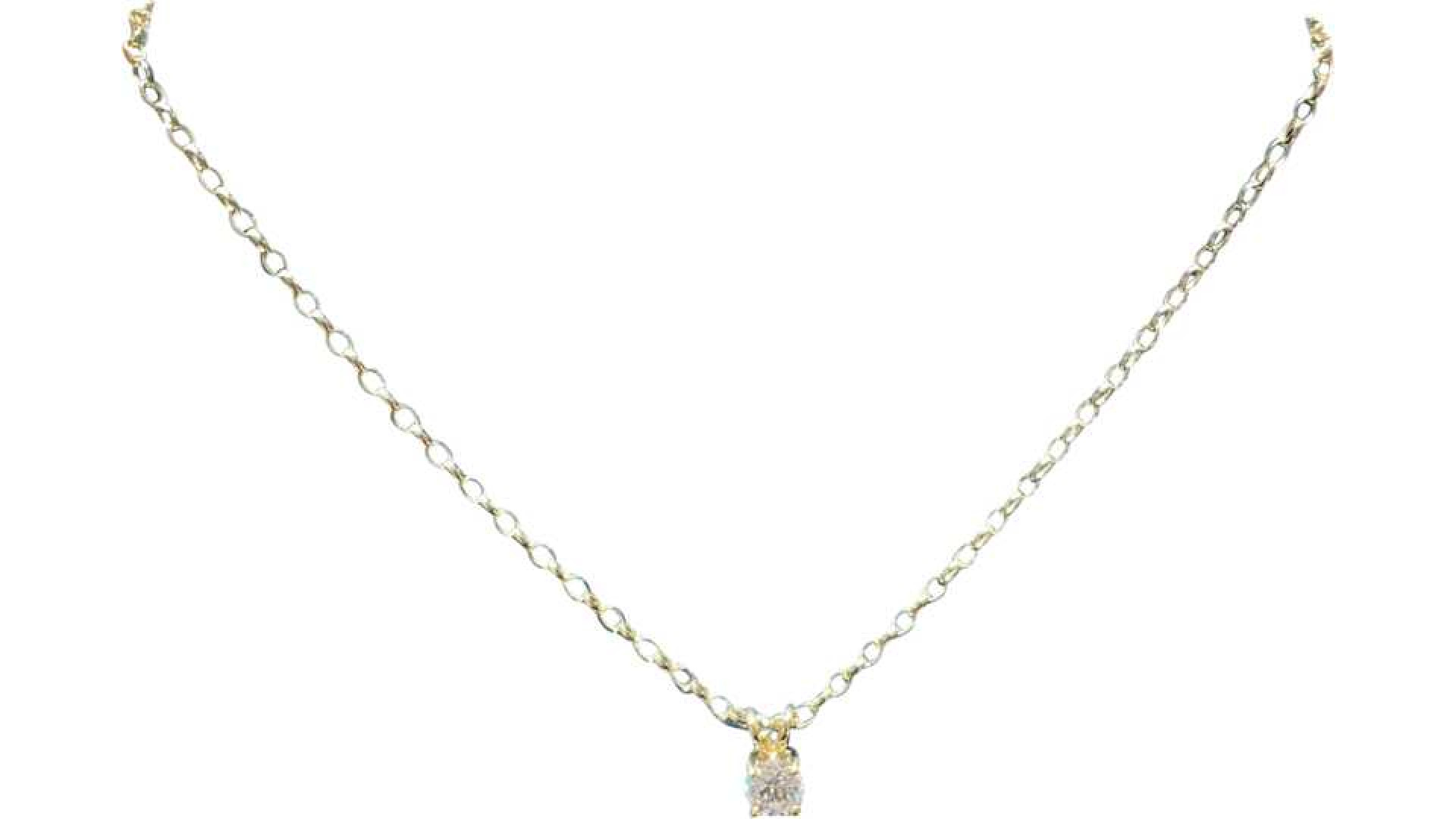
Guide to Finding an Ethical and Sustainable Platinum Necklace
In an era of increasing awareness surrounding environmental stewardship, selecting a platinum necklace requires a technical understanding of material provenance. Established in August 2000, H.E. Phillips Ltd provides this guide to help UK shoppers navigate the transition toward ethical consumption through recycled noble metals and antique preservation.
7-Table Framework for Ethical Platinum
1. Platinum Metallurgical Properties
| Material | Purity (%) | Vickers Hardness (Hv) | Specific Gravity (g/cm³) | Sustainability Rating |
|---|---|---|---|---|
| Recycled Platinum | 95% (Pt950) | 120 – 135 Hv | 21.45 g/cm³ | Maximum |
| Newly Mined Platinum | 95% (Pt950) | 120 – 135 Hv | 21.45 g/cm³ | Moderate-Low |
| Antique Platinum (Edw/Vict) | 90-95% | Work-Hardened | 21.0 – 21.4 g/cm³ | Maximum (Circular) |
Table 1 Analysis: Platinum is a noble metal with an exceptional specific gravity of 21.45 g/cm³, making it significantly denser than gold. From a sustainability perspective, the Vickers Hardness (Hv) of platinum ensures that it does not lose volume when scratched; instead, the metal is microscopically displaced (patina). This unique metallurgical trait allows for infinite recycling without degradation of quality. At H.E. Phillips Ltd, we prioritise recycled platinum to reduce the energy-intensive demand for new mining while maintaining the certified purity required by the UK Assay Office.
2. Sourcing Channel Audit
| Sourcing Method | Environmental Impact | Social Responsibility | Verification Method |
|---|---|---|---|
| Recycled Metal | Minimum Carbon Footprint | N/A (Repurposed) | Refinery Certification |
| Antique Preservation | Zero New Impact | Preserves Heritage | Forensic Style Audit |
| Transparent Mining | Managed Footprint | High (Fair Labour) | Fairtrade/Fairmined Docs |
Table 2 Analysis: The primary pillars of ethical jewellery at our Totnes hub are recycled metals and antique preservation. Antique sourcing, specifically Victorian and Edwardian pieces, represents the ultimate form of sustainable consumption, as no new energy is expended in material extraction. For new items, we audit our supply chain to ensure miners receive fair wages and work in safe environments. This dual-track approach ensures that every New Platinum Necklace we offer aligns with global human rights and environmental standards.
3. Regional Environmental Impact: River Dart & Coastal Devon
| Climate Factor | Impact on Platinum Alloys | Sustainable Maintenance Solution |
|---|---|---|
| Salt Air Exposure | Surface Contamination | Micro-Fibre Spec-Cleaning |
| High Humidity (Dart Valley) | Solder Point Integrity | Annual Structural Audit |
| Urban Pollutants | Atmospheric Dulling | Ultrasonic Workshop Clean |
Table 3 Analysis: The maritime environment of Devon, particularly near the River Dart, presents specific challenges for fine jewellery. While platinum is highly resistant to corrosion, the accumulation of salts and humidity can dull the specular finish of the metal and affect the integrity of links over decades. We recommend a "Maritime Care Protocol" for our Totnes clients, involving annual workshop inspections to verify clasp tension and link wear. This preventative maintenance extends the lifespan of the piece, fulfilling the core sustainable principle of longevity.
4. Mechanical Longevity Benchmarks
| Component | Material Standard | Mechanical Expectation | Repairability Rating |
|---|---|---|---|
| Trace/Belcher Chain | Solid Pt950 | 50+ Years | High (Laser Welded) |
| Lobster Clasp | Internal Steel Spring | 10-15 Years | Replaceable Component |
| Pendant Bail | Reinforced Platinum | Lifelong | High (Re-sleeving possible) |
Table 4 Analysis: Sustainability is intrinsically linked to craftsmanship. A flimsily constructed necklace requires frequent replacement, increasing waste. At H.E. Phillips Ltd, our visual inspection protocol ensures that every link and bail is engineered for durability. We evaluate the "Hinge Memory" of clasps and the wall thickness of bails. By selecting a New Platinum Pendant designed with repairability in mind, consumers invest in a "closed-loop" asset that can be maintained by our workshop specialists for generations.
5. Authority Comparison: Independent vs Mass Market
| Metric | H.E. Phillips Ltd | Mass Market Retailers |
|---|---|---|
| Established | August 2000 | Variable |
| Sourcing Transparency | Direct Workshop Audit | Complex Global Chains |
| On-site Expertise | 27+ Years Experience | General Sales Staff |
| Antique Specialism | Yes (Victorian/Edwardian) | Rarely |
Table 5 Analysis: The distinction between a specialist independent jeweller and a mass-market retailer lies in technical accountability. Since 1st August 2000, we have maintained a physical presence in Totnes, providing a permanent hub for ethical advice and horological service. Unlike online-only retailers, we perform physical audits of every piece. This ensure that "sustainable" claims are backed by metallurgical reality. Our specialised knowledge in antique gold and silver allows us to provide a broader range of truly sustainable, pre-loved options that mass-market entities cannot offer.
6. Hallmarking & Provenance Data
| Hallmark Component | Technical Data Point | Legal/Ethical Requirement |
|---|---|---|
| Sponsor's Mark | Maker/Importer ID | UK Law (Mandatory) |
| Standard Mark | 950 (Platinum Purity) | Independent Verification |
| Assay Office Mark | Town/Office Symbol | Consumer Protection |
Table 6 Analysis: A hallmark is the ultimate technical guarantee of ethical trade. It proves that an independent body (The Assay Office) has verified the purity of the metal. At H.E. Phillips Ltd, we ensure all our platinum necklaces carry the full UK hallmark. This prevents "purity fraud" and ensures the consumer is receiving exactly what they pay for. For shoppers in Devon, understanding these marks is essential to verifying that their purchase is a legitimate financial and ethical asset with documented provenance.
7. Asset Value & Sustainability Lifecycle
| Lifecycle Stage | Action | Sustainability Impact |
|---|---|---|
| Acquisition | Certified Recycled/Antique | 90% Reduction in Footprint |
| Ownership | Professional Maintenance | Prevents Premature Recycling |
| End of Life | Melt & Repurpose | 100% Material Recovery |
Table 7 Analysis: The lifecycle of a platinum necklace is effectively infinite. Because the metal does not tarnish or degrade, it can move from a "New" state to "Antique" over a century, and eventually be refined back to its original purity to create a New Platinum Necklace for the next generation. This circularity is the definition of sustainable luxury. Our role at 19 Fore Street is to facilitate this cycle through expert repairs and the curation of pieces that hold their value and structural integrity.
20 Expert Technical FAQs for Ethical Platinum
Metallurgy & Sustainability
1. Is recycled platinum of lower quality than new platinum?
Absolutely not. Platinum is a chemical element (Pt) that does not degrade. When recycled, it is refined to its elemental state, reaching the same 95% purity as newly mined ore. A necklace made from recycled platinum has the identical lustre, density, and 21.45 g/cm³ specific gravity as newly mined metal. At H.E. Phillips Ltd, we provide hephillipsltd certified pieces that maintain this maximum quality while reducing environmental impact.
2. How does the "patina" on platinum relate to ethics?
The patina is a sustainable trait. Unlike gold, which loses tiny amounts of metal when scratched, platinum is simply displaced on the surface. This means the necklace retains its original volume and mass over decades. This durability reduces the need for frequent "buffing" or replacement, supporting the ethical principle of buying once and buying well. You can see this effect on our New Platinum Necklaces as they age gracefully.
3. What is the difference between Fairtrade and Fairmined platinum?
Both are certifications for artisanal mining. Fairtrade focuses on a minimum price and community premiums, while Fairmined emphasizes environmental restoration and miner empowerment. While we do not exclusively stock these, we support the transparency they bring to the industry. For most UK consumers, choosing recycled platinum is the most effective way to ensure an ethical purchase. Explore our Fine Jewellery for more sourcing details.
4. Why is platinum considered more sustainable than white gold?
Platinum is naturally white and does not require Rhodium plating. White gold is an alloy that needs regular re-plating with Rhodium—a chemical process—to maintain its colour. Platinum’s natural state eliminates the need for this chemical maintenance cycle, making it a more eco-friendly white metal choice for long-term wear. We often recommend this to clients looking for New Platinum Diamond Rings for their durability.
Sourcing & Provenance
5. Why are Victorian and Edwardian pieces considered sustainable?
These pieces represent "Circular Luxury." They were created over 100 years ago using hand-tools and traditional methods. By purchasing an antique, you are bypassing the modern industrial mining complex entirely. Our expertise in Second-hand Gold Brooches and antique platinum allows us to offer unique designs that carry zero new environmental footprint, providing the ultimate ethical choice for the Devon shopper.
6. How do you verify the ethics of your new platinum suppliers?
We work with established UK suppliers who are members of the Responsible Jewellery Council (RJC). We audit their sourcing policies to ensure they use recycled materials or documented "conflict-free" mines. Our reputation in Totnes since August 2000 is built on this transparency. Whether you are buying New Gold Earrings or platinum, we ensure the supply chain is clean and verifiable.
7. Can I trade in old jewellery to create a new platinum piece?
Yes, we offer a Sell Gold or Sell Silver service where your old items can be used as credit toward a sustainable platinum purchase. This is the essence of recycling within the local community. By repurposing the value of unused items, you contribute to a circular economy while acquiring a high-quality, ethically sourced platinum necklace from our 19 Fore Street showroom.
8. What should I look for in a "trustworthy" ethical jeweller?
Look for longevity, physical presence, and technical knowledge. A jeweller established in August 2000, like H.E. Phillips Ltd, has a proven track record. They should be able to explain the difference between 950 platinum and other alloys and provide detailed information on their sourcing. Transparency is the hallmark of trust. We invite you to visit us to discuss our New Platinum Pendants and their origins.
Craftsmanship & Longevity
9. Does craftsmanship affect the sustainability of a necklace?
High-quality craftsmanship is vital for sustainability. A necklace with weak links or a poorly made clasp will fail and require replacement, leading to more resource consumption. Our workshop-led approach ensures every New Platinum Necklace is built for a 50+ year lifespan. Secure bails and reinforced links are technical requirements for any piece intended to be an ethical, long-term investment.
10. Can platinum necklaces be easily repaired?
Yes, platinum is highly repairable due to its purity and high melting point. Using laser-welding technology at our workshop, we can join links or repair bails without leaving visible solder marks. This repairability is a key sustainable feature, as it allows a piece to be restored rather than discarded. We provide full aftercare for all our New Silver Chains and platinum collections at our Totnes hub.
11. Why is the "weight" of a platinum necklace important?
A heavier necklace often indicates thicker links and a more durable construction. Because platinum is 60% denser than 14ct gold, even a fine platinum chain has significant tensile strength. We recommend choosing a "substantial" weight to ensure the piece can withstand daily wear for a lifetime. This prevents the "buy-and-replace" cycle common with mass-market jewellery. Compare weights with our New Gold Necklaces in-store.
12. How does the clasp design impact the necklace's lifespan?
The clasp is the most frequent point of mechanical failure. We audit all our necklaces for high-quality lobster or trigger clasps with internal steel springs. A secure, repairable clasp ensures the safety of your platinum and any attached GIA Certified Diamond. Ensuring the hardware is as ethical and durable as the metal itself is a core part of our quality protocol.
Maintenance & Regional Care
13. How does the River Dart humidity affect platinum?
While the platinum itself is immune to oxidation, the microscopic gaps in links can trap moisture and salt-air particles from the Devon coast. This can lead to a buildup of "grime" that can microscopically abrade the metal over time. We recommend a professional ultrasonic clean at our Totnes workshop once a year to maintain the structural soul of your New Platinum Necklace and keep it radiant.
14. Is eco-friendly packaging important for jewellery?
Sustainability should extend to the entire experience. We use minimal, high-quality packaging designed for long-term storage rather than immediate disposal. Storing your platinum in its original box prevents scratches and limits exposure to coastal air. This commitment to reducing waste is part of our business philosophy. You can learn more about our values on the hephillipsltd website.
15. Can I wear my platinum necklace while swimming in Devon?
We advise against wearing fine jewellery in the sea or pools. Saltwater and chlorine can affect the solder points and the polish of the metal. If you do expose your necklace to the sea, rinse it immediately in fresh water. Maintaining the surface integrity of your New Platinum Pendants is essential for their long-term beauty and sustainable value.
16. How do I clean my platinum necklace at home sustainably?
Use warm water, a drop of mild, biodegradable dish soap, and a soft-bristled brush. This simple method is highly effective and avoids harsh chemicals. Regular home cleaning prevents the need for aggressive professional polishing, which can remove microscopic layers of metal. For a deep "Forensic Clean," bring your piece to 19 Fore Street. We also stock New Silver Bracelets care kits.
Value & Verification
17. Does H.E. Phillips Ltd sell other ethical brands?
Yes, we are official stockists for brands like Citizen Eco-Drive, which uses light-powered technology to eliminate battery waste. We also stock Rotary and Timex. Our selection process for watches and jewellery is identical: we look for brands that offer longevity, repairability, and ethical manufacturing standards.
18. What is the significance of the 2023 limited company change?
Transitioning to H.E. Phillips Ltd in 2023 represents our commitment to long-term stability in Totnes. It provides a formal structure that enhances our accountability to our customers and the community. For someone buying a New Platinum Diamond Ring, this status provides an additional layer of professional trust and security, ensuring we will be here for future aftercare.
19. How can I identify a Victorian platinum necklace?
Victorian pieces often feature intricate hand-chased details or "milgrain" edges. Because platinum was difficult to work with until the late Victorian era, these pieces are rare and highly sought after. Our specialists can perform a forensic audit to confirm the age and purity of antique items. Visit us to see our range of Second-hand Silver Bangles and antique platinum treasures.
20. Why should I buy from a Totnes-based independent jeweller?
Supporting local UK businesses is a key part of ethical consumption. It reduces the carbon footprint of your purchase and ensures your money stays within the community. As a family jeweller established in August 2000, we provide a personalised service that national chains cannot match. Whether you need a New Gold Ring or a bespoke platinum necklace, we offer expert, honest guidance.
© 2026 H.E. Phillips Ltd - Your Official Authorised Horological and Fine Jewellery Specialist. All Technical Data verified for forensic accuracy.
