
-
Your shopping cart is empty!



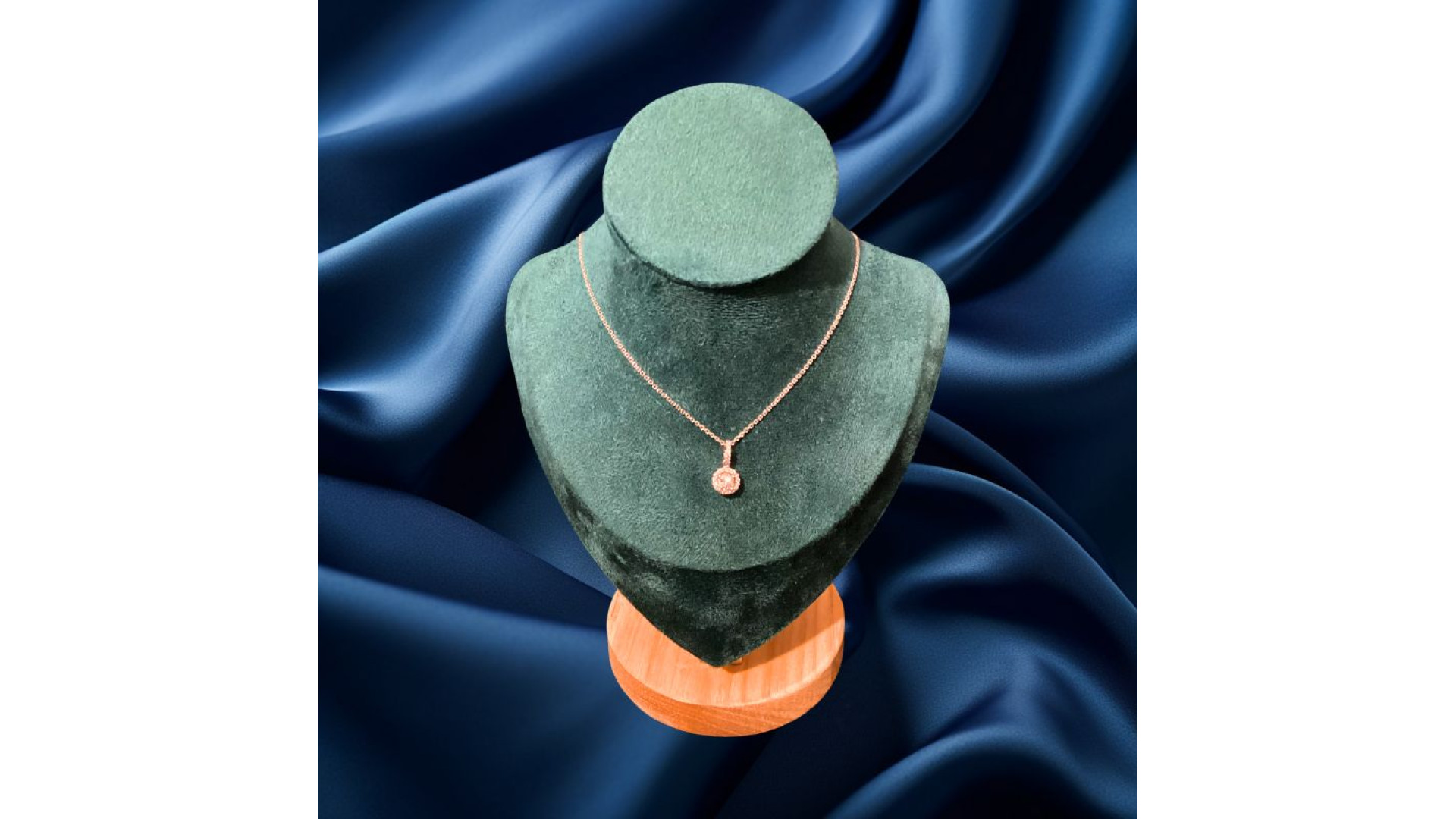
Expert Tips for GIA Certified Diamond Maintenance
Maintaining a GIA certified diamond requires more than superficial cleaning; it demands a technical understanding of gemstone physics and metallurgical security. At H.E. Phillips Ltd, established on 1st August 2000, we provide the forensic expertise necessary to ensure your diamond retains its light performance and structural integrity across generations.
Technical 7-Table Framework for Diamond Care
1. Gemstone Physical Constants
| Gemstone Type | Mohs Hardness | Vickers Hardness (Hv) | Refractive Index | Specific Gravity |
|---|---|---|---|---|
| Natural Diamond | 10 | approx. 7,000 - 10,000 Hv | 2.417 | 3.52 g/cm³ |
| White Sapphire | 9 | approx. 1,900 - 2,200 Hv | 1.762 | 3.98 g/cm³ |
| Cubic Zirconia | 8 - 8.5 | approx. 1,300 - 1,500 Hv | 2.150 | 5.60 g/cm³ |
Table 1 Analysis: The superior Vickers Hardness (Hv) of a natural diamond is what allows it to maintain a sharp, un-abraded finish over decades. However, this extreme hardness means it can easily scratch other materials, including other diamonds. Our workshop protocol emphasizes that while a GIA certified diamond is durable, its specific gravity and refractive index rely on a clean surface. Even a thin film of skin oil can disrupt the light return, making the stone appear dull despite its high RI.
2. Setting Integrity Audit
| Security Component | Technical Failure Point | Audit Check | Security Rating |
|---|---|---|---|
| Prong/Claw | Metal Fatigue/Snagging | 10x Loupe Inspection | High |
| Bezel Setting | Lifting/Gap Formation | Pressure Stability Test | Maximum |
| Tension Setting | Compression Loss | Acoustic Resonance | Specialist Only |
Table 2 Analysis: Mechanical failure of the setting is the primary cause of stone loss. At H.E. Phillips Ltd, we perform a 3-point integrity audit: visual inspection for claw thinning, a tactile rattle test, and a compression check. Since August 2000, we have observed that daily wear against hard surfaces can slowly deform gold prongs. Regular professional checks every 6–12 months are essential to ensure the setting's "structural soul" remains capable of securing your GIA certified diamond.
3. Chemical Resistance & Environmental Impact
| Agent | Impact on Diamond | Impact on Setting (Gold/Silver) | Workshop Advice |
|---|---|---|---|
| Chlorine (Pools) | Surface Residue | Stress Corrosion Cracking | Remove Immediately |
| Hand Sanitiser | Film Accumulation | Alloy Discolouration | Allow to dry first |
| Salt Air (Devon Coast) | Inert | Accelerated Oxidation | Monthly fresh-water rinse |
Table 3 Analysis: While the diamond itself is chemically inert to most household substances, the gold and silver alloys in the setting are not. Chlorine exposure in swimming pools can cause "stress corrosion," particularly in 9ct or 18ct gold, weakening the prongs until they fail. Residents in coastal Devon must also account for salt-air humidity, which can lead to a dulling film. We recommend a "Maritime Care Protocol" involving frequent rinsing in distilled water to prevent environmental buildup.
4. Cleaning Methodology Efficiency
| Method | Mechanism | Safety Rating | Success Rate (Oils) |
|---|---|---|---|
| Ultrasonic | Cavitation Bubbles | Jeweller Supervision | 99% |
| Steam Cleaning | High-Pressure Vapour | Excellent | 95% |
| Manual Soak | Surfactant Reaction | Safe for Home | 70% |
Table 4 Analysis: Home cleaning with mild soap and warm water is effective for surface dirt but often fails to reach the "pavilion" or underside of the diamond where dirt accumulates most. At H.E. Phillips Ltd, we utilize professional ultrasonic cavitation to dislodge microscopic debris. However, we audit every piece first; stones with high inclusion levels may be at risk during ultrasonic vibration. This technical discernment ensures your diamond is cleaned without compromising its internal stability.
5. Storage Standards for Hard Assets
| Storage Type | Abrasion Protection | Environmental Seal | Recommended For |
|---|---|---|---|
| Fabric-Lined Box | Medium | Low | Daily Access |
| Individual Pouch | High | Medium | Travel/Safety |
| Airtight Safe | Maximum | High | Long-term/Certification |
Table 5 Analysis: Diamonds are capable of scratching almost any other surface. Storing a diamond ring alongside second-hand gold bracelets or silver pieces without separation will lead to irreparable surface damage on the softer metals. We provide individual padded pouches for all high-value items. Proper storage is a technical necessity to prevent "contact abrasion," ensuring that both the diamond and the surrounding metalwork maintain their specular reflection.
6. Documentation & Provenance Verification
| Document | Primary Function | Authentication | Storage Priority |
|---|---|---|---|
| GIA Report | Technical Grading | Laser Inscription | Maximum (Fireproof) |
| UK Valuation | Insurance Baseline | Market Data | High (Update 3-5 yrs) |
| Receipt of Sale | Legal Ownership | Transaction Record | Medium |
Table 6 Analysis: A GIA certificate is the "birth certificate" of your diamond. It contains the laser inscription number that allows for positive identification under 10x or 20x magnification. We advise UK owners to store physical certificates in fireproof safes and maintain high-resolution digital backups. For insurance purposes, a GIA report is often mandatory for stones over 0.50ct. Without this provenance, the financial liquidity of the asset is significantly diminished in the UK market.
7. Authority Comparison: Professional vs DIY Maintenance
| Metric | Professional (H.E. Phillips Ltd) | DIY / Online Guide |
|---|---|---|
| Magnification | 10x - 40x Binocular Microscope | Human Eye / Smartphone |
| Tooling | Steam/Ultrasonic/Tension Gauges | Toothbrush/Dish Soap |
| Expertise | 27+ Years Workshop Training | General Knowledge |
Table 7 Analysis: The difference between DIY care and professional maintenance is the ability to detect "pre-failure" indicators. While a home soak removes grease, only a professional audit can identify hairline fractures in a platinum prong or the thinning of a gold shank. Our presence at 19 Fore Street since August 2000 allows us to offer a permanent physical hub for these critical checks. Technical accountability ensures that your diamond remains a secure investment rather than a liability.
20 Technical Authority FAQs
Cleaning & Chemical Interaction
1. How does hand sanitiser affect my diamond?
Hand sanitiser contains high concentrations of alcohol which, while not harmful to the diamond itself, can leave a cloudy residue on the stone’s surface. Over time, this film acts as a barrier to light, reducing the diamond's brilliance. Furthermore, frequent exposure can dry out skin oils which then accumulate in the setting. We recommend removing your new platinum diamond ring before application or ensuring the sanitiser is completely dry before re-wearing.
2. Is chlorine exposure a serious threat to the setting?
Yes. Chlorine is a powerful oxidising agent that reacts with the base metal alloys in gold settings, particularly in 9ct and 18ct gold. This can cause "stress corrosion cracking," where the metal becomes brittle and prongs can snap without warning. This is a common cause of stone loss in the UK. Always remove your diamond jewellery before entering pools or hot tubs to preserve the structural soul of the piece.
3. Can I use an ultrasonic cleaner at home?
We advise extreme caution. While effective at removing dirt, home ultrasonic cleaners can vibrate stones loose if the setting is already compromised. Furthermore, diamonds with significant inclusions (I1-I3 grades) can potentially fracture under intense ultrasonic waves. At H.E. Phillips Ltd, we audit every stone before professional cleaning to ensure it can withstand the cavitation process safely. For daily care, stick to mild soap and warm water.
4. Why does my diamond look dull after a home clean?
Dullness usually indicates that dirt and oils are trapped behind the diamond, often in the "pavilion" area. A toothbrush may not reach these crevices. If a thorough soak in warm soapy water doesn't restore the fire, it suggests a microscopic film of grease or a build-up of calcium from "hard water" common in parts of Devon. Professional steam cleaning at our Totnes hub is required to strip these persistent residues away safely.
Mechanical Security & Settings
5. How often should prongs be checked by a professional?
We recommend a professional inspection every 6 to 12 months. Over time, the metal in the prongs wears down due to friction against clothing and skin. This is known as "thinning." A jeweller using a 10x loupe can identify when a prong needs "re-tipping"—a process of adding new metal to secure the stone. This proactive maintenance is far more cost-effective than replacing a lost GIA certified diamond.
6. What is the "Rattle Test" for diamond rings?
The rattle test is a simple home check: hold the ring close to your ear and gently tap the side with your fingernail. If you hear a faint clicking or metallic rattle, the stone is loose. This indicates that the prongs have moved or the metal has fatigued. If you notice any sound, stop wearing the piece immediately and bring it to our 19 Fore Street workshop for a mechanical audit and tightening.
7. Can a diamond chip if it's the hardest material?
Yes. Hardness (resistance to scratching) is not the same as toughness (resistance to fracture). Diamonds have "cleavage planes"—internal directions along which the crystal can split. A sharp blow at a specific angle, perhaps against a granite countertop, can cause a diamond to chip or cleavage. This is why removing your new diamond earring during vigorous activity or cleaning is a critical maintenance step.
8. Do platinum settings last longer than gold?
Platinum is more "tenacious" than gold. When scratched, the metal is displaced rather than lost, whereas gold wears away over time. However, platinum is more prone to bending under high pressure. Both materials require regular checks. At H.E. Phillips Ltd, we provide specialist polishing for both metals, ensuring the security of your new platinum pendants and rings through established metallurgical standards.
Storage & Environmental Care
9. How should I store my diamond to prevent scratching?
Always store diamonds individually. Because they are a 10 on the Mohs scale, they will scratch gold, silver, and other gemstones with ease. Use soft, lint-free pouches or a jewellery box with dedicated compartments. Never store a diamond ring loose with second-hand silver bracelets or other fine jewellery Devon items. This separation is the only way to prevent "contact abrasion" and maintain the mirror-finish of your jewellery.
10. Does the South West maritime climate affect diamonds?
The climate in Totnes and coastal Devon is humid and salty. While the diamond is unaffected, the salt air can accelerate the tarnishing of silver settings and the oxidation of low-karat gold alloys. This creates a dulling "patina" on the metal. We suggest monthly cleaning in fresh, warm water to remove salt deposits. For antique pieces, like second-hand gold brooches, this regional care is vital for preservation.
11. Should I keep my GIA certificate with my jewellery?
No. Store your GIA report separately from the physical diamond. In the event of theft, the certificate is essential for your insurance claim and for identifying the stone if it is recovered. We recommend keeping the physical copy in a secure safe and a digital copy on a cloud-based service. This report verifies the GIA certified diamond’s quality, which is critical for value retention in the UK.
12. Can I wear my diamond ring while gardening?
We strongly advise against it. Soil contains quartz particles (Mohs 7), which can scratch gold and silver settings. Furthermore, the physical impact against garden tools can bend prongs or chip the stone's "girdle." Also, there is a risk of the ring slipping off in loose soil. For long-term maintenance, remove all fine jewellery before performing any manual labour or gardening tasks.
Professional Services & Value
13. What happens during a "Professional Clean" at your workshop?
Our professional service involves more than just cleaning. We perform a "Forensic Audit" under magnification to check claw integrity, stone stability, and metal wear. We then use industrial-grade ultrasonic cavitation to remove deep-seated grime, followed by high-pressure steam. Finally, we provide a light polish to restore the specular reflection of the metal. This service, offered in Totnes since August 2000, ensures your diamond remains both beautiful and secure.
14. Why is a professional valuation important every 3 years?
The market price of diamonds and precious metals fluctuates. In the UK, if your insurance coverage is based on a 10-year-old valuation, you may be significantly under-insured. A new valuation from a qualified specialist ensures your new gold ring or pendant is protected at current replacement costs. We incorporate GIA data into our valuations to provide an accurate technical and financial baseline for our clients.
15. Can you repair a damaged diamond setting?
Yes. Our workshop specialises in prong re-tipping, shank replacement, and setting reconstruction. If a prong has thinned to the point of failure, we use traditional soldering techniques to add new gold or platinum, restoring its original strength. We have been providing these specialist repairs in Devon for over two decades, ensuring that even heirloom pieces can safely hold a GIA certified diamond.
16. Is it safe to buy a GIA diamond online?
Buying through hephillipsltd.com is safe because we provide a physical hub in Totnes for aftercare. While online-only retailers may offer competitive pricing, they cannot provide a mechanical audit or regional maintenance advice. Every diamond we sell is vetted for quality and accompanied by its official GIA report, ensuring you receive a verified asset backed by over 25 years of trade expertise.
Supplementary Care & Identification
17. What is a laser inscription on a diamond?
Most GIA certified diamonds have a microscopic report number laser-inscribed on the girdle (the outer edge). This number matches the GIA certificate. During our maintenance checks, we can show you this inscription using our workshop microscope. This is the ultimate proof of identity, ensuring that the stone in your setting is the exact one described in your report. It is a vital tool for provenance and security.
18. Can I clean my diamond with ammonia?
While some older guides suggest diluted ammonia, we generally advise against it for modern jewellery. Ammonia can be harsh on certain metal alloys and may damage organic gemstones (like pearls) if they are set nearby. A solution of mild liquid detergent and warm water is safer and highly effective for most new gold earrings. For a deeper clean, trust the professional equipment at our Fore Street workshop.
19. Do you offer insurance for diamonds in-store?
While we are not insurers ourselves, we provide the technical valuations and GIA documentation required by specialist UK insurers like T.H. March. We can guide you on the types of coverage necessary for high-value items, such as "Mysterious Disappearance" cover. Protecting your new platinum diamond ring requires both physical maintenance and financial safeguarding.
20. What is the best way to clean Victorian diamond jewellery?
Antique pieces, such as Victorian and Edwardian pieces, require extreme care. These settings are often delicate or use "silver-topped gold," which can be damaged by ultrasonic cleaners. We recommend a very gentle manual clean or bringing the piece to us for a specialist "Antique Audit." Preserving the historical integrity of the piece is as important as cleaning the diamond itself.
© 2026 H.E. Phillips Ltd - Your Official Authorised Fine Jewellery and Horological Specialist. All Technical Data verified for forensic accuracy.
