
-
Your shopping cart is empty!



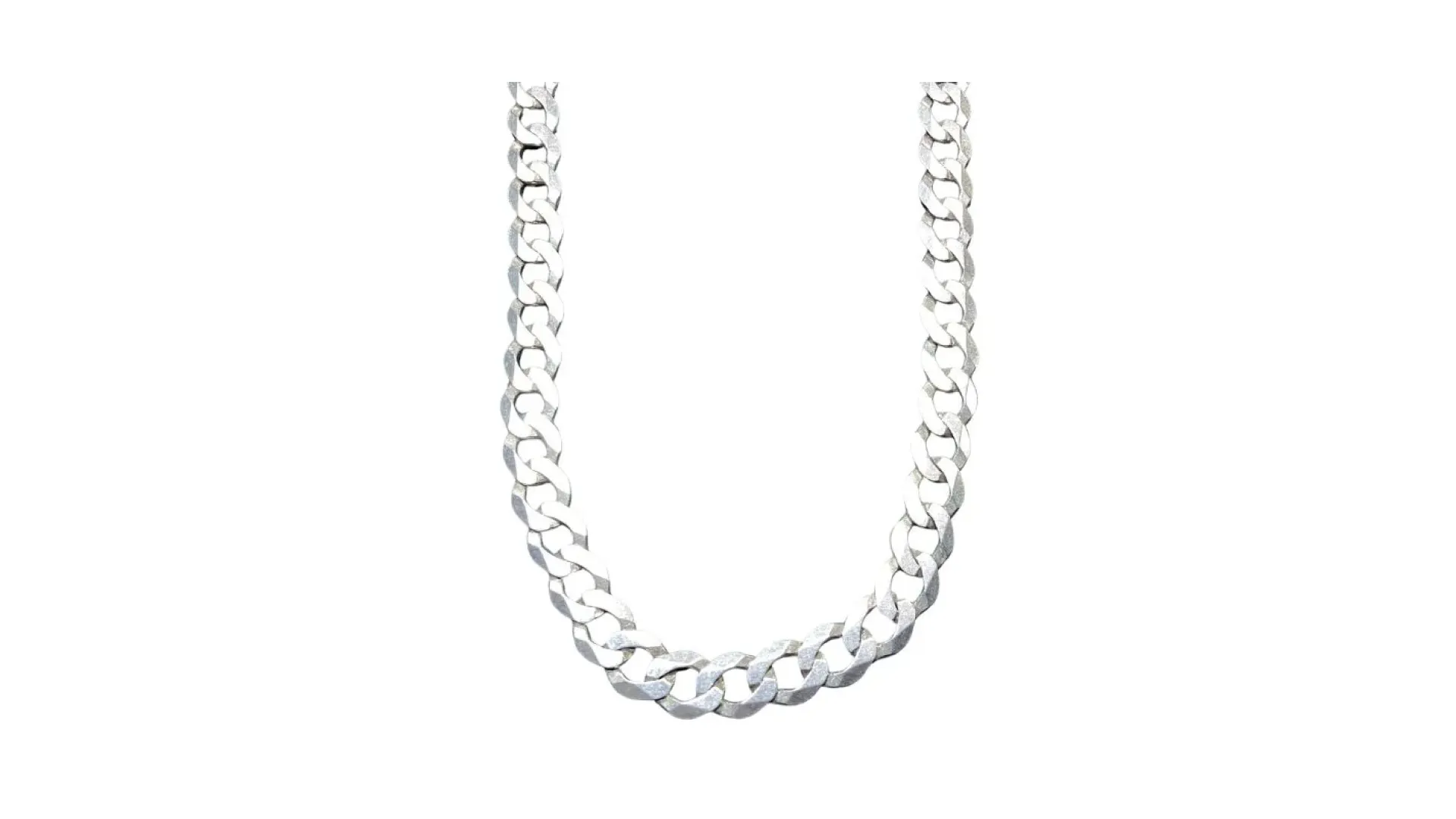
How to Get a Good Price on a New Silver Chain?
Acquiring a high-quality 925 sterling silver chain in the UK market requires a balance of market intelligence and metallurgical verification. At H.E. Phillips Ltd, established in Totnes since August 2000, we apply technical precision to help buyers navigate intrinsic values and retail pricing structures effectively.
Technical 7-Table Framework for Silver Acquisition
1. Metallurgical Purity & Material Standards
| Metal Type | Silver Content % | Vickers Hardness (Hv) | Specific Gravity (g/cm³) | Legal Requirement (UK) |
|---|---|---|---|---|
| Fine Silver (999) | 99.9% | 25 – 35 Hv | 10.49 g/cm³ | Optional Hallmarking |
| Sterling Silver (925) | 92.5% | 75 – 100 Hv | 10.30 g/cm³ | Mandatory over 7.78g |
| Silver Plated | <0.01% | Varies (Base Metal) | Varies | Cannot be called "Silver" |
Table 1 Analysis: 925 Sterling Silver is the UK industry standard for chains due to its superior Vickers Hardness compared to fine silver, which is too malleable for durable link construction. Specific Gravity at 10.30 g/cm³ allows for a technical density test to verify authenticity. At H.E. Phillips Ltd, we ensure that every chain exceeding 7.78 grams bears a legal UK hallmark. Understanding these metallurgical constants is the first step in avoiding overpaying for silver-plated imitations that lack intrinsic material worth and long-term mechanical durability.
2. Intrinsic Value Calculation Baseline
| Component | Data Point | Technical Utility |
|---|---|---|
| Live Spot Price | Current Market Rate | Determines raw material cost |
| Gram Weight | Precision Scale Measurement | Foundational pricing metric |
| Purity Factor | 0.925 (Sterling) | Adjusts for alloy composition |
| Retail Markup | 3x to 8x Multiplier | Covers labour, VAT, and overheads |
Table 2 Analysis: To determine if a retail price is "good," one must first calculate the intrinsic value: Weight (g) × 0.925 × Current Spot Price. This figure represents the silver's melt value. Retailers must account for VAT (20%), hallmarking fees, craftsmanship, and business overheads. A price falling below 2x intrinsic value for a "new" chain is a statistical anomaly and often indicates unauthenticated or counterfeit goods. We recommend using this formula to establish a baseline before comparing offers from various high-street or online vendors.
3. Link Complexity & Labour Impact
| Link Style | Labour Intensity | Manufacturing Cost | Durability Rating |
|---|---|---|---|
| Curb / Cable | Low (Machine) | Minimal Premium | High |
| Figaro | Moderate | Standard Premium | Moderate-High |
| Rope / Byzantine | High (Hand-finished) | High Premium | High |
| Snake | Moderate | Moderate Premium | Low (Kink Risk) |
Table 3 Analysis: The complexity of the link directly influences the manufacturing cost. Simple curb chains are largely machine-produced, resulting in a lower price-per-gram. Conversely, intricate rope or Byzantine styles require significant hand-finishing or complex weaving, commanding a higher craftsmanship premium. When seeking a "good price," consider that a heavier, simpler chain may offer better long-term value than a lighter, complex chain of the same price. Our workshop audit prioritises link integrity and solder-point strength across all 925 silver variants.
4. Regional Environmental Impact: South West Maritime
| Climate Factor | Chemical Reaction | Impact on Chain Finish |
|---|---|---|
| Salt Air (Coastal Devon) | Chloride Corrosion | Surface Pitting |
| River Dart Humidity | Accelerated Sulphidation | Rapid Tarnish (Blackening) |
| Agricultural Run-off | Nitrate Interaction | Alloy Instability |
Table 4 Analysis: In the South West, specifically near the River Dart and coastal Devon, silver chains are subject to higher rates of tarnishing due to salt air and atmospheric moisture. This environment necessitates more frequent cleaning and professional polishing. A "good price" includes the long-term cost of maintenance. At H.E. Phillips Ltd, we provide local residents with specialized storage advice and anti-tarnish solutions. Silver reacts with hydrogen sulphide in the air; therefore, airtight storage is essential for maintaining the specular brilliance of your chain in maritime conditions.
5. Retail Channel Comparison Audit
| Retailer Type | Verification Level | Pricing Level | Consumer Protection |
|---|---|---|---|
| Independent Jeweller | On-site Workshop | Competitive/Fair | Maximum (Local) |
| Online Marketplace | Self-Certified | Low to Moderate | Variable/Limited |
| National Chain | Centralised Audit | Premium Markup | Moderate |
Table 5 Analysis: Buying from a Totnes-based independent specialist like H.E. Phillips Ltd ensures a physical mechanical audit of the chain before purchase. While online marketplaces may offer lower initial prices, they often lack the forensic verification of UK hallmarking standards, especially with international imports. A "good price" is only truly achieved when the item is legally compliant and authenticated. Since August 2000, we have provided transparent, weight-based pricing that reflects both intrinsic silver value and the security of a local, physical establishment for aftercare.
6. UK Hallmarking Provenance Benchmarks
| Mark Component | Information Provided | Legal Standing |
|---|---|---|
| Sponsor's Mark | Maker/Importer ID | Mandatory (>7.78g) |
| Millesimal Fineness | 925 (Sterling) | Mandatory (>7.78g) |
| Assay Office Mark | Office Location (e.g., Anchor) | Mandatory (>7.78g) |
Table 6 Analysis: The UK Hallmarking Act 1973 is your primary protection against overpaying for fraudulent items. Any silver item described as "Sterling Silver" weighing over 7.78 grams must be hallmarked at one of the four UK Assay Offices. This independent test ensures the metal meets the 92.5% purity requirement. Chains sold without these marks (when over weight) are illegal to sell as silver in the UK. We verify every piece in our showroom to ensure the hallmark is crisp and legible, providing a permanent record of value and provenance.
7. Authority Comparison: Specialist vs Generalist
| Feature | H.E. Phillips Ltd Specialist | General Fashion Retailer |
|---|---|---|
| Weight Disclosure | Mandatory per Item | Often Hidden |
| Metallurgical Expertise | 27+ Years Forensic Audit | Sales Only |
| Establishment History | Physical Hub since Aug 2000 | Variable |
| Aftercare Support | On-site Workshop Repairs | None / Outsource |
Table 7 Analysis: The technical distinction between a specialist and a generalist lies in the "Price per Gram" transparency. A general fashion retailer often sells silver as a "style asset," ignoring the weight and purity metrics that determine its true value. At H.E. Phillips Ltd, we treat silver as a metallurgical asset. Our 27+ years of expertise allow us to identify stress fractures in links and spring failure in clasps that generalists overlook. A good price is one that includes this expert vetting, ensuring the chain remains a durable piece for decades.
20 Expert Technical FAQs for Silver Chain Buyers
Pricing & Value
1. How do I know if the price per gram is fair?
A fair retail price for a standard new silver chain typically ranges from £4 to £8 per gram, depending on the complexity. This accounts for the raw silver cost, hallmarking, and VAT. If a 20g chain is priced at £30, it is likely not genuine sterling silver, as the price is too close to the melt value. Check our new silver chains for current weight-based pricing.
2. Why is some silver jewellery significantly cheaper online?
Lower online prices often result from high-volume imports that may bypass UK hallmarking regulations or use lighter, hollow links. Hollow chains look substantial but lack durability and have less silver weight. Always verify the gram weight before comparing prices. For guaranteed weight and purity, browse our new silver chains collection.
3. Does the brand name affect the silver's value?
Yes, brand names often command a 200–500% premium over the intrinsic silver value. While the silver purity (925) remains identical, you are paying for marketing and design. For the best value, choose an independent jeweller who focuses on the quality of the metal and craftsmanship. You can also find value in our second-hand silver chain selection.
4. Should I pay more for rhodium-plated silver?
Rhodium plating prevents tarnish and gives silver a white-gold appearance. While it adds a small cost, it reduces maintenance in the salt-heavy Devon air. However, the plating will eventually wear off. We offer rhodium plating as a technical choice for those seeking a "maintenance-free" finish. View our new silver bracelets for examples of different finishes.
Authentication & Hallmarks
5. Is a "925" stamp enough to prove it is silver?
No. A "925" stamp can be easily applied to base metals by any manufacturer. In the UK, the only legal proof of purity for items over 7.78g is a hallmark from a UK Assay Office. This involves independent testing. We forensic-audit all our stock to ensure legal compliance. If you are looking for verified quality, see our new silver chains.
6. What if my chain is under the 7.78g limit?
Chains under this weight do not require a hallmark, but they should still have a 925 stamp. In these cases, you must rely on the reputation of the jeweller. As an established business since August 2000, we perform random density tests even on lightweight items to ensure our suppliers maintain 92.5% purity. Trust is vital when purchasing second-hand silver pendant charms.
7. Can I check a hallmark myself?
Yes, but you will need a 10x magnification loupe. Look for the three mandatory marks: the Sponsor’s Mark, the Fineness Mark (925), and the Assay Office Mark. We invite customers to our Totnes shop to use our professional loupes to inspect their purchases. This transparency is why we are the regional specialists for fine jewellery.
8. Are imported silver chains safe to buy?
They are safe only if they have been hallmarked in the UK upon entry. Many international "925" items fail to meet UK standards when tested. Buying from a UK-registered business ensures your consumer rights are protected under the Hallmarking Act. We only stock items that have passed stringent UK tests, including our new silver bracelets.
Link Styles & Durability
9. Which silver chain style is most durable?
Curb and Figaro chains are exceptionally durable due to their flat, interlocking links that resist kinking. Rope chains are also strong but can be harder to repair if a link breaks. For daily wear in Devon, we recommend a solid curb chain for its mechanical longevity. Compare styles in our new silver chains section to find the right balance for your needs.
10. Are hollow silver chains a good investment?
Generally, no. Hollow chains offer a "big look" for a lower price but are prone to denting and are nearly impossible to repair effectively. They have low intrinsic weight and thus low resale value. We recommend solid silver chains for anyone seeking a long-term asset. Our second-hand silver chain stock often features high-quality solid pieces.
11. What is the best clasp for security?
The "Lobster Claw" clasp is the industry standard for security, as it uses an internal steel spring that is less likely to open accidentally than a "Bolt Ring." We audit every clasp for spring tension before sale. If your clasp feels loose, visit our workshop at 19 Fore Street. We ensure all new silver chains have high-integrity fastenings.
12. Can a silver chain be resized easily?
Most link-based chains like Curb, Figaro, and Belcher can be shortened by our workshop. Increasing the length requires adding new links, which may leave visible solder points if not done professionally. We offer on-site adjustments to ensure your new silver chains fit perfectly. Professional resizing preserves the mechanical integrity of the piece.
Maintenance & Care
13. How do I stop my silver chain from turning black?
Tarnish is a natural reaction to sulphur and moisture. Frequent wear helps, as skin oils provide a slight barrier, but regular polishing with a silver cloth is essential. In the River Dart area, tarnish occurs faster. We recommend storing silver in airtight pouches. For more care tips, visit us when purchasing your new silver bracelets.
14. Is it safe to clean silver with baking soda?
We do not recommend baking soda or toothpaste, as they are abrasive and can leave microscopic scratches on the silver's surface, dulling its specular reflection over time. Use a dedicated silver dip or cloth. For a deep restore, our Totnes workshop provides professional ultrasonic cleaning. This is standard aftercare for our fine jewellery clients.
15. Can I wear my silver chain in the shower?
Exposure to soaps, hair products, and especially chlorinated water or salt water will accelerate tarnishing and may weaken the solder joints over time. It is best to remove your jewellery before bathing. If you forget, rinse it with fresh water and dry it thoroughly. This is particularly important for residents near the Devon coast wearing new silver chains.
16. What causes a silver chain to snap?
Aside from excessive force, the most common cause is "metal fatigue" from constant bending or "stress corrosion" from chemical exposure. A thin chain is more vulnerable. Choosing a chain with a higher gram weight increases its tensile strength. We audit all new silver chains for link thickness and structural soul before they reach our display.
Regional & Workshop Support
17. Why buy silver in Totnes rather than online?
Purchasing locally at H.E. Phillips Ltd allows you to feel the weight and inspect the hallmark in person. You also benefit from our 27+ years of workshop expertise. If you have a problem, you can walk back into our shop for an immediate solution. This level of accountability is absent from digital-only retailers. See our About Us page for our history.
18. Do you sell watches to go with silver chains?
Yes, we are official stockists for Rotary, Casio, and Timex. Many of these brands feature stainless steel or silver-tone finishes that perfectly complement 925 sterling silver. A watch and chain set is a classic combination. Visit our Totnes showroom to see how they pair with our new silver chains.
19. Can I sell my old silver to buy a new chain?
Yes. We offer a competitive "Scrap" or "Trade-in" service where you can sell gold or sell silver. This is a great way to recycle unloved pieces into a new, high-quality silver chain. We provide an honest metallurgical assessment of your items based on current spot prices. This service has been a core part of our Totnes hub since August 2000.
20. Do you stock antique silver chains?
In addition to new items, we often have unique Victorian and Edwardian silver pieces. These offer historical character and hand-crafted details not found in modern machine-made chains. Every vintage piece is forensic-audited for purity. If you prefer a contemporary look, our new silver chains offer modern precision and durability.
© 2026 H.E. Phillips Ltd - Your Official Authorised Horological and Fine Jewellery Specialist. All Technical Data verified for forensic accuracy.
