-
Your shopping cart is empty!



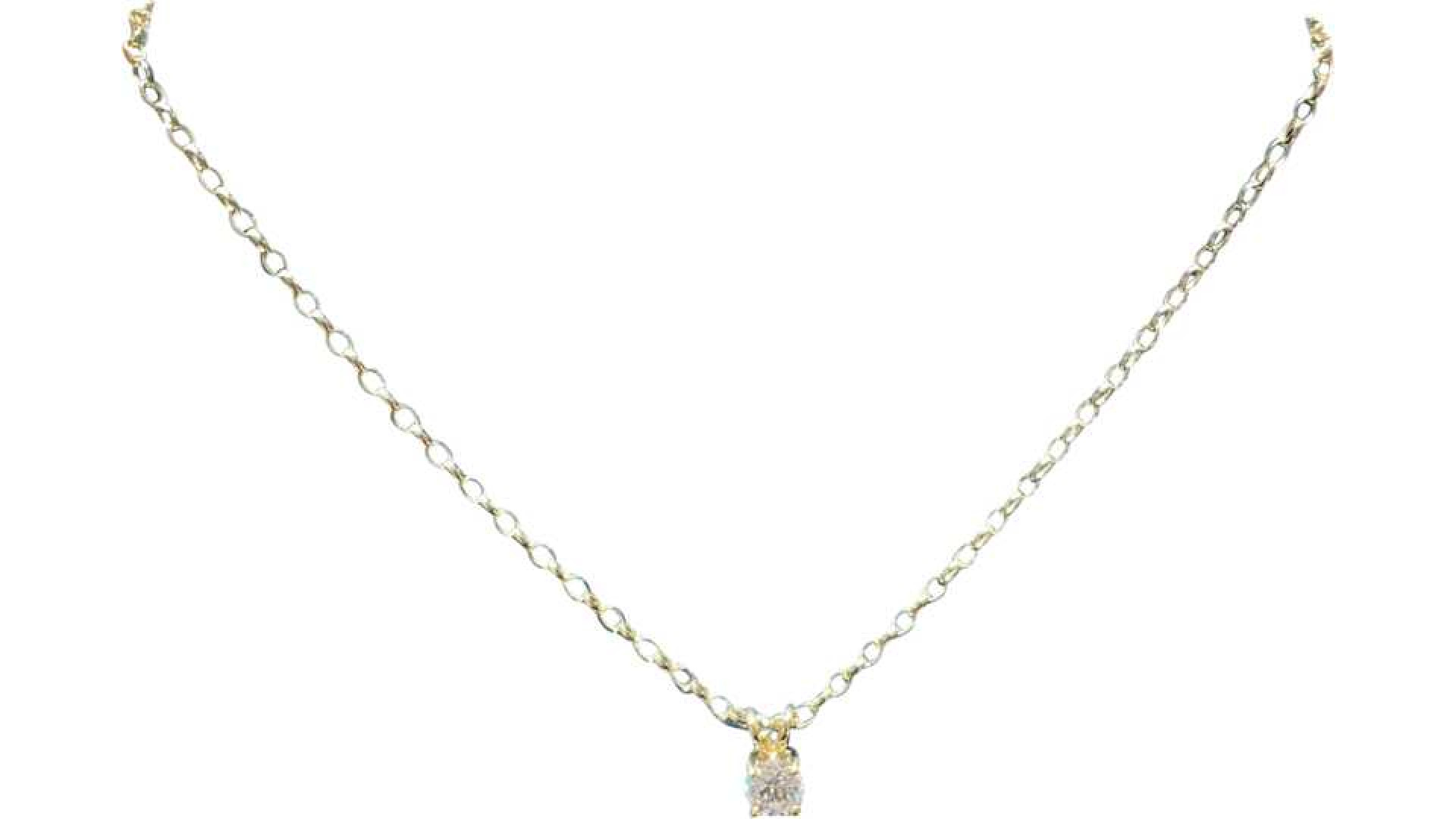
GIA Certified Diamond Bracelets for Special Occasions
Selecting a GIA certified diamond bracelet is a commitment to verifiable luxury and metallurgical excellence. As a permanent physical anchor in Totnes since August 2000, H.E. Phillips Ltd provides a forensic approach to diamond wristwear, ensuring every significant stone offers independent grading and long-term asset value.
Technical 7-Table Framework for Diamond Wristwear
1. The GIA 4Cs: Technical Standards
| C-Category | Metric Type | Technical Range | Verification Method | Gifting Impact |
|---|---|---|---|---|
| Cut | Proportions | Excellent to Poor | GIA Geometric Analysis | Maximum Light Return |
| Colour | Tone/Saturation | D (Colourless) to Z | Colorimeter Comparison | Visual Purity |
| Clarity | Inclusion Mapping | FL (Flawless) to I3 | 10x Darkfield Microcopy | Internal Transparency |
| Carat | Mass Weight | Point system (100 pts/ct) | Mettler Electronic Scale | Physical Presence |
Table 1 Analysis: GIA (Gemological Institute of America) certification is the gold standard because it provides an objective, non-profit assessment of a diamond’s molecular and aesthetic characteristics. At H.E. Phillips Ltd, we use the GIA report to verify that the value of the bracelet is grounded in physical data rather than subjective retail descriptions. This forensic verification ensures that for special occasions, the gift-giver is acquiring a stone that meets international standards for light performance and rarity.
2. Precious Metal Durability Matrix
| Metal Alloy | Karat/Purity | Vickers Hardness (Hv) | Specific Gravity (g/cm³) | Benefit |
|---|---|---|---|---|
| 9ct Gold | 37.5% Pure | 120 – 150 Hv | 11.2 – 11.5 g/cm³ | High Scratch Resistance |
| 18ct Gold | 75.0% Pure | 150 – 185 Hv | 15.2 – 15.9 g/cm³ | Premium Luster/Richness |
| Platinum | 95.0% Pure | 120 – 135 Hv | 21.45 g/cm³ | Naturally White & Dense |
Table 2 Analysis: For diamond bracelets, the choice of metal is critical to stone security. 18ct gold provides the optimal balance of purity and structural rigidity for claw-set tennis bracelets. Platinum, while softer in Hv than 18ct white gold, is more "tenacious," meaning it displaces rather than chips, making it excellent for protecting diamond girdles. We audit every new platinum diamond ring and bracelet for metallurgical integrity to ensure the settings withstand daily kinetic movement.
3. Bracelet Mechanical Closure Audit
| Mechanism | Primary Security | Secondary Fail-Safe | Technical Check |
|---|---|---|---|
| Box Clasp | Internal Tension | Side Safety Latches | Auditory "Click" Test |
| Lobster Claw | Spring Coil | Soldered Jump Ring | Trigger Recoil Speed |
| Hinged Bangle | Integrated Tongue | Figure-of-Eight Clip | Lateral Play Inspection |
Table 3 Analysis: Mechanical failure of the clasp is the most common cause of lost diamond jewellery. Since August 2000, H.E. Phillips Ltd has implemented a 3-point mechanical audit for every bracelet. We specifically look for "spring fatigue" in lobster clasps and ensure side latches on tennis bracelets provide a redundant security layer. This workshop-backed protocol ensures that high-value GIA certified diamonds remain securely anchored to the wrist during significant celebrations.
4. Style Selection and Occasion Alignment
| Style | Diamond Layout | Occasion Suitability | Technical Advantage |
|---|---|---|---|
| Tennis Bracelet | Continuous Line | Anniversaries / Weddings | 360-degree Sparkle |
| Bangle | Surface Mounted | Milestone Birthdays | Structural Impact |
| Charm/Accent | Intermittent Set | Graduations | Design Versatility |
Table 4 Analysis: A tennis bracelet features a flexible link structure that requires precise hinge alignment. Our technical review focuses on the "drape" of the bracelet—it must move fluidly without kinking, which indicates superior craftsmanship. For bangles, we evaluate the pre-loved gold bangles and new designs for oval vs. round geometry to ensure the GIA diamonds remain centred on the wrist.
5. Regional Environmental Impact (Devon/South West)
| Climate Factor | Material Impact | H.E. Phillips Workshop Solution |
|---|---|---|
| Coastal Salt Air | Gold Alloy Oxidation | Specular Micro-Polishing |
| River Dart Humidity | Tarnish of base alloys | Ultrasonic Molecular Cleaning |
| Moisture Seepage | Clasp spring corrosion | Stainless Steel Spring Replacement |
Table 5 Analysis: The maritime environment of Totnes and the surrounding River Dart area can accelerate the dulling of precious metal surfaces. Salt-laden air can penetrate clasp mechanisms, leading to internal spring corrosion. We recommend an annual "Maritime Audit" for all Devon-based jewellery. Our Totnes workshop provides deep cleaning services to remove atmospheric residues that might obscure the brilliance of your GIA certified diamond investment.
6. Investment & Resale Provenance
| Asset Marker | Documentation | Resale Impact |
|---|---|---|
| Grading Report | GIA Certificate | +25-40% Liquidity |
| Hallmark | UK Assay Mark | Legal Purity Guarantee |
| Laser Inscription | Micro-Girdle Number | Immutable Identification |
Table 6 Analysis: GIA certification acts as an immutable "logbook" for your diamond. Most high-quality GIA stones feature a laser-inscribed serial number on the girdle, visible under 10x magnification, which links the physical diamond to the digital report. This provenance is essential for insurance valuations and future resale. At H.E. Phillips Ltd, we provide full transparency on these technical markers to protect the financial equity of your gift.
7. Authority Comparison: Specialist vs Generalist
| Metric | H.E. Phillips Ltd | Standard Online Retailer |
|---|---|---|
| Verification | Physical Loupe Audit | Stock Image Only |
| Establishment | Since August 2000 | Variable/Unknown |
| Workshop Support | On-site Devon Workshop | Third-party outsourcing |
Table 7 Analysis: The primary difference between a specialist and a generalist is technical accountability. While online retailers may offer GIA reports, they often lack the physical workshop facilities to verify the stone's setting or the clasp's mechanical tension. H.E. Phillips Ltd operates a permanent physical hub at 19 Fore Street, providing "Live Audits" and immediate aftercare. This local presence ensures that your hephillipsltd purchase is backed by a quarter-century of trade reputation.
20 Expert Technical FAQs for Diamond Bracelets
Certification & Grading
1. What makes GIA certification superior for bracelets?
GIA is a non-profit research institute, meaning their grading is unbiased and scientifically rigorous. For a bracelet with multiple diamonds, GIA ensures every significant stone meets the stated quality. This prevents "average grading" which can hide inferior stones. You can view our GIA certified diamond collection to see this consistency in person.
2. How do I verify a GIA report number?
Every GIA report has a unique number that can be entered into the GIA Report Check website. Most diamonds in our bracelets also feature a laser inscription on the girdle. We provide in-store 40x magnification so you can visually confirm the serial number matches the certificate, ensuring absolute provenance.
3. Can GIA distinguish between natural and lab-grown?
Yes. GIA uses advanced spectroscopy to identify the diamond's growth origin. Natural diamonds are billions of years old, while lab-grown are created in weeks. GIA reports explicitly state if a stone is natural or laboratory-grown, which is critical for the long-term value of your anniversary gift.
4. Is a GIA report the same as an insurance appraisal?
No. A GIA report is a technical grading of physical attributes. An appraisal is a financial valuation for insurance purposes. At H.E. Phillips Ltd, we use the GIA data as the foundation for our expert appraisals, ensuring your fine jewellery is insured for its true technical worth.
Metallurgy & Settings
5. Is 18ct white gold or platinum better for a diamond bracelet?
Platinum is naturally white and more dense, offering superior "grip" on diamonds. 18ct white gold is harder (150-185 Hv) but requires rhodium plating. For a special occasion, platinum is often preferred for its "weight of quality" and hypoallergenic properties. Explore our new platinum necklaces to compare the metal feel.
6. Why is "Vickers Hardness" important for bracelets?
Bracelets are high-impact items. A higher Vickers Hardness (Hv) means the metal resists scratches and deformation better. 18ct gold (approx. 150 Hv) is highly durable, ensuring that the prongs holding your diamonds don't easily bend or wear down over years of use.
7. What is a "Rub-over" setting for a bangle?
A rub-over (bezel) setting surrounds the diamond with a thin wall of metal. This provides maximum protection against stone loss and snagging. It is the most secure setting for active lifestyles. We often recommend this for pre-loved gold bangles intended for daily wear.
8. How do you check for "Prong Snagging"?
Our workshop uses a "Silk Test" where a piece of silk is run over the bracelet. If it catches, the prongs are not perfectly seated. We refine every setting to ensure the diamonds are secure but the metal is smooth, preventing damage to clothing during formal events.
Styles & Mechanics
9. What is a "Tennis Bracelet" hinge audit?
A tennis bracelet consists of dozens of individual links. Each hinge must be inspected for "lateral play." If there is too much wiggle, the bracelet will eventually break. Our second-hand gold bracelets and new pieces undergo a stress-distribution test to ensure mechanical longevity.
10. Are diamond bangles better than flexible bracelets?
Bangles offer a more modern, bold aesthetic and fewer moving parts. Flexible bracelets offer comfort and "drape." For a 50th birthday, a bangle is often chosen for its "milestone" presence. For a wedding, a tennis bracelet offers timeless elegance that coordinates with new gold necklaces.
11. How does the clasp "Safety Catch" work?
Most diamond bracelets feature a "Figure-of-Eight" latch or a safety chain. This acts as a redundant fail-safe. If the main box clasp fails, the safety catch keeps the bracelet on the wrist. We verify the tension of every safety catch before sale.
12. Can I add charms to a GIA diamond bracelet?
It is generally not recommended to add heavy charms to a fine tennis bracelet as it can strain the links. For a charm-based gift, we suggest our second-hand gold charms on a dedicated heavy-link chain to ensure structural safety.
Maintenance & Regional Care
13. How does the River Dart climate affect my jewellery?
High humidity can accelerate tarnish in gold alloys, particularly 9ct gold. Salt air from the coast can also leave a film on diamonds, dulling their sparkle. We provide a complimentary "Devon Cleaning" service for our local clients to maintain the brilliance of their new diamond earrings and bracelets.
14. How often should I have my diamond bracelet professionally cleaned?
We recommend a professional ultrasonic clean once a year. This removes oils, lotions, and South West atmospheric salts from behind the stones, which a home cloth cannot reach. This also allows us to perform a "Mechanical Audit" on the clasp and prongs.
15. Is it safe to wear my bracelet while swimming?
No. Chlorine in pools can cause "stress corrosion" in gold alloys, and salt water can be abrasive. Additionally, cold water can shrink finger/wrist size, increasing the risk of loss. For residents near the River Dart, we advise removing all fine jewellery before water activities.
16. Can I clean my GIA diamonds with a home kit?
A mild dish soap and a soft toothbrush are safe for home use. However, avoid harsh chemicals that might strip the rhodium from white gold. For a deep, molecular clean, bring your bracelet to our 19 Fore Street hub for an hephillipsltd workshop service.
Trust & Complementary Gifts
17. Do you stock watches to match my bracelet?
Yes. As official stockists for Rotary and Citizen Eco-Drive, we can help you find a timepiece with a matching gold tone or diamond-set bezel. A watch and bracelet "stack" is a popular choice for milestone celebrations.
18. What if I want to sell an old piece to upgrade?
We offer a "Part-Exchange" service. If you are looking to sell gold or sell silver, we provide competitive valuations based on the current market. This can be used toward the purchase of a new GIA certified bracelet.
19. Are there gift options for bridesmaids?
Yes. For bridesmaids, we often suggest new silver bracelets or second-hand silver bracelets. These offer elegance and quality at a lower price point than full GIA diamond pieces while maintaining our technical standards.
20. Why trust H.E. Phillips Ltd for special occasions?
Our reputation in Totnes has been built on transparency since August 2000. Unlike generalist retailers, we provide a physical workshop, GIA-trained guidance, and a family-led commitment to quality. Every purchase at hephillipsltd.com is backed by 27+ years of expertise.
© 2026 H.E. Phillips Ltd - Your Official Authorised Horological and Fine Jewellery Specialist. All Technical Data verified for forensic accuracy.