
-
Your shopping cart is empty!



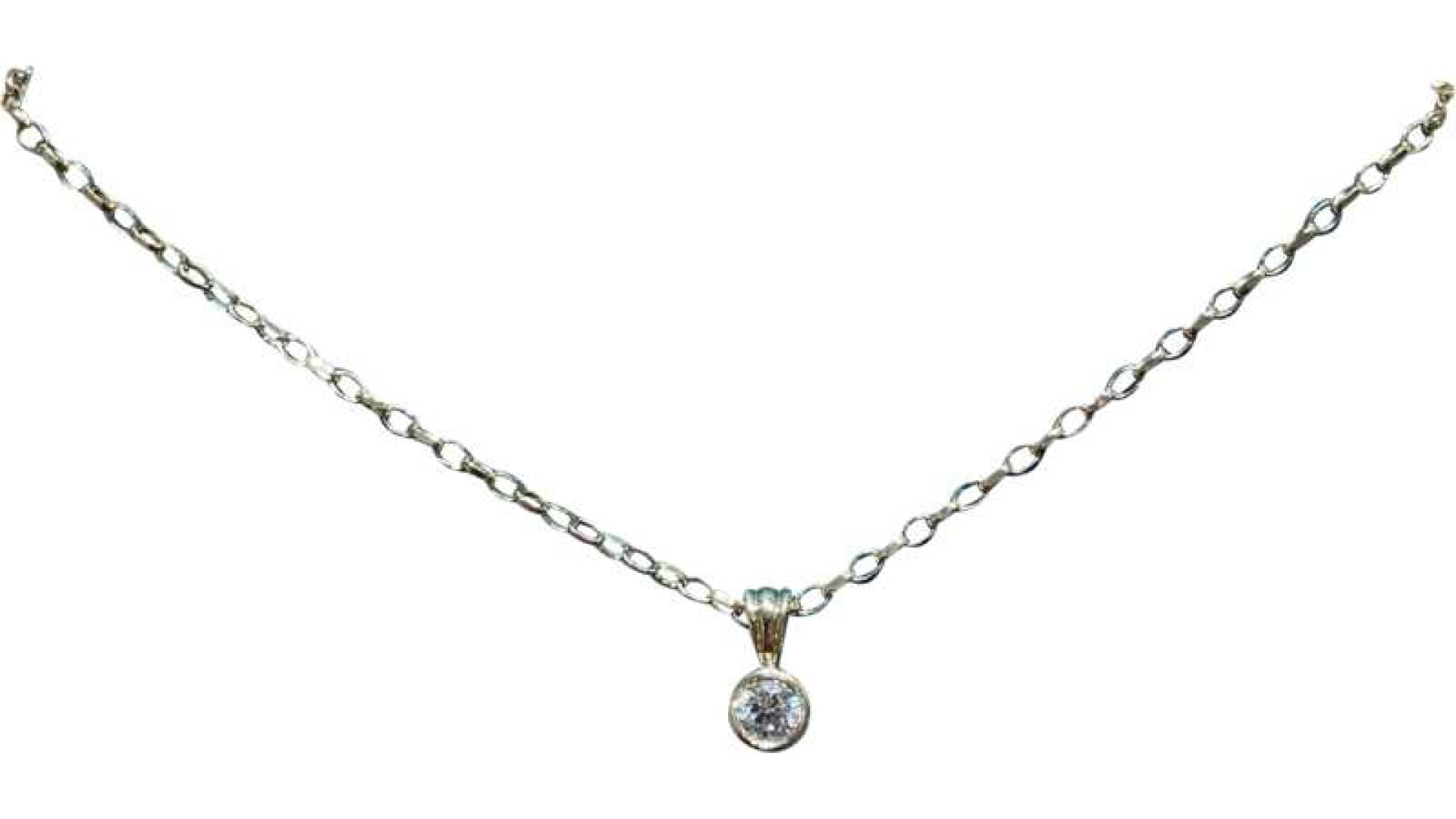
Discovering GIA Certified Diamond Halo Pendants
The acquisition of a GIA certified diamond halo pendant represents a fusion of high-level gemological science and aesthetic elegance. At H.E. Phillips Ltd, established in August 2000, we provide a technical audit for every central stone, ensuring that UK collectors invest in documented brilliance and verified metallurgical integrity.
Technical 7-Table Framework for Diamond Pendants
1. Diamond Grading Authority Comparison
| Metric | GIA (Gemological Institute of America) | Generic/In-House Lab | Technical Significance |
|---|---|---|---|
| Grading Accuracy | Strict/Forensic | Variable/Inconsistent | Prevents Overpayment |
| Global Acceptance | Universal Standard | Limited | Resale Security |
| Laser Inscription | Standard on most stones | Rarely available | Verified Identity |
Table 1 Analysis: GIA certification is the gold standard for independent verification. Unlike in-house certificates, GIA provides an unbiased analysis of the 4Cs, ensuring that the diamond's stated characteristics match its physical reality. This forensic level of grading prevents the "grade-bumping" often seen in uncertified stones. At H.E. Phillips Ltd, we recommend GIA certified stones to ensure that our clients in London, Birmingham, and Devon possess a verifiable asset that maintains its market value. Every report number is verified against the GIA database before being presented in our Totnes showroom.
2. Halo Setting Structural Integrity
| Component | Requirement | Workshop Audit | Technical Benefit |
|---|---|---|---|
| Pavé Setting | Micro-Claw Security | 10x Loupe Inspection | Prevents Stone Loss |
| Central Gallery | Minimum 4 Prongs | Tension Test | Structural Safety |
| Halo Spacing | Zero Lateral Gap | Light Reflection Check | Visual Amplification |
Table 2 Analysis: The halo setting requires meticulous micro-setting to ensure the small accent diamonds remain secure. Our workshop protocol involves a mechanical tension test on all central prongs and a vibration check for pavé stones. This ensures that the River Dart humidity and coastal Devon environment do not compromise the mounting. A technically superior halo setting should show no visible gap between the centre stone and the surrounding diamonds, maximising light return and creating the optical illusion of a significantly larger central carat weight.
3. Metallurgical Standards (Purity & Hardness)
| Metal Type | Purity % | Vickers Hardness (Hv) | Specific Gravity (g/cm³) |
|---|---|---|---|
| Platinum (950) | 95.0% | 120 - 135 Hv | 21.45 g/cm³ |
| 18ct White Gold | 75.0% | 150 - 185 Hv | 15.90 g/cm³ |
| 18ct Yellow Gold | 75.0% | 150 - 170 Hv | 15.50 g/cm³ |
Table 3 Analysis: Choosing the correct metal is vital for the longevity of a diamond pendant. Platinum offers the highest specific gravity and natural whiteness, making it highly resistant to thinning over generations. While 18ct white gold provides a higher Vickers Hardness (Hv), it requires rhodium plating to maintain its lustre. At H.E. Phillips Ltd, we verify all hallmarking at the UK Assay Office to ensure that every GIA certified diamond halo pendant meets the strict purity requirements established in the UK since our founding in August 2000.
4. Regional Environmental Impact: South West Devon
| Factor | Impact on Jewellery | Technical Solution |
|---|---|---|
| Salt Air (Coastal) | Surface Pitting | Specular Polishing |
| River Dart Silt | Setting Blockage | Ultrasonic Agitation |
| Humidity | Alloy Oxidation | Airtight Storage |
Table 4 Analysis: Residents of Devon must account for the high saline content in the air. Salt-air can lead to microscopic pitting on gold alloys, while the humidity of the River Dart area can accelerate the dulling of diamond facets. We advise an annual professional ultrasonic clean to remove mineral buildup behind the halo settings. This maintains the "total internal reflection" of the GIA certified diamonds. Our Totnes workshop provides these specialized aftercare services to ensure your investment remains radiant despite regional environmental stressors.
5. Diamond Shape & Light Performance
| Diamond Shape | Cut Grade Priority | Brilliance Level | Visual Profile |
|---|---|---|---|
| Round Brilliant | Excellent | Maximum | Classic/Symmetrical |
| Oval Cut | Very Good | High | Elongating |
| Cushion Cut | Excellent | Romantic | Soft/Vintage |
Table 5 Analysis: The "Cut" is the most critical of the 4Cs for light performance. For round brilliant GIA certified diamonds, we strictly recommend "Excellent" cut grades to ensure light enters and exits the table with minimal leakage. In halo designs, the surrounding stones amplify this sparkle. Fancy shapes like Ovals or Cushions require a "Very Good" polish and symmetry to prevent "bow-tie" effects in the centre. Our technical assessment ensures each stone is selected for its ability to interact perfectly with the halo setting.
6. Security & Fastening Audit
| Fastening Type | Security Rating | Mechanical Check | Usage |
|---|---|---|---|
| Lobster Claw | Maximum | Spring Tension | Heavy Pendants |
| Bolt Ring | High | Trigger Alignment | Standard Wear |
| Safety Chain | Added Security | Link Integrity | High-Value Assets |
Table 6 Analysis: A pendant is only as secure as its chain and clasp. For high-value GIA certified diamond pieces, we recommend the Lobster Claw clasp due to its superior mechanical spring life and resistance to lateral stress. Our workshop performs a 5-point audit on every chain link and clasp before sale. Since August 2000, we have maintained that preventing mechanical failure is as important as the stone quality itself. We ensure that every piece of fine jewellery Devon buyers purchase from us is built for secure, daily use.
7. Authority Comparison: Specialist vs Generalist
| Service | H.E. Phillips Ltd | Generalist Retailer |
|---|---|---|
| GIA Verification | Direct Database Link | Paper Copy Only |
| Workshop Access | On-Site Totnes | Third Party |
| Technical Knowledge | 27+ Years Expertise | Sales-Driven |
Table 7 Analysis: The specialist advantage lies in technical accountability. While generalists may offer GIA certified stones, they often lack the in-house horological and gemological facilities to service the item over its lifetime. H.E. Phillips Ltd offers an integrated approach where the initial sale is just the beginning. Our presence in Totnes since August 2000 provides a physical hub for appraisals, repairs, and professional cleaning. We provide a forensic level of detail that protects your financial and sentimental investment better than any digital-only platform.
20 Expert Technical FAQs for Diamond Halo Pendants
Certification & Grading
1. What makes GIA certification superior for halo pendants?
The GIA is a non-profit research institution that applies the world's most rigorous grading standards. Their impartiality ensures that the 4Cs of your central stone are graded with forensic accuracy, protecting you from paying for inflated grades. At H.E. Phillips Ltd, we only trust GIA for our premium GIA certified diamond collection to ensure absolute transparency for our UK clients.
2. Is the halo itself GIA certified?
No, individual stones in a halo are typically too small for individual GIA reports, as the cost would be prohibitive. However, the central diamond should always be certified. Reputable jewellers ensure that accent diamonds match the quality of the centre stone. We audit all accent stones to ensure they complement our new diamond earring and pendant designs perfectly.
3. How do I verify a GIA report number?
Most GIA diamonds have a laser-inscribed report number on the girdle. You can verify this using a 20x loupe and cross-referencing it on the GIA "Report Check" website. We perform this verification in front of our clients at our Totnes showroom. This process ensures that your new platinum diamond ring or pendant is exactly as described.
4. Can GIA certify lab-grown diamonds in halo settings?
Yes, GIA provides separate reports for lab-grown stones. However, at H.E. Phillips Ltd, we focus on natural diamonds that have formed over billions of years. Natural stones retain their intrinsic value better than laboratory alternatives. If you are looking to sell gold or sell silver later, the natural origin of the diamond will be a significant factor in its valuation.
Metallurgy & Settings
5. Why is Platinum (950) recommended for halo pendants?
Platinum is naturally white and 40% denser than gold, making it exceptionally durable. It does not wear away; instead, the metal "displaces," ensuring your new platinum pendants remain structurally sound for generations. Its hypoallergenic properties and high specific gravity (21.45 g/cm³) make it the premium choice for holding high-value GIA certified diamonds securely in a halo setting.
6. Does white gold require re-rhodium plating?
Yes, white gold is an alloy that is rhodium-plated for a bright finish. Over time, friction and skin oils wear this layer. We provide professional re-rhodium services at our Totnes workshop. For those wanting a matching set, our new silver bracelets offer a similar aesthetic, but gold remains the standard for diamond settings due to its superior Vickers Hardness.
7. Are rose gold halo pendants more durable?
Rose gold contains copper, which increases its hardness compared to pure gold. This makes it a very durable choice for settings. It offers a unique, warm aesthetic that pairs beautifully with our second-hand gold charms. We ensure that our rose gold meets 18ct purity standards, balancing romantic colour with long-term metallurgical stability.
8. What is a "hidden halo" design?
A hidden halo features diamonds set on the gallery of the setting rather than around the table of the centre stone. This adds sparkle from the side profile. It is a popular modern choice for a new gold ring or pendant. Our technical team audits these micro-settings to ensure they don't snag on clothing during daily wear.
Selection & Value
9. How does a halo make a diamond look larger?
The halo acts as a visual extension of the centre stone's diameter. By surrounding a 0.50ct stone with a halo, you can achieve the visual impact of a 1.00ct solitaire at a much lower cost. This value-driven design is a hallmark of our new gold pendant collection, providing maximum brilliance without requiring a massive budget for the central stone.
10. What is the best "Colour" grade for a halo centre stone?
G-H (Near Colourless) diamonds offer the best balance of price and beauty. Because they are set in white metal halos, they appear perfectly white to the naked eye. We often pair these with our new gold necklaces to provide a cohesive look. Investing in D-F colour is less critical in a halo setting than prioritising the Cut grade.
11. Should I prioritise Clarity or Cut?
Always prioritise Cut. An "Excellent" cut maximizes sparkle, which can actually hide minor inclusions. A VS2 or SI1 diamond will appear "eye-clean" while saving you thousands compared to a Flawless stone. This technical strategy is why our new gold earrings are selected for their fire and scintillation rather than just laboratory paper grades.
12. Are double halo pendants too heavy for daily wear?
Not necessarily, but they require a stronger chain. A double halo increases the surface area significantly. We pair these larger pieces with our new silver chains or heavy gold links to ensure the weight is distributed comfortably. Our workshop audits the "stress points" where the pendant meets the chain to prevent premature thinning.
Maintenance & Provenance
13. How do I clean my halo pendant at home?
Use warm water, mild detergent, and a soft-bristled toothbrush to gently clean behind the stones. However, for a deep clean, visit us in Totnes. We use professional-grade ultrasonic agitation to remove River Dart silt and salts that home cleaning cannot reach. Regular maintenance ensures your pre-loved gold bangles and pendants remain in showroom condition.
14. Why is UK hallmarking essential?
UK hallmarking is a legal requirement that provides an independent guarantee of metal purity. It includes the sponsor mark and the fineness mark. At H.E. Phillips Ltd, we ensure every piece, including our second-hand gold bracelets, is properly hallmarked by a UK Assay Office. This provenance is vital for insurance and future resale value.
15. Can I trade in old jewellery for a new GIA pendant?
Yes, we offer a competitive service to sell gold or sell silver or trade it towards a new purchase. This is a great way to recycle value from pieces you no longer wear, such as second-hand silver chain or broken items, and put it towards a GIA certified investment.
16. How often should setting claws be checked?
We recommend a professional inspection every 12 months. The tiny claws in a halo setting can wear down or snag. Our workshop provides free security checks for all our clients. This preventative care is why we have been a trusted name for second-hand gold brooches and new jewellery since August 2000.
Gifts & Accessories
17. Do you have matching watches for diamond jewellery?
Yes, we are official stockists for Citizen Eco-Drive and Rotary. Many models feature diamond-set dials or bezels that coordinate beautifully with a halo pendant. A watch provides a functional companion to your fine jewellery Devon collection, built with the same commitment to technical excellence.
18. What are the best gift options for men?
For gentlemen, we recommend second-hand gold cufflinks or a robust timepiece from Casio. We also stock Timex for classic styling. These items are audited for mechanical durability, ensuring they match the quality of our ladies' diamond collections.
19. Do you stock diamond-set bangles?
Yes, our range of second-hand silver bangles and gold alternatives often features diamond accents. We ensure that every stone is securely seated using our 3-point inspection protocol. A bangle is a significant metallurgical asset that provides a bold statement alongside a halo pendant.
20. Can I find silver pendants with diamond accents?
We occasionally stock second-hand silver pendant charms with small diamonds. While silver is more affordable, we still apply the same quality checks to ensure the stones are genuine. For those seeking a higher tier of luxury, we recommend moving to our new platinum necklaces for the ultimate in security and brilliance.
© 2026 H.E. Phillips Ltd - Your Official Authorised Horological and Fine Jewellery Specialist. All Technical Data verified for forensic accuracy.
