
-
Your shopping cart is empty!



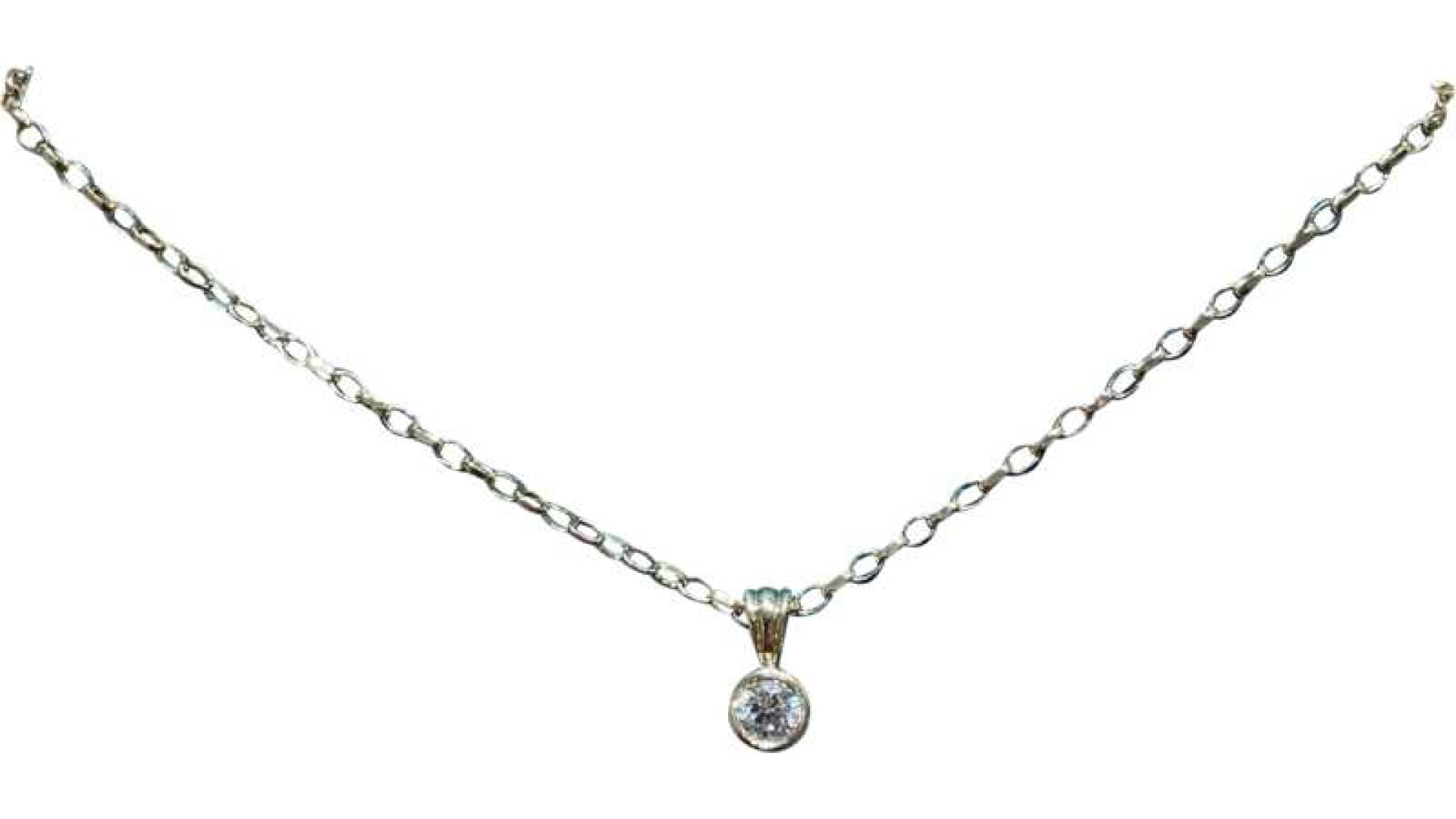
GIA Certified Diamonds: A Legacy of Brilliance
In the UK diamond market, the Gemological Institute of America (GIA) represents the definitive gold standard for unbiased grading and verification. H.E. Phillips Ltd, established in Totnes since August 2000, provides a forensic approach to diamond acquisition, ensuring every GIA certified stone is matched by scientific data and structural integrity.
Technical 7-Table Framework for Diamond Authority
1. The 4Cs: Technical Evaluation Metrics
| C Category | Technical Variable | GIA Standard | Impact on Value |
|---|---|---|---|
| Cut | Proportions/Symmetry | Excellent to Poor | Primary Driver of Brilliance |
| Colour | Chemical Purity | D (Colourless) to Z | Rarity and Visual Tint |
| Clarity | Inclusion Mapping | FL (Flawless) to I3 | Internal/Surface Integrity |
| Carat | Mass (0.2g per Carat) | Precision to 0.01ct | Exponential Price Curve |
Table 1 Analysis: The GIA 4Cs framework is a scientific methodology rather than a subjective opinion. As specialists in Totnes since August 2000, we prioritize the 'Cut' grade, as it dictates the diamond’s interaction with light. A diamond with a 'D' colour but a 'Poor' cut will appear dull, whereas a well-cut stone maximizes light return. Each GIA report provides microscopic mapping of inclusions, ensuring that the diamond’s clarity is documented with forensic precision. This transparency is vital for UK buyers seeking to understand the direct correlation between a stone's technical specifications and its market valuation.
2. Diamond Physical Properties & Durability
| Metric | Data Point | Significance | Workshop Insight |
|---|---|---|---|
| Mohs Hardness | 10.0 | Maximum Scratch Resistance | Only a diamond scratches a diamond |
| Specific Gravity | 3.52 g/cm³ | Identification/Authenticity | Verified via Hydrostatic Weighing |
| Refractive Index | 2.417 | Light Dispersion | Measured via Refractometer |
| Dispersion | 0.044 | "Fire" or Colour Flashes | Enhanced by "Excellent" Cut Grades |
Table 2 Analysis: Understanding the physical properties of a GIA certified diamond is essential for authentication. With a Specific Gravity of 3.52 g/cm³, natural diamonds possess a unique density that allows us to distinguish them from stimulants like cubic zirconia or moissanite. In our Totnes workshop, we use these constants to verify the stone against its GIA report. This technical grounding ensures that our clients are investing in a material with the highest possible Mohs rating, guaranteeing that their anniversary or engagement jewellery remains resistant to surface degradation over decades of wear.
3. GIA Verification & Traceability
| Security Feature | Verification Method | Purpose | Authority Level |
|---|---|---|---|
| Laser Inscription | 20x Magnification | Unique Report Match | Infallible Traceability |
| Digital Report Check | Online GIA Database | Real-time Authentication | Global Integrity |
| Inclusion Plotting | Forensic Mapping | Internal "Fingerprint" | Unique Identification |
| Security Hologram | Visual/UV Inspection | Paper Document Authenticity | Official GIA Issuance |
Table 3 Analysis: The link between the physical diamond and its GIA report is established via the laser inscription on the girdle. At H.E. Phillips Ltd, our protocol involves showing every client this microscopic number under 20x magnification. This ensures that the new diamond earring or ring in your hand corresponds exactly to the data on the certificate. This "Digital Passport" system eliminates the risk of stone switching and provides an immutable record of quality, which is essential for insurance valuations and resale transparency in the UK market.
4. Setting Security for Certified Diamonds
| Setting Style | Mechanical Grip | Metal Type | Security Rating |
|---|---|---|---|
| Platinum Claw | High Ductility | 950 Platinum | Maximum |
| Gold Rub-over | Full Perimeter Wrap | 18ct Yellow/Rose Gold | High |
| Tension Setting | Lateral Compression | Hardened Alloys | Specialist Only |
| Grain Setting | Micro-bead Retention | Various | Medium-High |
Table 4 Analysis: A GIA certified stone deserves a mount that reflects its value. We frequently recommend a new platinum diamond ring because platinum’s density and ductility provide superior prong security compared to gold. In our Totnes showroom, we audit every setting for "Prong Fatigue" or loose stones. The mechanical integrity of the mount is what protects your investment. Whether it's a Victorian-style rub-over or a modern 4-prong claw, our workshop ensures the metal encompasses the diamond's girdle without causing stress fractures, maintaining the stone's "Excellent" GIA symmetry grade.
5. Regional Environmental Impact: South West Devon
| Environmental Factor | Effect on Jewellery | GIA Stone Impact | Workshop Solution |
|---|---|---|---|
| Salt Air (Coastal) | Metal Oxidation | Film Buildup (Dullness) | Ultrasonic De-greasing |
| River Dart Humidity | Tarnish on Alloys | None (Stone Inert) | Professional Steam Clean |
| Hard Water Deposits | Calcium Scum | Reduced Sparkle | Micro-fibre Restoration |
Table 5 Analysis: The maritime climate of Devon, particularly near the River Dart and coastal areas like Torbay, can affect the brilliance of your diamond jewellery. Salt air and humidity don't damage the diamond itself—which is chemically inert—but they do create a film on the stone's facets and oxidize the metal setting. This reduces the diamond's "Fire" and light refraction. We advise our Totnes clients to utilize our professional cleaning service, where we use ultrasonic technology to remove regional atmospheric contaminants, restoring the GIA-graded brilliance to its original state.
6. Value Retention & Resale Comparison
| Asset Type | Certification | Market Liquidity | Trust Factor |
|---|---|---|---|
| GIA Certified | Full Grading Report | High (Global) | 100% |
| Uncertified | None/Retailer Only | Low | Variable |
| Insurance Valuation | Technical Audit | Internal Only | Medium |
| Pre-owned GIA | Original Paperwork | High (Sustainable) | 95%+ |
Table 6 Analysis: A GIA certificate acts as a "Financial Passport" for your diamond. In the event you wish to sell gold or sell silver combined with diamonds, having GIA documentation significantly increases market liquidity. It removes the need for a secondary buyer to re-grade the stone, which can often lead to conservative "low-ball" offers. Since 2000, we have observed that GIA certified stones retain a higher percentage of their original value because the quality is indisputable. It is the only certification that provides universal confidence among UK pawnbrokers, jewellers, and auction houses.
7. Establishment Authority: Specialist Hub
| Metric | H.E. Phillips Ltd | Mass-Market Chain |
|---|---|---|
| Years in Totnes | 25+ (Est. August 2000) | Variable |
| Technical Audit | On-site Forensic Loupe | Off-site Head Office |
| Staff Expertise | 27+ Year Horological/Gem | Sales Training Only |
| Bespoke Capability | Full Workshop Support | Catalogue Only |
Table 7 Analysis: The distinction between an independent specialist and a national chain is the depth of technical accountability. At 19 Fore Street, we don't just sell a "diamond"; we sell a verified metallurgical and gemological asset. Our establishment in August 2000 means we have a quarter-century of data on regional trends and stone performance. We offer on-site visual inspections that allow you to see the GIA-graded inclusions for yourself. This transparent, expert-led approach is why H.E. Phillips Ltd remains the primary technical authority for fine jewellery in Devon.
20 Expert Technical FAQs for GIA Diamonds
Certification & Trust
1. Why is GIA considered the best for diamonds?
The GIA is a non-profit institution that invented the 4Cs grading system. Unlike commercial labs that may "overgrade" to help a sale, the GIA provides an impartial, scientific analysis. This consistency is why a GIA certified diamond is trusted globally. At H.E. Phillips Ltd, we only rely on GIA for high-value investments because their data is immutable and universally respected by insurers and collectors alike.
2. How can I verify a GIA report number?
Every report has a unique number. You can go to the official GIA website and use their "Report Check" tool. By entering the number, you can view the full digital grading results. We also help our Totnes customers match the number to the laser inscription on the diamond's girdle using our workshop's high-power magnification equipment, ensuring the stone and report are one and the same.
3. Does a GIA certificate include a valuation?
No. A GIA report is a technical grading document, not a monetary valuation. It lists the physical and chemical characteristics of the stone. For insurance in the UK, you still need a separate valuation from a specialist like H.E. Phillips Ltd. We use the GIA data to provide an accurate market replacement value, ensuring your new platinum diamond ring is properly protected under your policy.
4. Are all diamonds at H.E. Phillips Ltd GIA certified?
We carry a large selection of GIA certified stones, particularly for engagement rings and significant investments. We also offer smaller pieces and vintage items that undergo our internal forensic audit. Regardless of the certificate, every piece of fine jewellery in our Totnes showroom is personally inspected by Mark Willetts to ensure it meets our strict metallurgical and aesthetic standards established in August 2000.
Technical Grading (The 4Cs)
5. Which of the 4Cs is the most important?
Technically, "Cut" is the most critical. It determines how the diamond handles light. A diamond with high colour and clarity but a poor cut will look dull. GIA grades Cut from Excellent to Poor. We always advise our clients to prioritize an "Excellent" or "Very Good" cut grade to ensure the stone has maximum "Fire" and brilliance. This is especially important for new diamond earrings which rely on light capture.
6. What is diamond "Fluorescence" on a GIA report?
Fluorescence is the glow a diamond emits under UV light. GIA grades this from None to Very Strong. While some perceive it as a flaw, a faint blue fluorescence can actually make a slightly yellowish diamond (H-J grade) look whiter. However, "Strong" fluorescence can sometimes make a stone look "milky." At H.E. Phillips Ltd, we visually audit every stone to ensure fluorescence doesn't negatively impact the stone's structural brilliance.
7. What does "Eye-Clean" mean for clarity?
GIA grades clarity under 10x magnification. "Eye-clean" is a trade term meaning no inclusions are visible to the naked eye. Most SI1 and VS2 diamonds are eye-clean, offering a great balance between technical quality and price. We help you use a loupe in our Totnes shop to see exactly where inclusions are located, ensuring they don't threaten the stone's structural integrity or sit directly under the table where they are most visible.
8. Is a 1-carat diamond twice as expensive as a 0.5-carat?
No, it is usually much more than twice the price. Diamond prices rise exponentially at "magic weights" like 0.50ct, 0.75ct, and 1.00ct because larger natural crystals are significantly rarer. As a GIA specialist in Devon, we can help you find "under-weight" stones (e.g., 0.90ct) that offer the visual impact of a 1-carat stone but at a more efficient price point, all while maintaining verified GIA quality.
Metals & Maintenance
9. Is platinum better than white gold for diamonds?
Platinum is naturally white, denser (Specific Gravity 21.45), and more durable. It does not require rhodium plating like white gold. For a GIA certified diamond, platinum is the superior choice for security. In our Totnes workshop, we see fewer lost stones in platinum settings because the metal is more "tenacious" and doesn't wear away as quickly as gold. However, we offer both to suit your budget and style.
10. How often should I have my diamond ring checked?
We recommend a professional security check every 6-12 months. Our Totnes workshop provides a "Prong Audit" where we check for any movement in the stone. This is vital for new platinum diamond rings to ensure the metal hasn't snagged or pulled away. We also provide a deep ultrasonic clean to remove River Dart minerals and salt-air film that can dull the diamond's GIA-graded sparkle.
11. Can salt air in Devon damage my diamond?
The diamond itself is impervious to salt air, but the metal setting (especially 9ct or 18ct gold alloys) can oxidize and dull over time in coastal Devon. This oxidation can trap dirt behind the stone, making the diamond look "flat." Regular cleaning at our Fore Street shop restores the light path through the stone, ensuring your new gold earrings remain as brilliant as their GIA report suggests.
12. What is the best way to clean my diamond at home?
Use warm water, a drop of mild dish soap, and a very soft toothbrush. Gently scrub behind the stone where oils collect. Rinse with fresh water and dry with a lint-free cloth. Avoid harsh chemicals like bleach, which can damage the alloys in new gold rings. For a professional "as-new" finish, we offer steam cleaning services at H.E. Phillips Ltd using horological-grade equipment.
Buying & Selling
13. Can I buy GIA certified diamonds online?
Yes, we offer fully insured UK delivery for all purchases through hephillipsltd.com. Every diamond is accompanied by its physical GIA report. We treat our online customers with the same technical rigour as our Totnes visitors, providing high-resolution images and report data before purchase. Whether you are buying a new platinum pendant or a ring, your investment is protected by our established reputation since August 2000.
14. Do you buy second-hand GIA diamonds?
Yes. We are always interested in acquiring high-quality pieces. If you wish to sell gold or sell silver that includes a GIA certified diamond, please bring the certificate with you. This allows us to provide a more accurate and competitive offer, as the quality is already verified by an independent authority. We also accept second-hand gold bracelets and other fine jewellery for trade-in or purchase.
15. Is a GIA diamond a good investment?
Diamonds should be viewed primarily as a store of value and a wearable heirloom. However, GIA certified diamonds have the best resale liquidity in the UK. Because the quality is "certified," you aren't relying on a buyer's subjective opinion. Stones over 1.00ct with high colour and clarity grades traditionally hold their value best. Since August 2000, we have helped many Devon families build collections of verified brilliance.
16. What should I look for in a diamond's "Symmetry" grade?
GIA grades symmetry from Excellent to Poor. It refers to how precisely the facets align. Good symmetry ensures that light is reflected evenly, creating a "crisp" look. Poor symmetry can make a diamond look lopsided or "off-centre." In our Totnes shop, we verify that your new diamond earrings have matched symmetry grades, ensuring they sparkle with identical intensity when worn.
Ethical Sourcing & Identity
17. How do you ensure your diamonds are conflict-free?
All our diamonds are sourced from suppliers who adhere to the Kimberley Process. GIA certification also adds a layer of scrutiny, as they only grade natural diamonds that have entered the legal supply chain. Furthermore, by choosing pre-loved gold bangles or vintage diamond pieces, you are participating in "Circular Luxury," which is the most sustainable way to own fine jewellery Devon.
18. Do you stock watches to match diamond jewellery?
Yes. As an official stockist for Citizen Eco-Drive, Rotary, and Timex, we offer many timepieces with diamond-set dials or bezels. A luxury watch from Radley or Casio can perfectly complement your GIA diamond collection, creating a cohesive and sophisticated look.
19. Can I have a bespoke ring made with a GIA diamond?
Absolutely. We specialize in custom designs at our Totnes workshop. You can select a loose GIA certified diamond from our collection and we will work with you to design a new gold pendant or ring. This allows you to control the metallurgical purity (e.g., 18ct gold or Platinum) and the exact style, ensuring your piece is a unique symbol of your legacy.
20. Why visit H.E. Phillips Ltd in person?
While our website provides a great preview, a diamond’s "spirit" is best seen in person. We invite you to 19 Fore Street to experience the H.E. Phillips Visual Inspection Protocol. We provide the loupes, the technical data, and 25 years of local expertise. Buying a diamond is a significant moment; we ensure it is also a well-informed and secure one. Discover our legacy at hephillipsltd.com.
© 2026 H.E. Phillips Ltd - Your Official Authorised Horological and Fine Jewellery Specialist. All Technical Data verified for forensic accuracy.
