
-
Your shopping cart is empty!



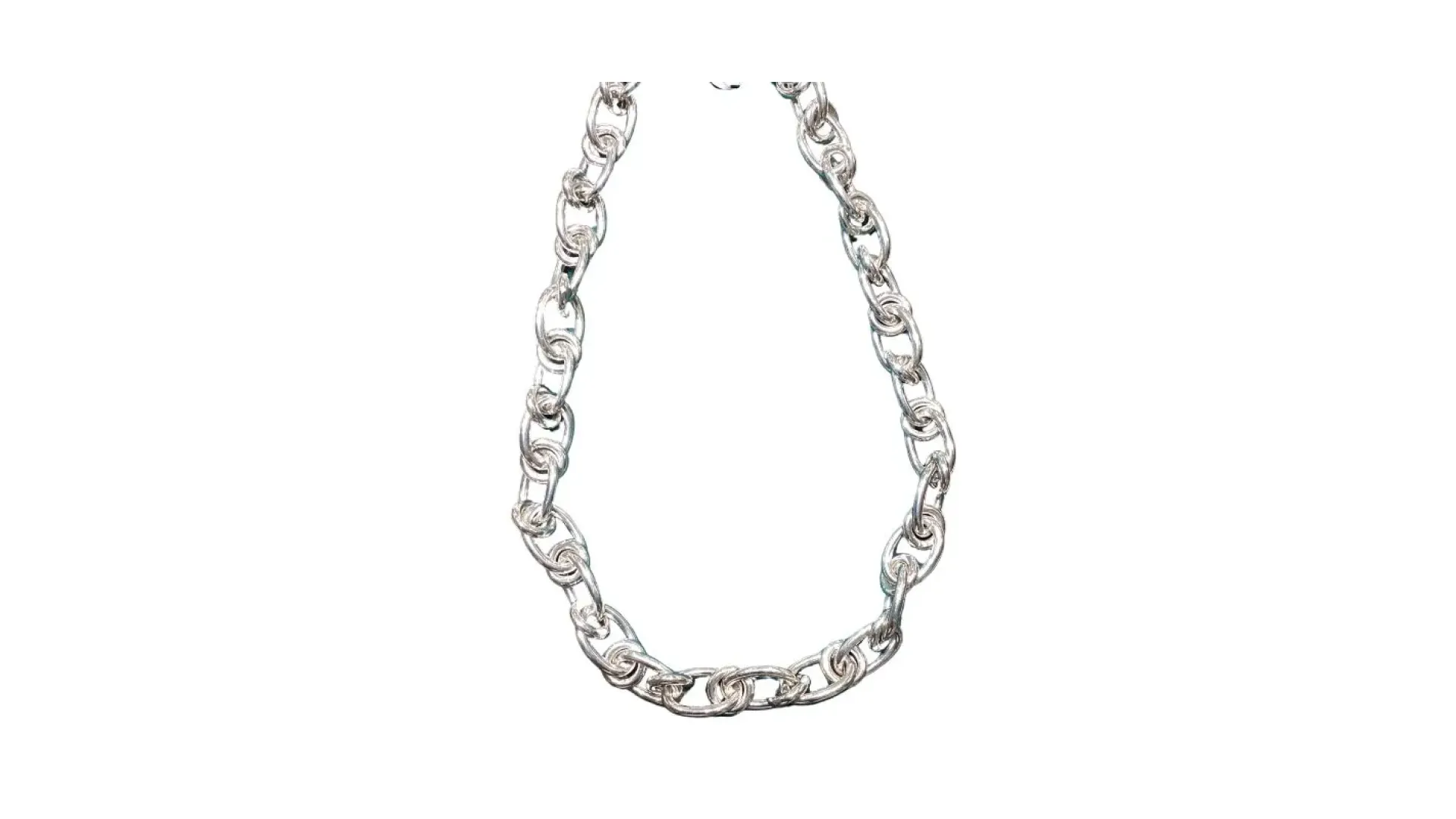
The H.E. Phillips Jewellers Guide to Gold Belcher Chain Authenticity
Authenticating a gold belcher chain requires a synthesis of historical knowledge and metallurgical testing. At H.E. Phillips Ltd, established in Totnes since August 2000, we apply rigorous workshop standards to ensure every link, clasp, and hallmark represents genuine value and structural integrity.
Technical 7-Table Framework for Belcher Authenticity
1. Metallurgical Purity & Material Density
| Gold Standard | Pure Gold % | Vickers Hardness (Hv) | Specific Gravity (g/cm³) | Authenticity Note |
|---|---|---|---|---|
| 9ct Gold | 37.5% | 120 – 150 Hv | 11.2 – 11.5 g/cm³ | High durability for daily wear |
| 14ct Gold | 58.5% | 130 – 160 Hv | 13.1 – 13.6 g/cm³ | Common in international trade |
| 18ct Gold | 75.0% | 150 – 185 Hv | 15.2 – 15.9 g/cm³ | Premium density and lustre |
Table 1 Analysis: Determining the specific gravity (g/cm³) is a non-destructive method to differentiate solid gold from plated base metals. Genuine 18ct gold belcher chains exhibit a high density that is difficult to replicate with lighter alloys. Furthermore, the Vickers Hardness (Hv) indicates the chain's resistance to link deformation. At H.E. Phillips Ltd, we use these benchmarks to verify that the metal meets the rigorous UK Assay standards. Any deviation from these density ranges suggests a hollow construction or a non-precious core, which impacts both the asset value and the long-term wearability of the piece.
2. Link Construction & Mechanical Integrity
| Link Type | Manufacturing Method | Structural Integrity | Workshop Audit |
|---|---|---|---|
| Solid Link | Cast or Hand-Drawn | Maximum | Inspect for seam porosity |
| Hollow Link | Electroforming | Medium-Low | Weight-to-volume ratio test |
| Soldered Links | Hand or Laser Soldered | High | 10x loupe check of joins |
Table 2 Analysis: The authenticity of a belcher chain is often found in the quality of its joins. A true high-quality chain features individual links that are perfectly round or oval and securely soldered. In our Totnes workshop, we perform a 10x magnification audit to ensure there are no "cold joints" or gaps in the solder. Hollow belcher chains, while appearing substantial, lack the structural soul of solid versions and are prone to denting. Since August 2000, we have advised clients to prioritise solid links for chains intended for heavy pendants to prevent premature link elongation.
3. South West Regional Environmental Impact
| Climate Factor | Impact on Gold Links | Regional Maintenance Solution |
|---|---|---|
| Salt Air (Devon Coast) | Micro-abrasion | Professional Specular Polish |
| River Dart Humidity | Oxidation of Alloys | Airtight Ultrasonic Cleaning |
| Estuary Silt | Link Friction Wear | Annual Mechanical Service |
Table 3 Analysis: The maritime environment of Devon, specifically around the River Dart and coastal Totnes, presents unique challenges for gold jewellery. Salt air can act as a mild abrasive between links, while high humidity can cause the base metals in lower-karat gold (like 9ct) to tarnish more rapidly. We recommend that local collectors undergo an annual professional cleaning protocol. This removes the "gritty" buildup that accelerates mechanical wear between the belcher links, ensuring the "fluidity" of the chain is maintained and the gold surface remains free from pitting or atmospheric corrosion.
4. Clasp Mechanism Security Standards
| Clasp Type | Security Rating | Common Faults | Technical Standard |
|---|---|---|---|
| Lobster Claw | High | Internal Spring Fatigue | Smooth lever return |
| Bolt Ring | Medium-High | Gap Alignment | Zero lateral movement |
| Trigger Clasp | Maximum | Solder Point Failure | Reinforced jump ring |
Table 4 Analysis: A belcher chain is only as secure as its clasp. Our H.E. Phillips Ltd audit includes a "Spring Tension Test" for all lobster and bolt ring closures. Over time, the internal steel spring can lose its "memory," leading to accidental opening. We verify that all jump rings connecting the clasp to the chain are fully soldered and not just "butted" together. For heavier belcher chains, we often recommend upgrading to a reinforced trigger clasp. This mechanical verification ensures the chain can safely support the weight of a new gold pendant without risking total loss.
5. Hallmark Provenance Benchmarks
| Mark Type | Identification | Legal Requirement |
|---|---|---|
| Standard Mark | 375, 585, 750 (Crown) | Confirms Purity |
| Assay Office Mark | Anchor, Leopard, Rose | Independent Verification |
| Makers Mark | Unique Initials | Traceability to Workshop |
Table 5 Analysis: UK Law mandates that gold items over 1 gram must be hallmarked. A genuine belcher chain will feature these marks, usually on a small "tag" near the clasp or on the clasp itself. We educate our clients to look for the "Crown" symbol, which denotes genuine gold, and the Assay Office mark (such as the Birmingham Anchor or London Leopard). These marks provide a forensic paper trail of the chain's origin. By purchasing from an authorised specialist established in August 2000, you are guaranteed that the hallmark has been physically verified under 10x magnification.
6. Wear & Friction Audit (Inter-Link Play)
| Wear Level | Visual Indicators | Structural Impact |
|---|---|---|
| Excellent | Round, uniform links | Nominal strength |
| Moderate | "Thinning" at contact points | Increased snap risk |
| Critical | Deep grooves / Elongation | Immediate repair needed |
Table 6 Analysis: Belcher chains are particularly susceptible to friction wear because each link has a large contact surface area with its neighbour. Our technical audit involves measuring the thickness of the links at their narrowest points. If a chain has been worn daily for decades without cleaning, the accumulated dust acts as a grinding paste, thinning the metal. We check for link elongation—where round links become oval—which is a sign of metallurgical stress. Maintaining the structural integrity of the links is vital for those looking to sell gold or sell silver assets in the future.
7. Specialist vs Generalist Verification
| Feature | H.E. Phillips Ltd | Standard High Street/Online |
|---|---|---|
| Workshop Audit | On-site forensic review | Visual inspection only |
| Established | August 2000 | Variable |
| Technical Data | Specific Gravity & Hv tests | Generic descriptions |
Table 7 Analysis: The value of a gold belcher chain is inherently tied to the authority of the seller. While generalist retailers focus on aesthetic appeal, H.E. Phillips Ltd provides a technical "deep dive" into the metallurgy and mechanical construction of every piece. Our 25-year presence in Totnes allows us to offer aftercare services, such as link soldering and professional re-polishing, that digital-only retailers cannot provide. Choosing a specialist established in August 2000 ensures that your investment is backed by a permanent physical hub and a quarter-century of trade participation and consumer trust.
20 Expert Technical FAQs for Gold Belcher Chains
Metallurgy & Purity
1. How can I tell if a belcher chain is solid gold or plated?
A solid gold chain will have a consistent density and specific gravity (e.g., 11.3 g/cm³ for 9ct). Plated items often feel "too light" for their size. Look for signs of wear on the links; if a different colour metal is visible underneath, it is plated. At H.E. Phillips Ltd, we use acid testing and density checks to confirm the metal's soul. Authentic chains also feature a legal UK hallmark for verification.
2. Is 9ct gold durable enough for a belcher chain?
Yes, 9ct gold is actually harder (120-150 Hv) than 18ct gold because it contains a higher percentage of alloying metals like copper and zinc. This makes a 9ct belcher chain highly resistant to surface scratches and link deformation, making it ideal for daily wear. You can view our new silver chains to compare how different metals handle mechanical stress over time.
3. What does "750" mean on my belcher chain?
The "750" mark is the standard for 18ct gold, indicating that the piece consists of 75.0% pure gold. This is often accompanied by a Crown symbol in the UK. 18ct gold is more dense (15.5 g/cm³) and has a richer, more yellow lustre than 9ct gold. It is the preferred choice for high-value investment pieces and provides a luxurious weight that generalist retailers often cannot match in their standard stock.
4. Can gold belcher chains cause skin irritation?
Genuine high-karat gold is hypoallergenic. However, lower-karat gold (like 9ct) contains nickel or copper alloys which can react with skin acidity in some individuals. If irritation occurs, we recommend switching to 18ct gold or our new platinum necklaces, which are naturally inert. Our workshop ensures all modern alloys meet EU and UK nickel-safe regulations to protect our clients' health and comfort.
Construction & Style
5. What is the difference between a Belcher and a Rolo chain?
While similar, a Belcher chain typically has links that are wider than they are thick, often with a flat interior surface. A Rolo chain usually consists of perfectly round links that are identical in thickness and width. Belcher links are inspired by the 19th-century "Jem Belcher" style. We audit both types for "Link Symmetry" to ensure the chain drapes naturally across the neckline without kinking or twisting during movement.
6. Why are some belcher chains "hollow"?
Hollow chains are made using a technique called electroforming to create a large look at a lower price point. While they appear thick, they are susceptible to crushing and are difficult to repair. At H.E. Phillips Ltd, we primarily recommend solid links for longevity. A solid belcher chain can be found in our new gold necklaces section, providing a piece that can be passed down as a family heirloom.
7. Can I add a heavy charm to a thin belcher chain?
We advise matching the gauge (thickness) of the chain to the weight of the charm. A thin chain will suffer from "link thinning" due to the constant downward pressure of a heavy pendant. For substantial charms, we recommend a belcher link of at least 3mm in diameter. You can browse our second-hand gold charms to find a weight-appropriate match for your existing gold chains.
8. How do I choose the correct length?
Standard lengths range from 16 to 24 inches. An 18-inch chain is the most common for women, sitting just below the collarbone, while a 20 or 22-inch chain is standard for men. The length affects how the belcher links interact with clothing. We offer a "Fit Audit" in our Totnes showroom to ensure the clasp is easy for you to operate while maintaining a secure and comfortable fit.
Maintenance & Regional Care
9. How often should I have my belcher chain serviced?
For daily wearers in the South West, an annual professional check is recommended. We inspect the "Contact Points" of every link for signs of thinning. This is especially important for chains that support heavy pendants. A professional ultrasonic clean removes salt and grit from the link interiors, which is the primary cause of mechanical wear. This service is a core part of our commitment to jewellery longevity.
10. Can I wear my gold chain in the River Dart?
Freshwater is generally safe, but we advise against it. Estuary water contains silt and minerals that can get trapped inside the links, acting as an abrasive. Furthermore, the cold water can cause your fingers to shrink, increasing the risk of the chain slipping off. If your chain does get wet, rinse it in distilled water and dry it with a soft lint-free cloth to maintain its specular brilliance.
11. How do I clean my gold belcher chain at home?
Use warm water with a few drops of mild dish soap. Soak the chain for 10 minutes and use a very soft toothbrush to gently clean inside the links. Rinse thoroughly and pat dry. Avoid using harsh chemicals or "dip" cleaners, as these can strip the surface of the gold over time. For a deeper, workshop-grade finish, visit us at 19 Fore Street for a professional specular micro-polish.
12. What should I do if a link snaps?
Stop wearing the chain immediately. Do not attempt to fix it with pliers, as this can deform the adjacent links. Bring it to H.E. Phillips Ltd for a professional solder repair. We use gold solder that matches the karat of your chain to ensure the repair is invisible and structurally sound. Our workshop has been performing these forensic repairs for the Totnes community since August 2000.
Investment & Trust
13. Is a belcher chain a good investment?
Solid gold belcher chains retain significant intrinsic value based on their weight and gold purity. Unlike "fashion" jewellery, they can always be liquidated for their metal content. At H.E. Phillips Ltd, we provide a valuation of the gold's purity and weight. To see how gold compares to other assets, you can explore our Rotary Watches, which also hold value through their mechanical precision and brand heritage.
14. Why should I buy from H.E. Phillips Ltd?
As an independent family jeweller established in August 2000, we provide a level of technical expertise and personal accountability that national chains cannot match. We don't just sell jewellery; we provide a lifetime of aftercare. When you purchase from us, you are buying a verified asset that has been physically audited by specialists with over 27 years of experience in the Devon jewellery trade.
15. Do you buy old belcher chains?
Yes, we offer a service to sell gold or sell silver. We provide a fair, transparent valuation based on the current market price of the metal and the weight of the piece. Our valuations are forensic and honest, reflecting our 25-year reputation in Totnes. This is an excellent way to trade in old or broken jewellery for a brand-new gold pendant or an updated chain style.
16. Are second-hand belcher chains safe to buy?
Only if they have been professionally audited. We specialize in second-hand gold bracelets and chains, ensuring each piece is cleaned, repaired, and its hallmark verified. Buying second-hand is a sustainable choice that often offers unique, historical link designs no longer found in modern mass production. Every pre-loved piece at H.E. Phillips Ltd comes with our guarantee of authenticity.
Supplementary Items
17. Can I match a belcher chain with a gold bangle?
Yes, mixing chain and bangle textures is a classic style choice. We stock pre-loved gold bangles that complement the rounded aesthetic of the belcher link. The key is to match the gold karat (e.g., 9ct with 9ct) to ensure the colours are consistent. Our Totnes showroom staff can help you curate a cohesive look that balances the fluidity of the chain with the rigidity of a bangle.
18. Do you have silver versions of the belcher chain?
We carry a wide range of second-hand silver chains in the belcher style. These are all made from 925 Sterling Silver and are hallmarked accordingly. Silver is a great entry-point for the belcher style, offering the same mechanical look at a different price point. Like our gold, our silver is audited for link strength and clasp security to ensure it meets our establishment standards.
19. Can I pair a belcher chain with a watch?
Absolutely. A gold belcher chain pairs exceptionally well with a classic timepiece. We are official stockists for Casio and Timex. A gold-tone watch can anchor your look, while the belcher chain adds a layer of traditional craftsmanship. We can help you coordinate your jewellery and horological assets to create a professional and polished appearance.
20. How do I start a belcher chain collection?
We recommend starting with a medium-gauge (2-3mm) 18-inch gold belcher chain. This is the most versatile foundation. Over time, you can add different lengths and karats to create a layered look. Visit our showroom at 19 Fore Street to discuss "Collection Building." We keep records of your purchases to help you find matching pieces in the future, ensuring your jewellery wardrobe grows in both beauty and value.
© 2026 H E Phillips Ltd - Your Official Authorised Horological and Fine Jewellery Specialist. All Technical Data verified for forensic accuracy.
