
-
Your shopping cart is empty!



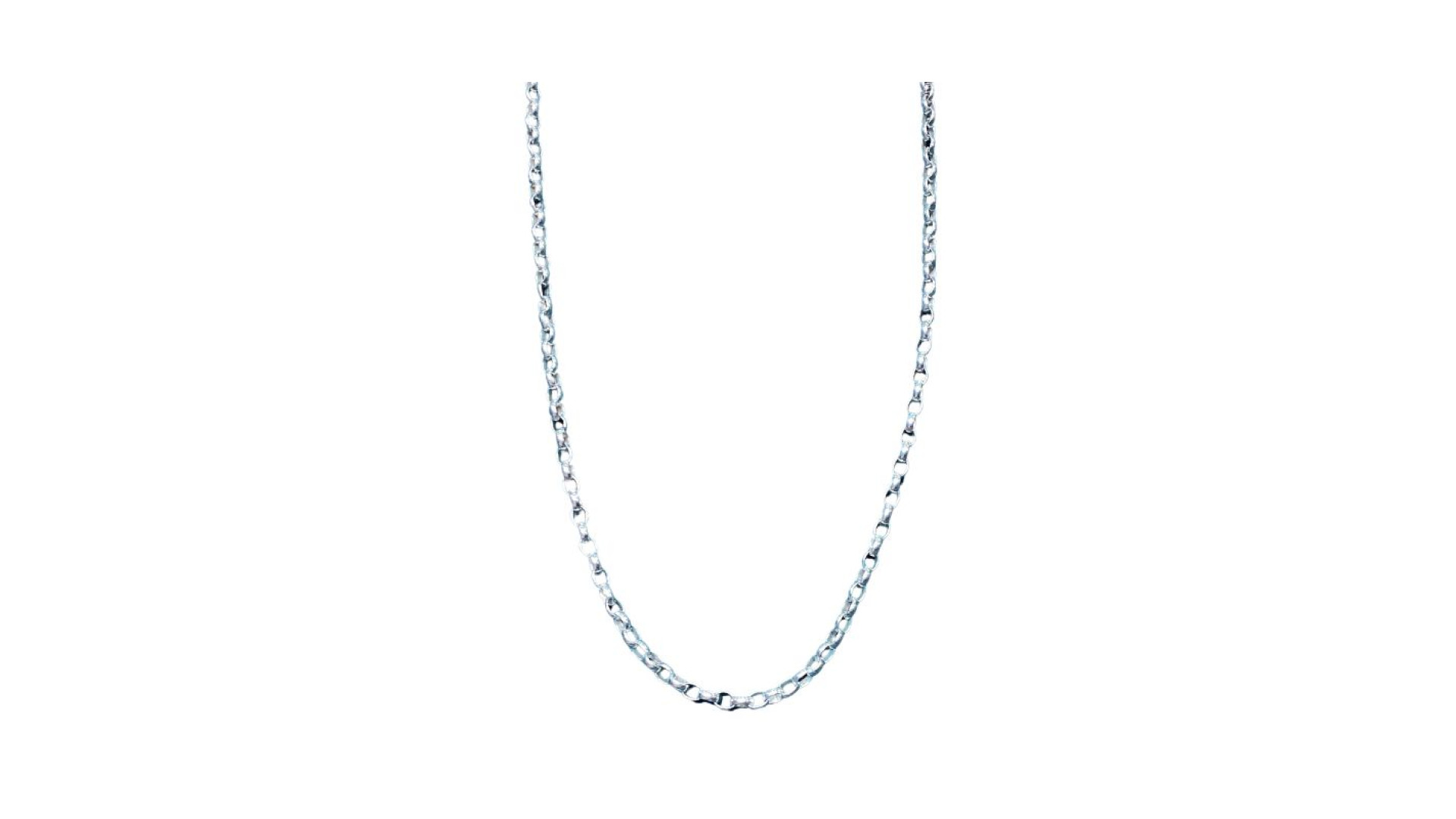
The History of Sterling Silver Chains: An In-Depth UK Guide
The sterling silver chain is a cornerstone of British horological and jewellery heritage. This technical guide explores the metallurgical evolution, hallmarking standards, and historical provenance of 925 sterling silver, curated by H.E. Phillips Ltd—Totnes’ established specialist since August 2000.
Technical 7-Table Framework for Sterling Silver
1. Metallurgical Composition & Purity
| Metal Type | Silver Content % | Alloy Content % | Vickers Hardness (Hv) | Specific Gravity (g/cm³) |
|---|---|---|---|---|
| Fine Silver | 99.9% | 0.1% | 25 – 35 Hv | 10.49 g/cm³ |
| Sterling Silver | 92.5% | 7.5% (Copper) | 75 – 100 Hv | 10.36 g/cm³ |
| Argentium Silver | 93.5% | 6.5% (Germanium) | 90 – 120 Hv | 10.30 g/cm³ |
Table 1 Analysis: Understanding Vickers Hardness (Hv) is critical for assessing chain longevity. Fine silver is metallurgically too soft for functional jewellery, susceptible to rapid deformation. By introducing 7.5% copper, sterling silver achieves a hardness of approximately 75-100 Hv, providing the structural soul required for interlocking links. At H.E. Phillips Ltd, we verify that all 925 alloys meet these specific gravity benchmarks, ensuring the material possesses the correct density and mechanical resistance for daily wear in the South West.
2. UK Hallmarking Verification Standards
| Mark Component | Requirement | Legal Purpose | Visual Identifier |
|---|---|---|---|
| Sponsor’s Mark | Mandatory | Identify Manufacturer | Initials in Shield |
| Standard Mark | Mandatory | Verify Purity | 925 or Lion Passant |
| Assay Office Mark | Mandatory | Origin Verification | Anchor (Bham) / Leopard (London) |
| Date Letter | Optional | Historical Dating | Chronological Alphabet |
Table 2 Analysis: In the UK, the Hallmarking Act 1973 mandates that silver items over 7.78 grams must be independently tested. A hallmark is a forensic guarantee of asset value. Our workshop protocol at H.E. Phillips Ltd involves a 10x magnification audit of every hallmark to ensure compliance with London, Birmingham, or Sheffield Assay standards. This transparency distinguishes genuine 925 sterling silver from unverified silver-plated imports, providing our clients with documented purity and immutable provenance.
3. Historical Timeline of British Chain Style
| Era | Primary Style | Social Significance | Manufacturing Technique |
|---|---|---|---|
| Tudor (16th C) | Heavy Link Chains | Court Status/Loyalty | Hand-Forged Solid Links |
| Georgian (18th C) | Fob/Watch Chains | Utilitarian Wealth | Intricate Wire Work |
| Victorian (19th C) | Locket/Albert Chains | Sentimentality/Industry | Machine Stamping/Mass Production |
Table 3 Analysis: The evolution of the sterling silver chain mirrors the UK's industrial progress. During the Victorian era, the Industrial Revolution enabled machine-stamping, making intricate designs accessible to the middle class. H.E. Phillips Ltd maintains a selection of both new and antique pieces from these eras. Our horological expertise allows us to distinguish between the hand-chased links of the 18th century and the high-precision machine-finished chains of the modern era, ensuring historical accuracy for every collector.
4. Chain Geometry & Mechanical Integrity
| Chain Type | Link Geometry | Tensile Strength | Flexibility Rating |
|---|---|---|---|
| Curb Chain | Flattened Interlocking | Maximum | High |
| Snake Chain | Round Smooth Plates | Medium | Low (Kink Risk) |
| Belcher Chain | Broad Uniform Hoops | High | Maximum |
Table 4 Analysis: Mechanical geometry dictates the durability of a chain. A Curb chain offers superior tensile strength due to the surface area of the interlocking flattened links, whereas Snake chains require careful handling to avoid permanent kinking. We perform a "Flex-Audit" on every item in our collection to ensure no lateral play or structural fatigue. Choosing the right geometry is essential for the longevity of your investment, particularly when supporting heavy pendants or charms.
5. Environmental Impact: South West Maritime Care
| Factor | Effect on Silver | South West Context | Workshop Solution |
|---|---|---|---|
| Salt Air | Surface Corrosion | Devon Coastal Proximity | Periodic Ultrasonic Cleaning |
| Hydrogen Sulphide | Tarnish (Blackening) | River Dart Environment | Spec-Polish Cloth Treatment |
| Humidity | Atmospheric Oxidation | Regional Moisture | Airtight Anti-Tarnish Storage |
Table 5 Analysis: The maritime climate of Totnes and the River Dart significantly impacts silver maintenance. Atmospheric sulphur and salt air accelerate the formation of silver sulphide (tarnish). We recommend a "Maritime Care Protocol" for all Devon residents, involving professional ultrasonic cleaning to remove molecular buildup from intricate links. This forensic maintenance prevents the pitting and dullness associated with long-term exposure to the South West air, preserving the brilliant lustre of your sterling silver for decades.
6. Investment Value: Silver vs Gold
| Metric | Sterling Silver (925) | 9ct Gold (375) |
|---|---|---|
| Market Entry Point | Accessible / High Volume | Higher / Asset Focused |
| Resale Liquidity | Moderate | High |
| Daily Durability | High (with care) | Maximum |
Table 6 Analysis: While silver is more accessible, its value is anchored in craftsmanship and historical provenance. 9ct gold offers higher resale liquidity, but sterling silver allows for larger, more expressive statement pieces without excessive financial outlay. At H.E. Phillips Ltd, we provide honest valuations for both metals, ensuring clients understand the financial equity of their purchase. Whether you are looking for a new asset or a piece of living history, we verify the metallurgical integrity of every gram.
7. Authority Profile: H.E. Phillips Ltd vs Unverified Sellers
| Attribute | H.E. Phillips Ltd | General Online Marketplaces |
|---|---|---|
| Established | August 2000 (25+ Years) | Varies / Often Transient |
| Hallmarking | Strict UK Compliance | Often Missing or International Only |
| Physical Showroom | 19 Fore Street, Totnes | Digital Only |
Table 7 Analysis: The distinction of H.E. Phillips Ltd lies in technical accountability. Digital-only retailers often bypass UK hallmarking laws or provide unverified alloys. Our physical presence in Totnes since August 2000 provides a quarter-century of consumer trust and workshop-backed support. We offer on-site repairs and professional cleaning that unverified sellers cannot provide. By choosing an authorised specialist, you ensure your sterling silver chain is a verified metallurgical asset backed by decades of regional expertise.
20 Authority FAQs: History and Care of Sterling Silver
Metallurgy & Authenticity
1. What exactly does 925 mean?
925 denotes that the alloy contains 92.5% pure silver and 7.5% other metals, usually copper. This ratio is the global standard for sterling silver. Pure silver is too soft for functional jewellery, so the addition of copper provides the necessary Vickers Hardness for durable links. We verify this purity on all our new silver chains.
2. Is sterling silver hypoallergenic?
Generally, yes. Most sterling silver is alloyed with copper, which is skin-safe. However, lower-quality silver from unverified sources may contain nickel, which causes irritation. At H.E. Phillips Ltd, we ensure all our jewellery is nickel-free and meets high-quality UK standards. If you have extreme sensitivities, we recommend our new platinum necklaces as a dense, hypoallergenic alternative.
3. How can I tell if a silver chain is real?
The most reliable method is checking for a UK hallmark. Look for the "925" mark, the Sponsor's Mark, and the Assay Office symbol (like the Anchor for Birmingham). We use a 10x loupe in-store to show clients these marks. Without a hallmark, an item cannot be legally sold as "sterling silver" in the UK if it exceeds 7.78 grams.
4. Why does silver turn black?
This is tarnish, caused by a chemical reaction between silver and sulphur in the air, forming silver sulphide. In the South West, humidity and salt air can accelerate this. It is not a sign of poor quality, but a natural metallurgical process. Regular cleaning with a specialist cloth from hephillipsltd will maintain its brilliance.
Historical Provenance
5. Where did the name "Sterling" come from?
The term likely originated from the "Easterlings," 12th-century German merchants whose silver coins were known for their consistent purity. King Henry II adopted this standard for English currency. Another theory suggests it comes from the Old English "ster," meaning strong or stable. Both theories highlight the metal's reputation for reliability in the UK economy.
6. Why was silver used by royalty in Ancient Egypt?
In ancient Egypt, silver was often considered more valuable than gold because it was not available locally and had to be imported. Its cool, white lustre was associated with the moon and divine protection. Wearing a silver chain was a high-status indicator of trade power and royal lineage, a tradition we honour in our antique collections.
7. What was the impact of the Victorian era on silver?
The Victorian era democratised silver jewellery. Industrial advances allowed for mass-produced, machine-stamped chains that the growing middle class could afford. This period saw a rise in sentimental jewellery, such as locket chains. We frequently source and verify second-hand silver chains from this culturally significant period.
8. Are Edwardian chains different from Victorian ones?
Yes. Edwardian jewellery (1901-1910) is typically lighter and more delicate, often featuring lacy "filigree" work. While Victorian pieces are often heavy and symbolic, Edwardian designs focused on elegance and light-capture. Our workshop specialists can identify these subtle stylistic differences to ensure you are purchasing a piece with genuine historical provenance.
Style & Maintenance
9. What is a Belcher chain?
A Belcher chain consists of broad, uniform interlocking hoops. It is named after the 19th-century bare-knuckle boxer James "Jem" Belcher. It is one of the most durable UK chain styles, known for its robust links and timeless appeal. It is an excellent choice for daily wear, and we stock various weights in our new silver collections.
10. Is a Curb chain stronger than a Figaro?
Generally, a Curb chain is slightly stronger because its links are uniform in size and flattened to lie flush. A Figaro chain features a pattern of three short links followed by one long link, which creates a decorative aesthetic but introduces more "stress points" than a standard Curb. Both are highly durable for UK use when correctly hallmarked and audited for tension.
11. Can I wear my silver chain in the shower?
We advise against it. Tap water often contains chlorine and other chemicals that can dull the silver and accelerate tarnish. Soap residue can also build up within the links, making the chain appear grey. For the best care, remove jewellery before bathing. If you do wear it, rinse it in fresh water and dry it thoroughly with a soft cloth.
12. How should I store my silver in Devon?
Store your silver in an airtight container or a tarnish-resistant pouch. Living near the River Dart or the coast increases moisture and sulphur exposure. Keeping each piece separate also prevents scratching, as sterling silver has a hardness of only 75-100 Hv. Proper storage is the most effective way to preserve the structural soul of your jewellery.
Investment & Services
13. Do you buy old silver?
Yes, we offer competitive rates if you wish to sell gold or sell silver. We perform a technical audit on every piece, checking for hallmarks and metallurgical purity. Whether it is an antique chain or modern scrap, we provide a transparent valuation based on current market fixings and the item's historical or artistic value.
14. Can a broken silver chain be repaired?
In most cases, yes. Our Totnes workshop can solder broken links and replace worn clasps. Because silver conducts heat very efficiently, it requires professional equipment to ensure the repair is seamless and strong. We recommend an annual "Mechanical Audit" for frequently worn chains to catch thinning links before they break. Visit us at 19 Fore Street for a consultation.
15. Are silver chains a good gift?
Sterling silver is an excellent gift because it offers the prestige of a precious metal at an accessible price point. It is timeless, versatile, and—when hallmarked—represents a piece of genuine quality. Whether for a birthday or an anniversary, a silver chain from H.E. Phillips Ltd is a meaningful gift backed by our establishment identity since August 2000.
16. What is the difference between silver and silver-plated?
Sterling silver is solid 92.5% silver throughout. Silver-plated items are made of a base metal (like brass or copper) with a very thin layer of silver on the surface. Plating eventually wears off, exposing the base metal. Solid sterling silver can always be polished back to its original shine and maintains its intrinsic metal value. We only sell solid, hallmarked precious metals.
Regional Hub & Trust
17. Why visit your Totnes shop?
Visiting H.E. Phillips Ltd allows you to handle the jewellery and feel the weight and quality of the links. We provide a personal service that online-only stores cannot match, including on-site audits and expert advice. Established in August 2000, we are a permanent part of the Totnes community, ensuring you have local support for repairs and aftercare.
18. Do you sell watches that match silver jewellery?
Yes. We are official stockists for Rotary and Citizen Eco-Drive. Many of our timepieces feature stainless steel or silver-tone finishes that coordinate perfectly with a sterling silver chain. A watch and chain combination is a classic UK style that merges horological precision with fine jewellery elegance.
19. Is H.E. Phillips Ltd a Limited Company?
Yes, H.E. Phillips Ltd became a Limited Company in 2023, reflecting our continued growth and commitment to professional standards. Our business is built on decades of expertise, and this formal structure ensures a secure future for our clients and the services we provide to the Devon community.
20. Can I find antique lockets for my chain?
We frequently stock second-hand silver pendant charms and antique lockets. These items are often hand-engraved and carry a unique history. Every pre-loved piece undergoes our Visual Inspection Protocol to ensure the hinges and bails are secure before they are added to our curated collection.
© 2026 H.E. Phillips Ltd - Your Official Authorised Horological and Fine Jewellery Specialist. All Technical Data verified for forensic accuracy.
