
-
Your shopping cart is empty!



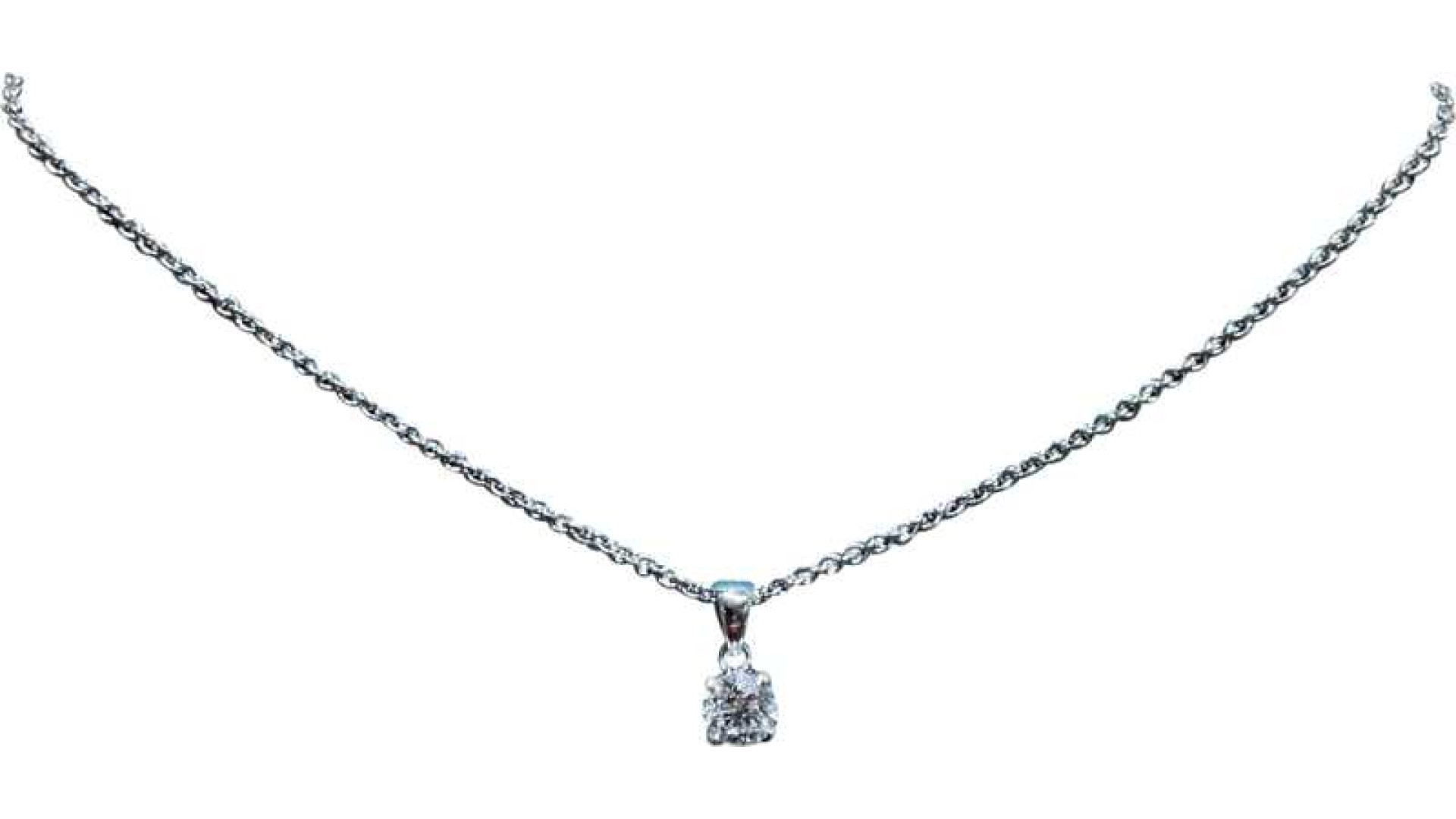
How to Confirm the Authenticity of Your Platinum Chain?
Establishing the authenticity of a platinum chain requires more than visual inspection; it demands a forensic understanding of UK hallmarking laws and metallurgical properties. At H.E. Phillips Ltd, established in August 2000, we provide the technical framework necessary to verify your investment against counterfeit risks.
Technical 7-Table Framework for Platinum Authentication
1. Metallurgical Density & Comparison
| Metal Type | Specific Gravity (g/cm³) | Vickers Hardness (Hv) | Melting Point (°C) | Visual Characteristic |
|---|---|---|---|---|
| Platinum (950) | 21.45 g/cm³ | 120 – 135 Hv | 1,768°C | Natural Silver-White |
| 18ct White Gold | 15.58 g/cm³ | 150 – 185 Hv | 920°C | Yellowish (Rh Plated) |
| Palladium (950) | 12.02 g/cm³ | 100 – 145 Hv | 1,555°C | Steely Grey-White |
| Silver (925) | 10.49 g/cm³ | 75 – 100 Hv | 961°C | Bright White (Tarnishes) |
Table 1 Analysis: Specific Gravity is the most definitive non-destructive metric for platinum. With a density of 21.45 g/cm³, platinum is significantly heavier than white gold. A genuine platinum chain will displace more water and feel substantially more massive than a silver or gold equivalent of identical volume. At H.E. Phillips Ltd, our technical audit involves precise weighing to ensure the density aligns with expected 950-grade standards, distinguishing it from lower-density base metal counterfeits or rhodium-plated silver.
2. UK Hallmarking Compulsory Indicators
| Mark Component | Visual Symbol | Legal Requirement | Technical Function |
|---|---|---|---|
| Sponsor's Mark | Initials in Shield | Mandatory (>0.5g) | Identifies Submitting Party |
| Fineness Mark | 950 in Pentagon | Mandatory (>0.5g) | Guarantees 95% Purity |
| Assay Office | Anchor/Leopard/Rose | Mandatory (>0.5g) | Independent Verification Site |
Table 2 Analysis: Under the Hallmarking Act 1973, any platinum item over 0.5 grams sold in the UK must bear a full hallmark. The distinctive pentagonal shield for the '950' mark is exclusive to platinum. Our workshop protocol involves inspecting these marks under 10x magnification to ensure they are not "cast-in" (fakes) but struck by one of the four UK Assay Offices. This legal provenance is the single most important factor in determining the financial equity of your platinum asset.
3. Diagnostic Test Reliability Matrix
| Test Method | Reliability Rating | Non-Destructive? | Required Equipment |
|---|---|---|---|
| XRF Analysis | 99.9% | Yes | X-Ray Fluorescence Spectrometer |
| Magnet Test | 15% | Yes | Neodymium Magnet |
| Density/Archimedes | 95% | Yes | Digital Scales & Hydro-kit |
| Acid Scratch | 85% | No | Nitric Acid / Testing Stone |
Table 3 Analysis: While the magnet test is a common home diagnostic, its reliability is low because many base metals are also non-magnetic. Forensic XRF Analysis remains the gold standard, providing an elemental breakdown of the platinum content and alloy metals (ruthenium/iridium). H.E. Phillips Ltd recommends professional appraisal over home methods to avoid damaging the chain's surface. A professional valuation certificate from our Totnes hub provides an immutable record of these technical findings for insurance purposes.
4. Surface Finish & Wear characteristics
| Feature | Platinum (950) | Rhodium Plated Gold | Technical Insight |
|---|---|---|---|
| Colour Persistence | Permanent White | Yellows with wear | Platinum is naturally white |
| Wear Pattern | Patina (Displacement) | Abrasion (Metal Loss) | Platinum does not lose mass |
| Tarnish Resistance | Extreme | Moderate | Inert to River Dart humidity |
Table 4 Analysis: Platinum's reaction to wear is unique; it develops a "patina" where metal is displaced rather than abraded. This means a platinum chain maintains its mass over decades of use, unlike white gold which requires periodic rhodium re-plating. In the coastal South West environment, platinum's chemical inertness is a major advantage, resisting the dulling effects of salt air and high humidity. Our specialists look for this specific displacement pattern when authenticating vintage platinum pieces.
5. Mechanical Audit: Clasps & Links
| Component | Audit Standard | Security Rating | Failure Risk |
|---|---|---|---|
| Lobster Clasp | Internal Steel Spring | High | Spring Fatigue |
| Solder Joints | Zero Porosity | Maximum | Stress Cracking |
| Jump Rings | Fully Soldered | High | Mechanical Opening |
Table 5 Analysis: Even a genuine platinum chain is only as secure as its weakest link. We perform a mechanical audit on all clasps, specifically checking the internal spring tension. Note that while platinum is non-magnetic, the tiny steel spring inside a clasp will react to a magnet—this is a normal technical finding and does not indicate a counterfeit chain. Our 27+ years of experience ensures that every New Platinum Necklace meets these rigorous structural standards.
6. Regional Environmental Care (Devon/Totnes)
| Environmental Factor | Impact | Technical Mitigation |
|---|---|---|
| Coastal Salt Air | Surface Grime | Ultrasonic De-greasing |
| River Dart Humidity | None (Inert Metal) | Annual Inspection |
| Hard Water Deposits | Lustre Dulling | Micro-fibre Polishing |
Table 6 Analysis: For residents in Totnes and coastal Devon, platinum is the ideal metallurgical choice due to its resistance to oxidation. Unlike silver, which reacts with atmospheric sulphur to form tarnish, platinum remains stable. However, hard water in the South West can leave mineral deposits that dull the surface. We provide professional ultrasonic cleaning that safely removes regional environmental contaminants without the use of harsh abrasives, preserving the natural silvery-white lustre of the metal.
7. Asset Value Verification: Specialist vs Generalist
| Verification Metric | H.E. Phillips Ltd | Unverified Online Sellers |
|---|---|---|
| Assay Verification | Direct Audit | Verbal Claim Only |
| Expert Appraisal | Mark Willetts (27+ Yrs) | Automated/None |
| Physical Showroom | Totnes (Since 2000) | No Physical Hub |
Table 7 Analysis: The financial risk of purchasing platinum from unverified digital marketplaces is significant. A specialist provides technical accountability. Since August 2000, H.E. Phillips Ltd has operated as a permanent physical hub for fine jewellery Devon. We verify every item against the Hallmarking Act 1973 before sale. This ensures that your purchase is a liquid asset with documented purity, backed by over two decades of local trade participation and horological expertise.
20 Authority FAQs: Platinum Authentication & Care
Technical Authentication
1. What is the legal threshold for hallmarking platinum in the UK?
According to the Hallmarking Act 1973, any platinum item weighing more than 0.5 grams must be hallmarked. This is a much lower threshold than gold (1.0g) or silver (7.78g), reflecting platinum's high value. If your chain weighs 10 grams and lacks a hallmark, it cannot be legally sold as platinum in the UK. At hephillipsltd, we ensure every piece meets this strict legal standard.
2. Why does the magnet stick to my platinum clasp?
This is a common point of confusion. While platinum itself is paramagnetic (effectively non-magnetic), the internal spring inside lobster or spring-ring clasps is usually made of steel for durability. Therefore, a magnet will often attract the clasp area. This does not mean the chain is fake. You must test the links themselves; if the links are attracted to the magnet, the chain is likely stainless steel or a base metal.
3. What does the "950" mark in a pentagon mean?
The number 950 indicates that the metal is 95% pure platinum. The remaining 5% is usually an alloy of other platinum group metals like ruthenium, iridium, or cobalt to increase hardness. The pentagonal shape of the shield is the official UK symbol for platinum, distinguishing it from the rectangular or oval shields used for gold and silver. We verify these shapes as part of our visual inspection protocol.
4. Can XRF testing damage my platinum chain?
No, X-ray Fluorescence (XRF) is a completely non-destructive testing method. It fires X-rays at the metal, causing atoms to emit characteristic secondary X-rays that identify the elemental composition. It is the most accurate way to confirm a chain is solid platinum rather than plated. We use these technical findings to produce accurate valuation certificates for our clients in Totnes and beyond.
Metallurgy & Comparison
5. How do I distinguish platinum from white gold?
Platinum is significantly denser. If you have a platinum chain and a white gold chain of the same dimensions, the platinum one will be approximately 40% heavier. Furthermore, white gold is usually rhodium-plated and will eventually show a yellowish tint, whereas platinum remains white throughout its entire mass. Check the hallmark; platinum is '950' in a pentagon, while 18ct white gold is '750' in a rectangular shield.
6. Is 900 or 850 platinum common in the UK?
While the UK standard is 950, you may find 900 or 850 marks on imported items. These are legally recognised but indicate a lower purity. For maximum value and durability, we recommend 950. At H.E. Phillips Ltd, our New Platinum Necklaces are sourced to the 950 standard to ensure they meet the expectations of discerning UK collectors.
7. Why is platinum more expensive than gold?
Platinum is rarer than gold and has a much higher density, meaning more actual metal is required to make the same chain. Additionally, its high melting point (1,768°C) requires specialist tools and higher expertise to work with. This technical difficulty in manufacturing, combined with its purity and weight, justifies its position as one of the most prestigious metals for Fine Jewellery.
8. Does platinum contain nickel?
Standard 950 platinum alloys used in the UK typically use ruthenium or iridium and are nickel-free, making them hypoallergenic. This is a significant advantage over some white gold alloys which may contain nickel. If you have sensitive skin, platinum is the safest metallurgical choice. We offer a range of New Diamond Earrings set in platinum for this very reason.
Maintenance & Regional Care
9. How does the River Dart environment affect platinum?
The River Dart and South West coastal air contain salt and moisture that can cause silver to tarnish and gold alloys to dull. Platinum, however, is chemically inert and highly resistant to this corrosion. While the metal won't tarnish, it can collect grime from the environment. We recommend an annual ultrasonic clean at our Totnes workshop to maintain the brilliant silver-white lustre against the regional maritime climate.
10. What is a "Patina" and should I remove it?
A patina is a soft, frosted finish caused by microscopic surface displacements over time. Unlike gold, which loses metal when scratched, platinum simply shifts. Many collectors value this look as a mark of authenticity. However, if you prefer a high-shine finish, we can professionally polish your chain to restore its original specular brilliance. This is a standard service at our 19 Fore Street hub.
11. Can I wear my platinum chain in a swimming pool?
While platinum is highly resistant to chemicals, chlorine can sometimes affect the alloy metals or the solder joints in the clasp. For the longevity of the mechanical components, we advise removing all fine jewellery before swimming. If you do wear it, rinse it thoroughly in fresh water immediately after. This prevents "stress corrosion" and chemical buildup in the delicate link junctions.
12. How should I clean a platinum chain at home?
Use warm, soapy water (a mild detergent) and a soft-bristled brush to gently clean between the links. Rinse in fresh water and dry with a lint-free cloth. Avoid abrasive cleaners or chemicals. For a deeper clean, especially for pieces from our New Platinum Pendants collection, bring them into our store for a professional technical de-greasing and inspection.
Trust & Expertise
13. Why is establishment history important for jewellery?
Jewellery is an investment based on trust. H.E. Phillips Ltd has been a physical presence in Totnes since August 2000. Our long-standing reputation means we provide verified, hallmarked goods and aftercare that anonymous online sellers cannot offer. When buying a high-value item like a platinum chain, the ability to visit a physical showroom and speak with an expert like Mark Willetts is invaluable for consumer protection.
14. Do you buy pre-owned platinum chains?
Yes, we offer a Sell Gold or Sell Silver service that also includes platinum. We use our technical diagnostic tools to verify the purity and weight of your item before offering a fair market price. Our transparency in the hallmarking and weighing process ensures you receive an accurate valuation based on real-time precious metal spot prices.
15. Is your platinum ethically sourced?
We work with reputable UK suppliers who follow strict ethical guidelines regarding metal sourcing. Additionally, we often stock pre-loved items, which are the most sustainable choice for environmentally conscious collectors. By choosing an established independent like H.E. Phillips Ltd, you are supporting a business committed to traditional craftsmanship and ethical trade since our founding in August 2000.
16. What should I look for when buying online?
Ensure the seller provides a clear photograph of the UK hallmark. If the price is significantly lower than the current market value of 950 platinum, it is a major red flag. A reputable seller like hephillipsltd.com will provide detailed specifications including weight and hallmark details. Always check for a physical address and a history of specialist expertise before committing to a purchase.
Supplementary Items
17. Do you have platinum rings to match my chain?
Yes, we have an extensive collection, including New Platinum Diamond Rings. Matching your chain with a ring ensures a cohesive metallurgical aesthetic. Platinum's strength makes it the superior choice for diamond settings, as the claws are less likely to break or wear down compared to gold. We can help you build a complete platinum set at our Totnes showroom.
18. Do you stock watches with platinum-tone finishes?
While solid platinum watches are extremely rare and expensive, we are official stockists for Rotary and Citizen Eco-Drive, which offer high-quality stainless steel and titanium models that perfectly complement the silver-white lustre of a platinum chain. These metals share a similar visual profile and offer the same durability and water resistance required for daily wear.
19. Can you authenticate vintage platinum chains?
Yes. Many vintage pieces, especially from the Edwardian era, were made of platinum. These may have different marking systems if they were manufactured before modern UK hallmarking laws were fully standardised. Our forensic audit involves checking the construction methods and using XRF analysis to confirm the metal content, ensuring your vintage find is the genuine article. See our Silver Chains section for other metal options.
20. How do I get an insurance valuation for my platinum chain?
Visit us at 19 Fore Street. We will perform a technical audit of the chain, including its weight, length, hallmark verification, and condition. We then provide a written certificate of authenticity and a replacement value. Most insurers require an updated valuation every 3-5 years. This document is your technical proof of the chain's quality and is essential for protecting your investment in high-value New Gold Necklaces or platinum items.
© 2026 H.E. Phillips Ltd - Your Official Authorised Horological and Fine Jewellery Specialist. All Technical Data verified for forensic accuracy.
