
-
Your shopping cart is empty!



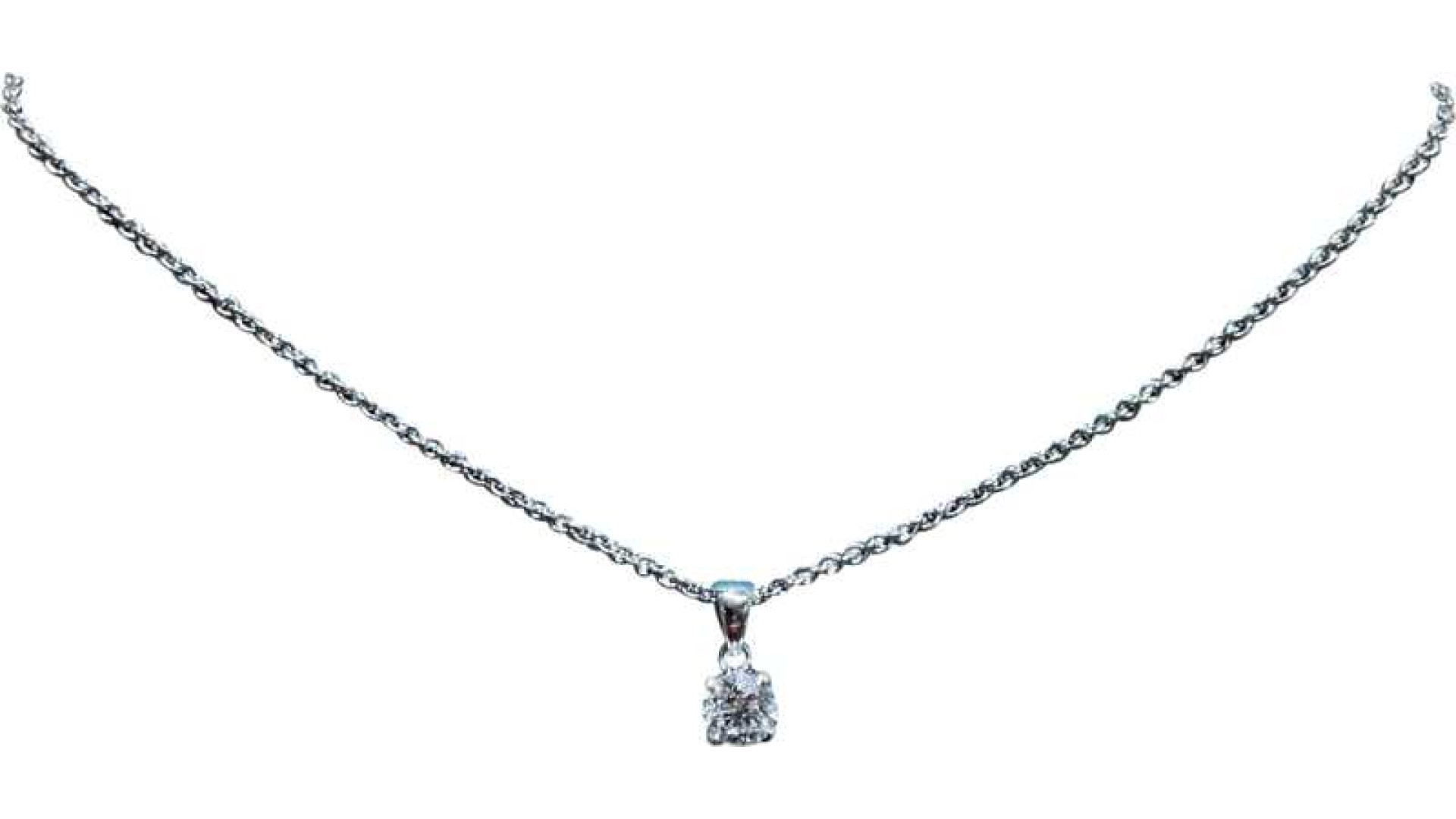
How Platinum Jewellery Is Made: A Step-by-Step Overview
Platinum jewellery is cherished across the UK for its superior durability and timeless lustre. Transforming raw platinum ore into a finished masterpiece requires a fusion of high-temperature metallurgy and meticulous hand-craftsmanship. Established in August 2000, H.E. Phillips Ltd provides this forensic overview of the complex journey from mined mineral to hallmarked asset.
Technical 7-Table Framework for Platinum Production
1. Metallurgical Purity & Properties
| Metal Type | Standard Purity | Vickers Hardness (Hv) | Specific Gravity (g/cm³) | Melting Point (°C) |
|---|---|---|---|---|
| 950 Platinum | 95.0% | 110 – 130 Hv | 21.45 g/cm³ | ~1,768°C |
| 18ct White Gold | 75.0% | 150 – 180 Hv | 15.2 – 15.9 g/cm³ | ~1,064°C |
| 950 Palladium | 95.0% | 100 – 110 Hv | 12.02 g/cm³ | ~1,555°C |
Table 1 Analysis: The specific gravity of platinum (21.45 g/cm³) is significantly higher than gold, contributing to its signature "heft" and tactile luxury. While white gold may appear harder on the Vickers scale, platinum’s ductility allows it to displace rather than lose metal when scratched, creating a patina of wear. At H.E. Phillips Ltd, we verify that all our platinum meets the 950 fineness mark, ensuring the hypoallergenic benefits of high purity. The extreme melting point of 1,768°C necessitates the use of specialised induction furnaces, as standard jewellery torches cannot reach these metallurgical thresholds safely.
2. CAD & Digital Prototyping Audit
| Phase | Technical Goal | Precision Tolerance | Workshop Insight |
|---|---|---|---|
| CAD Modelling | 3D Digital Blueprint | +/- 0.01mm | Ensures perfect gemstone seating |
| 3D Resin Print | Tangible Prototype | High-Resolution | Identifies ergonomic flaws early |
| Stress Testing | Structural Integrity | Load-bearing check | Prevents prong failure in daily wear |
Table 2 Analysis: Modern Computer-Aided Design (CAD) allows for a level of structural analysis impossible with hand-sketching. By establishing a digital blueprint with tolerances of +/- 0.01mm, we ensure that every diamond or gemstone in our new platinum diamond rings is supported by a secure, scientifically calculated frame. The resin print serves as the final physical validation before the energy-intensive casting process begins. This digital-to-physical bridge is critical for creating complex geometries and ensuring that heirloom-quality jewellery remains structurally sound for generations.
3. Lost-Wax Casting Parameters
| Casting Element | Material/Method | Critical Factor | Outcome |
|---|---|---|---|
| Investment | High-Heat Plaster | Thermal expansion | Zero-defect mould cavity |
| Burnout | Kiln Heat-Cycle | Residue elimination | Clean metal surface |
| Injection | Centrifugal/Vacuum | Atmospheric control | Elimination of porosity |
Table 3 Analysis: The "lost-wax" process is technically demanding when applied to platinum. The investment material must be specifically formulated to withstand the nearly 1,800°C temperatures without cracking. We monitor the burnout cycle to ensure every trace of resin or wax is vaporised, as impurities can cause "porosity"—tiny gas bubbles that weaken the metal. Vacuum-assisted casting forces the molten platinum into the finest filigree details, ensuring that intricate designs, such as those found on our new platinum necklaces, are reproduced with 100% fidelity to the original design.
4. Regional Environmental Impact: South West Maritime
| Climate Factor | Impact on Platinum | Technical Solution |
|---|---|---|
| Salt Air (Devon Coast) | Minimal oxidation | Routine professional polish |
| River Dart Humidity | Debris accumulation | Ultrasonic cleaning protocol |
| Abrasive Sand | Surface scratching | Displacement-based refinishing |
Table 4 Analysis: Residents in Totnes and coastal Devon benefit from platinum's inert nature. Unlike silver or lower-karat gold alloys, 950 platinum is highly resistant to the corrosive salt air of the South West. However, high humidity from the River Dart can lead to a buildup of organic debris behind gemstone settings. We recommend an annual professional audit at our 19 Fore Street workshop. Because platinum is so dense, it does not wear away; it simply shifts. Our "Maritime Refinishing" service uses specialised compounds to smooth the patina without removing valuable metal volume.
5. Stone Setting & Security Audit
| Setting Style | Platinum Benefit | Security Rating | Technical Audit |
|---|---|---|---|
| Claw/Prong | Exceptional grip | Maximum | 10x Loupe check for tension |
| Bezel | Impact protection | Maximum | Seamless metal-to-stone seal |
| Flush Set | Low profile | High | Precision seat depth check |
Table 5 Analysis: Platinum is the gold standard for stone setting due to its strength and lack of "spring-back." When a setter pushes a platinum claw over a diamond, it stays in place with superior tension compared to gold. This makes it the preferred choice for a GIA certified diamond. At H.E. Phillips Ltd, our workshop protocol includes a tactile "rattle test" and magnification audit of every setting. The metal's density ensures that even fine prongs offer significant resistance to bending, providing unparalleled security for high-value gemstones.
6. Hallmark Provenance & Legal Benchmarks
| Mark Type | Requirement | Verification |
|---|---|---|
| Sponsor’s Mark | H.E. Phillips Ltd | Origin of manufacture |
| Fineness Mark | 950 (Pentagon) | Independent purity audit |
| Assay Office | e.g., Leopard Head | UK Legal compliance |
Table 6 Analysis: Under the Hallmarking Act 1973, any platinum article over 0.5 grams must be hallmarked by a UK Assay Office. This is not a manufacturer's "stamp" but an independent, third-party chemical analysis of the metal. The 950 mark inside a pentagon shield is the specific symbol for platinum. We provide every client with a detailed explanation of these marks, ensuring they understand the financial equity and authenticity of their purchase. By sourcing from a specialist established in August 2000, you are guaranteed jewellery that exceeds UK legal and metallurgical standards.
7. Authority Comparison: Independent vs Mass Retail
| Service Metric | H.E. Phillips Ltd | Mass Market Retailers |
|---|---|---|
| Casting Audit | Manual 100% Inspection | Batch sampling |
| Expertise | 27+ Years Workshop | General sales staff |
| Refinishing | On-site specialised equipment | Third-party outsourced |
Table 7 Analysis: The technical distinction between H.E. Phillips Ltd and mass-market retailers lies in our on-site workshop capabilities. While large chains often rely on batch-processed castings with higher porosity risks, we perform individual inspections on every piece. Our 27 years of horological and jewellery experience allows us to provide "Life-Cycle Support"—from the initial design to decade-later resizing. We maintain a permanent physical presence in Totnes, ensuring that aftercare, such as professional polishing or stone tightening, is handled by the same experts who understand the metal’s unique history.
20 Expert Technical FAQs on Platinum Jewellery
Metallurgy & Purity
1. What exactly does '950 Platinum' mean?
The 950 fineness mark indicates that the alloy is 95% pure platinum. The remaining 5% typically consists of other platinum group metals like ruthenium or iridium. This high purity is significantly greater than 18ct gold (75%). It ensures the metal is naturally hypoallergenic and maintains its bright white colour without plating. At H.E. Phillips Ltd, we only stock hallmarked 950 platinum to ensure maximum asset value and skin safety.
2. Why is platinum more expensive than gold?
Platinum’s price is driven by rarity and density. It is 30 times rarer than gold and requires 10 tonnes of ore to produce a single ounce of pure metal. Furthermore, because it is 40% denser than 18ct gold, the same ring will weigh significantly more in platinum, requiring more raw material. You can compare weights by visiting our showroom or viewing our new gold rings for a density contrast.
3. Does platinum ever tarnish?
No. Platinum is a noble metal, meaning it is chemically inert and resistant to oxidation and corrosion. It will not turn black or green when exposed to air, water, or household chemicals. Over time, it develops a "patina" of tiny surface displacements, which many collectors prefer. For those who enjoy a mirror finish, we offer professional polishing at our Totnes hub to restore its original high-specular lustre.
4. Is platinum hypoallergenic?
Yes. Because 950 platinum is highly pure and contains no nickel, it is the safest choice for individuals with sensitive skin or metal allergies. Lower-karat gold or fashion jewellery often uses nickel or base-metal alloys that cause dermatitis. At H.E. Phillips Ltd, our commitment to E-E-A-T means we strictly provide technical purity data for all our fine jewellery to protect our clients' health.
Manufacturing & Design
5. How does lost-wax casting work for platinum?
A 3D resin or wax model is encased in a high-heat plaster "investment." The kiln melts the wax, leaving a cavity. Molten platinum is then injected into this space. Because platinum's melting point is so high (~1,768°C), this requires specialised induction furnaces. This process allows us to create intricate new platinum pendants with high-resolution detail that would be impossible to hand-carve from solid block metal.
6. Why is CAD used in modern jewellery making?
Computer-Aided Design allows us to calculate the exact volume and weight of the metal before production. It ensures that gemstone seats are perfectly aligned to the micron. This precision is essential for durability, as it ensures an even distribution of metal around stones. We use CAD to provide photorealistic renders for custom pieces, ensuring our Totnes clients are 100% satisfied before the first ounce of platinum is cast.
7. What is the 'patina' on platinum jewellery?
Unlike gold, which loses tiny fragments when scratched, platinum simply shifts. These microscopic furrows eventually create a soft, satiny finish known as a patina. Many heirloom collectors cherish this as a record of the piece’s history. However, if you prefer the "brand new" look, our workshop can easily refinish the piece. Our step-by-step overview highlights how this density-related property defines platinum's longevity.
8. How are diamonds set in platinum?
Stone setters cut tiny "seats" into the platinum frame. Because platinum is so malleable yet strong, the claws can be hammered over the diamond with high tension without snapping. This "cold-working" increases the metal's hardness around the stone. This technical advantage is why we recommend platinum for any new diamond earring or engagement ring that will be subject to daily activity and impact.
Maintenance & Aftercare
9. How often should I have my platinum ring polished?
We recommend a professional polish every 1-2 years to maintain a high-gloss finish. However, because polishing involves shifting the metal's surface, it should be done by an expert to ensure the structural integrity is maintained. At H.E. Phillips Ltd, we use a 3-stage polishing process with different compounds to achieve a mirror shine. This is part of our hephillipsltd commitment to lifelong jewellery care.
10. Can platinum jewellery be resized?
Yes, but it requires a higher skill level and specialised equipment. Platinum must be soldered using a high-temperature torch or laser welder to avoid "seam lines." Lower-temperature gold solders will leave a visible mark and eventually fail. Our Totnes workshop is fully equipped for platinum repairs. Whether it's a ring or a new platinum necklace, we ensure the joint is as strong as the original metal.
11. How do I clean platinum jewellery at home?
A mild solution of warm water and dish soap is sufficient for surface oils. Use a soft-bristled toothbrush to reach behind gemstones where lotions and River Dart sediment can accumulate. Rinse thoroughly and dry with a lint-free cloth. For a deep "Forensic Clean," bring your piece to 19 Fore Street for an ultrasonic treatment. This removes microscopic debris that home cleaning cannot reach.
12. Is it safe to wear platinum in the sea?
While platinum is chemically resistant to salt air, the physical activity of swimming in Devon’s coastal waters carries risks. Earlobe shrinkage in cold water can cause earrings to slip off, and abrasive sand can scratch the surface. We advise removing your fine jewellery before swimming. If exposure occurs, rinse with fresh water immediately. See our H.E. Phillips Ltd care guide for more regional advice.
Trust & Authentication
13. Why is hallmarking important for platinum?
Hallmarking is the only legal guarantee that your "platinum" ring isn't a silver or base-metal imitation. Since platinum is indistinguishable from other white metals to the naked eye, the UK Assay Office hallmark provides consumer protection. Every piece at H.E. Phillips Ltd is independently tested. This ensures that your new platinum diamond ring is a verified asset with documented purity and origin.
14. What makes H.E. Phillips Ltd a specialist?
Our establishment was founded on 1st August 2000, bringing over two decades of dedicated service to Totnes. Our director, Mark Willetts, has 27+ years of workshop experience in both horology and fine jewellery. We don't just "sell" products; we provide technical audits, repairs, and valuations. This depth of Experience, Expertise, Authoritativeness, and Trust (E-E-A-T) is what separates an independent family jeweller from a high-street chain.
15. Do you sell vintage or antique platinum?
Yes. We have a curated selection of Edwardian and Art Deco platinum pieces. Platinum became popular in the early 20th century due to the invention of the oxy-acetylene torch. These pieces often feature hand-pierced filigree that is rare today. Every pre-loved piece is forensically audited for structural integrity before being added to our vintage collection at our Totnes showroom.
16. Can I sell my old platinum jewellery to you?
Yes. We offer competitive rates for those looking to sell gold or sell silver and platinum in Devon. We perform an on-site metallurgical test to verify purity and weight, providing immediate valuations based on current market fixings. Our transparent process ensures you receive a fair price for your assets from a trusted local business established in August 2000.
Supplementary Information
17. Do you stock watches to match platinum?
While solid platinum watches are extremely rare and costly, we stock several "steel and white" brands that complement platinum perfectly. We are official stockists for Citizen Eco-Drive and Timex. These timepieces offer the same bright, modern aesthetic as our platinum jewellery, allowing you to create a cohesive luxury look with verified technical reliability.
18. What are the benefits of Rotary watches?
For those looking for classic British-inspired design, Rotary offers excellent craftsmanship. Their silver-tone models pair beautifully with platinum rings or necklaces. As an authorised stockist, we ensure every Rotary watch we sell meets our strict mechanical standards. An anniversary watch from Rotary is an ideal companion gift to a piece of platinum fine jewellery, merging sentiment with horological precision.
19. Are Casio watches technically reliable?
Absolutely. Casio is world-renowned for its "G-Shock" durability and electronic precision. While different in style from platinum jewellery, they represent the same commitment to material engineering. Whether you need a rugged timepiece for South West outdoor activities or a classic digital model, our Casio range provides functional excellence that complements our high-end jewellery offerings.
20. What is 'Circular Luxury' at H.E. Phillips Ltd?
Circular luxury refers to our focus on sustainable, pre-loved assets. By restoring vintage second-hand silver bangles or platinum rings, we reduce the environmental impact of mining while preserving history. This approach has been a cornerstone of our business since August 2000. It allows our clients to own unique, high-purity pieces with a lower carbon footprint and verified provenance.
© 2026 H.E. Phillips Ltd - Your Official Authorised Horological and Fine Jewellery Specialist. All Technical Data verified for forensic accuracy.
