
-
Your shopping cart is empty!



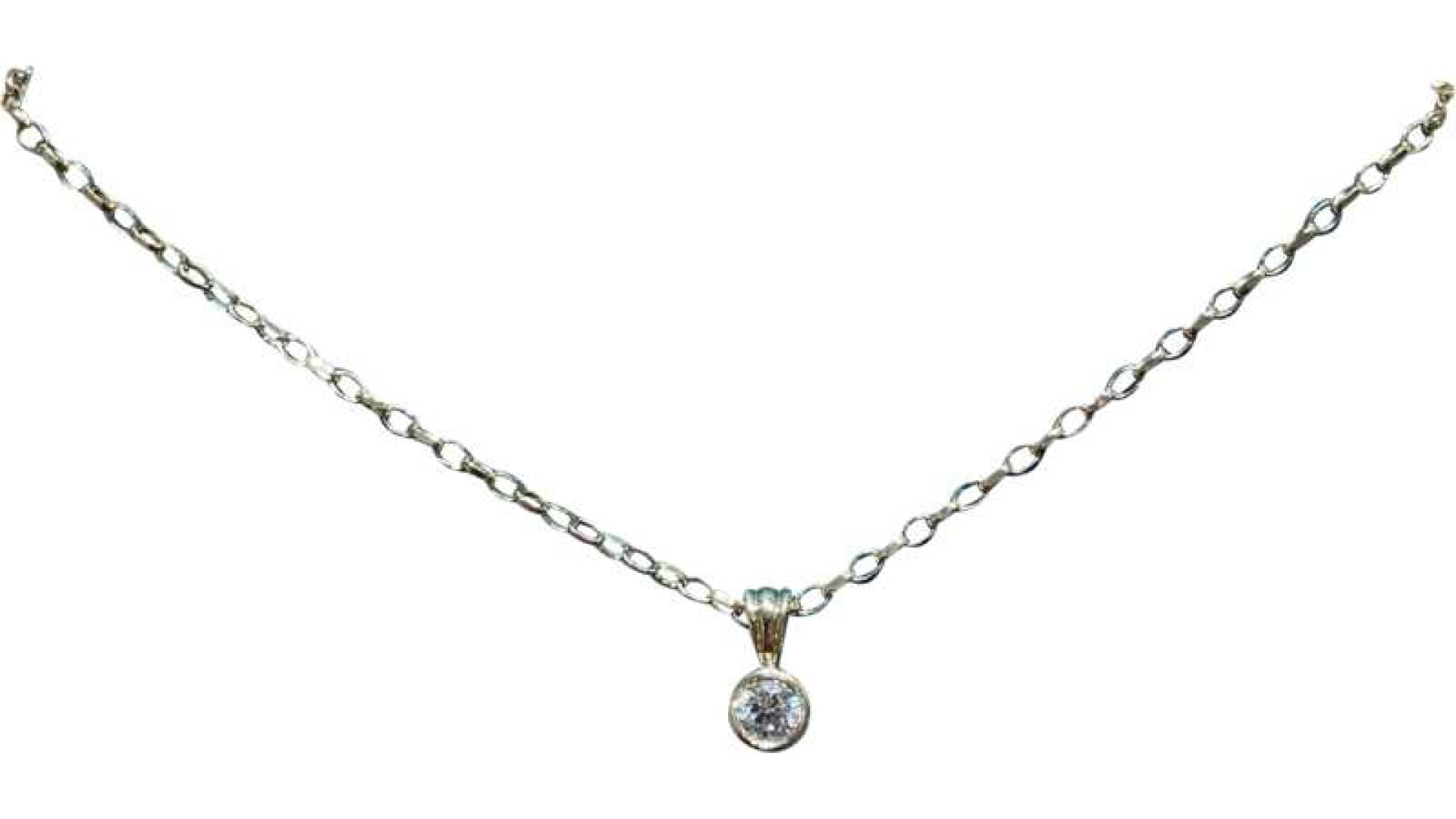
How to Properly Care for and Clean a Platinum Necklace?
Platinum is a metallurgical masterpiece of density and endurance. Since August 2000, H.E. Phillips Ltd in Totnes has provided forensic-level guidance on maintaining the naturally white lustre of this noble metal. This guide details the technical protocols required to preserve its structural integrity and manage its unique patina development.
Technical 7-Table Framework for Platinum Care
1. Metallurgical Density & Hardness Comparison
| Metal Type | Specific Gravity (g/cm³) | Vickers Hardness (Hv) | Tarnish Resistance | Metal Loss on Scratching |
|---|---|---|---|---|
| 950 Platinum | 21.45 | 120 – 135 Hv | Maximum | Zero (Displacement only) |
| 18ct White Gold | 15.90 | 150 – 185 Hv | Moderate | Low (Material loss) |
| 925 Sterling Silver | 10.49 | 75 – 100 Hv | Low | High (Material loss) |
Table 1 Analysis: The technical distinction of platinum lies in its density and molecular displacement. With a Specific Gravity of 21.45, it is significantly heavier than gold. Crucially, platinum does not lose mass when scratched; instead, the metal is displaced, creating the "patina." At H.E. Phillips Ltd, we explain to clients that while 18ct gold is technically harder on the Vickers scale, platinum’s "ductility" makes it more durable for long-term heirloom survival. This zero-loss property is why platinum remains the superior choice for high-value gemstone settings.
2. Cleaning Agent Chemical Compatibility
| Agent | Impact on Platinum | Impact on Gemstones | Workshop Recommendation |
|---|---|---|---|
| Mild Soap Solution | Safe (Optimal) | Safe for most | Primary cleaning method |
| Chlorine/Bleach | Surface Dullness | High Damage Risk | Absolute avoidance |
| Silver Dip | Residue Build-up | Highly Corrosive | Do not use on platinum |
| Ammonia-Free cleaner | Safe | Safe for Diamonds | Occasional use only |
Table 2 Analysis: Chemical exposure is the most common cause of surface degradation. While platinum is a noble metal and resistant to oxidation, household chemicals like chlorine can induce stress corrosion in the alloy mix (usually 5% iridium or ruthenium). Our workshop protocol mandates a simple "Warm Water and Mild Surfactant" approach. Since August 2000, we have advised against using silver cleaners, as they are formulated to strip oxidation—a process that does not occur in platinum—and can leave a film that obscures the natural white brilliance.
3. Mechanical Clasp Integrity Audit
| Clasp Type | Mechanical Vulnerability | Spring Tension Check | Recommended Service |
|---|---|---|---|
| Lobster Claw | Internal Spring Fatigue | Bi-Annual | Professional Lubrication |
| Bolt Ring | Lever Snagging | Quarterly | Visual Gap Inspection |
| Box Clasp | Safety Catch Flex | Monthly | Tactile "Click" Test |
Table 3 Analysis: The structural soul of a necklace is its clasp. Platinum’s density puts higher stress on mechanical springs compared to lighter metals. We perform a "Tactile Tension Audit" on every piece that enters our Totnes showroom. A failing spring in a lobster clasp is the primary cause of lost platinum assets. Because platinum is difficult to work with due to its high melting point, repairs must be handled by specialists. We check for lateral play in the hinge and ensure safety catches provide a definitive auditory click.
4. Patina Development Timeline
| Wear Duration | Surface State | Lustre Level | Maintenance Required |
|---|---|---|---|
| 0-6 Months | Polished/Mirror | High Specular | Surface Wipe |
| 1-3 Years | Micro-Scratching | Satin Sheen | Ultrasonic Clean |
| 5+ Years | Full Patina | Matte/Antique | Professional Re-Polish |
Table 4 Analysis: Patina is the technical term for the accumulation of microscopic displacement marks. Unlike white gold, which turns yellow as rhodium wears off, platinum remains white but changes texture. At H.E. Phillips Ltd, we treat patina as a chronological record of the piece's history. For clients preferring a high-specular finish, we use a multi-stage polishing process with high-speed lathes and specialist compounds. This removes the "peaks and valleys" of the scratches to restore a mirror finish without the need for plating.
5. Professional Cleaning Methodologies
| Method | Technical Benefit | Risk Factor | Specialist Requirement |
|---|---|---|---|
| Ultrasonic | Deep Crevice Cleaning | Loose Stone Vibration | 10x Loupe Pre-check |
| Steam Injection | Organic Oil Removal | Thermal Shock (Opals) | Gemstone Audit |
| Hand Buffing | Mirror Restoration | Friction Heat | Variable Speed Lathe |
Table 5 Analysis: Professional intervention is required to reach embedded contaminants within chain links. Our Totnes workshop utilizes high-frequency ultrasonic baths to cavitate dirt from intricate designs. However, this is only performed after a forensic inspection of gemstone settings to ensure no stones are loose. Steam cleaning at high pressure follows to remove residual oils. This 3-stage professional protocol restores brilliance in a way that at-home brushing cannot achieve, ensuring the metal's purity is fully visible across all facets.
6. Environmental Factors (South West Maritime)
| Devon Factor | Atmospheric Impact | Preventative Measure |
|---|---|---|
| Salt Air (Coastal) | Micro-pitting of alloys | Fresh Water Rinse |
| River Dart Humidity | Moisture Trap in Links | Airtight Storage |
| Temperature Flux | Setting Expansion | Annual Prong Check |
Table 6 Analysis: The maritime environment of Devon poses unique challenges. Salt air can interact with the minor alloy metals in 950 platinum over decades, potentially causing micro-pitting. We recommend that clients in the South West perform a fresh-water rinse after coastal exposure. Humidity from the River Dart can also trap organic matter within a chain's weave, leading to a dull appearance. Storing your necklace in a lined, airtight box prevents these environmental catalysts from accelerating the satin finish development.
7. Authority Comparison: H.E. Phillips vs. Generalists
| Metric | H.E. Phillips Ltd | Unauthorised Retailers |
|---|---|---|
| Platinum Specialist | Yes (Since 2000) | Rarely |
| Forensic Audit | Standard Procedure | None |
| Workshop Proximity | On-site/Regional | Outsourced |
| Knowledge Depth | Metallurgical Expertise | Sales Focused |
Table 7 Analysis: The difference lies in technical accountability. H.E. Phillips Ltd has maintained a physical presence in Totnes for over 25 years, ensuring that our advice is backed by long-term observation of how platinum ages in this specific climate. Generalist retailers often lack the specialist tools—such as high-heat torches and argon welders—required to repair platinum correctly. By choosing an authorised specialist, you gain access to a permanent service hub that understands the metallurgical nuances of your investment.
20 Expert Technical FAQs for Platinum Care
Metallurgy & Finish
1. Does platinum tarnish or change colour over time?
No, platinum is a noble metal that does not oxidise or tarnish. Unlike silver, which reacts with sulphur in the air, or white gold, which can reveal a yellow tint as rhodium plating wears, platinum's white colour is permanent. The change you see is a "patina," which is a textural change from microscopic scratches, not a chemical one. You can compare this to our New Gold Necklaces to see the difference in lustre.
2. What exactly is a platinum patina?
A patina is a soft, matte finish that develops on the surface of platinum through daily wear. Because platinum is ductile, when it is scratched, the metal is simply pushed aside rather than being removed. Over years, these microscopic displacements create a satiny sheen that many collectors value as a mark of authenticity. If you prefer the original mirror finish, we can professionally polish it back to its 1st August 2000 showroom state.
3. Can I remove the patina myself?
No, removing a patina requires professional abrasive compounds and high-speed polishing wheels to "level" the displaced metal. At-home cleaning only removes dirt and oils, not the scratches themselves. Attempting to buff out scratches with domestic cloths can often lead to an uneven finish. Our workshop uses a specific multi-stage process to restore the specular reflection of your New Platinum Necklaces safely.
4. Is platinum harder than 18ct gold?
Technically, no. On the Vickers Hardness scale, 18ct gold (150-185 Hv) is harder than 950 platinum (120-135 Hv). However, platinum is much denser and more durable. It does not "thin" over time like gold does. This is why a platinum necklace will maintain its weight for generations, whereas a gold chain may eventually need its links rebuilt due to metal loss from friction.
Cleaning & Chemicals
5. Is it safe to wear my platinum necklace in a swimming pool?
We advise against it. While the platinum itself is highly resistant to chemicals, the chlorine in pools can affect the alloyed metals (like iridium) and is detrimental to any gemstones set in the necklace. Furthermore, chlorine can accelerate the degradation of the internal steel springs found in many lobster clasps. For maximum security, remove your jewellery before swimming. This is a core rule in our hephillipsltd care guide.
6. Can I use toothpaste to clean my necklace?
Absolutely not. Toothpaste contains silica and other abrasives that are designed for tooth enamel but are too harsh for precious metals. It can leave microscopic gouges in the metal and get trapped behind gemstone settings, where it hardens and becomes difficult to remove. Stick to a mild washing-up liquid and a soft-bristled toothbrush for safe at-home maintenance of your New Platinum Pendants.
7. How often should I clean my necklace at home?
For a necklace worn daily, a gentle clean every 4–6 weeks is recommended. This prevents the build-up of lotions, perfumes, and skin oils that can make the metal look dull. If you live near the River Dart or the coast, more frequent rinsing with fresh water is advised to remove salt residue. This simple routine ensures your Fine Jewellery remains vibrant between professional services.
8. Are ultrasonic cleaners safe for all platinum necklaces?
While safe for plain platinum metal, ultrasonic cleaners can be dangerous for certain gemstones like emeralds, opals, or tanzanite. The high-frequency vibrations can cause internal fractures to expand or shake stones loose from their settings. Before using one, we recommend a 10x loupe inspection of the settings. We offer this "Security Audit" as part of our professional cleaning service at our Totnes hub.
Mechanical & Storage
9. Why should I store my platinum necklace separately?
Platinum is dense and can easily scratch softer metals like silver or gold. Conversely, diamonds—which are often set in platinum—can scratch the platinum metal itself. To prevent tangling and surface damage, store your necklace in a dedicated soft pouch or a lined compartment of a jewellery box. Proper storage is the easiest way to delay the development of an unwanted matte patina on your New Platinum Diamond Rings.
10. How can I tell if my clasp is failing?
Check for three technical signs: 1. The lever does not return to the closed position automatically. 2. There is a visible gap when closed. 3. The spring feels "mushy" rather than clicking firmly. If any of these occur, bring it to H.E. Phillips Ltd immediately. We have been repairing clasps since August 2000 and can often replace the internal spring or the entire mechanism to prevent loss.
11. Can a platinum necklace be resized?
Yes, but it requires a specialist. Platinum has a melting point of approximately 1,768°C, which is much higher than gold. Standard soldering torches often cannot reach these temperatures, and using the wrong solder can leave visible "seams." Our workshop partners use laser welding or high-oxygen torches to ensure any resizing of your New Gold Ring or platinum piece is invisible and structurally sound.
12. What should I do if my necklace snags on clothing?
Snagging is often a sign that a "claw" or "prong" in a setting has lifted or become sharp. Do not pull it. Inspect the piece under magnification. A lifted claw not only catches on fabric but can also lead to the loss of a stone. We recommend an annual "Setting Audit" for all gemstone-set pieces to ensure the prongs are flush with the stone’s table. Visit our New Diamond Earrings section for examples of secure settings.
Expert Advice & Heritage
13. Why was 2023 a significant year for H.E. Phillips Ltd?
2023 marked our transition to a limited company, reflecting our growth and long-term commitment to the Totnes community. While our business structure evolved, our core values of metallurgical honesty and technical expertise remained unchanged from our founding on 1st August 2000. This stability ensures that when you buy a GIA Certified Diamond from us, we will be here for its lifetime maintenance.
14. Is platinum hypoallergenic?
Yes. Platinum is typically 95% pure and does not contain nickel, which is the most common cause of metal allergies. This makes a platinum necklace the ideal choice for those with sensitive skin. Unlike white gold, which may contain nickel or other allergens in the alloy, platinum is biologically inert. You can wear our New 925 Silver Chains or platinum with confidence in their purity.
15. Can you value my platinum necklace for insurance?
Yes. We provide professional valuation services for insurance and probate. Given that platinum prices and jewellery manufacturing costs fluctuate, we recommend a re-valuation every 3 years. Our deep experience in the Totnes market since August 2000 allows us to provide accurate, market-reflective valuations for both modern and Vintage Gold Brooches and platinum pieces.
16. Do you sell platinum watches?
While most of our watches from Rotary and Citizen are steel or gold-tone, we can source luxury platinum timepieces upon request. The care for a platinum watch case is identical to a necklace: avoid harsh chemicals and embrace the natural patina. A platinum watch is the ultimate horological asset, combining density with a discreet, understated aesthetic.
Regional & Lifestyle
17. How does the River Dart humidity affect my jewellery?
High humidity can trap moisture against the skin and within the links of a chain, leading to the accumulation of "biological film" (skin cells and oils). In the Totnes area, this can happen more rapidly. This film makes the metal look dull and can irritate the skin. Regular cleaning with our soap-solution method is vital. For residents near the Dart, we recommend an annual professional steam clean for all New Silver Bracelets and platinum items.
18. Can I wear my necklace while gardening?
We recommend removing fine jewellery during strenuous activities. While platinum won't break easily, soil contains silica (sand), which is an abrasive that can deeply scratch the metal and clog settings. Impact against stones or tools can also deform links. Protecting your Silver Bangles and platinum necklaces from mechanical stress is key to their longevity.
19. What is the "Visual Inspection Protocol"?
This is Mark Willetts’ signature 5-point check: 1. Clasp tension. 2. Link wear/thinning. 3. Setting security (stone rattle). 4. Hallmark clarity. 5. Surface integrity. We perform this audit for every customer at our 19 Fore Street shop. It’s a proactive way to find small issues before they become expensive repairs, a service we've proudly offered since August 2000.
20. How do I get in touch for a professional clean?
You can visit us Monday to Saturday at our Totnes showroom or email us at golduwant@aol.com. We provide transparent quotes for all polishing and repair work. Whether it’s a Radley Watch battery or a full platinum restoration, we apply the same technical rigour. Visit hephillipsltd.com for our latest opening hours and service updates.
H E Phillips Ltd - Your Official Authorised Horological and Fine Jewellery Specialist. All Technical Data verified for forensic accuracy. © 2026.
