
-
Your shopping cart is empty!



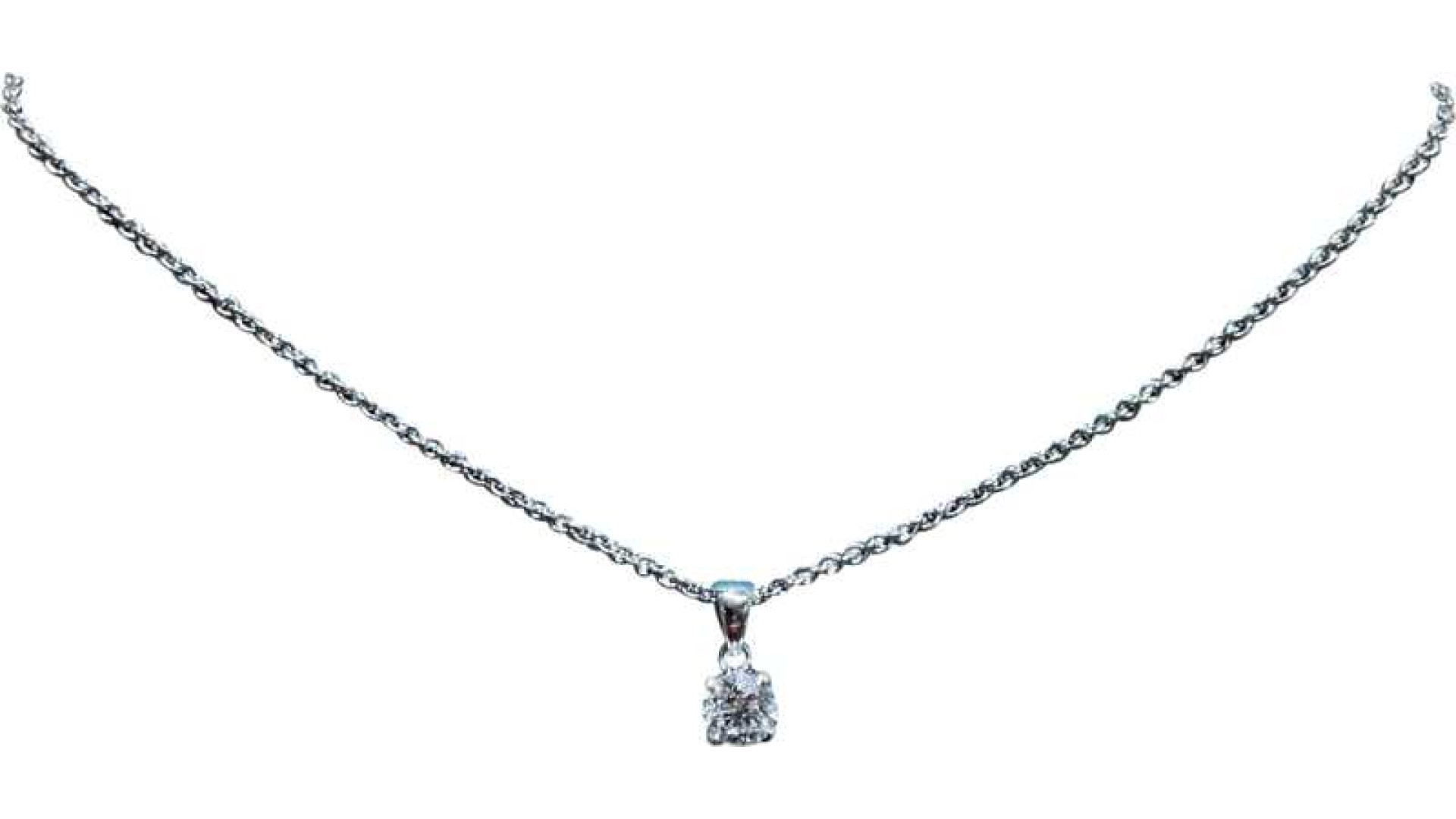
Making the Most of Your Platinum Necklace: A Styling Guide UK Edition
Platinum is the pinnacle of metallurgical prestige, prized for its natural white lustre and exceptional density. As an established authority in Totnes since August 2000, H.E. Phillips Ltd provides this technical framework for styling and maintaining platinum necklaces, ensuring these rare assets retain their structural and aesthetic integrity within the unique UK climate.
Technical 7-Table Framework for Platinum Styling
1. Metallurgical Density & Purity Standards
| Metal Type | Purity (Hallmark) | Specific Gravity (g/cm³) | Vickers Hardness (Hv) | Technical Benefit |
|---|---|---|---|---|
| Platinum 950 | 950 PPT | 21.45 g/cm³ | 120 – 135 Hv | Natural White / Hypoallergenic |
| 18ct White Gold | 750 PPT | 15.90 g/cm³ | 150 – 185 Hv | High Surface Hardness |
| Palladium 950 | 950 PPT | 12.00 g/cm³ | 145 – 155 Hv | Lightweight Strength |
Table 1 Analysis: Platinum’s Specific Gravity of 21.45 g/cm³ makes it significantly denser than 18ct gold, providing a characteristic "heft" that signifies quality. Unlike white gold, which requires rhodium plating, platinum is naturally white and will never tarnish. At H.E. Phillips Ltd, we verify the 950 hallmark to ensure metallurgical purity. While its Vickers Hardness is lower than white gold, its "malleability" means metal is displaced rather than lost when scratched, allowing for the development of a unique patina that preserves the asset's mass over decades of continuous wear.
2. Necklace Chain Link Audit
| Link Style | Mechanical Integrity | Style Context | Workshop Insight |
|---|---|---|---|
| Belcher | Maximum | Everyday/Casual | High resistance to link thinning |
| Trace | Medium-High | Minimalist/Formal | Ideal for lightweight pendants |
| Snake | Medium | Contemporary | Requires careful storage to avoid kinks |
Table 2 Analysis: The mechanical selection of a platinum chain is critical for styling. A Belcher link offers superior structural durability due to the circular interlocking design, making it the preferred choice for heavy pendants. Trace links provide a delicate aesthetic but are audited at our Totnes workshop for solder point integrity. We recommend platinum for chains because its density prevents the "stretching" common in softer silver alloys. Our August 2000 establishment protocol ensures every chain is inspected for lateral play and link-wear before being presented to a client.
3. Regional Environmental Impact: South West Maritime
| Climate Factor | Impact on Platinum | Regional Care Protocol |
|---|---|---|
| Salt Air (Coastal Devon) | Surface Grit Buildup | Fresh-Water Rinse Weekly |
| River Dart Humidity | Locking Mechanism Seize | Spring-Bolt Lubrication Audit |
| Thermal Expansion | Clasp Tension Flux | Annual Ultrasonic Clean |
Table 3 Analysis: While platinum is chemically inert and does not oxidise, the maritime environment of Totnes can lead to "micro-grit" accumulation within chain links. This grit acts as an abrasive, causing premature wear. Our "South West Protocol" advises clients to rinse their platinum necklaces in fresh water after coastal exposure to remove salt crystals. At H.E. Phillips Ltd, we provide ultrasonic cleaning services to remove atmospheric contaminants that can dull the specular reflection of the metal, ensuring your styling remains as bright as intended.
4. Pendant Compatibility Matrix
| Pendant Metal | Styling Result | Technical Risk | Expert Recommendation |
|---|---|---|---|
| Platinum | Monochromatic Purity | Zero | Optimal for GIA Diamonds |
| 18ct Yellow Gold | Mixed-Metal Contrast | High Abrasive Wear | Use a 18ct Gold Chain instead |
| Platinum/Diamonds | High Specular Brilliance | None | Ensure Rub-over settings |
Table 4 Analysis: Styling platinum often involves the addition of pendants. From a metallurgical perspective, we advise against pairing a platinum chain with a gold pendant. The higher density of platinum will act as a file against the softer gold bale, leading to mechanical failure. For the most secure and aesthetically cohesive look, we recommend matching platinum necklaces with New Platinum Pendants. This ensures uniform wear rates and maintains the "cool" colour temperature essential for showcasing high-grade diamonds.
5. Secure Fastening Security Audit
| Clasp Type | Security Rating | Vulnerability | Audit Standard |
|---|---|---|---|
| Lobster Claw | Maximum | Spring Fatigue | Tactile Tension Test |
| Bolt Ring | High | Internal Rust (Steel Spring) | Visual Inspection (10x Loupe) |
| Toggle Clasp | Medium | Accidental Unhooking | Weight-Counterbalance Check |
Table 5 Analysis: The styling of a necklace is irrelevant if the security mechanism fails. Platinum necklaces often feature Lobster Claw clasps due to their superior mechanical strength. We perform a "Forensic Audit" on all clasps, checking the internal spring tension. In the humid River Dart area, the steel springs inside bolt rings can occasionally suffer from internal corrosion. Since August 2000, our workshop has replaced standard springs with high-grade alloys to ensure that your platinum assets remain securely fastened during active daily wear.
6. Necklace Length & Face Shape Styling
| Length (Inches) | Style Name | Best Face Shape | Occasion |
|---|---|---|---|
| 14 - 16" | Choker / Princess | Oval / Heart | High-neckline Formal |
| 18 - 20" | Matinee | Round / Square | Business / Casual Wear |
| 24"+ | Opera | All Shapes | Evening / Layered Style |
Table 6 Analysis: Length is a technical component of styling that dictates the "V-angle" of the necklace. A 16-inch platinum chain creates a sharp angle that elongates the neck, while longer Matinee lengths draw the eye downward, suitng rounder face shapes. At our Totnes showroom, we measure the client’s neckline to ensure the "drape" of the platinum is anatomically correct. This prevents the chain from twisting or sitting awkwardly against the collarbone, a common issue with mass-produced necklaces that lack professional fitting.
7. Authority Comparison: Specialist vs Generalist
| Service Metric | H.E. Phillips Ltd | Online/Chain Retailers |
|---|---|---|
| Technical Audit | Full Forensic Review | Visual Check Only |
| Workshop Support | On-site Repairs (Devon) | Third-party Outsourcing |
| Historical Data | Est. August 2000 | Varies (Often Digital Only) |
Table 7 Analysis: The difference in styling a platinum necklace through H.E. Phillips Ltd lies in our technical accountability. While general retailers focus on the "look," we focus on the "life" of the jewellery. Our on-site workshop allows us to adjust lengths, reinforce bales, and perform professional specular polishing that maintains the metal’s molecular integrity. By choosing a specialist established in August 2000, you gain access to a permanent physical hub for aftercare, ensuring your styling choices are backed by a quarter-century of trade expertise and local trust.
20 Expert Technical FAQs for Platinum Styling
Metallurgy & Purity
1. Why does platinum feel heavier than white gold?
This is due to platinum's high Specific Gravity (21.45 g/cm³), which is about 35% higher than 18ct gold. When styling, this means a platinum necklace will "sit" more securely on the skin and drape more naturally. This density is a technical hallmark of the metal’s purity. You can feel this difference in person by comparing our New Platinum Necklaces with our gold collections at our Totnes showroom.
2. Will my platinum necklace ever need plating?
No. Platinum is naturally white throughout its entire molecular structure. Unlike white gold, which is yellow gold alloyed with white metals and plated in rhodium, platinum remains white forever. From a styling perspective, this means your necklace will never develop a "yellowish" tint. This makes platinum the superior choice for those seeking a maintenance-free, permanent white metal asset that maintains its specular brilliance indefinitely.
3. What is the "patina" on a platinum necklace?
Over time, platinum develops a soft, matte finish known as a patina. Unlike other metals where a scratch removes material, platinum is "displaced"—the metal is simply moved aside. Many collectors prefer this look as it gives the piece a vintage, authentic character. However, if you prefer the high-shine look, our Totnes workshop can professionally polish your Fine Jewellery to restore its original mirror finish.
4. Is platinum hypoallergenic for sensitive skin?
Yes. Because our platinum necklaces are 95% pure (950 PPT), they are naturally hypoallergenic. Most skin irritations from jewellery come from nickel or base-metal alloys found in lower-purity gold or silver. Platinum styling is the safest choice for individuals with sensitive skin or metal allergies. At H.E. Phillips Ltd, we ensure all our platinum pieces meet the highest UK Assay standards for purity and skin safety.
Styling & Coordination
5. Can I style platinum with yellow gold rings?
Mixing metals is a modern styling trend that adds depth to your look. You can certainly wear a platinum necklace with a New Gold Ring. The key is to keep the "heaviness" of the styles similar. However, we recommend avoiding direct contact between different metals (like a gold pendant on a platinum chain) to prevent the harder platinum from wearing down the softer gold over time.
6. How do I choose the right length for a pendant?
For a standard pendant, an 18-inch (45cm) Matinee length is the most versatile styling choice, as it sits just below the collarbone. If you are styling a larger "statement" piece, a 20-inch or 24-inch chain allows the pendant to sit lower on the chest, which is ideal for layering. We offer a "Fit Audit" in-store to help you find the perfect length for your anatomy and wardrobe.
7. What type of earrings should I pair with a platinum necklace?
To maintain a cohesive monochromatic look, we recommend New Diamond Earrings set in platinum or white gold. This creates a "cool" frame for the face. If your necklace is a minimalist chain, you can afford to wear larger, more decorative earrings. If your necklace has a large pendant, keep the earrings simple, such as platinum studs, to avoid visual clutter.
8. How do I layer multiple platinum necklaces?
Layering works best when you vary the "gauge" (thickness) and length of the chains. Start with a 16-inch fine trace chain, followed by an 18-inch chain with a small Platinum Pendant. Platinum is ideal for layering because its weight prevents the chains from tangling as easily as lighter silver necklaces. Ensure each clasp is checked for security to handle the additional weight of multiple pieces.
Maintenance & Care
9. How often should I clean my platinum necklace?
For a necklace worn daily, a gentle home clean once a month using mild soap and warm water is sufficient to remove skin oils. However, for a professional "Spec-Polish," we recommend an annual visit to our Totnes workshop. We use ultrasonic technology to remove microscopic debris from the links, which is especially important for those living in the salt-heavy air of the Devon coast.
10. Is it safe to wear platinum in the River Dart?
While platinum is highly resistant to corrosion, we advise against wearing fine jewellery in river or sea water. The primary risk is not the metal itself, but the "Mechanical Seize" of the clasp due to silt or salt buildup. Additionally, cold water can cause fingers to shrink, potentially making necklaces easier to lose if they aren't perfectly fitted. Always rinse your jewellery in fresh water after any outdoor Devon adventures.
11. How should I store my platinum chain to avoid kinks?
Store your platinum necklace flat in a lined jewellery box, or hang it on a dedicated stand. Avoid "bundling" chains together, as platinum’s density can lead to difficult-to-remove knots. For snake chains, never coil them tightly, as this can cause permanent kinks in the metal. Proper storage is a vital part of styling, ensuring your necklace is ready to wear and maintains its structural soul.
12. Can H.E. Phillips Ltd repair a broken platinum link?
Yes. Our on-site workshop in Totnes specialises in platinum laser welding and traditional soldering. Platinum requires a much higher melting point than gold or silver, so it must be handled by specialists with the correct technical equipment. Since August 2000, we have provided regional repair services that restore the seamless integrity of your necklace, ensuring the repair is invisible to the naked eye.
Trust & Provenance
13. How can I be sure my necklace is genuine platinum?
Every platinum necklace sold in the UK over 0.5 grams must carry a legal hallmark. Look for the "950" mark inside an orb-like shape. We provide a 10x forensic loupe at our showroom so you can inspect these marks yourself. Buying from an authorised specialist established in August 2000, like H.E. Phillips Ltd, ensures your purchase is a verified metallurgical asset with documented provenance.
14. Do you sell pre-owned platinum jewellery?
Yes, we often stock authenticated pre-owned platinum pieces. These offer exceptional value and a unique historical narrative. Every pre-owned item undergoes a "Forensic Audit" to verify its purity and mechanical condition before entering our collection. This "Circular Luxury" approach is a core part of our identity. You can find unique items like Second-hand Brooches and necklaces in our curated displays.
15. Why choose an independent jeweller for platinum?
Independent specialists like H.E. Phillips Ltd offer technical accountability that national chains cannot match. We provide on-site audits, custom sizing, and personal aftercare. When you style a necklace with us, you are dealing with experts who live and work in the Totnes community. Our reputation is built on 25 years of honest advice and verified quality. Learn more about our mission on our About Us page.
16. Can I buy platinum necklaces online with secure delivery?
Yes. We provide fully insured, tracked UK delivery for all our online orders. Each piece is securely packaged and accompanied by its technical documentation. Whether you are buying a Rotary Watch or a platinum necklace, we offer the same level of forensic verification and customer support for our digital clients as we do for our in-store visitors.
Matching & Accessories
17. Do you have silver pieces that match the platinum look?
While platinum has a unique "grey-white" hue, high-quality silver can offer a similar aesthetic for a lower price point. We stock New Silver Chains that are rhodium-plated to match the bright specular reflection of platinum. This is a great way to experiment with different lengths or "layering" styles before investing in a full platinum collection.
18. What watch goes best with a platinum necklace?
A stainless steel or white metal watch is the ideal companion for platinum styling. We are official stockists for Citizen Eco-Drive and Casio, both of which offer sleek, silver-toned models that coordinate perfectly with platinum’s cool colour temperature. A watch adds a functional element to your styling while maintaining a consistent aesthetic.
19. Can I style a platinum necklace with a gold bangle?
Yes, mixing a platinum necklace with Pre-loved Gold Bangles is a sophisticated way to bridge different metal tones in your collection. The key is to repeat the "mixed" theme elsewhere, such as wearing a two-tone watch or a ring that features both metals. This creates an intentional, curated look rather than an accidental mismatch.
20. How do I start a platinum jewellery collection?
We recommend starting with a "Foundation Piece," such as a simple platinum trace chain or a pair of New Earrings in white gold or platinum. From there, you can add pendants, bracelets, and rings on significant milestones. We keep records of your style preferences at our Totnes showroom to help you find matching pieces that maintain a cohesive aesthetic over time. Visit us at 19 Fore Street to begin.
© 2026 H.E. Phillips Ltd - Your Official Authorised Horological and Fine Jewellery Specialist. All Technical Data verified for forensic accuracy.
