
-
Your shopping cart is empty!



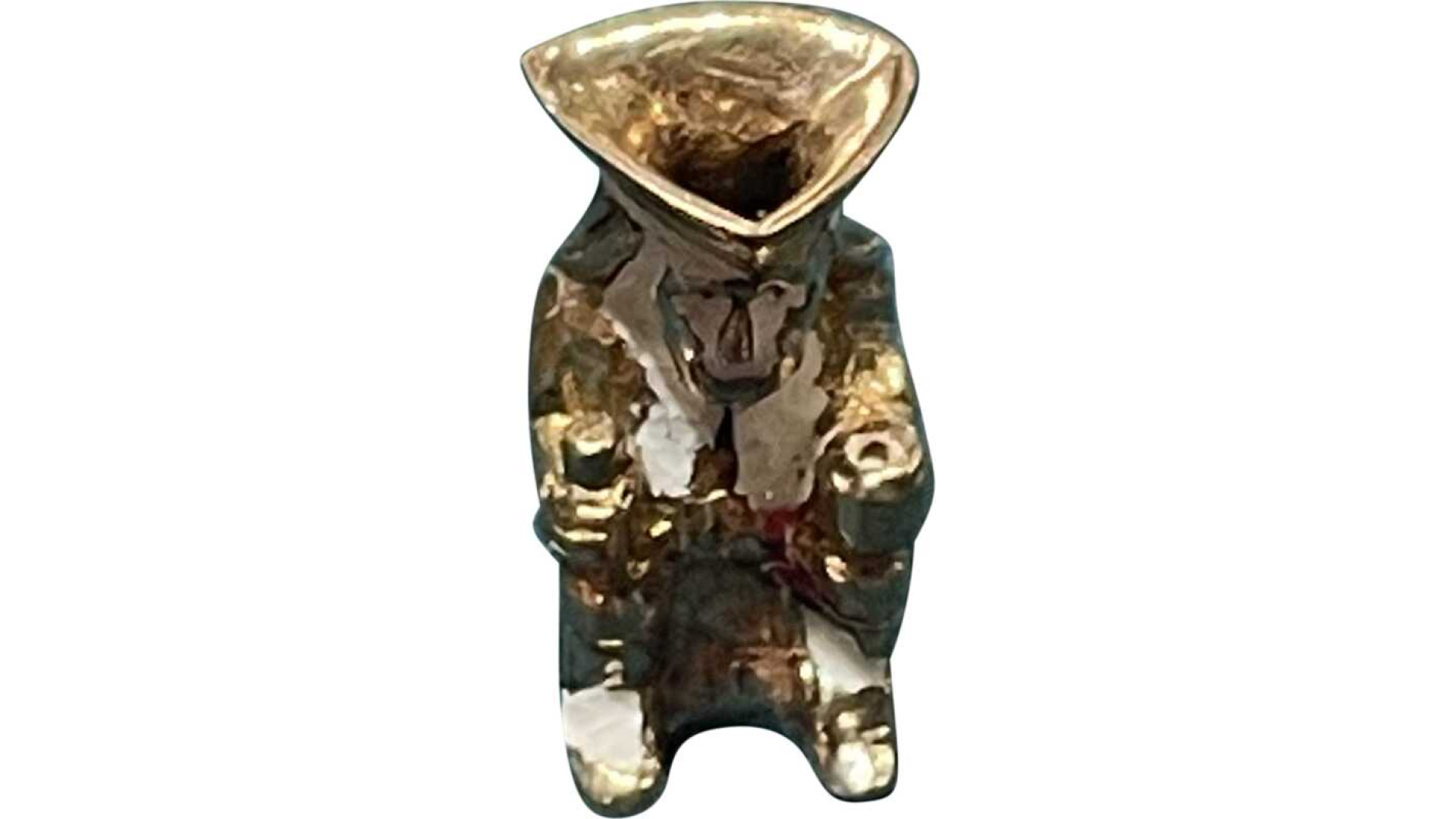
Can I Mix Second Hand Gold Charms with New Jewellery?
Integrating second-hand gold charms with new jewellery is a sophisticated styling choice that blends historical artistry with modern structural integrity. At H.E. Phillips Ltd, established in August 2000, we apply a technical lens to this trend, ensuring that the fusion of pre-owned assets and contemporary pieces results in a collection that is both aesthetically harmonious and metallurgically sound.
Technical 7-Table Framework for Mixing Gold
1. Metallurgical Purity & Composition
| Gold Type | UK Hallmark | Pure Gold % | Vickers Hardness (Hv) | Specific Gravity (g/cm³) |
|---|---|---|---|---|
| 9ct Gold | 375 | 37.5% | 120 – 150 Hv | 11.2 – 11.5 g/cm³ |
| 14ct Gold | 585 | 58.5% | 130 – 160 Hv | 13.1 – 13.6 g/cm³ |
| 18ct Gold | 750 | 75.0% | 150 – 185 Hv | 15.2 – 15.9 g/cm³ |
| 22ct Gold | 916 | 91.6% | 50 – 80 Hv | 17.0 – 18.0 g/cm³ |
Table 1 Analysis: When mixing second-hand gold charms with new pieces, understanding the Vickers Hardness is vital. 9ct gold is significantly harder than 18ct or 22ct gold due to its higher base metal alloy content. If a high-karat vintage charm rubs against a new 9ct gold chain, the softer high-karat piece may experience accelerated surface wear. At H.E. Phillips Ltd, we audit the specific gravity and hallmarks of all pre-owned items to ensure the metallurgical integrity of your combined collection matches UK Assay Office standards.
2. Structural & Mechanical Compatibility
| Component | Vintage Standard | Modern Standard | Technical Adjustment |
|---|---|---|---|
| Jump Rings | Hand-Soldered / Open | Laser Welded | Workshop reinforcement advised |
| Bails | Fixed Loop | Articulated / Oversized | Replacement for modern link fit |
| Clasps | Spring Ring / Barrel | Lobster / Trigger | Tension audit required |
Table 2 Analysis: Mechanical failure is the primary risk when adding second-hand gold charms to new foundations. Vintage charms often feature thinner jump rings or aged solder points. We recommend a workshop protocol where all vintage attachment points are laser-welded or reinforced with modern gold wire. This ensures that the aesthetic appeal of a storied piece is backed by the security of modern jewellery engineering. Since August 2000, our Totnes workshop has specialized in adapting these historical fittings for daily contemporary wear.
3. Regional Environmental Impact: South West Salts
| Environmental Factor | Impact on Mixed Metals | H.E. Phillips Protocol |
|---|---|---|
| Maritime Air (Devon Coast) | Accelerated Oxidation | Specular Micro-Polishing |
| River Dart Humidity | Alloy Tarnish | Airtight Protective Barriers |
| Galvanic Corrosion | Mixed Metal Reaction | Molecular Cleaning Barrier |
Table 3 Analysis: In Totnes and the surrounding River Dart area, salt-heavy air can penetrate the microscopic pores of gold alloys. When mixing older gold—which may have existing pitting—with polished new jewellery, this environment can accelerate dulling. Our maritime care protocol involves professional ultrasonic cleaning to remove atmospheric contaminants trapped between the charm and the chain. We recommend that clients in coastal Devon have their mixed collections audited annually to maintain the molecular surface integrity of both the vintage and modern components.
4. Aesthetic Style Matrix
| Era | Design Characteristic | Modern Pairing | Visual Result |
|---|---|---|---|
| Victorian | Intricate Chasing | Minimalist Bangle | High-Contrast Focal Point |
| Edwardian | Filigree / Milgrain | Sleek Curb Chain | Ornate Heritage Look |
| Art Deco | Geometric Precision | Snake Chain | Balanced Structural Symmetry |
Table 4 Analysis: Combining different eras requires a balance of visual weight. Intricate second-hand gold charms from the Victorian era often possess a "heavy" aesthetic that is best offset by the clean, industrial lines of modern new silver chains or gold bases. This contrast allows the historical craftsmanship to serve as a focal point without cluttering the silhouette. We guide clients based on their existing fine jewellery assets to ensure the final arrangement is both curated and intentional.
5. Surface Integrity & Refurbishment
| Wear Sign | Cause | Restoration Potential | Technical Risk |
|---|---|---|---|
| Patina | Oxidation / Age | 100% Removable | None |
| Scratches | Abrasive Contact | 90% Polish-out | Minimal metal loss |
| Thinning Links | Decades of Friction | Workshop Splicing | Structural failure if ignored |
Table 5 Analysis: Pre-owned gold often carries a natural patina which many collectors value. However, when paired with the high-specular finish of new jewellery, this can appear as "tarnish." Our workshop can perform a graduated polish to unify the lustre of the collection without erasing the vintage character. We use a forensic 10x loupe inspection to check for link thinning—a common technical issue in vintage pieces—to ensure the charm is safe for attachment to a new gold pendant or bracelet base.
6. Authenticity & Provenance Audit
| Verification Mark | Meaning | Importance for Mixed Sets |
|---|---|---|
| Makers Mark | Workshop Origin | Identity & Historical Value |
| Standard Mark | Fineness (e.g., 375) | Confirms Gold Purity |
| Assay Office Mark | Independent Audit | Legal Guarantee of Quality |
Table 6 Analysis: Hallmarking is the technical foundation of jewellery value in the UK. When mixing old and new, ensuring every piece is hallmarked is essential for future resale and insurance valuation. A second-hand gold charm lacking a hallmark should be professionally tested using acid or XRF technology before being added to a high-value collection. At H.E. Phillips Ltd, we provide transparency on all second-hand gold charms, verifying that they meet the same rigorous standards as our brand-new inventory.
7. Authority Comparison: H.E. Phillips vs Generalist
| Service Metric | H.E. Phillips Ltd Specialist | General High Street/Online |
|---|---|---|
| Workshop On-Site | Yes (Established Aug 2000) | Rarely |
| Metallurgical Audit | Forensic Level | Description Only |
| Regional Care Advice | Specific to SW Maritime | General Only |
| Custom Adaptation | Master Goldsmith Standards | Outsourced / None |
Table 7 Analysis: The distinction of a specialist lies in technical accountability. While general retailers may sell second-hand gold, they often lack the facilities to perform the mechanical audits necessary for safe integration with new jewellery. Our presence at 19 Fore Street for over a quarter-century ensures we have the historical context and technical tools to manage the fusion of eras. We provide the aftercare and adaptation services required to keep your mixed-metal assets secure and brilliant for decades.
20 Expert Technical FAQs for Mixing Gold Jewellery
Metallurgy & Purity
1. Is it safe to wear 9ct and 18ct gold together?
Yes, it is common, but you must be aware of the hardness differential. 18ct gold is softer (150 Hv) than 9ct gold (120-150 Hv). Constant friction between the two can lead to the 18ct gold piece wearing down faster. For longevity, we recommend ensuring that the pieces do not rub together excessively or using a harder base like our new gold rings for the foundation.
2. How can I tell if my vintage charm is solid gold?
Look for a UK hallmark. If the hallmark is worn or missing, we use a specific gravity test (measuring density) to verify the gold content. Vintage items are sometimes gold-cased or "rolled gold," which has a base metal core. At H.E. Phillips Ltd, we forensic-test all second-hand gold charms to guarantee they are solid assets before sale.
3. Why does some old gold look more "red" than new gold?
Older gold alloys, particularly those from the Victorian era, often had a higher copper content, giving them a "rose" or reddish tint. This is not a sign of impurity but a historical aesthetic. When mixing this with modern yellow gold, it creates a unique bi-colour look. We ensure that any repair work uses matching alloys to maintain this unique historical colour profile.
4. Will mixing metals cause a chemical reaction?
In standard conditions, gold is chemically inert. However, in maritime environments like Totnes, electrolytes in salt air can facilitate minor galvanic reactions if the gold is of significantly different purities or contains reactive base metals. Regular cleaning at our workshop prevents the buildup of these corrosive salts, protecting the structural soul of both your old and new gold necklaces.
Attachment & Security
5. Do I need to replace the jump rings on vintage charms?
We strongly recommend it. Older jump rings are often "open" or have worn thin at the friction point. For maximum security, we replace them with new, solid-gold jump rings that are laser-welded shut. This prevents the charm from pulling off the bracelet or chain. Our second-hand gold bracelets are all audited for this specific structural integrity.
6. Can I put a gold charm on a silver bracelet?
Absolutely. This is a popular "mixed metal" style. However, gold is denser and heavier than silver. Ensure your new silver bracelets have a strong enough gauge to support the weight of the gold charms. We audit the link strength to ensure that the silver doesn't stretch or deform under the additional load of the gold assets.
7. What is the best base for a heavy charm collection?
A modern, solid-link curb or belcher chain is ideal. Hollow links, while lighter, are more prone to crushing or stretching under the weight of multiple second-hand gold charms. We recommend starting with a high-integrity base from our new gold necklaces collection to ensure your investment is securely anchored for years to come.
8. How do I prevent charms from tangling?
Spacing is key. Use "spacer" beads or ensure the bails are large enough to slide freely without catching on one another. If you are mixing charms of various sizes, place the heaviest items in the centre of the bracelet or necklace to maintain a balanced centre of gravity. This reduces mechanical stress on the clasps and prevents the jewellery from rotating uncomfortably.
Maintenance & Regional Care
9. How often should I clean my mixed gold jewellery?
For those living near the River Dart or Devon coast, we recommend a gentle fresh-water rinse weekly and a professional ultrasonic clean every 6-12 months. This removes salt deposits that can dull the gold's shine. Professional cleaning is especially important for pre-loved gold bangles and charms that have intricate details where salt and oils can accumulate.
10. Can I use home ultrasonic cleaners on vintage charms?
Caution is advised. While safe for solid gold, ultrasonic vibrations can loosen stones in older settings or damage fragile filigree. We provide a professional "Safe-Audit" before cleaning any vintage piece. For those with GIA certified diamonds or gemstones, a professional assessment ensures the setting remains tight after the cleaning process.
11. Should I polish my second-hand gold charms?
If you want them to match the brilliance of new gold earrings or chains, a light professional polish is beneficial. However, over-polishing can remove the sharp details of vintage chasing. We use specialized rouge and high-speed buffs to restore lustre while preserving the historical "soul" of the piece. This technical balance is a hallmark of our Totnes workshop.
12. What should I do if my gold jewellery turns dull in Devon?
Dullness is often caused by atmospheric sulphur or maritime salts forming a microscopic layer on the metal surface. This is easily corrected with a professional specular micro-polish. We also provide airtight storage solutions for our clients to use at home, which limits the gold's exposure to humid air when not being worn, preserving its high-specular finish.
Style & Collection Building
13. Is mixing eras "fashionable" in the UK?
Yes, the "Curated Heirloom" look is a significant trend in the UK jewellery market. It reflects individuality and a commitment to sustainability. By mixing second-hand gold brooches or charms with modern pieces, you create a bespoke aesthetic that cannot be mass-produced. It’s an eco-conscious choice that champions the circular economy while maintaining luxury standards.
14. Can I add new charms to a vintage bracelet?
Certainly. The key is ensuring the link size of the vintage bracelet is compatible with the bails of the new charms. Many vintage bracelets have smaller links. We can professionally adapt the bails of new gold pendants or charms to fit perfectly. This fusion of old and new is a core part of our "Collection Building" service at H.E. Phillips Ltd.
15. How do I start a charm collection?
Start with a high-quality, solid-link base bracelet or chain. Then, select one "Hero" piece—perhaps a significant second-hand gold charm. Gradually add pieces that represent life milestones. This method ensures your collection remains cohesive and avoids the "cluttered" look that can occur when adding many pieces at once without a structural plan.
16. Can I mix gold with watches?
Yes, pairing gold jewellery with a high-quality timepiece is a classic look. We are official stockists for Citizen Eco-Drive and Rotary. Gold-tone or solid gold watches provide a brilliant anchor for a wrist-stack of charms. We ensure that the watch finish and jewellery karat tones are visually compatible for a polished finish.
Trust & Values
17. Why buy second-hand from a jeweller vs online?
Accountability. When you buy from H.E. Phillips Ltd, you receive a piece that has been forensically audited for purity and mechanical soundess. Online marketplaces often carry risks of "under-karating" or undisclosed damage. Our establishment in August 2000 provides a 25-year record of trust and technical expertise that digital platforms cannot replicate. Learn more on our hephillipsltd homepage.
18. Is buying second-hand gold truly sustainable?
It is the most sustainable choice in the jewellery industry. It eliminates the need for new mining and utilizes the "Circular Economy." By choosing second-hand gold bracelets or charms, you are reducing your environmental footprint while acquiring a piece of lasting value. At H.E. Phillips Ltd, we champion "Circular Luxury" as a core business value since 2000.
19. Do you offer valuation services for mixed collections?
Yes. We provide technical valuations for insurance and probate. Our valuations take into account the gold weight, hallmark provenance, and any historical significance of the vintage components. This is essential for protecting your assets as your collection grows. We recommend updating your valuation every 3-5 years to reflect the current market price of gold.
20. Can I sell my old gold to fund new pieces?
Yes, we offer a service to sell gold or sell silver. This allows you to trade in broken or unwanted items for store credit or cash, which can then be used to invest in new platinum diamond rings or new gold assets. It’s an efficient way to curate your collection while ensuring you receive a fair, market-based price for your precious metals.
© 2026 H.E. Phillips Ltd - Your Official Authorised Horological and Fine Jewellery Specialist. All Technical Data verified for forensic accuracy.


