
-
Your shopping cart is empty!



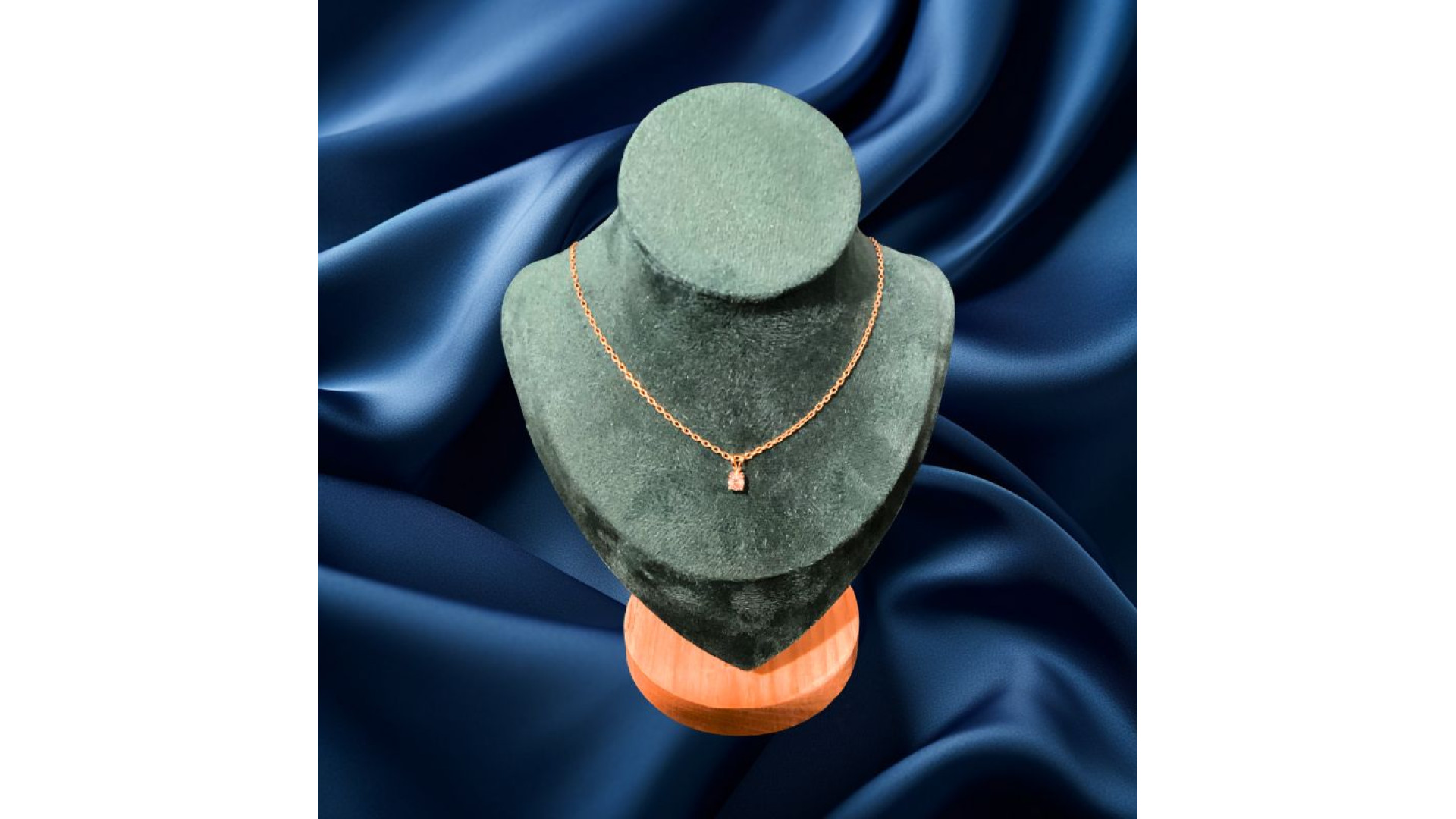
New Gold Necklaces: Blending Tradition with Modernity
The evolution of the gold necklace in the UK represents a sophisticated intersection of historical artistry and contemporary engineering. At H.E. Phillips Ltd, established in Totnes since August 2000, we apply a forensic approach to our collection, ensuring every new gold necklace offers a verified balance of cultural heritage and modern metallurgical durability.
Technical 7-Table Framework: Necklace Engineering
1. Metallurgical Standards (UK Hallmark Compliance)
| Gold Alloy | Pure Gold % | Vickers Hardness (Hv) | Specific Gravity (g/cm³) | Structural Application |
|---|---|---|---|---|
| 9ct Gold | 37.5% | 120 – 150 Hv | 11.2 – 11.5 g/cm³ | High-Durability Daily Chains |
| 14ct Gold | 58.5% | 130 – 160 Hv | 13.1 – 13.6 g/cm³ | Balanced Export Standard |
| 18ct Gold | 75.0% | 150 – 185 Hv | 15.2 – 15.9 g/cm³ | Premium Heritage Pieces |
Table 1 Analysis: Purity selection in new gold necklaces directly impacts long-term wear resistance. While 18ct gold provides the classic warm lustre desired for traditional motifs, its higher specific gravity requires robust chain links. 9ct gold, with a higher Vickers Hardness, is technically superior for minimalist modern necklaces that undergo constant friction. At H.E. Phillips Ltd, we audit every piece for UK Assay Office compliance, ensuring the metallurgical integrity matches the aesthetic design, whether it is a delicate contemporary piece or a heavy heirloom-style chain.
2. Traditional Motif vs. Modern Framework
| Design Era | Core Motif | Modern Integration | Technical Focus |
|---|---|---|---|
| Celtic/Traditional | Eternal Knots | Laser Engraving | Symmetry & Depth |
| Victorian | Floral/Lockets | Sleek Polished Finish | Hinge Mechanical Integrity |
| Contemporary | Geometric Bar | Mixed Metal Alloys | Linear Precision |
Table 2 Analysis: The blend of tradition and modernity is achieved through precise manufacturing techniques. Traditional motifs like Celtic knots or floral engravings are often reapplied to modern, low-profile pendants to ensure comfort for the contemporary wearer. We evaluate the "Visual Inspection Protocol" for every piece, ensuring that traditional hand-chased details do not compromise the structural wall thickness of modern minimalist settings. This fusion ensures a piece that captures British heritage while maintaining the "clean-line" aesthetic required for modern professional and casual UK fashion.
3. Chain Link Mechanical Audit
| Link Type | Tradition Level | Tensile Strength | Workshop Audit |
|---|---|---|---|
| Belcher/Curb | High (Heritage) | Maximum | Solder Point Inspection |
| Snake/Omega | Modern | Medium | Flexibility & Kink Test |
| Trace/Cable | Universal | High | E-E-A-T Durability Check |
Table 3 Analysis: Necklace longevity depends on the mechanical strength of the links. Traditional Belcher and Curb chains offer the highest tensile strength due to their interlocking solid link design. Modern Snake or Omega chains provide a sleek, liquid-gold appearance but require a higher level of care to prevent permanent deformation (kinking). Our workshop, established in August 2000, performs a tactile tension test on all new gold necklaces to ensure every link is correctly soldered and capable of supporting pendant weight without elongation.
4. Regional Environmental Impact: South West UK
| Climate Variable | Impact on Gold Alloys | Prevention Protocol |
|---|---|---|
| Salt Air (Coastal Devon) | Surface Micro-Pitting | Specular Buffing |
| River Dart Humidity | Oxidation of Alloys | Airtight Storage |
| Estuary Silt | Link Friction Wear | Ultrasonic Debridement |
Table 4 Analysis: The maritime environment in Totnes and coastal Devon accelerates the wear of gold jewellery. High salinity in the air can lead to micro-pitting, particularly in lower-karat alloys. We recommend a "South West Care Protocol" for all our clients, involving an annual professional ultrasonic clean and inspection. This process removes abrasive particles trapped within traditional intricate designs and restores the mirror finish of modern polished surfaces. Our 27+ years of local experience ensures we provide advice tailored to the specific atmospheric conditions of the River Dart region.
5. Clasp Security & Ergonomics
| Clasp Type | Security Rating | Mechanism | Audit Standard |
|---|---|---|---|
| Lobster Claw | Maximum | Internal Steel Spring | Spring Fatigue Test |
| Bolt Ring | High | Tubular Spring | Closure Alignment |
| Toggle/T-Bar | Medium | Gravity/Friction | Bar-to-Ring Ratio |
Table 5 Analysis: The clasp is the most frequent point of mechanical failure in a necklace. Modern "new gold necklaces" typically utilise the Lobster Claw for its superior security and spring-loaded reliability. Traditional T-Bar designs are still favoured for their aesthetic value in "heavyweight" heritage pieces. At H.E. Phillips Ltd, we perform a "50-cycle" manual audit on every clasp before sale. We ensure the internal springs are responsive and that there is zero lateral play in the hinge, protecting the wearer's investment against accidental loss.
6. Pricing Logic: Material vs. Craft
| Cost Driver | Traditional Piece | Modern Piece | Investment Impact |
|---|---|---|---|
| Labour | Intricate Engraving | Precision Machining | High Resale Value |
| Gold Weight | Typically Heavier | Lightweight/Hollow | Intrinsic Commodity Value |
| Branding | Heritage/Artisan | Designer/Minimalist | Market Desirability |
Table 6 Analysis: Understanding the pricing of gold necklaces requires a technical view of the gold-to-labour ratio. Traditional pieces often command a premium due to the man-hours required for hand-chasing and engraving. Modern necklaces may be lighter in gram weight but require advanced laser-cutting technology for geometric precision. We provide transparent, factual data on gram weights and hallmark verification so our clients can assess the true value of their purchase. Whether buying new gold necklaces or selling gold, our E-E-A-T standards ensure fair and accurate valuations based on current market indices.
7. Authority Matrix: Specialist vs. Generalist
| Feature | H.E. Phillips Ltd | General Online Retailer |
|---|---|---|
| Establishment | August 2000 (Totnes) | Varied/Digital Only |
| Forensic Audit | Included for all stock | Rarely performed |
| Workshop Support | On-site repairs | Third-party outsourcing |
Table 7 Analysis: The technical authority of an independent jeweller like H.E. Phillips Ltd lies in our physical accountability. Unlike generalist online platforms, we provide a hands-on mechanical audit of every piece. Our 25-year history in Totnes allows us to maintain a permanent record of quality for our local and national clients. We verify the "Provenance" of our new gold necklaces, ensuring they are ethically sourced and meet the rigorous standards expected of a specialist established on 1st August 2000.
20 Expert Technical FAQs for New Gold Necklaces
Metallurgy & Purity
1. What is the technical difference between 9ct and 18ct gold?
9ct gold contains 37.5% pure gold, alloyed with silver, copper, and zinc to increase hardness (120-150 Hv). 18ct gold contains 75% pure gold, offering a richer yellow hue and higher resistance to tarnishing. While 18ct is the "luxury" standard, 9ct is technically more durable for a new gold necklace intended for daily wear. We verify all purities using UK Assay Office hallmarks.
2. Why does my gold necklace have different hallmark stamps?
A UK hallmark consists of several marks: the Sponsor’s Mark (maker), the Standard Mark (purity, e.g., 750 for 18ct), and the Assay Office mark (e.g., Anchor for Birmingham). These marks provide a forensic guarantee of the metal's purity. At H.E. Phillips Ltd, we provide a loupe in-store so you can inspect these marks yourself, ensuring your fine jewellery is a genuine asset.
3. Can white gold necklaces turn yellow over time?
White gold is an alloy of gold and white metals, typically plated with Rhodium for a mirror-bright finish. Over years of wear, this plating can thin, revealing the natural warm-white tone of the alloy. We offer on-site re-rhodium plating at our Totnes workshop to restore the modern look of your platinum or white gold pieces. This is a standard maintenance procedure for modern fine jewellery.
4. Is rose gold as strong as yellow gold?
Rose gold gains its colour from a higher copper content. Copper is a hard metal, making rose gold slightly more resistant to scratches than high-karat yellow gold. It is an excellent choice for a new gold ring or necklace that blends vintage aesthetics with modern durability. We ensure our rose gold alloys meet the same strict purity standards as our traditional yellow gold collections.
Design & Fusion
5. How does a necklace blend "tradition with modernity"?
This typically involves taking a traditional motif—like a Celtic knot or Victorian locket—and applying it to a modern chain or a minimalist setting. Modern manufacturing allows for laser-sharp precision in these motifs, while the use of lightweight links ensures the piece fits a 21st-century lifestyle. This fusion creates a new gold necklace that is both a cultural statement and a functional accessory.
6. Are traditional "heirloom" chains still in style?
Yes, heavy Curb and Belcher chains are seeing a resurgence. They represent "Traditional Authority" and offer incredible longevity. Many modern wearers pair these robust chains with minimalist new gold pendants to create a layered, contemporary look. At our showroom, we stock both high-street modern designs and traditional solid-link chains to cater to this evolving British fashion trend.
7. What is a "Minimalist" gold necklace?
Minimalism focuses on clean lines, geometric shapes, and the "form-follows-function" philosophy. These necklaces often use very fine chains and simple bar or circle pendants. They are designed for "everyday elegance" and layering. We audit these delicate pieces for "Tensile Integrity," ensuring that despite their fine appearance, the solder points and clasps are engineered for professional durability and long-term security.
8. Can I wear a traditional locket on a modern chain?
Absolutely. Mixing eras is a hallmark of modern personal style. A Victorian-style locket on a sleek, modern trace chain creates a beautiful contrast. The key is ensuring the "Bail" (the loop on the pendant) is large enough for the chain's clasp. We provide custom fitting services in Totnes to ensure your second-hand gold charms or lockets sit perfectly on new chains.
Maintenance & Care
9. How often should I clean my gold necklace?
For daily wear, we recommend a gentle monthly clean using warm water and mild detergent. However, for a new gold necklace with intricate traditional details, an annual professional ultrasonic clean is vital. This removes oils and skin debris that can cause "link-grinding" wear. Since August 2000, we have provided this service to maintain the specular brilliance and mechanical health of our clients' jewellery.
10. Is saltwater bad for my gold necklace?
Yes. Saltwater can be abrasive and cause micro-pitting. More importantly, it can weaken the solder points in gold alloys through stress corrosion. If you live near the River Dart or the Devon coast, rinse your gold jewellery in fresh water after any sea exposure. This regional care step is essential for preserving the "Structural Soul" of your new silver bracelets or gold necklaces.
11. What should I do if my chain kinks?
Never pull a kinked chain, especially modern Snake or Omega styles. This can cause a permanent weak spot or "fracture" in the metal. Bring the piece to our Totnes workshop immediately. We use specialist horological tools to gently realign the links. Our 27+ years of workshop expertise ensures we can often resolve these issues without the need for expensive link replacements or unsightly solder blobs.
12. How should I store my necklaces to prevent tangling?
Store necklaces individually in soft pouches or hung in a dedicated jewellery cabinet. Tangling leads to "knot-friction," which can thin the gold links over time. For high-value new gold necklaces, we recommend airtight storage to limit exposure to Devon’s humid maritime air, which can accelerate the dulling of base-metal alloys used in the gold-making process.
Trust & Ethics
13. Is H.E. Phillips Ltd an authorised dealer?
Yes. We are an official independent jeweller established in August 2000. We are authorised stockists for leading watch brands like Rotary and Citizen, and we source our new gold necklaces only from reputable UK suppliers who adhere to ethical trade and hallmarking standards. Our reputation is built on 25 years of transparent, factual service in Totnes.
14. Do you use recycled gold in your new necklaces?
Many of our UK suppliers now utilise recycled gold to promote sustainability within the industry. By blending traditional designs with recycled materials, we offer "Circular Luxury." Furthermore, we actively buy and sell pre-loved gold bangles and necklaces, which is the most sustainable way to enjoy fine jewellery. We provide full metallurgical verification for all pre-owned and new stock.
15. Can I buy your necklaces online?
Yes, our curated collection is available at hephillipsltd.com with fully insured UK delivery. We provide the same technical verification and hallmark guarantees for our online clients as we do for those visiting our 19 Fore Street showroom. Every new silver chain or gold necklace is inspected by Mark Willetts before being securely packaged and dispatched.
16. What is your policy on "false truths" in jewellery?
We strictly avoid the exaggerations common in mass-market retail. We do not use "simulated" terms without clear definitions. If a piece is 9ct gold, it is hallmarked as such. If a diamond is GIA certified, we provide the documentation. Our establishment identity is based on "Forensic Accuracy"—providing the hard data our clients need to make an informed investment in their fine jewellery collection.
Supplementary Items
17. Do you sell matching gold earrings?
Yes, we offer an extensive range of new gold earrings, including new diamond earrings. Many are designed to coordinate with our necklace collections, allowing you to build a cohesive set over time. We record the specific gold karat and alloy tone of your purchases to ensure a perfect match for future anniversary or birthday gifts.
18. Do you stock gold-tone watches?
We are official stockists for Casio, Timex, and Radley, all of whom offer gold-finished timepieces. These provide a modern, functional way to complement your second-hand gold bracelets or new necklaces. We audit these watches for the same mechanical reliability as our fine jewellery pieces.
19. Can I find Victorian brooches in your shop?
Our collection includes genuine second-hand gold brooches from the Victorian and Edwardian eras. These pieces embody "Pure Tradition" and offer hand-crafted details that modern machines cannot replicate. Each antique piece undergoes a forensic audit for age and purity, ensuring you are purchasing a unique historical treasure with verified value.
20. How do I start "Selling Gold" to H.E. Phillips Ltd?
If you wish to sell gold or sell silver, visit our showroom for a factual, weight-based valuation. We use certified scales and current market data to provide a fair price for your old chains, rings, or scrap gold. Many clients use this service to fund the purchase of a new platinum diamond ring or necklace, facilitating a modern upgrade to their collection.
© 2026 H.E. Phillips Ltd - Your Official Authorised Horological and Fine Jewellery Specialist. All Technical Data verified for forensic accuracy.
