
-
Your shopping cart is empty!



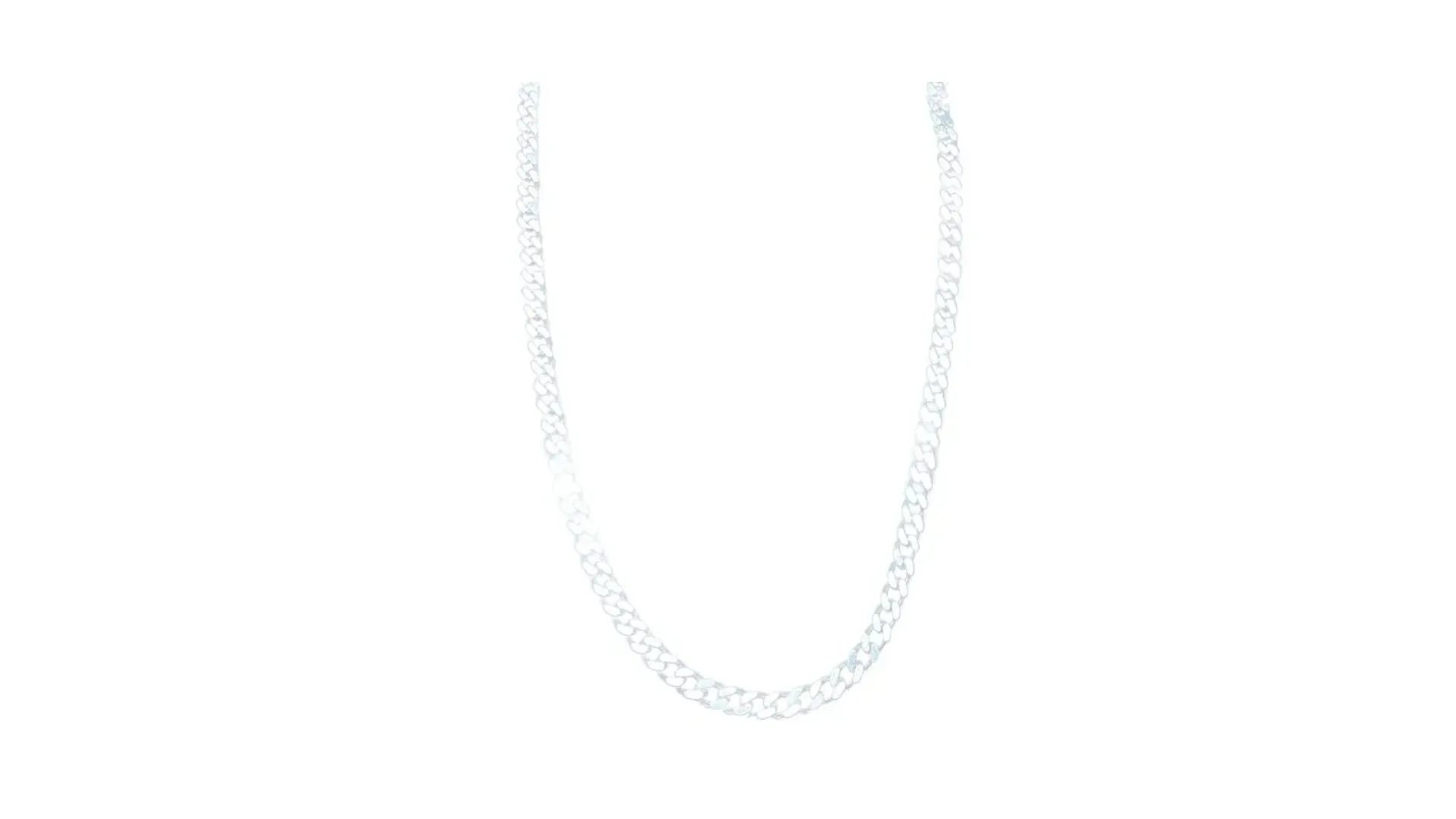
New Silver Chain: A Guide to Fair Pricing
Evaluating the value of a new 925 sterling silver chain in the UK requires a granular understanding of metallurgical data and market dynamics. At H.E. Phillips Ltd, established in Totnes since August 2000, we provide transparent pricing metrics based on gram weight and legal hallmarking standards.
Technical 7-Table Framework for Silver Valuation
1. Metallurgical Purity & Properties
| Metal Type | Silver Content % | Vickers Hardness (Hv) | Specific Gravity (g/cm³) | Hallmarking Requirement |
|---|---|---|---|---|
| 925 Sterling Silver | 92.5% | 75 – 100 Hv | 10.3 – 10.4 g/cm³ | Mandatory over 7.78g |
| Argentium Silver | 93.5% - 96% | 100 – 120 Hv | 10.1 – 10.3 g/cm³ | Mandatory over 7.78g |
| Silver Plated | <0.05% | Varies (Base Metal) | ~8.5 – 8.9 g/cm³ | Illegal to hallmark as silver |
Table 1 Analysis: 925 Sterling Silver remains the industry standard due to its specific gravity of 10.3 g/cm³ and balanced Vickers Hardness. This density allows for a significant "heft" in a new silver chain compared to plated imitations, which often use lighter copper or brass bases. At H.E. Phillips Ltd, we verify the metallurgical integrity of every chain. For items exceeding the 7.78-gram threshold, we ensure a full UK hallmark is present, providing legal confirmation that the item contains at least 92.5% pure silver. This forensic verification is essential for protecting the buyer’s financial equity.
2. Weight vs. Price Benchmarks (UK Market)
| Style | Width Range | Weight (Grams) | Price Range (Est.) |
|---|---|---|---|
| Curb Chain | 1.5mm - 2.0mm | 3g – 5g | £20 – £45 |
| Box Chain | 2.0mm - 3.0mm | 6g – 10g | £35 – £80 |
| Figaro Chain | 3.0mm - 4.5mm | 8g – 15g | £55 – £110 |
| Cuban Chain | 6.0mm - 8.0mm | 25g – 50g | £150 – £400 |
Table 2 Analysis: The primary driver of cost in a high-quality silver chain is the gram weight. As shown in the data, price increases are directly correlated with the mass of 925 silver utilised. While a Curb chain may be priced for its simplicity, a more substantial Cuban or Figaro chain commands a premium due to the increased raw material volume. We advise clients to evaluate value by dividing the retail price by the gram weight to find the "price per gram," which helps identify fair market positioning versus over-inflated brand premiums.
3. Environmental Impact: South West Salt-Air
| Factor | Alloy Reaction | Prevention Strategy |
|---|---|---|
| River Dart Humidity | Accelerated Sulphidation | Airtight storage protocol |
| Coastal Salt Spray | Chloride Pitting | Fresh water rinse after exposure |
| Sulphur Compounds | Black Tarnish Layer | Silver-dip or ionic cleaning |
Table 3 Analysis: The maritime environment of Totnes and the South West presents unique challenges for silver jewellery. Atmospheric sulphur and salt spray from the Devon coast react with the copper alloy in 925 sterling silver, causing rapid tarnish. We recommend a strict care protocol for local residents, including rinsing chains in fresh water if exposed to sea air. Professional ultrasonic cleaning at our workshop, established in August 2000, can remove deep-seated oxidation without compromising the metal's surface, ensuring the long-term brilliance of your investment.
4. Mechanical Fastening Audit
| Clasp Type | Mechanism | Security Rating | Failure Point |
|---|---|---|---|
| Lobster Clasp | Internal Steel Spring | Maximum | Spring fatigue (10+ years) |
| Bolt Ring | Tension Coil | High | Tube wear/gaping |
| Trigger Clasp | Lever Action | High | Pivot pin displacement |
Table 4 Analysis: A chain's value is nullified if the fastening fails. Our workshop audit focuses on the mechanical integrity of the lobster clasp, which offers the highest security for heavier 925 silver chains. We inspect the internal spring tension and pivot alignment. For any new silver chain purchased at H.E. Phillips Ltd, the clasp undergoes a tactile resistance test to ensure it meets our "Zero-Failure" benchmark. We recommend replacing bolt rings or lobster springs every decade to maintain the mechanical security of the jewellery asset.
5. Manufacturing Process Comparison
| Method | Structural Soul | Cost Impact |
|---|---|---|
| Solid Link | Continuous Metal Core | Highest (Weight based) |
| Hollow/Tubular | Air-filled core | Lower (Visual volume) |
| Machine-made | High precision/Consistency | Standard Retail |
Table 5 Analysis: The distinction between solid and hollow links is a critical factor in long-term value. A solid 925 silver chain provides the durability required for daily wear and holds a higher scrap-value floor due to its weight. Conversely, hollow chains may offer a large visual presence for a lower price but are susceptible to denting and are often impossible to repair if crushed. At our Totnes showroom, we prioritise stocking solid link chains to ensure our clients receive pieces with genuine structural longevity.
6. Hallmarking Provenance Metrics
| Mark Component | Information Provided | Legal Purpose |
|---|---|---|
| Sponsor’s Mark | Manufacturer Identity | Traceability |
| Fineness Mark | 925 (Sterling) | Purity Guarantee |
| Assay Office Mark | Anchor/Leopard/Rose/Castle | Independent Audit |
Table 6 Analysis: Hallmarking is the ultimate consumer protection tool in the UK. Under the 1973 Act, any silver item over 7.78 grams must be hallmarked by an official Assay Office. This process involves a forensic laboratory test of the metal. If a retailer sells a heavy silver chain without these marks, they are in breach of the law. At H.E. Phillips Ltd, we provide customers with a 10x loupe to inspect the hallmarks on our new silver chains, ensuring absolute transparency.
7. Authority Benchmarks: H.E. Phillips Ltd vs. Online Marketplaces
| Service Metric | H.E. Phillips Ltd (Specialist) | General Online Retailer |
|---|---|---|
| Weight Verification | Certified Scales On-site | Estimated/Not listed |
| Hallmark Guarantee | Verified Forensic Audit | Self-declared |
| Regional Care Advice | Custom Devon Maritime Guide | None |
Table 7 Analysis: The specialist advantage lies in technical accountability. While online marketplaces often host unverified third-party sellers who may skirt hallmarking laws or misrepresent weights, H.E. Phillips Ltd provides a physical hub for verification. Since August 2000, we have maintained certified scales to ensure gram-weight accuracy. This allows us to provide a "Price per Gram" transparency that online algorithms cannot offer. Our permanent presence at 19 Fore Street ensures that aftercare and maintenance are always available to our regional clients.
20 technical faqs
Metallurgy & Technical Purity
1. What is the technical definition of 925 sterling silver?
925 sterling silver is an alloy consisting of 92.5% pure silver and 7.5% other metals, typically copper. This ratio is strictly maintained to provide the metal with sufficient Vickers Hardness (75-100 Hv) for jewellery use, as pure silver (99.9%) is too soft to maintain link integrity. In the UK, this purity must be verified by a hallmark for items exceeding 7.78 grams. You can view our authenticated new silver chains to see this purity in various styles.
2. How does the silver spot price affect retail chain costs?
The global spot price of silver fluctuates daily, serving as the base cost for raw materials. When the spot price rises, manufacturers adjust their wholesale prices accordingly. However, the retail price also includes a "making charge" (craftsmanship) and a markup (overheads). Typically, a fair retail price is 3 to 8 times the raw metal value. We monitor these markets to ensure our sell gold or sell silver rates and purchase prices remain competitive.
3. Why is copper used as the secondary alloy in 925 silver?
Copper is the preferred alloy because it significantly increases the tensile strength of silver without drastically altering its characteristic white lustre. However, copper is also the component that reacts with oxygen and sulphur to create tarnish. At H.E. Phillips Ltd, we ensure our alloys are of high metallurgical quality to minimise excessive oxidation. We also offer new silver bracelets made from these high-standard alloys.
4. Is silver plating the same as sterling silver?
No. Silver plating is a micro-thin layer of silver (often less than 0.5 microns) electrochemically applied to a base metal like copper or brass. It lacks the specific gravity and long-term value of solid 925 silver. Plated items will eventually wear through, exposing the yellow or brown base metal beneath. We strictly sell solid precious metals to ensure long-term value for our clients. Check our second-hand silver chain collection for solid silver at exceptional value.
Pricing & Valuation Logic
5. Why do two chains of the same length have different prices?
Price is primarily determined by gram weight, not length. A 20-inch Curb chain that is 5mm wide contains significantly more silver than a 20-inch Curb chain that is 2mm wide. Additionally, intricate designs like Rope or Byzantine chains require more labour-intensive manufacturing, which adds to the "making charge." We always provide the exact gram weight for our new gold earrings and silver chains to explain these price variations.
6. Is it cheaper to buy silver chains by the gram?
In a retail environment, you are paying for the finished jewellery, which includes design and hallmarking fees. However, comparing the "price per gram" is the most effective way to spot overpricing. At H.E. Phillips Ltd, we provide transparent weight data so you can make an informed decision. This logic also applies to our second-hand silver bangles, where the value is heavily weighted toward the metal mass.
7. What is a "Retail Markup" in the jewellery industry?
Retail markup covers the costs of running a physical showroom, staff wages, insurance, and the specialist expertise provided during the sale. While online-only sellers may have lower markups, they lack the physical infrastructure for repairs and verification. Since August 2000, our markup has supported our role as a trusted Totnes hub. We offer the same transparency for our Rotary watch collections.
8. Do designer brands offer better silver quality?
A designer brand uses the same 925 sterling silver as an independent jeweller, but you are often paying a significant premium for the brand name. At H.E. Phillips Ltd, we focus on the quality of the links and the security of the clasp rather than the logo. This ensures you get more silver for your money. This principle is consistent across our Radley and other watch brands.
UK Hallmarking & Legalities
9. Is a "925" stamp the same as a UK hallmark?
No. A "925" stamp is a "convention mark" often applied by the manufacturer. A full UK hallmark is applied by an independent Assay Office and consists of multiple marks, including the office's symbol (e.g., the Birmingham Anchor). Only the hallmark provides legal proof of purity in the UK. We ensure all our new platinum necklaces and silver items meet these stringent legal requirements.
10. Why are some small silver chains not hallmarked?
Under the Hallmarking Act 1973, silver items weighing less than 7.78 grams are exempt from mandatory hallmarking. This is because the cost of the hallmarking process would be disproportionate to the metal's value. However, they are still sold as 92.5% silver. For these lighter items, we rely on our 27+ years of trade experience to verify quality. This applies to many second-hand silver pendant charms.
11. What are the four UK Assay Offices?
The four offices are London (Leopard’s Head), Birmingham (Anchor), Sheffield (Yorkshire Rose), and Edinburgh (Castle). A hallmark from any of these offices is legally valid throughout the UK. At our Totnes shop, we frequently see items from all four offices. We provide the same level of authentication for our GIA certified diamond jewellery and precious metal assets.
12. Can I sell an unhallmarked silver chain?
You can sell it as "white metal," but it is illegal for a retailer to describe it as "silver" if it weighs over 7.78 grams and lacks a hallmark. This is why hallmarking is vital for resale value. If you are looking to sell gold or sell silver, having a hallmark makes the process much faster and more profitable.
Durability & Mechanical Integrity
13. Which silver chain link style is the strongest?
The Curb and Figaro links are generally considered the strongest because they lie flat and have fewer stress points. For daily wear, a solid Curb chain with a lobster clasp is the most durable choice. We audit the mechanical integrity of every new gold pendant and chain to ensure they can withstand the rigours of active use.
14. Are hollow silver chains worth buying?
Hollow chains are excellent for achieving a "bold" look at a lower weight and price point. However, they are fragile and can dent if caught. We only recommend them for occasional wear. For an everyday "investment" piece, we suggest our solid second-hand gold bracelets or solid silver chains that offer better structural soul.
15. How do I fix a broken silver chain link?
Most solid silver links can be professionally soldered at our workshop. However, hollow links are much more difficult to repair and often require replacement. Our Totnes workshop has been handling these technical repairs since August 2000. We also provide maintenance for Citizen Eco-Drive watches and other fine items.
16. What is the average lifespan of a 925 silver chain?
A solid 925 silver chain can last for generations with proper care. The only parts that typically wear out are the clasp spring or the links where they rub together (mechanical friction). Regular cleaning and inspections at H.E. Phillips Ltd can extend the life of your new platinum diamond ring or silver chain significantly.
Regional Care & Aftercare
17. Why does silver tarnish faster in Devon?
The high humidity and salt content in the air near the River Dart and the South West coast accelerate the chemical reaction (oxidation) on the surface of the silver. We provide a specialized "Maritime Care Guide" to help local residents maintain their second-hand silver bangles and new chains in this challenging environment.
18. How should I clean my silver chain at home?
Use a specialized silver polishing cloth for light tarnish. For heavier oxidation, a mild silver dip can be used, but the chain must be thoroughly rinsed in fresh water afterwards. Avoid using toothpaste or abrasive cleaners, which can scratch the metal. We stock professional cleaning supplies for your Timex and silver jewellery needs.
19. Does H.E. Phillips Ltd offer professional cleaning?
Yes. We offer an ultrasonic cleaning and hand-polishing service that restores the original "showroom shine" to 925 silver. This process removes dirt and tarnish from inside the links that home cleaning cannot reach. We recommend an annual professional clean for your new gold ring and silver collections.
20. Can I wear my silver chain in the shower?
While water itself doesn't damage silver, the chemicals in soaps, shampoos, and chlorinated water can accelerate tarnishing and dull the metal's finish. We recommend removing all jewellery, including Casio watches (unless highly water-resistant), before showering to preserve their aesthetic integrity.
© 2026 H.E. Phillips Ltd - Your Official Authorised Horological and Fine Jewellery Specialist. All Technical Data verified for forensic accuracy.
