
-
Your shopping cart is empty!



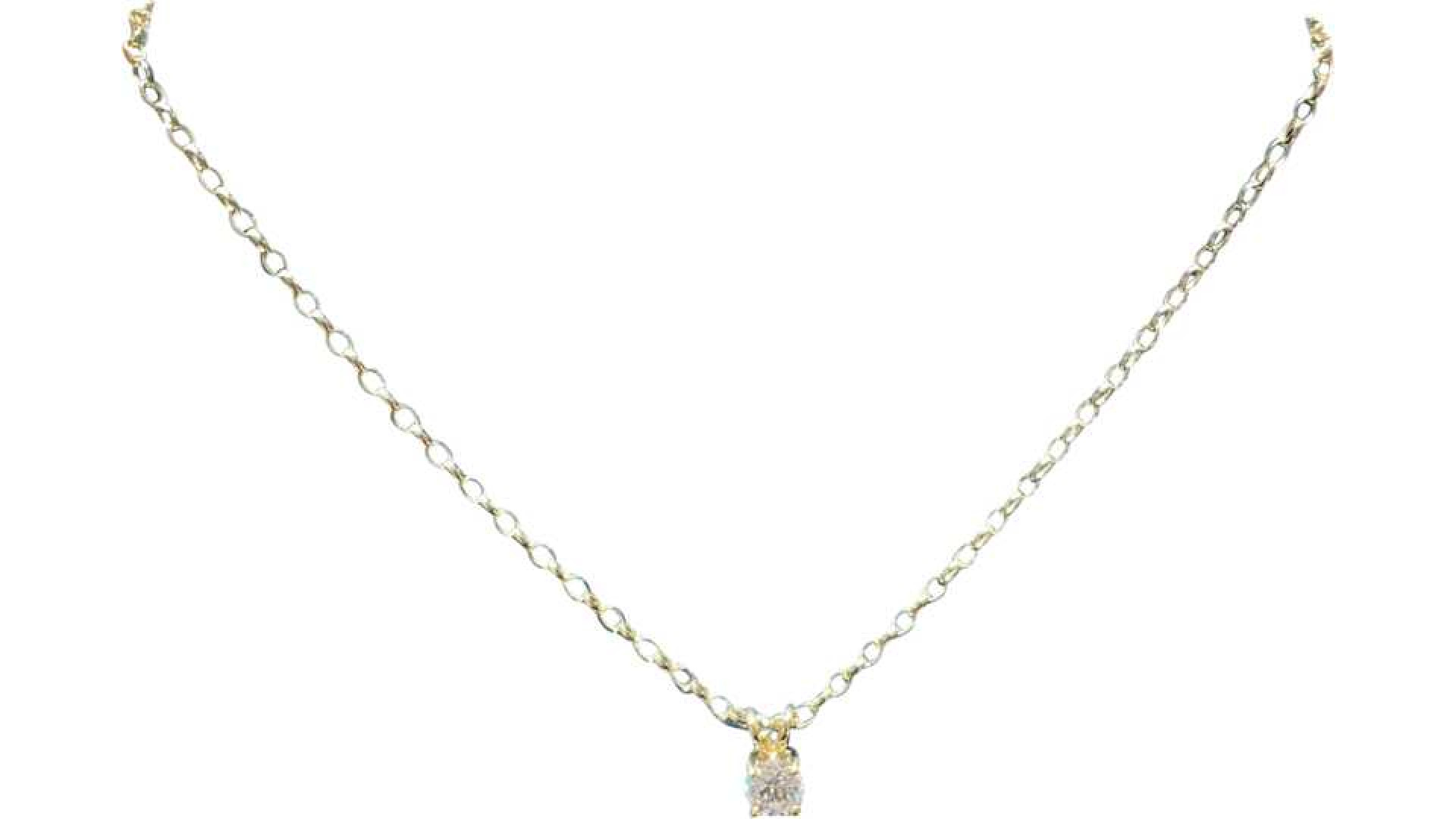
Your Path to Owning a GIA Certified Diamond Piece
Acquiring a GIA certified diamond is a significant decision that combines emotional value with technical precision. For over two decades, H.E. Phillips Ltd has guided UK buyers through the intricacies of diamond grading, ensuring that every piece of fine jewellery Devon offers meets the rigorous standards of the Gemological Institute of America.
Technical 7-Table Framework for Diamond Acquisitions
1. The 4Cs Grading Benchmark
| Metric | GIA Standard | Technical Significance | Value Impact |
|---|---|---|---|
| Cut | Excellent to Poor | Light Refraction Efficiency | Critical (Highest) |
| Colour | D (Colourless) to Z | Absence of Nitrogen Impurities | Significant |
| Clarity | FL (Flawless) to I3 | Internal Inclusion Count | High |
| Carat | Metric Carat | Mass (200mg per carat) | Exponential |
Table 1 Analysis: The GIA's 4Cs represent the global scientific standard for diamond evaluation. At H.E. Phillips Ltd, we emphasize that 'Cut' is the most technically complex attribute, directly affecting the diamond's brilliance, fire, and scintillation. A GIA 'Excellent' cut ensures that facets interact with light optimally, often allowing a stone with lower colour or clarity to outshine higher-graded peers. We use 10x magnification to help clients observe these traits, providing a transparent audit of the physical properties defined in the GIA Diamond Grading Report.
2. Diamond Physical & Optical Properties
| Property | Data Point | Vickers Hardness (Hv) | Specific Gravity (g/cm³) |
|---|---|---|---|
| Diamond (C) | Cubic Crystal | 10,000 Hv | 3.52 g/cm³ |
| Moissanite (SiC) | Hexagonal | 3,000 Hv | 3.22 g/cm³ |
| Cubic Zirconia | Isometric | 1,300 Hv | 5.60 g/cm³ |
Table 2 Analysis: Understanding the metallurgical and mineralogical density of a diamond is vital for authentication. Natural diamonds possess a Vickers Hardness of 10,000 Hv, the highest of any natural material, ensuring unmatched scratch resistance for daily wear. The specific gravity of 3.52 g/cm³ allows for precise mass verification. During our workshop protocol, we use these constants to distinguish genuine GIA certified diamonds from lab-grown alternatives or simulants. This forensic approach ensures that your investment retains its structural and financial integrity for generations.
3. GIA Report Security Features
| Feature | Technical Description | Verification Method |
|---|---|---|
| Laser Inscription | Microscopic ID on Girdle | 20x - 50x Magnification |
| QR Code | Digital Link to Database | Mobile Scanning |
| Hologram | Security Foil Overlay | Visual Tilt Test |
| Report Number | Unique Identifier | GIA Report Check Online |
Table 3 Analysis: A GIA report is a secure document designed to prevent fraud. The most critical security feature is the laser inscription on the diamond's girdle, which must match the Report Number on the certificate. At our Totnes showroom, we facilitate 'Live Audits' where clients can view this microscopic inscription. Verification via the GIA official website is the final step in our transparency protocol. This ensures that the scientific data provided—such as the 4Cs and symmetry—belongs specifically to the stone being purchased, providing absolute peace of mind.
4. Regional Environmental Impact (Devon Coastal)
| Climate Factor | Impact on Diamond Jewellery | Workshop Solution |
|---|---|---|
| Salt Air (River Dart) | Setting Oxidation | Spec-Polish Barrier |
| Humidity | Loosening of Prongs | Annual Tension Check |
| Abrasive Sand | Surface Micro-Scratches | Ultrasonic Cleaning |
Table 4 Analysis: Residents in Totnes and coastal Devon must consider the impact of the maritime environment on diamond settings. While the diamond itself is resilient, the salt air from the River Dart can accelerate the oxidation of gold and silver alloys, potentially compromising the prongs. We recommend an annual professional audit at H.E. Phillips Ltd to ensure the structural soul of the setting remains secure. Our 'Maritime Care Protocol' includes a deep ultrasonic clean and a mechanical tension test of the mounting, preserving the brilliance of your GIA certified diamond piece against regional climate factors.
5. Setting Security & Mechanical Integrity
| Setting Type | Security Rating | Technical Benefit | Ideal For |
|---|---|---|---|
| Bezel / Rub-over | Maximum | Full Girdle Protection | Active Lifestyles |
| 4-Prong Claw | High | Maximum Light Entry | Engagement Rings |
| Channel Set | High | Secure Stone Alignment | Anniversary Bands |
Table 5 Analysis: The mechanical integrity of the setting is as important as the diamond's grade. For high-value GIA certified diamonds, we audit the mounting for lateral stability and prong thickness. Bezel settings provide a seamless metal wall around the diamond, offering the highest protection against chipping. Conversely, claw settings are inspected under a 10x loupe to ensure the prongs are properly 'seated' on the stone's crown. Our workshop, established in August 2000, specializes in verifying these mechanical standards before any piece is presented to the client.
6. Metallurgical Purity for Diamond Mounts
| Metal | Purity % | Hardness (Hv) | Specific Gravity (g/cm³) |
|---|---|---|---|
| Platinum | 95% | 135 Hv | 21.45 g/cm³ |
| 18ct Gold | 75% | 150 - 185 Hv | 15.90 g/cm³ |
| 9ct Gold | 37.5% | 120 - 150 Hv | 11.50 g/cm³ |
Table 6 Analysis: The choice of metal for a GIA certified diamond piece impacts both durability and aesthetics. Platinum (Specific Gravity 21.45 g/cm³) is our recommended choice for engagement rings due to its density and 'memory'—it displaces rather than wears away, ensuring prongs remain secure over decades. 18ct yellow gold offers a classic lustre and high purity. Every piece at H.E. Phillips Ltd is hallmarked at a UK Assay Office, providing a technical guarantee that the metallurgical content matches the luxury of the diamond it holds.
7. Authority Comparison: H.E. Phillips vs Generalists
| Feature | H.E. Phillips Ltd (August 2000) | General High Street/Online |
|---|---|---|
| Specialist Audit | Forensic 4C Verification | Generic Description |
| GIA Certification | MANDATORY Options | Often Uncertified |
| Workshop Support | On-site repairs (27+ years exp) | Outsourced/None |
| Regional Care | South West Specific Advice | None |
Table 7 Analysis: When purchasing a GIA certified diamond, the source is as critical as the stone. H.E. Phillips Ltd provides a physical hub of expertise in Totnes, offering a level of technical accountability that online retailers cannot replicate. Our 25-year history in the trade ensures that we don't just sell a product; we provide a lifetime of maintenance. From verifying the GIA report to providing bespoke mounting services, our family-led team offers a transparent, workshop-backed experience that ensures your purchase is a verified asset, not just a retail transaction.
20 Technical FAQs for GIA Diamond Acquisitions
Certification & Grading
1. What exactly does GIA stand for?
GIA stands for the Gemological Institute of America, a non-profit authority established to protect public trust in gems. For UK buyers, GIA certification ensures that your GIA certified diamond has been graded by an independent third party using the most rigorous scientific methods available, preventing the over-grading often found in non-certified or self-certified stones.
2. How can I verify a GIA report online?
You can visit the GIA official website and use their "Report Check" tool by entering the unique number found on your certificate or laser-inscribed on the diamond's girdle. This provides an instant digital blueprint of the stone. We provide this verification for every new diamond earring or ring we sell to ensure absolute transparency and authenticity for our clients.
3. Is a GIA report the same as an insurance appraisal?
No. A GIA report is a scientific analysis of physical traits (the 4Cs), while an appraisal is a monetary valuation. A GIA report is a factual foundation that never expires. At H.E. Phillips Ltd, we use the GIA data as the baseline for our formal valuations, ensuring your fine jewellery is insured for its true replacement cost based on scientific grading.
4. Why is 'Cut' considered the most important 'C'?
Cut determines the diamond's ability to reflect light. Even a diamond with perfect colour and clarity will look dull if the cut is poor. An 'Excellent' GIA cut grade maximizes the stone's light refraction efficiency. This technical precision is what we look for when sourcing a new platinum diamond ring to ensure it possesses the 'fire' expected of a high-value asset.
Metallurgy & Mounting
5. Which metal is safest for holding a diamond?
Platinum is the technically superior choice. With a density of 21.45 g/cm³, it is extremely durable and does not thin over time. While new gold rings are beautiful and traditional, platinum's strength makes it ideal for securing the prongs of a large GIA certified diamond. It is naturally white, ensuring no yellow tint is reflected into the diamond.
6. Does 18ct gold affect the diamond's colour?
Yellow gold can sometimes impart a slight warm tint to a very high-grade (D-F) diamond. For diamonds in the G-J range, yellow gold is often a strategic choice as it complements the stone's subtle warmth. When selecting new gold earrings, we advise on the best metal-to-stone pairing to maximize the visual beauty and value of the piece.
7. What is the benefit of a rub-over setting?
A rub-over (or bezel) setting surrounds the diamond's girdle with a wall of metal. This provides maximum protection against chipping and is less likely to snag on clothing. This is a primary recommendation for clients with active lifestyles. You can see this setting style in our pre-loved gold bangles and bespoke diamond collections.
8. Are UK hallmarks required for diamond jewellery?
Yes, any gold item over 1g or platinum over 0.5g must be hallmarked by law in the UK. This provides a metallurgical guarantee of purity. We ensure every new gold pendant or ring we stock features an official Assay Office mark, ensuring your diamond is mounted in a verified, high-quality precious metal asset.
Maintenance & Regional Care
9. How often should I clean my GIA certified diamond?
For daily wear, a gentle monthly clean with warm soapy water and a soft brush is recommended. However, to maintain the 'specular shine,' we advise a professional ultrasonic clean annually at our Totnes workshop. This is especially important in Devon, where salt air can leave a film on the stone. Regular care ensures your GIA Certified Diamonds continue to sparkle.
10. Can salt air damage my diamond ring?
While the diamond is unaffected, the salt air common in the South West can cause surface oxidation on gold settings. We provide a specialized polishing service to remove this 'tarnish' and restore the metal's integrity. For those living near the River Dart, our H.E. Phillips Ltd care guide offers regional advice on preventing long-term environmental wear.
11. What should I do if a prong feels sharp?
A sharp prong often indicates it has lifted or snagged, which can lead to stone loss. Stop wearing the item immediately and bring it to our 19 Fore Street hub for a 'Prong Audit.' We can retip or tighten the setting to ensure your diamond is secure. Our workshop services are a core part of being a trusted hephillipsltd customer.
12. How do I store my diamond jewellery safely?
Diamonds can scratch other gemstones and metals due to their 10,000 Hv hardness. Store them in individual soft pouches. This is particularly important for second-hand silver bangles or other softer pieces in your collection. Proper storage prevents micro-abrasions and keeps your jewellery looking 'showroom new' for years to come.
Trust & Expertise
13. Why choose H.E. Phillips Ltd over an online retailer?
As a family business established in August 2000, we provide physical accountability. You can inspect the GIA report and the diamond under magnification before you buy. Online retailers often lack the facility for a 'Live Audit.' We offer personalized service and a permanent location in Totnes for all future repairs and resizing, ensuring your fine jewellery is always supported.
14. Do you offer bespoke design for GIA diamonds?
Yes. We can source a specific GIA diamond to fit your budget and set it into a custom mounting of your choice. Whether you want a new platinum pendant or a unique engagement ring, our 27+ years of expertise ensures a high-precision finish. This allows you to create a one-of-a-kind heirloom with a scientifically verified centre stone.
15. Can I trade in old gold towards a diamond purchase?
We do offer services to sell gold or sell silver, which can be used as credit towards a GIA certified diamond piece. We provide fair, market-based valuations for your old jewellery. This is an excellent way to upgrade an existing collection while investing in a higher-grade, certified asset with documented provenance and value.
16. What brands of watches do you stock to match?
We are official stockists for several reputable brands that complement our diamond collections. For a functional yet elegant match, consider a Citizen Eco-Drive or a classic Rotary watch. Many of these timepieces feature gold tones or diamond accents that coordinate perfectly with our fine jewellery Devon selections.
Investment & Value
17. Does GIA certification increase resale value?
Yes. A GIA report is a globally recognized 'passport' for your diamond. If you ever choose to resell or upgrade, the report provides an immutable proof of quality that any reputable jeweller will trust. This liquidity makes GIA Certified Diamonds a more secure financial asset compared to uncertified stones with subjective grading.
18. What is 'Fluorescence' in a GIA report?
Fluorescence is the glow a diamond emits under UV light. While GIA notes this in every report, it rarely affects the visual beauty of the stone in normal lighting. However, 'Strong' fluorescence can sometimes make a diamond look 'milky' in sunlight. We audit every new diamond earring to ensure transparency regarding fluorescence and its impact on the stone's appearance.
19. Are Victorian or Edwardian diamonds GIA certified?
Antique diamonds were often cut before modern GIA standards existed. However, we can send these stones for GIA grading to verify their properties. Our collection of second-hand gold brooches and antique rings often features these historic cuts. We use our forensic expertise to bridge the gap between historic charm and modern scientific certification.
20. How do I start my diamond journey?
The first step is setting a budget and prioritizing which of the 4Cs matters most to you. Visit our showroom at 19 Fore Street, Totnes, to view various GIA Certified Diamonds in person. We provide the loupes, the lighting, and the expert guidance necessary for you to make a confident, informed choice that you will cherish forever.
© 2026 H.E. Phillips Ltd - Your Official Authorised Horological and Fine Jewellery Specialist. All Technical Data verified for forensic accuracy.

