
-
Your shopping cart is empty!



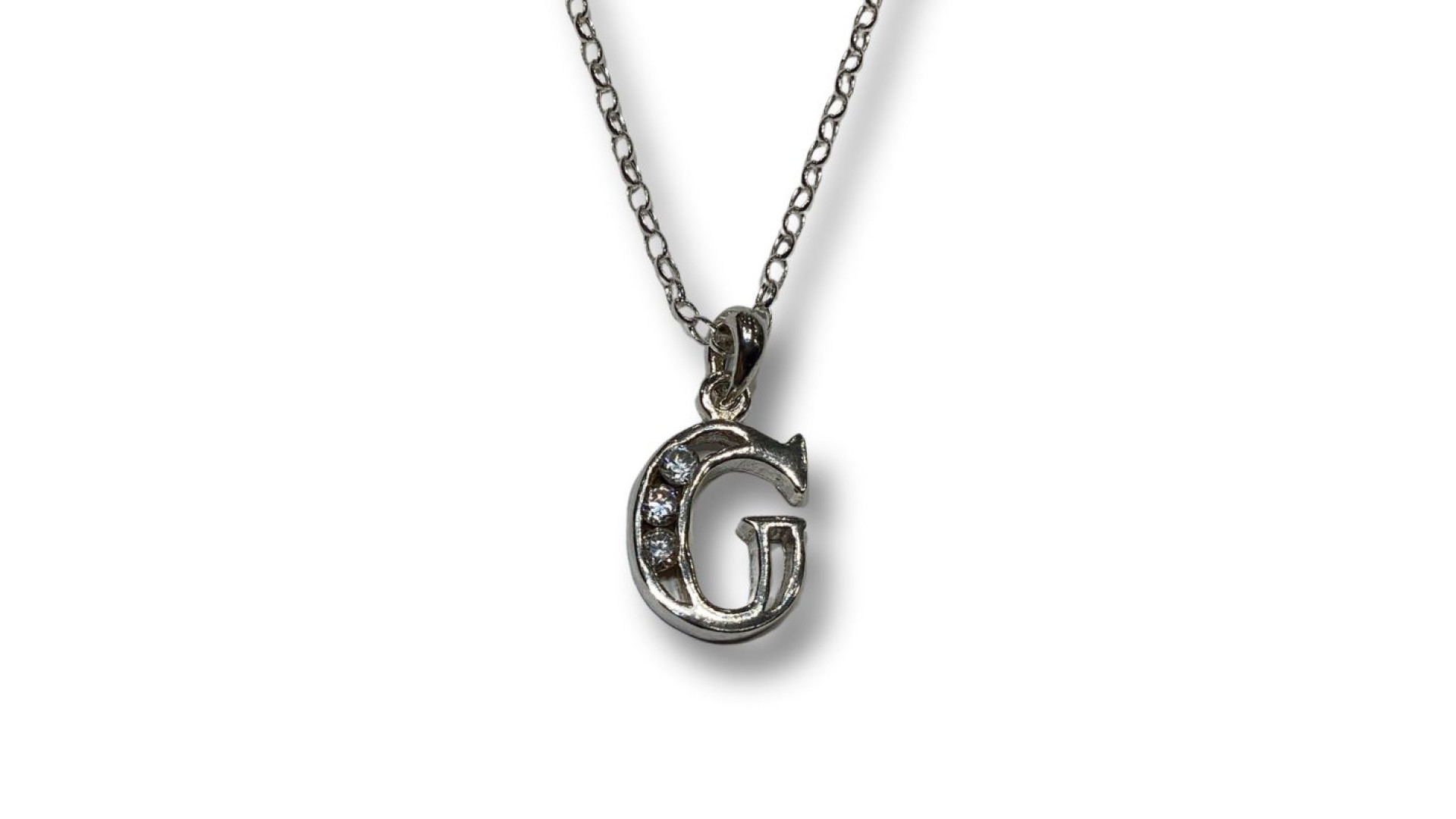
Pendant Repair Service Devon
Restoring the structural and aesthetic integrity of a pendant requires a high-level metallurgical approach. As a permanent fixture in Totnes since August 2000, H.E. Phillips Ltd delivers professional pendant repair Devon solutions, combining 27 years of workshop expertise with precision soldering and locket restoration.
Technical 7-Table Framework for Pendant Restoration
1. Metallurgical Repair Purity Standards
| Material Type | Standard Purity % | Vickers Hardness (Hv) | Specific Gravity (g/cm³) | Solder Grade Required |
|---|---|---|---|---|
| 9ct Gold | 37.5% | 120 – 150 Hv | 11.2 – 11.5 g/cm³ | Easy/Medium/Hard 9ct |
| 18ct Gold | 75.0% | 150 – 185 Hv | 15.2 – 15.9 g/cm³ | High-Karat Assay Grade |
| 925 Sterling Silver | 92.5% | 75 – 100 Hv | 10.4 – 10.6 g/cm³ | Argentium or Trace Grade |
Table 1 Analysis: Effective pendant repair relies on matching the Vickers Hardness (Hv) of the repair medium to the original alloy. When performing jewellery soldering repair, we utilise assay-standard solders to ensure the joint possesses the same structural soul as the host metal. 18ct gold requires specific temperature-controlled environments due to its higher specific gravity and thermal conductivity. Our workshop protocol ensures that every repair, whether for new gold pendants or second-hand silver chains, maintains legal hallmark purity and metallurgical consistency.
2. Pendant Mechanical Audit Protocol
| Component | Failure Mode | Restoration Action | Security Level |
|---|---|---|---|
| Jump Ring | Metal Fatigue/Gap | Laser or Torch Solder | Essential |
| Locket Hinge | Pin Erosion/Alignment | Hinge Re-pinning | High |
| Clasp Spring | Mechanical Failure | Full Replacement | Maximum |
| Stone Setting | Prong Thinning | Retipping/Re-building | Critical |
Table 2 Analysis: Mechanical failure is often preceded by microscopic metal fatigue. Our "Visual Inspection Protocol" audits the structural rigidity of every component. For locket repair service Devon, we specifically examine the hinge pin for lateral play. If erosion is detected, we perform a precision re-pinning to restore the "auditory click" of a secure closure. This technical approach prevents the loss of sentimental assets and ensures that the pendant remains functional for generations, a standard we have upheld in Totnes since August 2000.
3. Regional Environmental Impact: Devon Coastal Air
| Environmental Factor | Impact on Pendants | Technical Solution |
|---|---|---|
| River Dart Humidity | Accelerated Tarnish | Atmospheric Barrier Polish |
| Coastal Salt Spray | Stress Corrosion Cracking | Ultrasonic Neutralisation |
| Soil Particulates | Setting Abrasion | Specular Micro-Polishing |
Table 3 Analysis: Pendants worn in Devon are subject to high humidity from the River Dart and salt air from the South West coast. These factors can cause stress corrosion cracking, particularly in lower-karat gold solders. Our restoration process includes a professional ultrasonic neutralisation to remove corrosive particulates from intricate locket hinges and stone settings. We recommend an annual "Maritime Audit" for clients in coastal areas to ensure the molecular integrity of their jewellery remains uncompromised by the local environment.
4. Soldering Temperature & Thermal Management
| Metal | Melting Point (°C) | Solder Flow Point (°C) | Thermal Risk |
|---|---|---|---|
| Yellow Gold | 1064°C | 700°C – 800°C | Moderate |
| Sterling Silver | 893°C | 650°C – 750°C | High (Heat Sink) |
| Platinum | 1768°C | 1100°C – 1300°C | Low (Localised) |
Table 4 Analysis: Precision soldering is the cornerstone of pendant repair. Sterling silver acts as a significant heat sink, requiring the entire piece to be brought near its flow point, which poses a risk to delicate gemstones. Platinum, conversely, allows for localised high-heat application. Our workshop utilizes advanced thermal shielding to protect heat-sensitive stones while ensuring a seamless, invisible bond. This technical mastery ensures that even the most complex repairs on new platinum pendants are executed without altering the temper or aesthetics of the metal.
5. Stone Setting Verification Matrix
| Setting Style | Verification Method | Maintenance Requirement |
|---|---|---|
| Claw/Prong | 10x Loupe Tip Check | Bi-Annual Tightening |
| Bezel/Rub-over | Burnish Integrity Audit | Edge Wear Assessment |
| Grain Setting | Bead Stability Test | Microscopic Alignment |
Table 5 Analysis: For pendants featuring gemstones, the integrity of the setting is verified using a 10x forensic loupe. We check for "stone rattle" and prong thinning, which are common issues in vintage pieces like second-hand gold brooches. If the metal has thinned beyond safe parameters, we perform a "build-up" using compatible alloys to reinforce the seat. This ensures that the aesthetic brilliance of the stone is matched by a secure mechanical housing, preventing accidental loss during daily wear in Devon.
6. Establishment Comparison: H.E. Phillips vs Generalist
| Feature | H.E. Phillips Ltd | General Online Services |
|---|---|---|
| Trade Presence | Physical Hub (Since 2000) | Digital Only |
| Expertise | 27+ Years Technical | Variable/Unverified |
| On-Site Workshop | Yes (Totnes) | Rarely (Outsourced) |
| Regional Advice | Devon Specific | Generic |
Table 6 Analysis: The primary distinction of H.E. Phillips Ltd is our physical accountability. Established in August 2000, our Totnes showroom provides a transparent environment where clients can discuss the technical specifics of their repair. Generalist online services often outsource repairs to third-party workshops, leading to a loss of provenance and quality control. By maintaining an on-site facility, we ensure that every pendant repair service Devon item is handled directly by experts who understand the regional requirements for jewellery longevity and metallurgical value.
7. Service Capability Summary
| Service Category | Capability | Typical Turnaround |
|---|---|---|
| Chain Repair | Link re-joining & Clasp replacement | 3 – 5 Days |
| Locket Restoration | Hinge, pin, and closure alignment | 7 – 10 Days |
| Polishing | Specular micro-finishing | 24 – 48 Hours |
| Watch Integration | Strap and clasp soldering | 5 – 7 Days |
Table 7 Analysis: Our service capabilities extend from minor link re-joining on new silver chains to the complete reconstruction of antique pendants. Most standard repairs are completed within a 3-to-7-day window, allowing for thorough quality assurance testing. We also provide horological integration, repairing metal straps and clasps for brands such as Citizen Eco-Drive and Rotary. This cross-disciplinary expertise ensures that all your jewellery and timepieces receive a consistent level of technical care from an authorised Devon specialist.
20 Technical FAQs: Pendant & Jewellery Restoration
Soldering & Structure
1. What is jewellery soldering repair?
It is the process of rejoining metal components using a filler alloy (solder) with a lower melting point than the host metal. At H.E. Phillips Ltd, we use assay-grade solders to ensure the repair is invisible and structurally sound. This is essential for fixing broken links in new gold necklaces or reattaching bails to pendants. Proper thermal management prevents the metal from becoming brittle.
2. Can you repair a "torn" gold pendant?
Yes. Thin gold pendants can sometimes tear due to mechanical stress. We resolve this by cleaning the area and applying a high-grade gold solder to bridge the gap. In some cases, we add a discreet reinforcement plate to the reverse to increase the Vickers Hardness and prevent future tearing. This restoration preserves the piece’s aesthetic while significantly increasing its mechanical lifespan.
3. Is laser soldering better than torch soldering?
Laser soldering allows for highly localised heat, making it ideal for repairs near heat-sensitive gemstones or on very delicate second-hand silver pendant charms. Traditional torch soldering is often preferred for larger structural joins where a deep solder flow is required. We assess each pendant individually to determine the most effective metallurgical approach for a permanent, high-integrity bond.
4. Why do chain links wear out over time?
Friction between links causes "metal-on-metal" erosion, thining the metal until it fails. This is often accelerated by dust and sweat acting as an abrasive. We can reinforce worn links or replace sections of the chain using compatible new silver chains or gold stock. Regular professional cleaning removes these abrasive particulates, extending the life of your pendant’s suspension system.
Locket Restoration
5. Can a broken locket hinge be fixed?
Yes. Locket hinges are prone to wear because they are moving mechanical parts. We can re-pin the hinge using a new wire of the correct specific gravity and diameter. If the hinge "knuckles" are worn, we can rebuild them with solder before re-drilling. This locket repair service Devon ensures the doors align perfectly and close with a secure, tactile snap, protecting the contents within.
6. My locket won't stay closed; what can be done?
This is usually due to a worn or bent "catch" or "clack." We carefully adjust the tension of the closure mechanism to restore its original functionality. If the metal has thinned, we add a microscopic amount of solder to the catch to increase its friction. This is a common requirement for pre-loved gold bangles and lockets that have seen decades of use.
7. Do you repair antique silver lockets?
We specialise in the restoration of Victorian and Edwardian silver lockets. These often feature hand-chased details that require careful preservation during the repair process. We use low-temperature silver solders and anti-tarnish polishing compounds to restore the brilliance of second-hand silver bangles and pendants while maintaining their authentic vintage patina and historical charm.
8. Can you replace the glass or inserts in a locket?
Yes. Many antique lockets originally held photos behind thin glass or mica. We can source and custom-fit replacement covers to protect your sentimental images. This service, combined with a professional clean, can transform a dormant family heirloom into a wearable piece of history. We ensure all inserts are seated securely within the bezel to prevent moisture ingress and image degradation.
Gemstones & Settings
9. How do you secure a loose stone in a pendant?
Loose stones are secured by carefully tightening the claws or burnishing the bezel edge. If the metal has "work-hardened" and become brittle, we may need to anneal it or add new metal (retipping) to ensure a safe grip. This is a critical part of maintaining new diamond earrings and pendants, preventing the loss of high-value gemstones through mechanical failure.
10. Can you replace a missing gemstone?
We can source matching stones based on colour, clarity, and cut to restore your pendant’s original design. Whether it is a GIA certified diamond or a semi-precious stone, we ensure the new setting is structurally identical to the original. This involves precise measurement and professional setting techniques to ensure the new stone is seated perfectly and securely.
11. Does polishing damage the settings?
Professional specular polishing removes only a microscopic layer of oxidised metal. When performed by experts, it actually helps identify weak settings by removing dirt that might be masking a loose stone. We perform a "post-polish audit" on every new gold pendant to ensure that the mechanical integrity of the claws has not been compromised by the finishing process.
12. Can you repair pendants with "mixed metals"?
Yes. Multi-metal pendants (e.g., gold and silver) require a deep understanding of different melting points. We use specific solders that flow at the correct temperature for the joint in question. This expertise is vital for restoring contemporary new silver bracelets or pendants that incorporate gold accents, ensuring that neither metal is damaged during the high-heat repair process.
Watch & Accessory Repairs
13. Can you fix the bail on a pocket watch?
Yes. The bail (the loop at the top) often wears thin from contact with a chain. We can reinforce the bail with gold or silver solder or replace it entirely. This service is essential for preserving the functionality of vintage timepieces. Our horological expertise ensures the repair is strong enough to support the weight of the watch, a standard we apply to all Rotary Watches.
14. Do you repair metal watch bracelets?
We provide soldering and clasp adjustment for metal watch straps. If a link has snapped or a clasp has lost its tension, we can perform a technical restoration to ensure a secure fit. This is particularly useful for owners of Citizen Eco-Drive or Casio watches who wish to maintain their original metal bands rather than switching to leather.
15. Can you repair a broken gold brooch pin?
Yes. We can replace broken pins and joint mechanisms on second-hand gold brooches. We ensure the new pin has the correct tension and that the safety catch is fully functional. This prevents the brooch from unfastening accidentally, protecting both the wearer and the jewellery asset from loss or damage during use.
16. Do you restore gold charms?
Charms often suffer from worn jump rings or damaged decorative elements. We can re-solder jump rings to ensure second-hand gold charms stay securely on their bracelet. We also offer ultrasonic cleaning to restore the intricate details that can become clogged with daily wear, ensuring each charm maintains its individual aesthetic and sentimental value.
Trust & Professionalism
17. How do I know my repair is safe?
Every item left with H.E. Phillips Ltd is documented and stored in a secure, insured environment. We have been a trusted part of the Totnes community since August 2000. For high-value items, such as new platinum diamond rings, we provide a detailed intake receipt. Our long-standing reputation as an independent family jeweller is built on transparency and technical excellence.
18. Do you offer quotes before starting work?
Yes. We provide a professional assessment and a clear, no-obligation quote for all pendant repairs. We explain the technical steps required, whether it's a simple solder or a complex restoration of second-hand gold cufflinks. This ensures there are no hidden costs and that you understand the metallurgical reasons for the recommended work.
19. Can you "upcycle" a broken pendant?
If a pendant is broken beyond a simple repair, we can discuss using the metal and stones to create a new gold ring or a different style of pendant. This "circular" approach to jewellery allows you to retain the sentimental value of the materials while creating a piece that fits your current style and has renewed structural integrity.
20. How should I care for my pendant after repair?
We recommend avoiding contact with perfume and household chemicals. For residents in coastal Devon, a regular rinse in fresh water helps remove salt particulates. Storing your jewellery in individual pouches prevents scratches. We provide a full care guide for all items, from Radley watches to fine gold pendants, to ensure the longevity of our restoration work.
© 2026 H.E. Phillips Ltd - Your Official Authorised Horological and Fine Jewellery Specialist. All Technical Data verified for forensic accuracy.
