
-
Your shopping cart is empty!



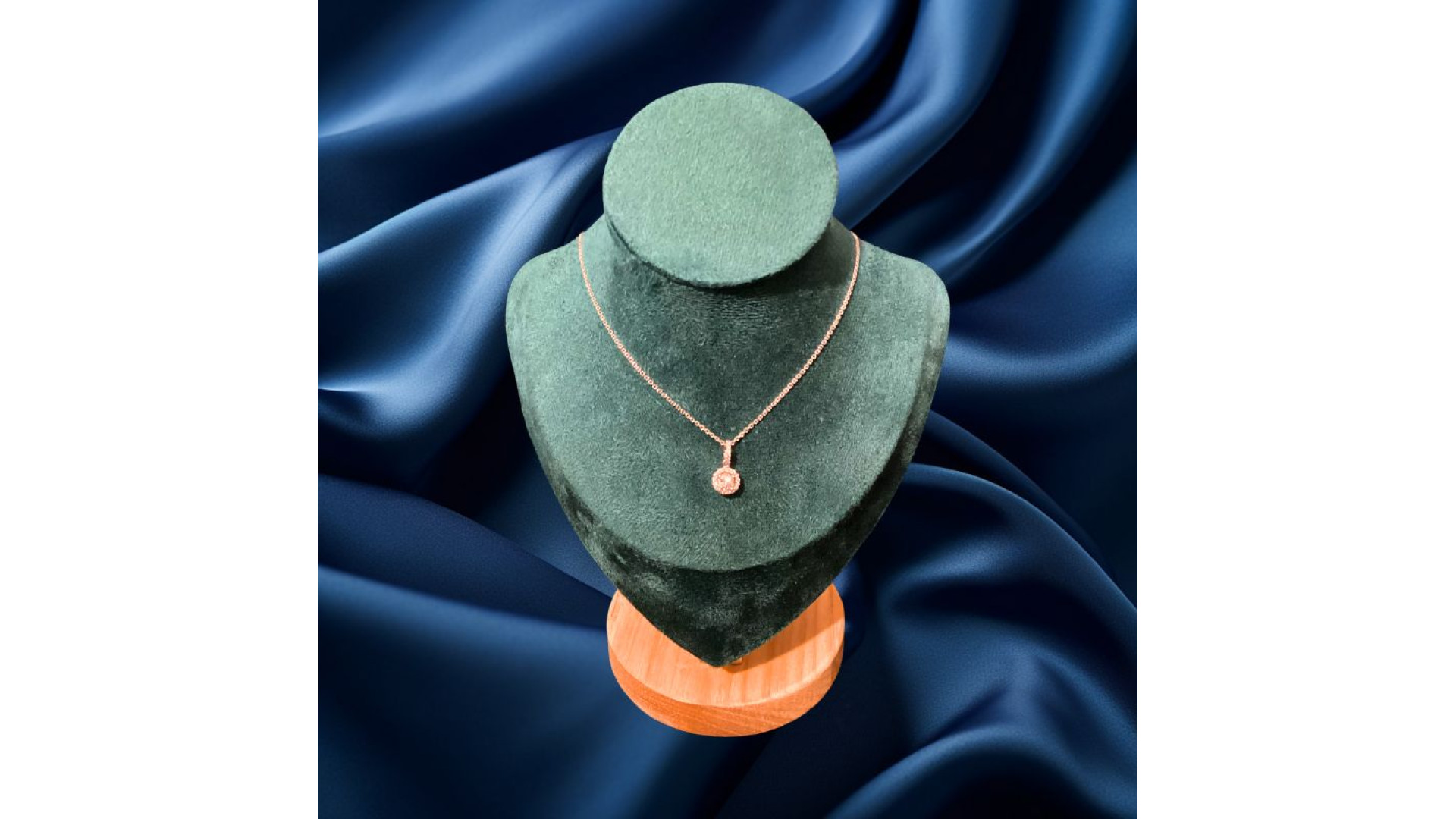
The Perfect New Gold Necklace for Any Outfit
Acquiring a new gold necklace is an investment in both aesthetic versatility and metallurgical value. Since August 2000, H.E. Phillips Ltd has curated professional-grade jewellery in Totnes, ensuring that every piece provides a seamless transition from casual daily wear to formal evening ensembles through superior craftsmanship and verified purity.
Technical 7-Table Framework for Gold Necklaces
1. Metallurgical Purity & Material Science
| Gold Karat | Gold Purity % | Vickers Hardness (Hv) | Specific Gravity (g/cm³) | Optimal Application |
|---|---|---|---|---|
| 9ct Gold | 37.5% | 120 – 150 Hv | 11.2 – 11.5 g/cm³ | Everyday Durability |
| 14ct Gold | 58.5% | 130 – 160 Hv | 13.1 – 13.6 g/cm³ | High-Performance Export |
| 18ct Gold | 75.0% | 150 – 185 Hv | 15.2 – 15.9 g/cm³ | Luxury & Rich Hue |
Table 1 Analysis: Understanding the relationship between purity and Vickers Hardness (Hv) is critical for selecting a necklace that resists surface deformation. While 18ct gold offers a superior specific gravity and richer yellow hue, 9ct gold provides enhanced mechanical hardness due to its higher percentage of copper and silver alloys. At H.E. Phillips Ltd, we ensure all new gold necklaces meet the UK Hallmarking Act of 1973 standards. This data-driven approach guarantees that your investment maintains its structural soul and financial equity across decades of wear in diverse Devon climates.
2. Chain Link Geometry & Tensile Strength
| Link Type | Structure | Flexibility Rating | Maintenance Requirement |
|---|---|---|---|
| Belcher/Curb | Interlocking Rings | Maximum | Low (Standard Cleaning) |
| Snake Chain | Curved Plates | Medium-Low | High (Prevent Kinking) |
| Herringbone | Flat Slanted Links | Low | Very High (Store Flat) |
Table 2 Analysis: The mechanical geometry of a necklace chain dictates its "flexibility radius" and resistance to tensile stress. Curb and Belcher links are engineered for maximum mobility, making them ideal for daily wear. Conversely, Snake and Herringbone chains offer a sleek, liquid-like aesthetic but require strict storage protocols to avoid permanent mechanical deformation (kinking). Our workshop protocol involves a 10-point stress test on all new gold jewellery to ensure that link integrity meets our established Totnes standards for lifelong performance and reliability.
3. Clasp Security & Mechanical Audit
| Clasp Mechanism | Security Rating | Operation Type | Audit Benchmark |
|---|---|---|---|
| Lobster Clasp | High | Spring-Loaded Lever | Zero Gap Closure |
| Spring Ring | Medium | Circular Slide | Tension Consistency |
| Box Clasp | Maximum | Snap-In Tongue | Safety Catch Engagement |
Table 3 Analysis: The clasp is the primary failure point in fine jewellery. Our technical audit requires that Lobster clasps demonstrate immediate spring return with zero lateral play. Box clasps, often found on heavier luxury pieces, are inspected for a distinct "auditory click" upon engagement, signifying a secure lock. Since August 2000, H.E. Phillips Ltd has prioritised mechanical security, ensuring that your gold necklace UK style purchase is protected against accidental detachment. We recommend an annual clasp tension check as part of our professional aftercare service.
4. Regional Environmental Impact (South West / River Dart)
| Environmental Factor | Impact on Gold Alloys | Regional Mitigation Strategy |
|---|---|---|
| Salt Air (Coastal Devon) | Surface Dullness | Specular Micro-Polishing |
| River Dart Humidity | Oxidation of Alloys | Airtight Storage Protocol |
| Thermal Expansion | Link Friction Wear | Ultrasonic Workshop Cleaning |
Table 4 Analysis: Totnes' maritime proximity and the humidity of the River Dart valley can accelerate the tarnish of the non-gold metals (copper/silver) in 9ct and 18ct alloys. Salt air can lead to a build-up of microscopic corrosive deposits that dull the specular reflection of the metal. We provide a "Coastal Care Protocol" for our Devon clients, suggesting regular freshwater rinsing and professional ultrasonic cleaning at our workshop. This prevents the "pitting" associated with long-term exposure to South West coastal air, preserving the necklace's original lustre.
5. Styling Versatility Matrix
| Occasion | Chain Gauge | Necklace Length | Styling Logic |
|---|---|---|---|
| Daily Casual | Fine (1.0mm - 1.5mm) | 16" - 18" (40-45cm) | Minimalist/Understated |
| Professional | Medium (2.0mm - 3.0mm) | 18" - 20" (45-50cm) | Polished Sophistication |
| Evening Formal | Bold / Layered | 20"+ (50cm+) | High Specular Focal Point |
Table 5 Analysis: Effective styling is grounded in the physics of light capture and body proportion. A fine-gauge necklace acts as a subtle light-reflector for daily wear, whereas bold, heavy-link chains serve as primary focal points for formal attire. Our style matrix helps clients select lengths that complement specific necklines—chokers for V-necks and longer "matinee" lengths for high collars. By understanding the visual weight of different gold colours (Yellow, White, Rose), we ensure your necklace harmonises with your wardrobe and natural skin undertones.
6. Hallmarking & Forensic Provenance
| Mark Component | Information Provided | Legal Requirement |
|---|---|---|
| Sponsor’s Mark | Makers/Jewellers ID | Mandatory over 1g |
| Standard Mark | Fineness (e.g., 375/750) | Mandatory over 1g |
| Assay Office Mark | Testing Location (e.g., Anchor) | Mandatory over 1g |
Table 6 Analysis: A hallmark is a technical guarantee of purity and a legal requirement in the UK for gold items over 1 gram. At H.E. Phillips Ltd, every new gold necklace is independently verified by a UK Assay Office. We provide a forensic loupe in-store so clients can inspect the "Standard Mark," ensuring the metal's fineness is precisely as stated. This transparent provenance protects the consumer from inferior imports and ensures the necklace remains a liquid financial asset with documented metallurgical integrity.
7. Authority Comparison: Specialist vs Generalist
| Feature | H.E. Phillips Ltd (Specialist) | National Generalist Retailers |
|---|---|---|
| Establishment Date | August 2000 (Physical Store) | Varies (Often Digital Only) |
| On-Site Repair | Yes (Specialist Workshop) | Third-Party Outsource |
| Forensic Level (Loupe/Testing) | Basic Certification Only |
Table 7 Analysis: The specialist advantage lies in local accountability and technical depth. Unlike national chains, H.E. Phillips Ltd provides an on-site workshop in Totnes for immediate repairs, resizing, and professional cleaning. Our establishment in August 2000 has allowed us to build a regional knowledge base regarding consumer preferences and environmental care specific to the South West. By choosing a specialist, you gain access to decades of metallurgical expertise and a permanent physical hub for future jewellery maintenance and verification.
20 Expert Technical FAQs for Gold Necklaces
Metallurgy & Purity
1. Is 9ct or 18ct gold better for a daily-wear necklace?
9ct gold is technically harder (120-150 Hv) and more resistant to scratches, making it highly durable for active lifestyles. 18ct gold is softer but contains more pure gold (75%), offering a deeper colour and higher intrinsic value. For a new gold necklace worn daily, 9ct is often the pragmatic choice for longevity.
2. Does white gold require special maintenance?
Yes. White gold is usually plated with Rhodium to achieve its bright finish. Over time, this plating can wear, revealing a warm yellowish tint. We offer professional re-rhodium plating at our Totnes workshop to restore the original lustre of your white gold pieces. For a naturally white alternative, consider new platinum necklaces.
3. Can gold necklaces tarnish?
Pure gold (24ct) does not tarnish. However, the alloys used in 9ct or 18ct gold (like copper) can react with moisture or chemicals. Regular cleaning with a soft cloth and avoiding harsh chemicals will prevent oxidation. Our workshop provides deep ultrasonic cleaning to remove stubborn tarnish from fine jewellery.
4. What does the "750" hallmark mean?
The "750" hallmark indicates that the item is 18ct gold, containing 750 parts per 1000 of pure gold. It is a legal guarantee of purity in the UK. Every new gold ring or necklace we sell is hallmarked to ensure its metallurgical authenticity and value.
Styling & Versatility
5. What is the most versatile gold necklace length?
The 18-inch (45cm) "Princess" length is considered the most versatile, sitting elegantly on the collarbone. It complements almost any neckline and is ideal for both casual and formal wear. It also serves as an excellent base for layering with a new gold pendant.
6. How do I layer gold necklaces without tangling?
To prevent tangling, choose necklaces of different lengths (e.g., 16", 18", and 20") and varying chain weights. Heavier chains tend to stay in place, while finer ones provide detail. At H.E. Phillips Ltd, we can help you curate a layered look using our new gold necklace collection.
7. Can I wear yellow and white gold together?
Mixing metals is a modern trend that adds depth to your style. Pairing a yellow gold chain with a white gold new gold pendant creates a sophisticated, multi-tonal look. The key is to keep the quality consistent across all pieces to ensure a cohesive aesthetic.
8. Are bold pendants suitable for professional wear?
Yes, if the chain length is appropriate. A medium-length chain (18"-20") with a minimalist pendant adds a touch of sophistication to a blazer or tailored blouse. Explore our range of new gold pendants for designs that balance professional polish with personal expression.
Mechanical & Safety
9. Which clasp is the most secure?
The Lobster clasp is widely regarded as the most secure for daily wear due to its robust spring mechanism. For heavier, luxury necklaces, a Box clasp with a safety catch provides the maximum level of security. We audit every clasp on our new gold necklaces for mechanical perfection.
10. Can a snapped gold chain be repaired?
Yes. Most gold chains can be soldered back together at our Totnes workshop. However, the complexity depends on the link type (e.g., Snake chains are harder to repair than Belcher chains). We recommend bringing any damaged fine jewellery to us for a professional assessment.
11. How do I prevent my necklace from kinking?
Kinking is common in flat or semi-rigid chains like Herringbone or Snake. Always store these necklaces flat or hanging vertically. Never sleep in a rigid gold chain, as body movement can cause permanent mechanical deformation. Proper storage is vital for maintaining new gold necklaces.
12. Is it safe to wear a gold necklace while sleeping?
We advise removing necklaces before bed to prevent stretching links or damaging the clasp. Fine chains can easily snag on bedding, leading to breakage. Taking your necklace off nightly also reduces the build-up of skin oils, keeping your fine jewellery shining longer.
Regional Care & Environment
13. Does the Devon seaside air affect gold?
Salt air can cause a dull film to form on the surface of gold alloys. This is easily removed with a professional polish. For residents near the River Dart, we recommend an annual check-up to ensure maritime salts aren't affecting your new gold necklace.
14. Can I wear my gold necklace in the shower?
While water itself won't hurt gold, soaps and shampoos can leave a residue that dulls the metal's sparkle. Chemicals in tap water, like chlorine, can also weaken the alloys over time. It is best to remove new gold jewellery before bathing.
15. How should I clean my necklace at home?
Use warm water, a drop of mild dish soap, and a soft-bristled brush. Rinse thoroughly and dry with a lint-free cloth. For a deeper clean, bring your pieces to H.E. Phillips Ltd for professional ultrasonic treatment. This service is essential for maintaining fine jewellery.
16. What should I do if my skin reacts to a gold necklace?
Skin reactions are usually caused by nickel or copper in the gold alloy. Switching to a higher karat like 18ct or a different metal like platinum often solves the issue. We offer hypoallergenic options across our new gold necklace range.
Trust & Gifting
17. Why buy from an independent jeweller?
Independent jewellers like H.E. Phillips Ltd offer personalised expertise and on-site aftercare that national chains cannot match. Since August 2000, we have provided the Totnes community with honest, technical advice. Learn more on our About Us page.
18. Is a gold necklace a good anniversary gift?
Absolutely. A gold necklace is a timeless symbol of affection that retains its value. Whether it’s a modern piece or a second-hand gold brooch repurposed as a pendant, it is a gift that lasts a lifetime.
19. Do you sell matching watches for gold jewellery?
Yes. We are official stockists for Citizen Eco-Drive and Rotary. Many of our timepieces feature gold-tone finishes that perfectly complement our new gold necklaces.
20. Can I sell my old gold at H.E. Phillips Ltd?
Yes. We offer a professional service to sell gold or sell silver. We provide competitive rates based on the current market price and metallurgical purity, ensuring you get the best value for your unwanted items.
H E Phillips Ltd - Your Official Authorised Horological and Fine Jewellery Specialist. All Technical Data verified for forensic accuracy.
