
-
Your shopping cart is empty!



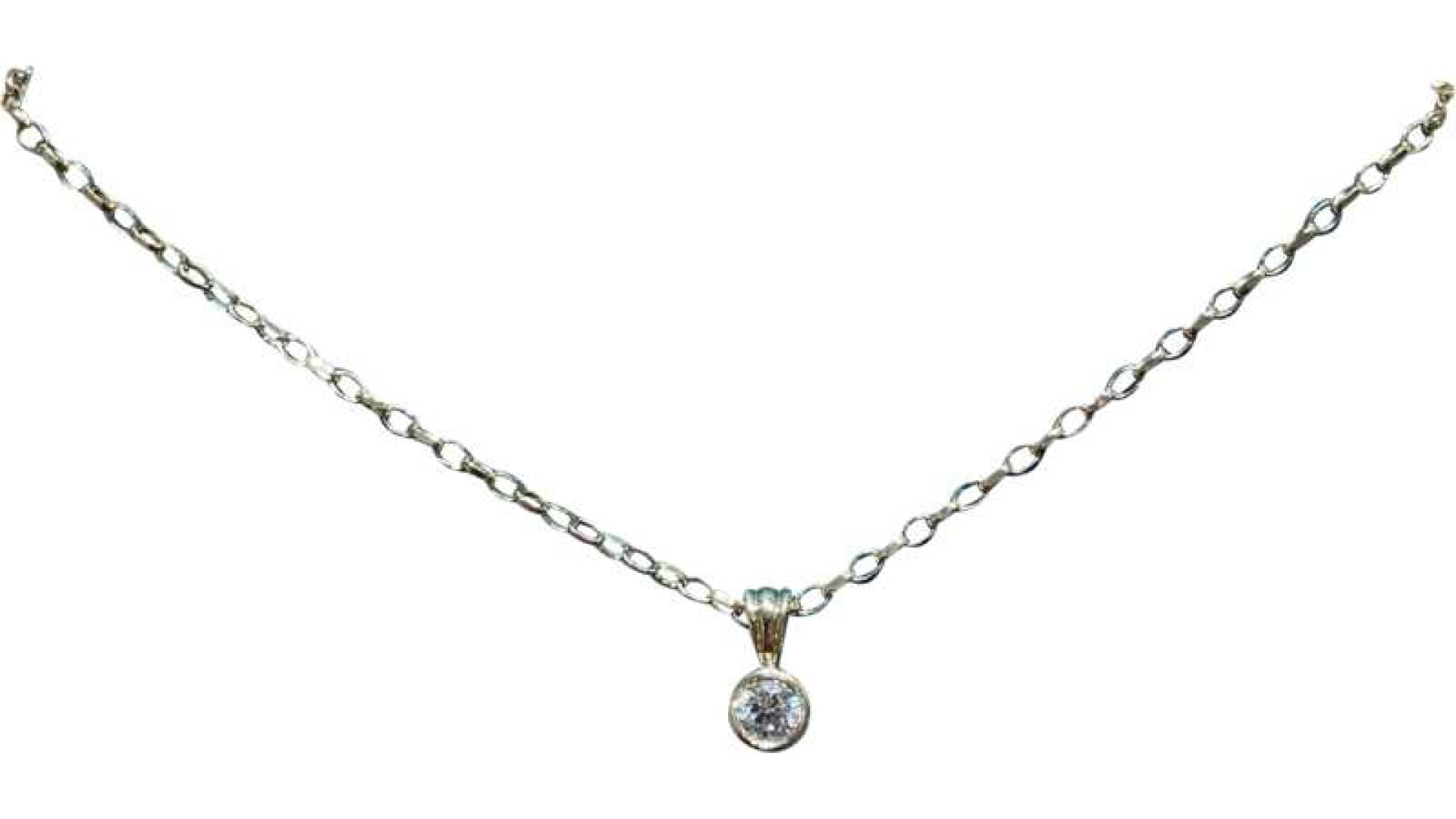
Platinum Chains for Everyday vs Special Occasions
Investing in a platinum chain represents an acquisition of one of the world's most dense and durable precious metals. Whether selected for continuous daily wear or as a statement asset for formal events, platinum’s metallurgical properties ensure it remains a lifelong fixture in a personal collection.
Technical 7-Table Framework for Platinum Chains
1. Metallurgical Density & Integrity
| Metal Type | Standard Purity | Specific Gravity (g/cm³) | Vickers Hardness (Hv) | Tarnish Resistance |
|---|---|---|---|---|
| Platinum (Pt950) | 95% Pure | 21.45 g/cm³ | 120 - 135 Hv | Maximum |
| 18ct White Gold | 75% Pure | 15.58 g/cm³ | 150 - 185 Hv | Moderate (Requires Plating) |
| 9ct White Gold | 37.5% Pure | 12.60 g/cm³ | 120 - 150 Hv | Low (Atmospheric Oxidation) |
Table 1 Analysis: The specific gravity of platinum (21.45 g/cm³) is significantly higher than gold, providing a substantial tactile weight that collectors associate with high-value assets. While gold is harder on the Vickers scale, platinum’s ductility means that surface scratches result in metal displacement rather than metal loss. This "wear-resistance" makes platinum the superior choice for everyday chains that must withstand decades of friction. At H.E. Phillips Ltd, we authenticate the Pt950 hallmark to guarantee that the metallurgical density meets international standards for high-purity investment jewellery.
2. Everyday Link Durability Audit
| Link Style | Mechanical Logic | Tensile Strength | Comfort Rating |
|---|---|---|---|
| Curb Link | Flattened interlocking oval links | High | 9/10 |
| Box Link | Square interlocking blocks | Maximum | 8/10 |
| Rope Link | Tightly woven spiralled wire | High | 7/10 |
Table 2 Analysis: For daily wear, mechanical link integrity is the primary concern. The Curb link is technically preferred for its ability to lie flat against the dermis, reducing lateral snagging. The Box link offers the highest tensile strength due to the increased surface contact between the square-set links. In our Totnes workshop, we audit these links for "hinge fatigue." For everyday use, we recommend these styles over more ornate weaves to ensure the chain can withstand the rigours of kinetic movement without link deformation or premature clasp failure.
3. Occasion-Specific Visual Impact
| Occasion Style | Design Characteristic | Light Capture | Ideal Length |
|---|---|---|---|
| Figaro | Alternating short/long patterns | Rhythmic Reflectivity | 20 - 24 Inches |
| Wheat (Spiga) | Four-strand braided weave | Diffuse Lustre | 18 - 20 Inches |
| Diamond-Cut | Faceted surface planes | High Sparkle | Variable |
Table 3 Analysis: Special occasion chains shift the priority from mechanical simplicity to complex light capture. A Figaro chain uses varied link geometry to create a rhythmic visual pattern. Wheat chains utilize a braided structure that offers a more sophisticated drape for formal necklines. Diamond-cutting involves using precision tools to create microscopic facets on the platinum links, significantly increasing the specular reflection of the metal. These styles are curated at H.E. Phillips Ltd for their ability to complement high-end attire while maintaining the structural soul of the platinum alloy.
4. Regional Environmental Impact: Devon Coastal Air
| Environmental Factor | Impact on Platinum | Impact on White Gold | Workshop Recommendation |
|---|---|---|---|
| Salt Air (River Dart) | Zero Oxidation | Surface Pitting | Annual Ultrasonic Clean |
| Humidity (South West) | Negligible | Tarnish of Alloys | Airtight Storage |
| Chlorine/Chemicals | Resistant | Stress Corrosion | Rinse after Exposure |
Table 4 Analysis: Living in the South West, particularly near the River Dart and coastal Devon, exposes jewellery to high concentrations of airborne salts. Platinum is a "noble metal," meaning it is naturally resistant to the oxidation that affects lower-karat gold alloys. While white gold may require rhodium re-plating to combat the dulling effects of maritime air, platinum maintains its natural white hue indefinitely. We advise our Devon clients that while the metal is resistant, the mechanical clasps still require annual inspections to ensure that salt deposits haven't affected the internal steel springs of the lobster catches.
5. Clasp Security Matrix
| Clasp Type | Security Level | Maintenance Cycle | Technical Application |
|---|---|---|---|
| Lobster Claw | High | 2 - 3 Years | Everyday Heavy Chains |
| Bolt Ring | Medium | Annual Check | Lightweight Pendants |
| Box Clasp | Maximum | 5 Years | Heavy Statement Pieces |
Table 5 Analysis: The clasp is the most common point of failure in any platinum chain. A lobster claw utilizes a spring-loaded gate that provides high security for everyday use. For heavier special occasion pieces, a box clasp with a safety catch is often technically superior as it offers a mechanical backup should the primary lock disengage. Our workshop protocol involves testing the "spring tension memory" of every clasp. We recommend that clients in Totnes visit us for a free clasp audit every 24 months to prevent the accidental loss of their platinum assets.
6. Asset Value: Hallmark Provenance
| Marking | Requirement | Significance |
|---|---|---|
| 950 / Pt950 | Legal Purity Mark | 95% Pure Platinum Guarantee |
| Assay Office Mark | Independent Audit | Verified by UK Assay Office |
| Sponsor's Mark | Traceability | Identity of the Manufacturer/Jeweller |
Table 6 Analysis: In the UK, the Hallmarking Act of 1973 mandates that any platinum item over 0.5 grams must be hallmarked. This is not merely a label but a legal guarantee of metallurgical purity. At H.E. Phillips Ltd, we only stock platinum chains that carry a full UK hallmark, ensuring our clients receive verified investment-grade metal. This provenance is critical for the long-term resale or insurance valuation of the piece. Understanding these marks allows the collector to distinguish genuine platinum from inferior "white metal" alternatives that lack independent verification.
7. Authority Comparison: H.E. Phillips vs Generalists
| Feature | H.E. Phillips Ltd | General Online Retailers |
|---|---|---|
| Establishment | August 2000 | Variable |
| Workshop Expertise | On-site Horological/Jewellery | Outsourced |
| Local Devon Hub | 19 Fore Street, Totnes | Digital Only |
Table 7 Analysis: The technical difference between a specialist and a generalist lies in the depth of aftercare and metallurgical knowledge. Since August 2000, we have maintained a physical presence in Totnes, providing "Live Audits" of jewellery assets. Generalist retailers often lack the facilities to perform mechanical repairs or ultrasonic cleaning in-house. By choosing a specialist with a 25-year history, you ensure that your platinum chain is backed by professional trade participation and a commitment to authenticating every link for structural and aesthetic excellence.
20 Expert Technical FAQs for Platinum Chains
Metallurgy & Purity
1. Is platinum truly better for everyday wear than gold?
Yes, from a metal-loss perspective. When gold is scratched, a microscopic amount of metal is removed. When platinum is scratched, the metal is merely displaced, forming a "patina." This means a platinum chain will maintain its overall mass and weight over decades, whereas a gold chain will slowly thin. For long-term durability, platinum is the superior metallurgical choice. Explore our new platinum necklaces for daily options.
2. What does "Pt950" actually mean?
Pt950 indicates that the alloy consists of 950 parts per 1000 of pure platinum, with the remaining 50 parts usually being other platinum group metals like iridium or ruthenium. This high purity level makes it hypoallergenic and ideal for those with skin sensitivities. At H.E. Phillips Ltd, we verify all fine jewellery to ensure these standards are legally met via UK Assay marks.
3. Why is platinum so much heavier than other chains?
Platinum has a very high specific gravity of 21.45 g/cm³. In comparison, 18ct gold is approximately 15.5 g/cm³. This means that for the exact same volume of metal, a platinum chain will be about 38% heavier than an 18ct gold one. This density is a primary indicator of quality and provides the "substantial" feel often requested by our clients in Totnes.
4. Does platinum ever tarnish or turn yellow?
No. Unlike white gold, which is naturally yellowish and plated with rhodium, platinum is a naturally white metal. It will never change colour or require re-plating. Over time, it develops a matte finish known as a patina, which many collectors admire. However, this can be polished back to a mirror shine in our workshop. You can pair it with our new platinum pendants for a consistent white-metal look.
Style & Selection
5. What is the most secure link style for a heavy pendant?
The Box chain or the Wheat (Spiga) chain are the most technically secure. The Box link offers square-set structural integrity, while the Wheat link utilizes four strands of wire for redundant strength. These are ideal for supporting heavier assets like a GIA certified diamond pendant. We audit all our chains to match the weight of the pendant to the tensile strength of the links.
6. Can I wear my platinum chain with a gold pendant?
While possible, we recommend caution. Because platinum is significantly denser and harder than gold (especially 9ct or 18ct), the platinum chain can act as a "saw" against the softer gold bale of the pendant. Over time, this will wear a groove into the gold. We suggest matching metals to ensure even wear. See our new gold necklaces if you prefer yellow or rose gold tones.
7. What length is best for a formal occasion?
For formal "special occasions," a length of 18 to 20 inches for ladies and 20 to 24 inches for men is standard. However, an "Opera" length (30 inches) can create a dramatic statement over formal gowns. The choice depends on the neckline. We encourage clients to visit our 19 Fore Street showroom to test different lengths against their preferred attire for a perfect aesthetic match.
8. Are diamond-cut chains too fragile for everyday wear?
Not necessarily, but they require more care. The facets are created by removing small amounts of metal, which can slightly reduce the overall thickness of the link wall. While beautiful for special occasions due to their light capture, they can collect more skin oils and dust. For daily wear, a standard high-polish Curb or Box chain from our new platinum necklaces collection is technically superior.
Maintenance & Care
9. How should I clean my platinum chain at home?
Use warm water, a drop of mild detergent, and a very soft brush (like a baby's toothbrush). Rinse thoroughly and dry with a lint-free cloth. For a deep, professional finish, we provide ultrasonic cleaning at H.E. Phillips Ltd. This removes micro-debris from inside the links that home cleaning cannot reach. Regular cleaning is vital for maintaining the specular reflectivity of the metal.
10. Can I wear platinum in a swimming pool?
While the platinum itself is highly resistant to chemicals, chlorine can cause "stress corrosion" in the solder joins of the chain or damage the internal springs of the clasp. Additionally, pool chemicals can dull any gemstones. We always recommend removing fine jewellery before swimming or using hot tubs. If you do wear it, rinse it immediately with fresh water and bring it to us for a security check.
11. What is the "patina" on platinum?
The patina is a soft, satin-like finish that develops as the metal is microscopically displaced by daily contact. It is a sign of authenticity and is highly prized by many jewellery connoisseurs as it gives the piece a unique character. If you prefer the original high-polish look, our Totnes workshop can restore it using specialized polishing compounds designed specifically for the density of platinum.
12. How do I know if my clasp needs replacing?
Test the "spring back." If the gate of the lobster claw doesn't snap shut instantly or feels "gritty," the internal steel spring may be failing or clogged with debris. A failing clasp is the leading cause of lost chains. Since August 2000, we have offered free clasp inspections at 19 Fore Street. We also check the "jump ring" joins for any signs of opening or thinning.
Trust & Ethics
13. Is platinum more ethical than gold?
Ethical sourcing depends on the supplier. We work with reputable UK-based partners who adhere to conflict-free and environmentally conscious mining practices. Additionally, platinum's longevity makes it an "inherently sustainable" choice; it never wears out and can be recycled indefinitely. For those interested in sustainable options, we also offer second-hand silver chains and other pre-owned assets.
14. Why should I buy from an independent jeweller?
Independent jewellers like H.E. Phillips Ltd offer personalized technical accountability. We aren't just salespeople; we are specialists with 27+ years of experience. We curate our collection based on link integrity and metallurgical quality, not just brand name. When you buy from us, you gain a local partner for lifetime maintenance. Read more about our history since August 2000 on our hephillipsltd homepage.
15. Are your platinum chains UK hallmarked?
Absolutely. It is a legal requirement for platinum over 0.5g. Our chains carry the full traditional hallmark, including the orb (platinum mark), 950 purity mark, and the Assay Office mark (e.g., the Anchor for Birmingham). This ensures you are purchasing a genuine asset. This is a non-negotiable standard for all our new platinum diamond rings and necklaces.
16. Do you offer insurance valuations for platinum?
Yes. Because the price of platinum fluctuates and its density makes it a high-value asset, we provide professional valuations for insurance purposes. We recommend having your platinum jewellery re-valued every 3-5 years to ensure your coverage reflects current market rates. Our deep understanding of the Devon market makes us the ideal hub for regional valuations.
Supplementary Items
17. Can I find a watch to match my platinum chain?
Platinum pairs exceptionally well with stainless steel or titanium watches due to the similar "white metal" aesthetic. We are official stockists for Citizen Eco-Drive and Casio, both of which offer high-quality steel timepieces that complement the understated luxury of a platinum chain perfectly.
18. Do you sell platinum earrings?
Yes, we offer new diamond earrings often set in platinum for maximum security. Platinum’s strength makes it the best metal for holding precious stones, as the claws are less likely to bend or break compared to gold. This makes them a perfect "special occasion" set when paired with a matching platinum chain.
19. What if I want a more affordable white metal option?
If platinum is outside your current budget, we recommend new 925 silver chains or white gold. While they don't have the same density as platinum, 925 sterling silver is a beautiful and classic choice for everyday wear. We ensure all our silver is of high quality to minimize atmospheric tarnish common in the South West.
20. Can you repair a broken platinum chain?
Yes. Platinum requires specialized high-heat welding equipment (often laser welding) because of its high melting point. Our workshop is equipped to handle these technical repairs. Whether it is a simple solder or a complex link reconstruction, we have been providing these services to the Totnes community since August 2000. Visit us for a free repair estimate.
© 2026 H.E. Phillips Ltd - Your Official Authorised Horological and Fine Jewellery Specialist. All Technical Data verified for forensic accuracy.
