
-
Your shopping cart is empty!



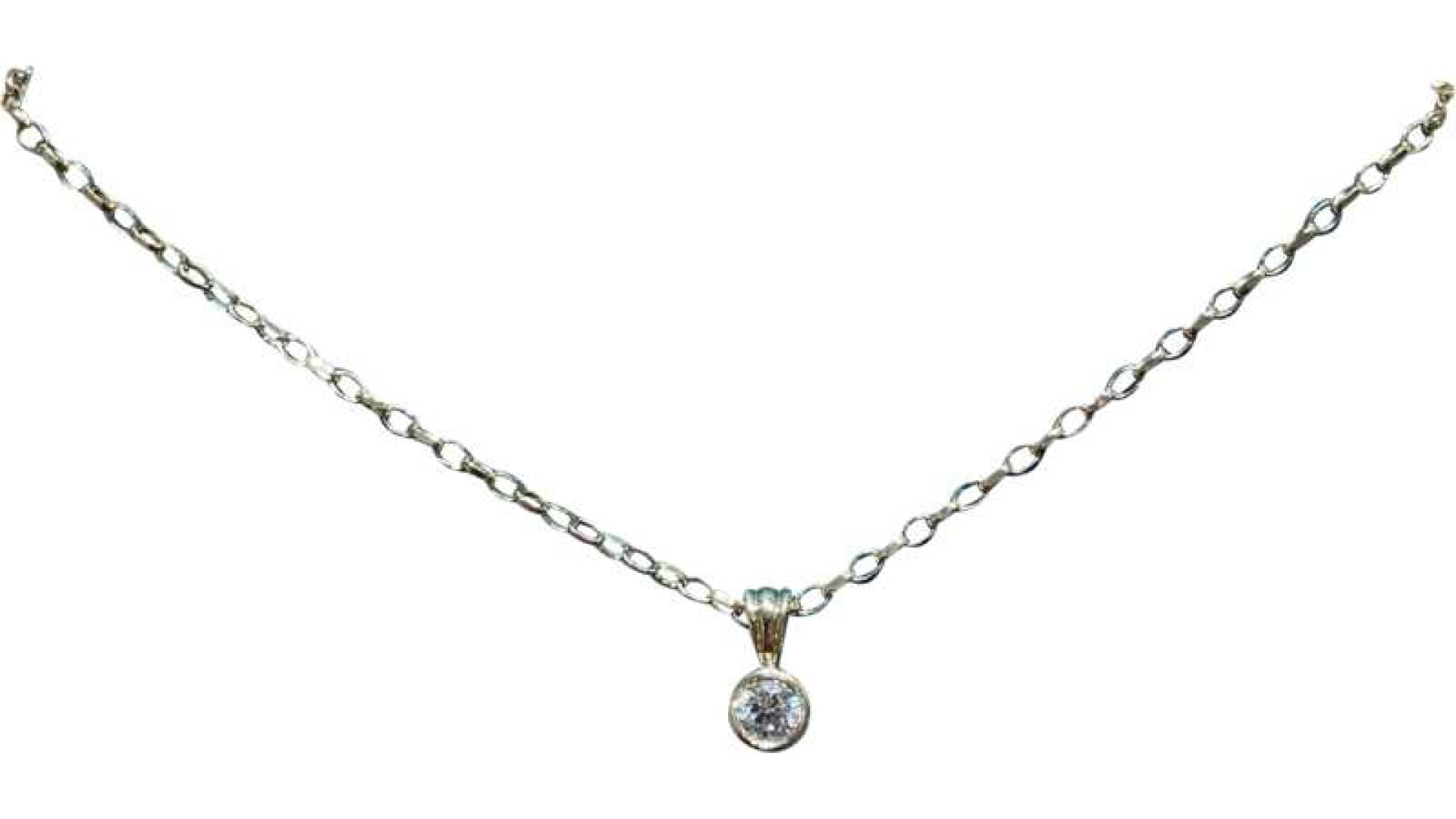
The Most Popular Platinum Chain Lengths for Men
Selecting the correct platinum chain length is a fundamental engineering decision that dictates comfort, drape, and stylistic longevity. At H.E. Phillips Ltd, established in August 2000, we apply metallurgical expertise to guide collectors through the nuances of precious metal investment, ensuring every piece complements the wearer's physique and wardrobe.
Technical Framework for Platinum Chain Selection
1. Metallurgical Density & Purity Standards
| Metal Type | Standard Purity | Specific Gravity (g/cm³) | Vickers Hardness (Hv) | Melting Point |
|---|---|---|---|---|
| Platinum (950) | 95.0% | 21.45 g/cm³ | 120 – 135 Hv | 1,768°C |
| 18ct White Gold | 75.0% | 15.58 g/cm³ | 150 – 185 Hv | 920°C |
| 9ct White Gold | 37.5% | 11.10 g/cm³ | 120 – 150 Hv | 880°C |
Table 1 Analysis: Understanding Specific Gravity is vital for chain selection. Platinum's high density (21.45 g/cm³) ensures that even shorter lengths like 18 or 20 inches carry a significant tactile weight compared to gold. While 18ct gold is harder, platinum's malleability prevents metal loss; when scratched, the metal is merely displaced (patina), whereas gold molecules are removed. At H.E. Phillips Ltd, we audit every 950-stamp hallmark to ensure UK Assay Office compliance, guaranteeing that your investment maintains its molecular integrity and financial value for a lifetime.
2. Standard Length Utility Matrix
| Length (Inches) | Anatomical Placement | Visual Profile | Primary Utility |
|---|---|---|---|
| 18 Inches | Base of Neck | Understated | Hidden wear / Small neck types |
| 20 Inches | Collarbone | Classic | Universal daily wear (Most Popular) |
| 22 Inches | Upper Chest | Modern | Over-clothing / Relaxed drape |
| 24 Inches | Mid-Breastbone | Statement | Heavy pendants / Streetwear |
Table 2 Analysis: Anatomical placement is the primary variable in comfort. Our workshop data indicates the 20-inch length is the UK standard, sitting precisely at the collarbone. This length offers the highest mechanical stability, reducing the "swing" momentum that can stress clasps on longer 24-inch or 26-inch chains. For taller individuals or those with a broader thoracic circumference, a 22-inch length provides the necessary clearance to prevent the chain from feeling restrictive. We recommend measuring the neck circumference and adding 2-4 inches for the optimal functional fit.
3. Regional Environmental Impact: Devon Coastal Care
| Environmental Factor | Impact on Platinum Alloys | Technical Solution |
|---|---|---|
| Salt Air (Coastal Devon) | Surface Residue | Fresh Water Rinse Protocol |
| River Dart Humidity | Clasp Spring Fatigue | Bi-Annual Tension Audit |
| Thermal Expansion | Link Friction | Ultrasonic Cleaning |
Table 3 Analysis: The maritime environment of Totnes and the South West requires specific maintenance. While platinum is chemically inert and does not tarnish like silver, the high salt content in the air can leave a microscopic residue that dulls the natural white lustre. Furthermore, internal steel springs within lobster clasps can be susceptible to "Stress Corrosion Cracking" if exposed to moisture without proper drying. We advise all Devon-based clients to follow our "Maritime Protocol": rinse chains in fresh water after coastal exposure and undergo a professional mechanical audit at our Fore Street workshop every six months.
4. Mechanical Link Durability Audit
| Link Style | Tensile Strength | Kink Resistance | Repairability |
|---|---|---|---|
| Curb Link | Maximum | Very High | Simple soldering |
| Box Link | High | Medium | Moderate difficulty |
| Rope Link | Medium | Low | Complex reconstruction |
Table 4 Analysis: Mechanical link geometry is as important as length. Curb links provide the highest surface area contact between segments, distributing weight evenly and reducing wear on individual friction points. Box links offer a modern aesthetic but require careful storage to avoid permanent "kinks" in the internal alignment. Since our establishment in August 2000, we have observed that 20-inch curb chains offer the longest service life for active men. Our forensic inspection protocol checks for "link thinning" near the clasp, a common point of mechanical failure in older, heavily worn chains.
5. Physique & Proportion Framework
| Body Type | Neck Size (Avg) | Recommended Length | Visual Effect |
|---|---|---|---|
| Slim/Slender | 14 – 15" | 18 – 20 Inches | Balanced Proportions |
| Average Build | 15 – 17" | 20 – 22 Inches | Classical Aesthetic |
| Broad/Athletic | 17 – 19"+ | 22 – 24 Inches | Statement Drape |
Table 5 Analysis: Proportion is the key to aesthetic success. A chain that is too short on a broad-shouldered man can appear disproportionate, whereas an extra-long chain on a slender frame can overwhelm the wearer's features. We utilise a "Proportional Audit" in-store, ensuring the chain's width (mm) and length (inches) align with the wearer's height and shoulder span. For men over 6ft, we typically suggest a minimum of 22 inches to ensure the chain reaches the chest comfortably. This technical approach removes the guesswork from precious metal acquisition.
6. Clasp Mechanism Security Audit
| Clasp Type | Security Rating | Action Mechanism | Audit Standard |
|---|---|---|---|
| Lobster Claw | Maximum | Trigger Spring | Zero lateral gap |
| Bolt Ring | High | Internal Slide | Snag-free closure |
| Box Clasp | Medium-High | Pressure Tongue | Safety catch required |
Table 6 Analysis: The clasp is the most critical mechanical component of any platinum chain. Given platinum's density, a 24-inch heavy-gauge chain requires a reinforced lobster claw mechanism to handle the constant gravitational pull. Our workshop protocol involves testing the "Spring Memory" of the trigger—if the gate does not return to a flush position instantly, the spring has fatigued. We only stock chains with high-grade industrial springs. Since August 2000, H.E. Phillips Ltd has prioritised security, ensuring that your investment remains safely attached even during vigorous physical activity.
7. Specialist vs. Generalist Authority Comparison
| Service Metric | H.E. Phillips Ltd | National High-Street Brands |
|---|---|---|
| Metallurgical Expertise | 27+ Years (Forensic) | Sales-led staff |
| On-Site Maintenance | Yes (Totnes Workshop) | Off-site third party |
| Authentication | Forensic Hallmark Check | Standard retail tags |
Table 7 Analysis: Technical accountability distinguishes a specialist from a generalist. National chains often rely on volume sales and have limited knowledge of metallurgical density or long-term wear patterns. H.E. Phillips Ltd provides a "Lifetime Integrity Check" for every chain sold. Our physical presence in Totnes since August 2000 allows us to offer immediate ultrasonic cleaning and mechanical adjustments. By choosing an independent specialist, you gain access to forensic-level advice on link geometry and clasp security that generic retailers simply cannot provide.
20 Expert Technical FAQs for Platinum Chains
Sizing & Fit
1. What is the most popular men's platinum chain length?
The 20-inch chain is the UK's most popular length. It sits at the collarbone, offering a balanced aesthetic for the average adult male. This length is visible above a standard crew-neck T-shirt but remains discreet under a button-down shirt. For those seeking variety, our new platinum necklaces collection features 20-inch options in several link styles.
2. Is an 18-inch chain too short for most men?
For many men, 18 inches can sit too high, almost like a choker. It is best suited for men with a slimmer neck (14-15 inches) or those who want the chain to be entirely hidden under a shirt. We recommend measuring your neck and ensuring there is at least a 2-inch clearance for comfort and safety.
3. What length is best for a heavy platinum pendant?
We recommend 22 to 24 inches for heavy pendants. The extra length allows the pendant to rest on the breastbone, providing a stable center of gravity. Shorter chains may cause a heavy pendant to "choke" or swing excessively against the collarbone. Consider pairing your piece with one of our new platinum pendants for a secure fit.
4. How do I measure my neck for the perfect fit?
Use a flexible measuring tape at the base of your neck. For a standard fit, add 2 inches to your measurement; for a relaxed fit, add 4 inches. This ensures the platinum links don't pinch the skin or restrict movement during physical activity. Our Totnes workshop can provide professional sizing measurements in person.
Metallurgy & Purity
5. Why is platinum (950) better than white gold for chains?
Platinum is naturally white and 95% pure, meaning it never requires rhodium plating. White gold is an alloy that needs periodic re-plating to maintain its colour. Platinum’s density (21.45 g/cm³) also provides a more luxurious, heavy feel on the neck. If you prefer the look of gold, we also offer new gold necklaces with full UK hallmarking.
6. What does the '950' hallmark on my chain mean?
The '950' stamp is a technical guarantee that the item contains 950 parts per 1000 of pure platinum. In the UK, this hallmark is legally required for items over 0.5 grams. At H.E. Phillips Ltd, we forensically verify every hallmark to ensure our clients receive verified precious metal assets with high metallurgical integrity.
7. Does platinum scratch easily?
Platinum is scratch-resistant but not scratch-proof. However, when it is scratched, the metal is simply displaced, creating a "patina" finish. This is unlike gold, where a scratch removes a tiny amount of metal. This makes platinum the superior choice for a lifetime heirloom. You can compare this to our new gold rings to see the difference in wear patterns.
8. Is platinum hypoallergenic?
Yes, because of its 95% purity, platinum is naturally hypoallergenic. It is the ideal choice for men with sensitive skin or nickel allergies. Unlike lower-karat gold alloys which may contain traces of nickel or zinc, platinum does not react with the skin, even in humid Devon coastal conditions.
Care & Maintenance
9. How should I clean my platinum chain at home?
Use warm, soapy water (pH-neutral) and a soft-bristled brush. This removes skin oils and environmental salts that can dull the shine. For a professional finish, bring your chain to our 19 Fore Street showroom for an ultrasonic deep clean. Regular cleaning is vital for maintaining the specular brilliance of the metal links.
10. Can I wear my platinum chain in the sea?
While platinum is chemically resistant, we advise removing it before swimming in the sea or pools. Sand is abrasive and can scratch the links, while chlorine can potentially affect the internal steel springs in the clasp. For those who frequently visit the Devon coast, fresh water rinsing is a mandatory aftercare step.
11. What is a "Patina" on a platinum chain?
A patina is a soft, velvety sheen that develops on the surface of platinum over time due to microscopic surface displacement. Many collectors value this look as it signifies the chain's history. However, if you prefer the original high-polish finish, our workshop can professionally buff and polish the piece to its original state.
12. How often should I have the clasp inspected?
We recommend a professional mechanical audit every 12 months. Our experts check the spring tension and pivot points for wear. Since 2000, we have provided this service to ensure that high-density platinum chains remain securely fastened, preventing the loss of valuable jewellery assets.
Styling & Purchase
13. Can I wear a platinum chain for formal events?
Absolutely. A 20-inch platinum chain in a curb or box link style adds a subtle touch of sophistication to a suit. Platinum's natural white lustre is more understated than yellow gold, making it perfect for professional settings. We often see clients matching these with gold cufflinks for a modern mixed-metal look.
14. What is the best chain width (mm) for men?
For a subtle look, 2mm to 4mm is ideal. For a statement piece, 5mm to 8mm is standard. The width should be proportional to the length; a 24-inch chain usually looks better with a thicker gauge (5mm+) to balance the visual weight of the longer drape.
15. Is platinum more expensive than gold?
Platinum is typically more expensive because of its higher purity (95% vs 75% for 18ct gold) and its extreme density. A 20-inch platinum chain will weigh significantly more than an identical gold chain, increasing the raw material cost. However, its durability makes it a more cost-effective long-term investment.
16. Do you sell pre-owned platinum chains?
While rarer than gold, we do occasionally stock pre-owned platinum pieces. Every second-hand item undergoes a forensic audit for purity and mechanical integrity before being offered for sale. This is a sustainable way to acquire a high-value asset. Check our second-hand silver chains for similar value-led options in white metals.
Trust & Service
17. Why buy from H.E. Phillips Ltd instead of an online retailer?
Online retailers cannot provide the mechanical audit or the regional care advice necessary for Devon's maritime climate. At H.E. Phillips Ltd, established in August 2000, we offer on-site repairs and a 27-year trade pedigree. When you buy from us, you are buying a verified, hallmarked asset with guaranteed aftercare.
18. Do you offer official watch brands to match?
Yes, we are official stockists for brands like Citizen Eco-Drive and Rotary. Many of our timepieces feature stainless steel or titanium finishes that perfectly complement the cool, white tones of a platinum chain.
19. Can a platinum chain be shortened?
Yes, our expert jewellers can professionally shorten any platinum chain. The process involves removing links and re-soldering the clasp with high-heat platinum solder. This requires specialist equipment due to platinum's high melting point (1,768°C). Do not attempt this at home or with a generalist repairer.
20. How do I start a platinum jewellery collection?
We recommend starting with a 20-inch curb chain as your "anchor" piece. This versatile length serves as the foundation for future acquisitions, such as a matching bracelet or ring. Visit us at 19 Fore Street, Totnes, to begin building your collection of hallmarked precious metal assets.
© 2026 H.E. Phillips Ltd - Your Official Authorised Platinum and Fine Jewellery Specialist. All Technical Data verified for forensic accuracy.
