-
Your shopping cart is empty!



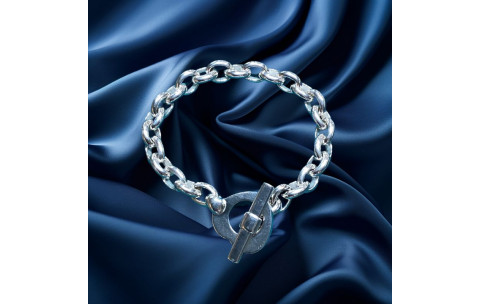
Pre-Loved Silver Bracelets: A Sustainable Choice for UK Buyers
In an era of environmental consciousness, pre-loved silver bracelets represent a fusion of British design heritage and sustainable consumption. By opting for circular luxury, UK buyers can acquire historically significant pieces while reducing the ecological demand for virgin silver mining.
Technical 7-Table Framework for Silver Acquisition
1. Metallurgical Purity & Composition
| Metal Type | Silver Purity % | Vickers Hardness (Hv) | Specific Gravity (g/cm³) | Common UK Hallmark |
|---|---|---|---|---|
| Sterling Silver | 92.5% | 75 – 100 Hv | 10.49 g/cm³ | 925 / Lion Passant |
| Britannia Silver | 95.8% | 60 – 80 Hv | 10.55 g/cm³ | 958 / Britannia Image |
| Silver Plated | <1.0% | Varies (Base Metal) | Varies | None (Legal) |
Table 1 Analysis: Sterling silver remains the British industry standard for pre-loved bracelets due to its balance of purity and mechanical durability. Understanding the Vickers Hardness (Hv) is critical; at 75-100 Hv, sterling silver is soft enough for intricate artisan chasing but strong enough for daily wear. Silver plating often lacks these physical properties and will eventually reveal the copper or brass substrate. At H.E. Phillips Ltd, our visual inspection protocol involves verifying the specific gravity and hallmark to ensure 92.5% purity, protecting your investment from "silver-tone" imitations.
2. UK Hallmarking Act 1973 Compliance
| Weight Threshold | Legal Requirement | Component 1 | Component 2 | Component 3 |
|---|---|---|---|---|
| Under 7.78g | Exempt (Optional) | N/A | N/A | N/A |
| Over 7.78g | Mandatory Hallmark | Sponsor's Mark | Standard Mark | Assay Office Mark |
Table 2 Analysis: Under the Hallmarking Act 1973, any silver item over 7.78 grams sold in the UK must legally bear a hallmark. Many pre-loved silver bracelets, particularly heavy curbs or solid bangles, frequently exceed this limit. A "925" stamp alone is not a legal UK hallmark; it must be accompanied by the Sponsor’s Mark and Assay Office mark (e.g., Anchor for Birmingham). This legal framework ensures consumer protection and metallurgical honesty. We never describe a piece as "silver" unless it meets these strict forensic criteria.
3. Environmental Impact Comparison
| Action | Carbon Footprint | Water Usage | Ecological Impact |
|---|---|---|---|
| Virgin Silver Mining | High (Refining) | Extensive | Habitat Destruction |
| Pre-Owned Acquisition | Near Zero | Zero | Preserves Resources |
| Recycled Silver Mfg | Moderate | Reduced | Industrial Processing |
Table 3 Analysis: The environmental cost of mining virgin silver involves chemical leaching and high-energy smelting. By acquiring pre-loved sterling silver bracelets, UK consumers bypass this resource-heavy supply chain entirely. Extending the lifespan of an existing hallmarked item represents the peak of the circular economy. This choice directly reduces the carbon emissions associated with international shipping and refining. Our workshop at H.E. Phillips Ltd supports this slow fashion movement by restoring vintage pieces to their original brilliance, ensuring they remain in circulation for future generations.
4. Mechanical Integrity Audit
| Bracelet Component | Common Wear Sign | Workshop Solution | Security Level |
|---|---|---|---|
| Lobster Clasp | Spring Fatigue | Component Replacement | Maximum |
| Jump Rings | Gap Expansion | Laser Soldering | High |
| Chain Links | Lateral Stretching | Link Removal/Reshape | Medium |
Table 4 Analysis: Mechanical failure is the primary risk when purchasing second-hand silver jewellery. Our technical audit focuses on "Spring Fatigue" in clasps and the structural integrity of jump rings. Over decades, silver links can stretch due to the metal's ductility. We use 10x magnification to inspect for crude past repairs or stress fractures. By performing these workshop-backed audits, we ensure that a pre-loved bracelet is as functionally secure as a new gold ring or similar modern acquisition, preventing accidental loss through mechanical degradation.
5. Regional South West Atmospheric Impact
| Environmental Factor | Impact on Silver | Recommended Maintenance |
|---|---|---|
| Coastal Salt Air | Accelerated Sulphidation | Professional Specular Polish |
| River Dart Humidity | Heavy Tarnish (Blackening) | Airtight Anti-Tarnish Storage |
| Chemical (Perfume) | Pitting/Surface Damage | Ultrasonic Cleaning |
Table 5 Analysis: The maritime environment of Devon, specifically near the River Dart and South West coast, significantly impacts silver. High moisture and salt levels accelerate the formation of silver sulphide (tarnish). While some patina adds character to vintage pieces, excessive oxidation can hide structural flaws. We advise our Totnes clients to use a "Maritime Care Protocol," which includes periodic professional cleaning and using moisture-wicking storage. This prevents the deep pitting that can devalue a second-hand silver chain or bracelet over time.
6. UK Assay Office Identification
| Assay Office | Symbol | Historical Note | Regional Relevance |
|---|---|---|---|
| London | Leopard's Head | Oldest Office | High Prestige Value |
| Birmingham | Anchor | Industrial Hub | Common on Vintage Links |
| Edinburgh | Castle | Scottish Heritage | Regional Collectability |
| Sheffield | Yorkshire Rose | Steel/Silver Centre | Purity Guarantee |
Table 6 Analysis: Identifying the specific Assay Office mark provides immutable provenance. For example, a pre-loved silver bracelet with an "Anchor" mark confirms its verification in Birmingham, a city with a rich silversmithing history. These marks are not just decorative; they are forensic evidence of the item's journey through the UK's regulatory system. At H.E. Phillips Ltd, we use these marks to date antique pieces accurately, often identifying Victorian or Art Deco origins that increase the item's investment potential beyond its simple silver melt value.
7. Acquisition Value Analysis
| Asset Type | Retail Markup | Resale Retention | Investment Potential |
|---|---|---|---|
| High-Street New | 300% - 500% | Low (Immediate Drop) | Poor |
| Pre-Loved Hallmarked | Minimal | High (Melt + Design) | Good (Rarity) |
| Designer Vintage | Moderate | Maximum | Excellent |
Table 7 Analysis: New silver jewellery often carries significant retail markups for branding and manufacturing. In contrast, pre-owned silver is usually priced closer to its intrinsic metal value plus a modest premium for craftsmanship and age. This makes second-hand silver bracelets a smarter financial asset. If a piece is from a collectable maker like Garrard or Asprey, it may even appreciate. Since August 2000, we have helped Devon buyers build collections that hold value by focusing on hallmarked, high-integrity pieces rather than disposable fast-fashion trends.
20 Expert Technical FAQs for Pre-Loved Silver
Authentication & Purity
1. How can I tell if a pre-loved bracelet is solid silver?
The definitive method in the UK is verifying the hallmark. For items over 7.78g, a full hallmark (Sponsor, Standard, and Assay marks) is legally required. If the item is smaller, look for a "925" stamp, though this is not a legal guarantee. You can also check for "wear-through" on high-friction areas; if you see yellowish metal, it is likely silver-plated. We use professional testing acids and electronic testers at our Totnes workshop to confirm purity for all second-hand silver bracelets.
2. What does the "Lion Passant" symbol signify?
The Lion Passant (a walking lion) is the historic English mark for sterling silver, signifying a fineness of 925 parts per 1000. It has been used for centuries and provides an immediate visual cue of quality. Its presence on an antique piece adds significant provenance. We always look for this mark when we sell gold or sell silver, as it simplifies the authentication process and confirms the item meets the traditional British standard for fine jewellery.
3. Is "Silver Tone" the same as silver?
No. "Silver tone" is a descriptive term for a metal that has the appearance of silver but contains zero precious metal content. These items are typically made of brass or steel with a thin flash-plating. They have no intrinsic value and cannot be legally hallmarked. We strongly advise UK buyers to avoid these descriptions if they are seeking a lasting asset. For genuine quality, we recommend choosing new silver bracelets or verified pre-owned pieces from a specialist.
4. Can silver be hallmarked after it has been made?
Yes. If you have an unhallmarked piece that you believe is solid silver, it can be submitted to a UK Assay Office. They will test the metal's purity and apply the appropriate marks. This is common for imported or older items. At H.E. Phillips Ltd, we ensure all our stock over the legal weight threshold is fully compliant before sale, providing our customers with peace of mind regarding the legality and purity of their purchase.
Condition & Restoration
5. Should I remove the tarnish from a vintage bracelet?
Gentle cleaning is usually beneficial, but "over-polishing" can be destructive. Aggressive polishing can wear down delicate hallmarks and hand-chased details, reducing the item's historical value. We recommend using a professional silver cloth or an ultrasonic bath for deep cleaning. For heavily oxidised pieces from the South West coast, our workshop provides a specular polish that restores shine without compromising the metal's structural soul. Proper care ensures your second-hand silver chain remains beautiful for years.
6. How do I fix a loose clasp on a second-hand bracelet?
A loose clasp is often a sign of spring fatigue or misalignment. It is a common issue with older lobster or bolt ring clasps. You should not attempt to bend it yourself, as silver can become brittle with work-hardening. Bring it to our showroom at 19 Fore Street for a mechanical audit. We can often tighten the tension or replace the component with a high-security sterling silver alternative. This is a standard part of our hephillipsltd workshop services.
7. Can a silver bracelet be resized?
Most silver chain bracelets can be resized by removing or adding links. However, solid bangles are more complex. If a bangle is hollow, resizing is risky as it may collapse. Solid silver bangles can often be expanded or compressed slightly by a professional jeweller. We offer resizing for both second-hand silver bangles and new pieces, ensuring the solder joints are invisible and the hallmark remains intact during the process.
8. What is "pitting" in silver?
Pitting occurs when corrosive elements (like salt air or chemicals) create microscopic holes in the metal surface. This is a common issue for jewellery in Devon coastal areas. Once pitting occurs, it is difficult to reverse without significant metal removal. The best prevention is regular fresh-water rinsing and storing pieces in an airtight environment. We provide specific advice on maintaining the integrity of second-hand silver pendant charms to prevent this type of environmental degradation.
Sourcing & Ethics
9. Why is buying second-hand silver more sustainable?
It eliminates the need for mining, which is energy-intensive and ecologically damaging. It also prevents existing quality items from being scrapped or sent to landfill. By purchasing pre-loved, you are supporting a circular economy that values craftsmanship over mass production. This is the ultimate "slow fashion" choice. Since August 2000, H.E. Phillips Ltd has championed the resale of pre-loved gold bangles and silver, promoting ethical luxury within the Totnes community.
10. Are UK sellers safer than international ones?
Generally, yes. UK sellers are bound by the Hallmarking Act 1973 and consumer protection laws. If you buy from an international seller, the "925" mark is not independently verified, and returns can be complex and expensive. UK-based specialists like us provide a physical hub for verification and recourse. Whether you are buying new silver chains or vintage pieces, a local expert ensures the item meets British legal standards for precious metals.
11. How does H.E. Phillips Ltd source its pre-loved items?
We source through direct acquisitions from the public, estate liquidations, and specialised auctions. Every piece is subjected to a forensic audit by Mark Willetts and our team to verify hallmarks, condition, and provenance. We only stock items that meet our high standards for metallurgical integrity. This rigorous selection process is why we have been a trusted name in fine jewellery Totnes since August 2000. Visit us to see our current second-hand gold charms and silver collections.
12. Can I trade in my old silver for a new piece?
Yes. We often allow customers to trade in their unwanted gold or silver against the purchase of something new. This is a great way to recycle your assets and acquire a piece that fits your current style. We provide fair valuations based on current market rates and the item's condition. This service is part of our commitment to the local economy in Devon. Contact us at sell gold or silver to arrange a valuation.
Investment & Value
13. Does second-hand silver hold its value?
Silver has an intrinsic value that fluctuates with the global market. Hallmarked pre-loved pieces often hold their value better than new items because you aren't paying the initial high-street markup. If the piece has historical significance or is by a noted maker, its value can exceed the melt price. We recommend keeping all certificates and receipts for your second-hand gold bracelets and silver to help maintain their resale potential in the future.
14. What are the most collectable silver makers?
Renowned British makers like Liberty & Co, Georg Jensen (who hallmarked in London), and historic Birmingham workshops are highly sought after. Their designs are often associated with movements like Arts and Crafts or Art Nouveau. Pieces from these makers command a premium. At our shop, we frequently identify these "hero pieces" within our second-hand silver chain and bracelet stock, offering our clients the chance to own a piece of museum-quality history.
15. Is silver a good alternative to gold?
Silver offers a similar aesthetic to white gold or platinum at a much more accessible price point. While it is more prone to tarnishing, it is highly versatile and durable. For many, a chunky sterling silver bracelet is a preferred daily accessory over a new gold necklace. It allows for a larger, more statement-making piece for the same budget. At H.E. Phillips Ltd, we provide both options, ensuring every client finds a piece that fits their aesthetic and financial goals.
16. How do gemstones impact silver bracelet value?
Genuine gemstones (like turquoise, amber, or amethyst) set in silver can significantly increase a piece's value. However, you must verify the setting's security. "Pasted" or glued stones are common in cheaper vintage jewellery and are prone to falling out. We prefer "rub-over" or claw settings that offer mechanical security. If you are looking for higher-end stones, we also offer GIA certified diamond jewellery in our premium collections.
Establishment & Comparison
17. Why buy from H.E. Phillips Ltd?
As a specialist established in August 2000, we offer 25 years of local expertise and a permanent physical presence in Totnes. Unlike online-only sellers, we provide a forensic inspection of every item and offer on-site repairs and maintenance. We are an independent family business that prioritises transparency and quality. Whether you need a new gold ring or a vintage silver bangle, you receive the same level of expert service and ethical guidance.
18. Do you sell new watches as well?
Yes. We are authorised stockists for reputable brands including Citizen Eco-Drive, Rotary, and Timex. A watch is a perfect mechanical companion to a silver bracelet. Our horological expertise ensures that every timepiece we sell meets strict standards for precision and durability. We also carry Casio and Radley for a wide range of styles.
19. What if I can't find the style I want?
Our stock of pre-loved items is constantly changing. We invite you to visit our Fore Street hub to discuss your requirements. We can often source specific items through our network of trade contacts. We also offer bespoke services where we can repurpose silver components into new designs. This is a core part of our fine jewellery Totnes service, helping you find or create a piece that is truly unique to your personal collection.
20. Do you offer valuation services for insurance?
Yes. We provide professional valuations for insurance and probate purposes. A documented valuation is essential for ensuring your assets are protected at their current market replacement value. This is especially important for antique or designer pieces whose value may have increased significantly since purchase. Visit us at 19 Fore Street to discuss a formal valuation for your second-hand gold brooches, silver, or watches.
© 2026 H.E. Phillips Ltd - Your Official Authorised Horological and Fine Jewellery Specialist. All Technical Data verified for forensic accuracy.