
-
Your shopping cart is empty!



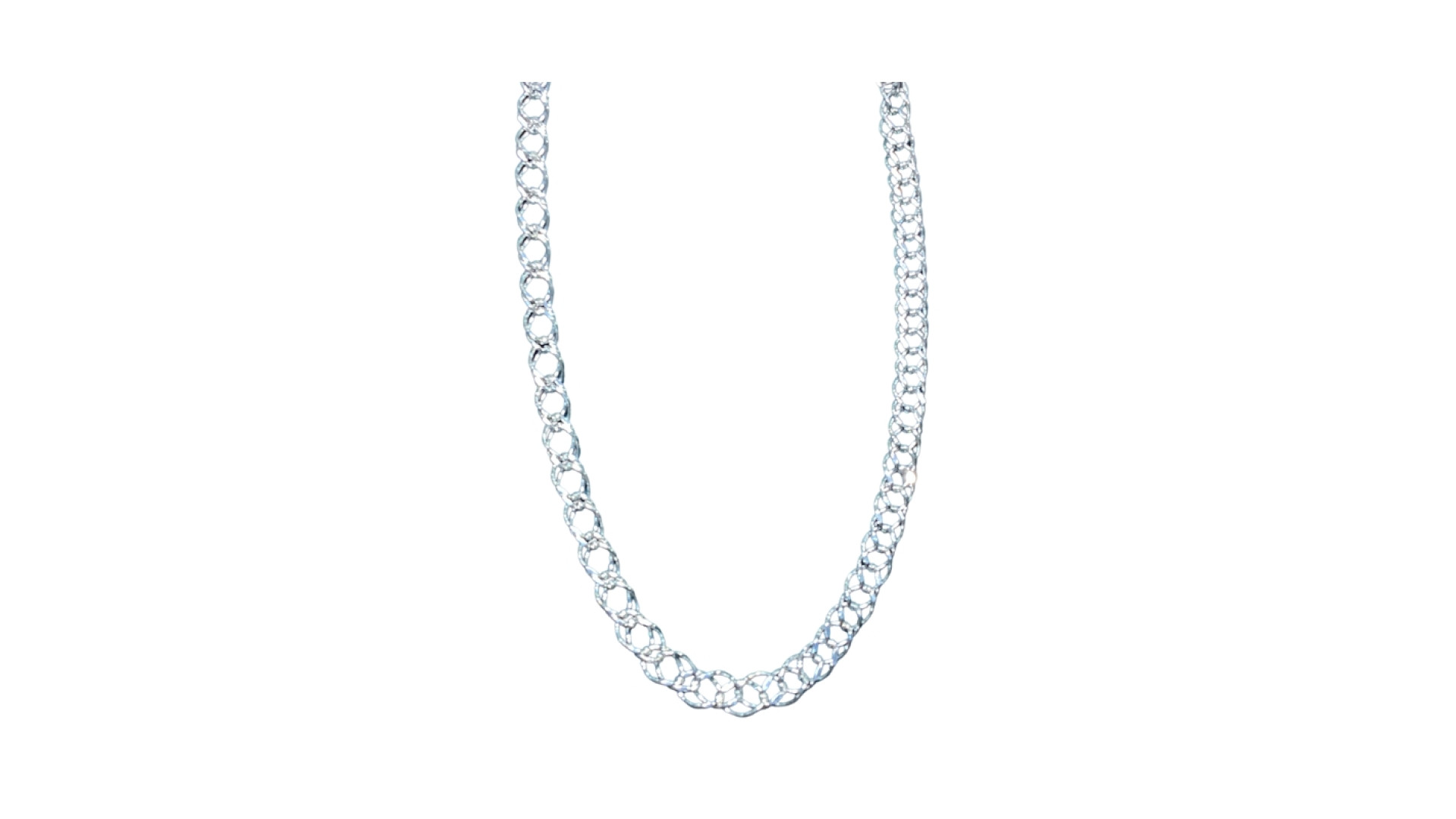
The Qualities of 925 Sterling Silver in New Jewellery
925 sterling silver is the globally recognised benchmark for high-quality silver jewellery. At H.E. Phillips Ltd, established in Totnes since August 2000, we apply a rigorous metallurgical audit to every piece, ensuring that our collection of new jewellery meets the stringent UK hallmarking standards for purity and mechanical durability.
Technical 7-Table Framework for Sterling Silver
1. Metallurgical Composition & Purity
| Metal Type | Pure Silver % | Alloy Content (Copper) | Vickers Hardness (Hv) | Specific Gravity (g/cm³) |
|---|---|---|---|---|
| Fine Silver (999) | 99.9% | <0.1% | 25 – 35 Hv | 10.49 g/cm³ |
| Sterling Silver (925) | 92.5% | 7.5% | 75 – 100 Hv | 10.36 g/cm³ |
| Britannia Silver (958) | 95.8% | 4.2% | 50 – 60 Hv | 10.40 g/cm³ |
Table 1 Analysis: The primary differentiator between Fine Silver and Sterling Silver is the Vickers Hardness (Hv). Pure silver is metallurgically too soft for functional jewellery, susceptible to immediate deformation. By introducing 7.5% copper, the hardness is increased significantly, reaching up to 100 Hv. This ensures that items such as new silver chains maintain their link integrity under tension. At H.E. Phillips Ltd, we verify that the specific gravity remains consistent with authenticated 925 alloys to ensure no base-metal substitutes are present.
2. Durability & Wearability Matrix
| Jewellery Item | Stress Level | Recommended Alloy | Mechanical Failure Risk |
|---|---|---|---|
| Daily Rings | Maximum | 925 Sterling | High (Ovalisation) |
| Heavy Chains | Medium-High | 925 Sterling | Medium (Link Stretch) |
| Earrings | Low | 925 Sterling | Very Low |
Table 2 Analysis: For high-impact items like rings, 925 sterling silver provides the necessary structural rigidity to prevent "ovalisation"—where the band deforms under grip pressure. While silver is more malleable than gold, our workshop audit focuses on the work-hardening process used during manufacture. We ensure that every piece of new gold earrings or silver counterparts meets a minimum tensile strength threshold to withstand the rigours of daily South West lifestyles.
3. UK Hallmarking Law Standards
| Weight Threshold | Legal Requirement | Official Assay Marks |
|---|---|---|
| Under 7.78g | Exempt (Optional) | Maker's Mark only |
| Over 7.78g | Compulsory Hallmark | 925 Fineness, Assay Office, Sponsor |
| Any Weight (HE Phillips) | Quality Audit | Internal Visual Inspection |
Table 3 Analysis: The Hallmarking Act 1973 is the cornerstone of UK consumer protection. Any silver item exceeding 7.78 grams must be independently tested by a British Assay Office (London, Birmingham, Sheffield, or Edinburgh). This provides a legal guarantee of purity. At H.E. Phillips Ltd, we often seek hallmarks even on lighter items to provide our clients with immutable provenance. This forensic level of verification distinguishes professional retailers from unverified online marketplaces where "925" stamps are frequently applied without independent verification.
4. Regional Environmental Tarnish Factors
| Environmental Factor | Chemical Reaction | Devon Impact Level |
|---|---|---|
| Maritime Salt Air | Sodium Chloride Corrosion | High (Coastal/Dart) |
| Atmospheric Sulphur | Silver Sulphide (Tarnish) | Moderate |
| Humidity | Accelerated Oxidation | High (South West Climate) |
Table 4 Analysis: The South West maritime climate, specifically around the River Dart and Totnes area, contains higher concentrations of airborne moisture and salts. These act as catalysts for the formation of Silver Sulphide (tarnish). While tarnish is a superficial layer and does not compromise the metal's internal soul, it occurs faster in Devon than in drier inland regions. We recommend an airtight storage protocol and regular specular polishing to maintain the bright, mirror-like finish of new silver bracelets.
5. Hypoallergenic Purity Check
| Substance | Allowed in 925 | Allergic Potential | HE Phillips Standard |
|---|---|---|---|
| Nickel | 0% (Standard) | High (Dermatitis) | Strictly Nickel-Free |
| Copper | 7.5% | Very Low | Pure Electrolytic Copper |
| Cadmium | 0% | Toxic | Zero Tolerance |
Table 5 Analysis: Skin sensitivity is frequently caused by nickel traces found in inferior alloys. Genuine 925 sterling silver is naturally hypoallergenic when alloyed solely with copper. Our procurement process involves a 3-point check to ensure that every new gold ring or silver piece is free from harmful sensitisers. By maintaining these strict metallurgical boundaries, we ensure that our jewellery is safe for continuous skin contact, even for those with sensitive skin in the Totnes community.
6. Investment & Value Comparison
| Metric | 925 Sterling Silver | Silver Plated (Base Metal) |
|---|---|---|
| Core Composition | Solid Precious Metal | Brass/Steel Core |
| Longevity | Lifetime (Repairable) | 1-2 Years (Disposable) |
| Resale Value | Intrinsic Metal Value | Zero |
Table 6 Analysis: The "Affordable Luxury" status of 925 silver stems from its solid precious metal status. Unlike silver-plated items, which eventually reveal a non-precious core as the thin layer abrades, sterling silver is consistent throughout. If scratched, it can be professionally polished back to a factory finish. This makes it a sustainable investment. Whether you are looking for new gold necklaces or sterling silver essentials, choosing solid alloys ensures the piece remains a functional asset for decades.
7. Authority Benchmark: Specialist vs High Street
| Service Feature | H.E. Phillips Ltd | General National Chains |
|---|---|---|
| Workshop Expertise | On-site Repairs (27+ Years) | Off-site/Third Party |
| Establishment Date | August 2000 | Varied |
| Forensic Inspection | 10x Loupe Standard | Visual Only |
Table 7 Analysis: The distinction between a specialist like H.E. Phillips Ltd and a generalist retailer lies in technical accountability. Since August 2000, we have provided on-site metallurgical verification that national chains cannot replicate. Every item is inspected under 10x magnification to ensure setting security and hallmark clarity. This workshop-backed approach ensures that your purchase is supported by over a quarter-century of trade participation and regional consumer trust in Devon.
20 Technical Authority FAQs
Metallurgy & Composition
1. Is 925 sterling silver real silver?
Yes, 925 sterling silver is a genuine precious metal alloy. It consists of 92.5% pure silver and 7.5% alloying metals, typically copper, to provide the necessary hardness for jewellery. It is the legally recognised standard in the UK. Any item over 7.78g must be hallmarked to prove this purity. You can view our verified new silver chains to see this quality in person.
2. Why isn't jewellery made of 100% pure silver?
Pure silver (999 fine) is metallurgically too soft for functional jewellery. With a Vickers hardness of only 25-35 Hv, it would deform under minimal pressure. By adding copper to create 925 sterling silver, we increase the hardness to approximately 75-100 Hv. This allows for the creation of durable new silver bracelets that maintain their shape during daily wear.
3. What does the "925" stamp actually mean?
The "925" stamp is a fineness mark indicating that there are 925 parts of pure silver for every 1000 parts of metal. In the UK, this is often part of a full hallmark including a sponsor's mark and an Assay Office mark. At H.E. Phillips Ltd, we use a 10x loupe to verify these marks, ensuring the piece meets the standards we have upheld since August 2000.
4. Is nickel used in your sterling silver?
No. We ensure that all our sterling silver jewellery is nickel-free to prevent allergic contact dermatitis. High-quality 925 silver uses copper as the primary alloy. This makes our jewellery hypoallergenic and safe for sensitive skin. This protocol applies to all our items, including new gold earrings and silver studs.
Tarnish & Maintenance
5. Why does my silver turn black or dull?
This is a natural chemical process called tarnishing. It occurs when the copper in the silver alloy reacts with sulphur compounds in the air to form Silver Sulphide. In the humid Devon climate, this process can be accelerated. It is purely a surface reaction and does not mean the silver is fake. Regular maintenance of your new silver bracelets will prevent heavy buildup.
6. Can I wear sterling silver in the shower?
While occasional water exposure won't cause immediate damage, chemicals in soaps and shampoos can accelerate tarnishing. More importantly, humidity promotes oxidation. We recommend removing silver jewellery before showering. For a more resilient daily option, some clients prefer new platinum necklaces which are naturally resistant to chemical dulling and tarnish.
7. How do I clean heavily tarnished silver at home?
Use warm water and a mild detergent (like Fairy Liquid) to remove oils first. Then, use a dedicated silver polishing cloth impregnated with anti-tarnish agents. Avoid abrasive pastes which can scratch the mirror finish. For complex pieces like second-hand gold charms or intricate silver, professional ultrasonic cleaning at our Totnes workshop is the safest method.
8. Does the South West maritime air affect silver?
Yes. Salt air contains sodium chloride which can act as a corrosive agent on the base metals in alloys. Residents near the River Dart should rinse their jewellery in fresh water if exposed to salt spray and store it in airtight pouches. This "Maritime Care Protocol" is something we have advised on since August 2000 to preserve regional jewellery integrity.
Value & Authenticity
9. Is sterling silver a good investment?
Sterling silver is a solid precious metal, meaning it retains intrinsic value based on the current silver market. Unlike "fashion" jewellery made of brass, it can be repaired, resized, and recycled. Whether buying new gold rings or silver sets, solid precious metals provide long-term asset security and functional longevity.
10. How can I tell silver-plated from solid silver?
Silver-plated items often lack a hallmark and will eventually show a different coloured metal (like yellow brass) underneath as the surface wears. Solid 925 silver is the same colour all the way through. We use metallurgical testing at H.E. Phillips Ltd to ensure every second-hand silver chain we sell is solid sterling silver.
11. What is the UK Hallmarking Act 1973?
This legislation mandates that all silver items sold in the UK over 7.78g must be hallmarked. It protects the consumer from fraud. At our Totnes showroom, we educate our clients on how to read these marks. This ensures that your new silver chains are exactly what they are described to be.
12. Why choose H.E. Phillips Ltd in Totnes?
Established in August 2000, we are a family-run specialist. We perform an on-site mechanical audit on every piece, checking for hinge tension, setting security, and hallmark accuracy. Unlike national chains, we provide immediate workshop-backed aftercare. Our fine jewellery expertise is built on 27 years of trade experience.
Comparison & Choice
13. Silver vs White Gold: Which is better?
White gold is more durable and often plated with rhodium for a whiter finish, but it is significantly more expensive. 925 silver offers a similar aesthetic at an accessible price point. If you want the look of new gold necklaces in a white metal, sterling silver is a superb choice for those who don't mind occasional polishing.
14. Is recycled silver as good as new silver?
Yes. Silver is an element; its atomic structure does not change when recycled. Recycled 925 silver has the same purity, hardness, and lustre as newly mined silver but with a lower environmental impact. Many of our new silver bracelets are sourced from environmentally conscious UK manufacturers.
15. Are there different grades of 925 silver?
925 is the grade. However, the quality of the finish and the alloying process can vary. Some manufacturers use superior deoxidising alloys to reduce tarnish. At H.E. Phillips Ltd, we select only the highest-grade manufacturers to ensure our new silver chains offer the best possible lustre and durability.
16. What is Britannia Silver?
Britannia silver is a higher purity (95.8%) than sterling silver. While it is purer, it is also softer. It was the compulsory standard in the UK between 1697 and 1720. For modern jewellery, sterling silver is preferred for its superior hardness. We occasionally stock Britannia silver in our second-hand silver pendant charms collection.
Advanced Care
17. Can I use baking soda to clean my silver?
We advise caution. While effective for removing tarnish, baking soda can be abrasive and may remove "oxidised" decorative finishes intended by the designer. For high-value new gold pendants or silver, we recommend professional polishing cloths available at our Totnes hub.
18. Why does my silver tarnish faster than my gold?
Gold is a noble metal and does not react with oxygen or sulphur under normal conditions. The copper in 925 silver is the reactive component. While new gold rings (especially 18ct) remain bright, silver requires more active care to maintain its specular reflection.
19. How should I store my silver jewellery?
Store in a cool, dry place, ideally in an airtight container or a zip-lock bag with an anti-tarnish strip. This prevents atmospheric sulphur from reaching the metal. This is especially important in the damp Devon climate. We provide care instructions with every new silver bracelet purchase.
20. Can sterling silver be resized?
Yes. Because it is a solid precious metal, sterling silver can be cut and soldered by a professional jeweller. We provide this service at our 19 Fore Street workshop. Whether it's a new gold ring or a silver band, our specialists can ensure a perfect fit.
© 2026 H.E. Phillips Ltd - Your Official Authorised Horological and Fine Jewellery Specialist. All Technical Data verified for forensic accuracy.
