
-
Your shopping cart is empty!



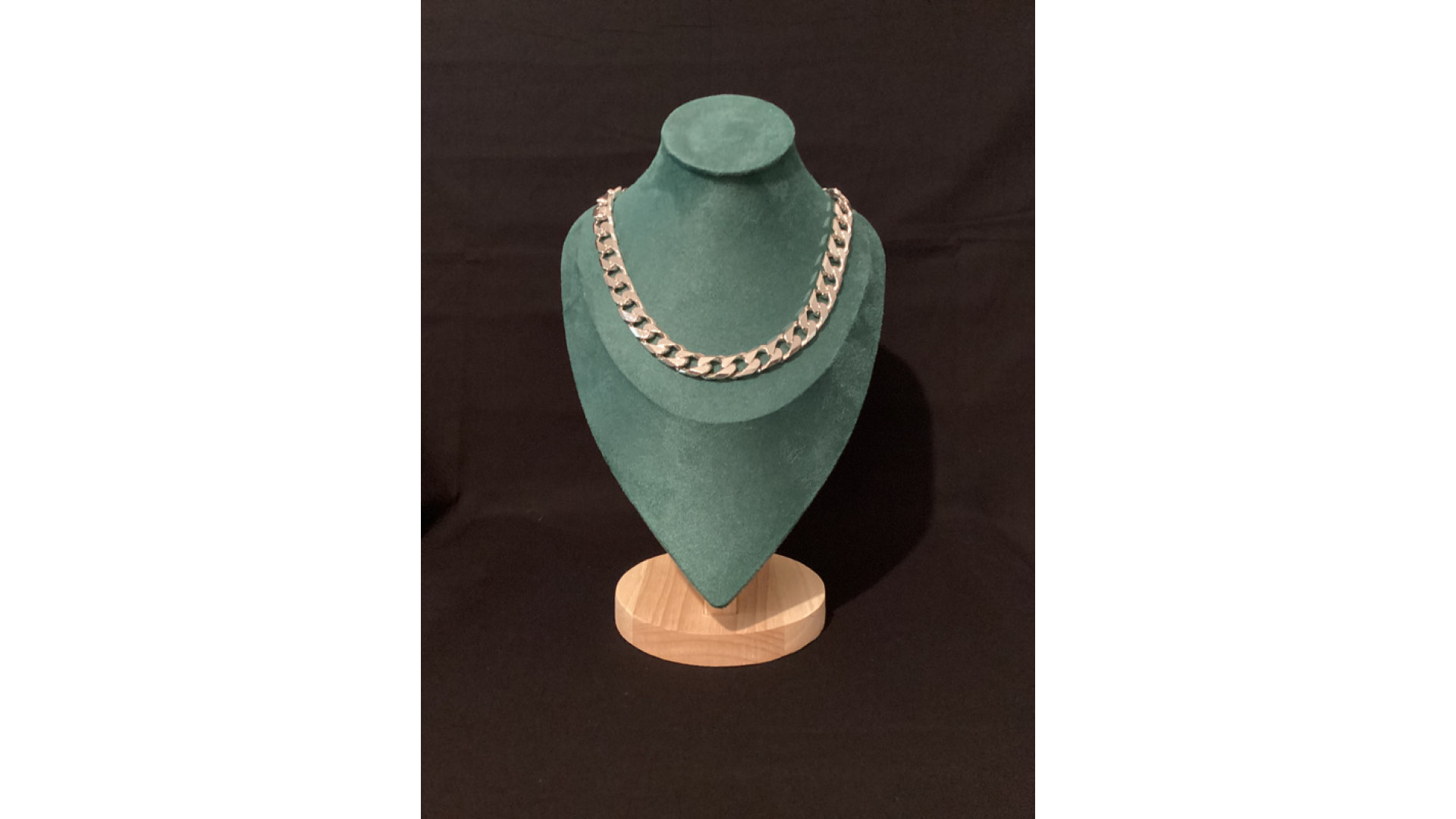
A Guide to Removing Tarnish from Sterling Silver Chains
Sterling silver chains are fundamental metallurgical assets, prized for their 92.5% purity and timeless aesthetic. However, the formation of silver sulphide—commonly known as tarnish—is a natural chemical inevitability. This technical guide outlines the professional protocols for reversing oxidation and maintaining structural soul, backed by the expert workshop standards of H.E. Phillips Ltd.
Technical 7-Table Framework for Silver Restoration
1. Metallurgical Composition & Physical Properties
| Metal Type | Silver Content % | Vickers Hardness (Hv) | Specific Gravity (g/cm³) | Oxidation Rate |
|---|---|---|---|---|
| Fine Silver (999) | 99.9% | 25 – 35 Hv | 10.49 g/cm³ | Low |
| Sterling Silver (925) | 92.5% | 75 – 100 Hv | 10.36 g/cm³ | Moderate (Copper content) |
| Argentium Silver | 93.5% | 110 – 125 Hv | 10.30 g/cm³ | Low (Germanium addition) |
Table 1 Analysis: Sterling silver is an alloy specifically engineered to balance purity with durability. By adding 7.5% copper, the Vickers Hardness (Hv) is significantly increased from the 25 Hv of fine silver to approximately 75-100 Hv, making it suitable for chain construction. However, it is the copper component that primarily reacts with atmospheric sulphur to form black silver sulphide. Understanding this metallurgical compromise is essential; the very element that provides the chain's structural strength is also the catalyst for tarnish. At H.E. Phillips Ltd, we verify every new silver chain meets these precise UK hallmarking standards.
2. Tarnish Severity & Recommended Protocol
| Tarnish Stage | Visual Indicators | Chemical Cause | Restoration Method |
|---|---|---|---|
| Incipient | Yellowish/Straw tint | Light Sulphur exposure | Soap & Warm Water |
| Moderate | Grey/Brown patches | High humidity/Skin oils | Baking Soda Paste |
| Heavy | Black/Dull coating | Silver Sulphide buildup | Ion Exchange (Aluminium) |
| Professional | Deep pitting/Matte | Long-term neglect | Workshop Micro-Polish |
Table 2 Analysis: The identification of tarnish stages is critical to avoiding over-cleaning. Incipient tarnish is merely a surface-level film that can be disrupted with basic surfactants. However, once the reaction reaches the "Heavy" stage, a solid layer of silver sulphide (Ag₂S) has formed. Our workshop protocols dictate that mechanical scrubbing should be minimised to prevent metal loss. Instead, we recommend electrochemical reduction for heavy tarnish, which converts the sulphide back into metallic silver without removing the surface layer of the metal itself. This preserves the weight and value of your jewellery.
3. Chemical Reaction Efficacy Audit
| Method | Mechanism | Safety Rating | Technical Risk |
|---|---|---|---|
| Soap & Water | Surfactant cleaning | Maximum | None |
| Baking Soda Paste | Mild Mechanical Abrasive | Medium | Micro-scratching if forced |
| Ion Exchange | Electrochemical reduction | High | Stripping antique patina |
| Toothpaste | High Abrasive Grit | Low | Irreversible surface dullness |
Table 3 Analysis: This audit highlights the risks associated with "home remedies." While baking soda is a standard recommendation, its abrasive nature can create microscopic valleys in the silver if applied with too much pressure, eventually leading to a loss of specular reflection. The "Ion Exchange" method (aluminium foil and baking soda) is technically superior for intricate chains because it reaches into every link via a chemical reaction rather than physical contact. At H.E. Phillips Ltd, we strictly advise against toothpaste due to its silica content, which often exceeds the hardness of sterling silver.
4. Regional Environmental Impact: South West Maritime
| Environmental Factor | Impact on Silver Alloys | Totnes Context | Preventative Measure |
|---|---|---|---|
| High Humidity | Accelerated Oxidation | River Dart basin | Airtight storage pouches |
| Salt Air Aerosol | Surface Corrosion/Pitting | South Devon Coast | Fresh-water rinse after wear |
| Atmospheric Sulphur | Silver Sulphide formation | Urban pollutants | Anti-tarnish strips |
Table 4 Analysis: Residents of Totnes and the surrounding Devon countryside face unique challenges due to the maritime climate. High humidity levels in the River Dart valley act as a catalyst for the reaction between silver and sulphur. Furthermore, salt air from the nearby South Devon coast can introduce chlorides that lead to pitting. Our technical care protocol for regional clients includes regular fresh-water rinsing to remove saline deposits, followed by immediate drying. This prevents the "maritime dullness" often seen in poorly maintained coastal collections.
5. Tool & Material Specification
| Material | Specification | Technical Purpose |
|---|---|---|
| Polishing Cloth | Impregnated micro-fibre | Light chemical polishing |
| Toothbrush | Extra-soft nylon bristles | Safe link agitation |
| Aluminium Foil | Standard household grade | Electron donor in reaction |
| Airtight Bag | Polyethylene (PVC-free) | Atmospheric barrier |
Table 5 Analysis: The specification of tools is as important as the cleaning agent. Using a medium or hard toothbrush can cause irreparable damage to delicate silver links. We mandate the use of extra-soft nylon to ensure the bristles flex before the metal surface deforms. Furthermore, storage materials must be PVC-free, as off-gassing from certain plastics can actually accelerate tarnishing. We provide clients with high-quality storage solutions at our Fore Street hub to ensure their new silver chains remain in a pristine state between wears.
6. Security & Integrity Verification
| Check Point | Verification Method | Integrity Goal |
|---|---|---|
| Clasp Tension | Manual actuation test | Prevent accidental opening |
| Link Soldering | 10x Loupe inspection | Identify stress fractures |
| Hallmark Clarity | Visual audit | Confirm 925 purity assets |
| Surface Uniformity | Specular light test | Verify total tarnish removal |
Table 6 Analysis: Cleaning is the ideal time to perform a "Security Audit." As you handle each link of your sterling silver chain, you should inspect for wear and tear. At H.E. Phillips Ltd, we use a 10x magnification loupe to check the integrity of solder joints. If a chain has been heavily tarnished for years, the underlying metal may show signs of stress. Our workshop established in August 2000 offers professional soldering for chains that have suffered mechanical failure. Ensuring your clasp remains high-tension is the most effective way to prevent the loss of your silver assets.
7. Authority Comparison: Specialist vs Generalist
| Attribute | H.E. Phillips Ltd Workshop | Standard Retailers |
|---|---|---|
| Establishment Date | August 2000 | Variable |
| Metallurgical Expertise | Forensic Level (27+ Years) | Product Knowledge Only |
| Regional Care Advice | Devon Maritime Focused | Generic |
| Aftercare Support | On-site repairs/cleaning | Third-party outsourcing |
Table 7 Analysis: The technical depth of H.E. Phillips Ltd is defined by our quarter-century of trade participation in Totnes. While general retailers sell silver as a commodity, we treat it as a metallurgical asset. Our on-site workshop allows us to perform "Live Audits" and professional specular polishing that generic outlets cannot replicate. By purchasing from or consulting with a specialist established in August 2000, you gain access to forensic-level advice on everything from second-hand silver chains to modern 925 hallmarks.
20 Expert Technical FAQs for Silver Chain Care
Science of Tarnish
1. What exactly is silver tarnish?
Tarnish is a thin layer of silver sulphide (Ag₂S) that forms when silver atoms react with sulphur compounds in the air (typically hydrogen sulphide). It is a self-limiting surface reaction, meaning it does not "eat away" the metal like rust on iron, but rather creates a dark coating. Regular maintenance prevents this layer from becoming thick and difficult to remove. For high-purity pieces, see our New Silver Chains.
2. Why does my silver turn yellow before it turns black?
The yellowing is the "Incipient" stage of oxidation. It represents a very thin film of silver sulphide that is just beginning to distort the reflection of light. At this stage, the tarnish is easiest to remove with simple soap and water. If left untreated, the layer thickens, eventually blocking all specular reflection and appearing black. We recommend immediate cleaning at the first sign of a straw-coloured tint.
3. Does skin acidity affect tarnish rates?
Yes. Individual skin chemistry plays a significant role. High levels of skin acidity or the presence of sulphur-rich amino acids in sweat can accelerate the tarnishing process. This is why a chain may tarnish faster on one person than another. We suggest wiping your jewellery with a soft cloth after every wear to remove these acidic deposits. This is a standard part of our Fine Jewellery care advice.
4. Why is sterling silver more prone to tarnish than pure silver?
Sterling silver contains 7.5% copper. Copper is significantly more reactive to sulphur and oxygen than silver. The copper atoms at the surface of the alloy react first, acting as a bridge for the silver to oxidise. While pure silver (999) is more tarnish-resistant, it is too soft for chain construction. We balance this at H.E. Phillips Ltd by sourcing only high-grade alloys that meet strict UK purity standards.
Cleaning Techniques
5. Is the "Aluminium Foil" trick safe for all chains?
The ion exchange method is very safe for plain sterling silver chains. It uses an electrochemical reaction to transfer sulphur from the silver to the aluminium. However, it should NOT be used on "Oxidised" or "Antiqued" designs, as it will strip away the intentional darkening. For vintage pieces, we recommend a targeted polish. Visit our Second-hand Silver Chains page for care specific to older pieces.
6. Why is toothpaste discouraged by jewellers?
Toothpaste contains abrasive particles like silica or calcium carbonate designed to scrub tooth enamel, which has a Mohs hardness of 5. Sterling silver is much softer (approx. 2.5-3 on the Mohs scale). Using toothpaste creates microscopic scratches that catch the light poorly and provide "traps" for new tarnish to form. Professional liquid cleaners or silver cloths are far safer for preserving the metal's structural soul.
7. Can I use an ultrasonic cleaner at home?
Home ultrasonic cleaners are generally safe for plain silver chains without gemstones. They use high-frequency sound waves to create cavitation bubbles that dislodge dirt. However, they do not remove chemical tarnish—only physical grime. For tarnish removal, a chemical or electrochemical approach is still required. If your chain has stones, we suggest a professional audit at our Fore Street workshop to ensure settings are secure.
8. How often should I use a silver polishing cloth?
A polishing cloth is ideal for weekly maintenance. These cloths are impregnated with mild cleaning agents that disrupt light tarnish without the need for water. However, if used too aggressively or too frequently, they can slowly wear down the sharp edges of intricate links. For a deep clean, professional workshop servicing is recommended once a year. This is a hallmark of our Services since August 2000.
Regional & Environmental Care
9. How does the River Dart humidity affect my silver?
Moisture acts as an electrolyte, speeding up the chemical reaction between silver and atmospheric pollutants. The high humidity in the River Dart basin means Totnes residents may notice their silver tarnishing faster than those in drier climates. We recommend using silica gel packets in your jewellery box to absorb excess moisture. This regional tip is part of our commitment as a Totnes-based hephillipsltd specialist.
10. Can I wear my silver chain in a Devon spa or pool?
No. Chlorine and bromine used in pools and hot tubs are extremely aggressive toward silver. They can cause "Stress Corrosion Cracking," which weakens the metal and can lead to the chain snapping. Furthermore, the high sulphur content in some natural spa waters will turn silver black almost instantly. Always remove your New Silver Bracelets and chains before entering treated water.
11. Does salt air from the South Devon coast cause damage?
Salt (sodium chloride) can cause pitting corrosion on sterling silver over time. While it doesn't cause the black tarnish associated with sulphur, it can lead to a dull, matte finish that is difficult to restore at home. If you live near the coast, rinse your jewellery in fresh water daily. Our workshop in Totnes can perform a "Maritime Restoration" for pieces that have lost their brilliance due to salt exposure.
12. What is the best way to store silver in a maritime climate?
Airtight is the gold standard. We recommend placing each chain in an individual PVC-free plastic bag with an anti-tarnish strip. This creates a micro-environment that is free from the salty, humid air of the South West. Individual storage also prevents the chains from tangling and scratching each other. Visit us at 19 Fore Street to see our range of professional Jewellery Care products.
Investment & Verification
13. Is sterling silver a good long-term investment?
Yes, as a precious metal, silver holds intrinsic value. Unlike silver-plated items, sterling silver is solid 92.5% silver throughout, meaning it can be restored and polished indefinitely without losing its finish. It is a durable asset that can be passed down through generations. At H.E. Phillips Ltd, we have seen the enduring value of silver since we opened in August 2000. See our Sell Gold or Silver page for valuation info.
14. What does the '925' stamp actually mean?
The '925' mark is a hallmark that certifies the metal is 92.5% pure silver. This is the international standard for sterling silver. In the UK, this is often accompanied by other marks, such as the Assay Office mark (like the London Leopard or Birmingham Anchor). These marks are your technical guarantee of purity. We perform a forensic audit on every new silver chain to ensure total compliance with UK law.
15. Can tarnish permanently damage my chain?
Generally, tarnish is just a surface issue. However, if left for decades in a harsh environment, "pitting" can occur, where the corrosion goes deeper into the metal. This can weaken links and clasp mechanisms. Regular cleaning is the best way to prevent surface tarnish from becoming a structural problem. Our workshop specializes in restoring even the most neglected second-hand silver chains to their original glory.
16. Why should I buy from an independent jeweller like H.E. Phillips Ltd?
Independence means accountability. Since August 2000, our reputation in Totnes has been built on providing verified quality and expert aftercare. Unlike national chains, we perform our own metallurgical audits and provide tailored advice for the Devon climate. We are not just a retailer; we are a permanent regional hub for fine jewellery Devon, offering a level of expertise that mass-market stores cannot match.
Supplementary Information
17. Do you sell watches that coordinate with silver?
Yes, we are official stockists for brands like Citizen Eco-Drive and Rotary. These brands offer stunning stainless steel and silver-tone watches that perfectly complement sterling silver jewellery. A watch is an excellent functional asset to pair with a classic chain. We also carry Timex and Casio for a wider range of styles.
18. Can broken silver chains be repaired?
Most definitely. A snapped link or a broken clasp can be professionally repaired using silver solder. At H.E. Phillips Ltd, our on-site workshop handles these repairs with precision, ensuring the fix is almost invisible and the structural integrity is restored. If you have a damaged heirloom, bring it to 19 Fore Street for a technical assessment. We have been the regional repair specialist since August 2000.
19. What is the difference between silver-plated and sterling silver?
Silver-plated jewellery consists of a thin layer of silver over a base metal like copper or brass. Once that layer wears off or tarnishes deeply, it cannot be easily restored. Sterling silver is solid throughout. You can polish sterling silver a thousand times and you will still have silver. This makes sterling silver a far superior long-term investment. Check our Sterling Silver Collection for authentic solid pieces.
20. How do I start a collection of high-quality silver?
We recommend beginning with a "Hero Piece," such as a heavy curb chain or an elegant snake chain. From there, you can add second-hand silver pendant charms or matching bracelets to build a cohesive set. By buying from a trusted specialist established in August 2000, you ensure that every piece in your collection meets the same high metallurgical standards. Visit us in Totnes to start your journey.
© 2026 H.E. Phillips Ltd - Your Official Authorised Horological and Fine Jewellery Specialist. All Technical Data verified for forensic accuracy.
