
-
Your shopping cart is empty!



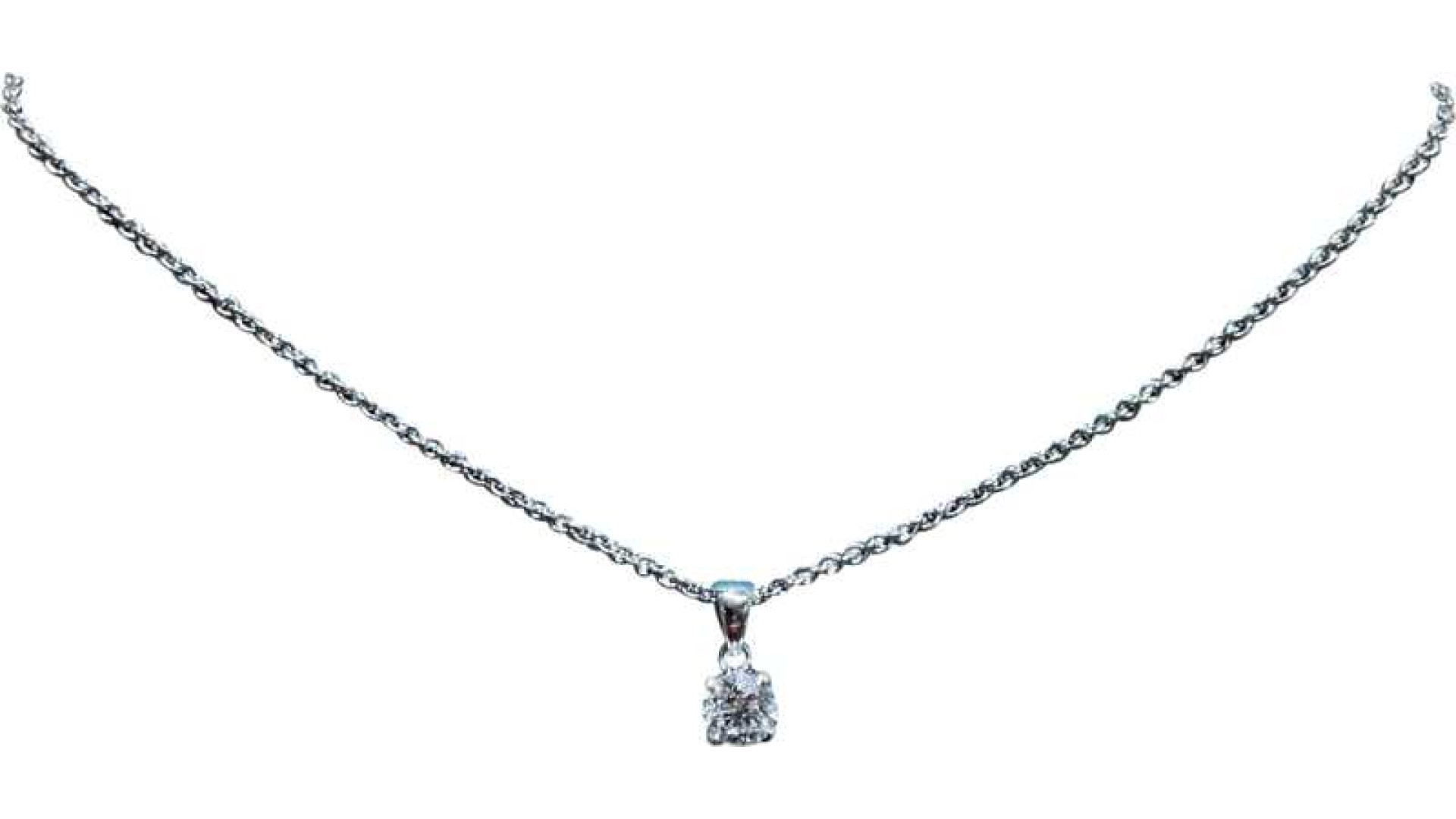
The Science Behind Platinum's Luster
The captivating, silvery-white brilliance of platinum jewellery is the result of a fascinating combination of atomic-level science and unique physical properties. At H.E. Phillips Ltd, established in Totnes since August 2000, we provide the technical expertise required to understand why this noble metal maintains its mirror-like finish for generations.
Technical 7-Table Framework for Platinum Analysis
1. Atomic & Reflective Properties
| Property | Technical Value | Scientific Impact | Visual Result |
|---|---|---|---|
| Atomic Number | 78 | High Electron Density | Intense Brilliance |
| Electron Config | [Xe] 4f14 5d9 6s1 | Nearly full d-orbital | Surface Plasmon Resonance |
| Reflectivity | ~70-80% | Even light vibration | True-White Colour |
Table 1 Analysis: Platinum’s brilliance is dictated by its atomic configuration. With an atomic number of 78, its conduction electrons vibrate in synchrony with incident light waves. This phenomenon, known as surface plasmon resonance, allows platinum to reflect wavelengths evenly across the visible spectrum. Unlike silver, which can appear "blue-white," or white gold which often requires rhodium to hide yellow tints, platinum provides a naturally neutral white frame. At H.E. Phillips Ltd, we verify the purity of our platinum to ensure this intrinsic reflectivity remains uncompromised by inferior alloys.
2. Comparative Metallurgical Density
| Metal | Specific Gravity (g/cm³) | Vickers Hardness (Hv) | Melting Point |
|---|---|---|---|
| Platinum (950) | 21.45 g/cm³ | 120 - 135 Hv | 1,768°C |
| 18ct White Gold | 14.7 - 15.2 g/cm³ | 130 - 160 Hv | 900 - 1,000°C |
| Sterling Silver | 10.49 g/cm³ | 75 - 100 Hv | 961°C |
Table 2 Analysis: The density of platinum is one of its most critical technical advantages. At 21.45 g/cm³, it is significantly denser than gold. This high specific gravity means a platinum necklace or ring feels substantially heavier and more secure than a gold equivalent of the same size. While white gold may show a higher Vickers Hardness in some alloyed states, platinum's "displacement" property means metal is pushed aside during a scratch rather than lost. This ensures the structural soul and weight of the piece remain constant over decades of wear.
3. Chemical Inertness & Tarnish Resistance
| Factor | Platinum Reaction | Silver/Gold Reaction | Maintenance Need |
|---|---|---|---|
| Oxygen (Oxidation) | Zero | Low (Gold) / High (Silver) | None for Platinum |
| Sulphur (Tarnish) | Zero | High (Silver) | None for Platinum |
| Human Skin Acids | Inert | Variable | Hypoallergenic Advantage |
Table 3 Analysis: Platinum is chemically inert, categorising it as a "noble metal." It does not react with sulphur or oxygen at room temperature, meaning it cannot tarnish. In the maritime environment of Totnes and the River Dart, where salt and humidity can accelerate the dulling of silver and lower-karat gold, platinum remains unaffected. This chemical stability is why we recommend platinum for heirloom pieces; it requires no rhodium plating or aggressive chemical cleaning to maintain its original silvery-white luster.
4. Physical Displacement & Patina Evolution
| Wear Stage | Structural Change | Optical Effect | Restoration Requirement |
|---|---|---|---|
| New | High-Specular Polish | Mirror-like reflection | None |
| 5-10 Years | Micro-displacement | Satin Patina | Optional Buffing |
| 25+ Years | Deepening Texture | Vintage Luster | Professional Re-polish |
Table 4 Analysis: When platinum is scratched, the metal is not lost; it is merely displaced on a molecular level. Over time, these microscopic shifts create a soft, satiny finish known as a patina. Many collectors value this as a sign of the piece's history and enduring nature. However, for those who prefer the original high-gloss shine, our Totnes workshop can easily restore the surface using professional polishing wheels. This displacement property ensures that even after a century of re-polishing, a platinum piece retains its original volume and weight.
5. Gemstone Setting Integrity
| Component | Technical Benefit | Security Rating | Visual Impact |
|---|---|---|---|
| Claws/Prongs | High Ductility | Maximum | Minimal stone obstruction |
| Bezel Walls | Structural Rigidity | Maximum | Neutral colour border |
| Solder Points | High-Temp Bond | High | Seamless integration |
Table 5 Analysis: Platinum’s strength and ductility make it the premier choice for holding valuable gemstones. Because the metal is so strong, thinner claws can be used without sacrificing security, allowing more light to enter the stone. Furthermore, because platinum is naturally white, it does not "tint" a diamond with yellow or grey tones. We often find that New Platinum Necklaces and rings provide a superior "optical frame" for diamonds, enhancing their fire and brilliance far more effectively than alloyed white metals.
6. Industrial & Technical Utility
| Application | Required Property | Benefit of Platinum |
|---|---|---|
| Medical Implants | Biocompatibility | Hypoallergenic/Non-reactive |
| Catalytic Converters | Catalytic Activity | High temperature stability |
| Space Optics | Reflectivity | Corrosion resistance in vacuums |
Table 6 Analysis: The same properties that make platinum ideal for fine jewellery—its luster, density, and stability—make it indispensable in advanced technology. In medical fields, its inertness prevents allergic reactions in pacemakers and catheters. In aerospace, its high melting point (1,768°C) and consistent reflectivity are utilised for telescope mirrors and sensors. This technical versatility reinforces platinum's status as a high-value metallurgical asset. At H.E. Phillips Ltd, we respect the science behind the metal, treating every piece with the forensic care its rarity deserves.
7. Authority Comparison: H.E. Phillips Ltd vs. General Retail
| Metric | H.E. Phillips Ltd | Standard High-Street/Online |
|---|---|---|
| Establishment | August 2000 (Totnes) | Variable |
| Technical Audit | Mark Willetts (27+ Yrs Exp) | General Sales Staff |
| Hallmark Guarantee | Verified UK Assay (950) | Third-party unverified |
| Workshop Support | On-site professional polish | Outsourced / None |
Table 7 Analysis: The distinction between a specialist horologist and a general retailer is found in technical accountability. Since 2000, we have provided on-site expertise in Totnes, ensuring every piece of platinum is correctly hallmarked and maintained. We perform physical mechanical audits on every New Platinum Necklace and ring before sale. Our customers benefit from a permanent physical hub at 19 Fore Street, providing long-term aftercare and technical advice that digital-only or mass-market retailers cannot replicate.
20 Expert Technical FAQs on Platinum
Metallurgy & Purity
1. What does '950' on a platinum hallmark mean?
The '950' hallmark indicates that the piece is 95% pure platinum, alloyed with 5% of other metals like iridium or ruthenium for hardness. This high purity is a standard we strictly adhere to at H.E. Phillips Ltd. It ensures the metal remains hypoallergenic and maintains its natural white colour without the need for rhodium plating. You can see this hallmark on our New Platinum Necklaces using our in-store loupes.
2. Is platinum harder than 18ct white gold?
On the Vickers scale, 18ct white gold can sometimes be "harder" (more resistant to initial scratching), but platinum is more "durable." This is because platinum is ductile; it doesn't lose metal when scratched, it just displaces it. Over a lifetime, a platinum ring will retain its thickness, whereas a gold ring will slowly wear away. This is why platinum is the preferred choice for heirloom quality pieces.
3. Why is platinum naturally white?
Platinum is an element (Pt) that is naturally silvery-white due to its electron arrangement and light-reflective properties. White gold, by contrast, is an alloy of yellow gold and must be plated with rhodium to appear truly white. Platinum’s natural colour will never change or fade, providing a permanent aesthetic that matches the metal's physical longevity. Visit us to compare platinum and white gold side-by-side.
4. Does platinum ever tarnish?
No. Platinum is chemically inert and does not react with oxygen or sulphur in the atmosphere. This means it will never develop the black tarnish seen on silver or the dulling seen on low-karat gold. It is the ideal metal for the Devon maritime climate, as salt air and humidity have no effect on its molecular structure. This makes it a truly low-maintenance luxury asset.
Maintenance & Care
5. How do I restore the shine to my platinum?
While platinum doesn't tarnish, it does develop a patina of micro-scratches. To restore its original mirror-like luster, it requires a professional polish. At our Totnes workshop, we use specialized compounds and high-speed wheels to buff the surface. We recommend a professional clean once a year. For more information on our maintenance services, visit our hephillipsltd homepage.
6. Can I clean platinum at home?
Yes, you can maintain your platinum at home using warm, soapy water and a soft toothbrush. This removes the build-up of skin oils and dirt that can dull the luster of gemstones. However, home cleaning cannot remove a patina or scratches; that requires the technical equipment found in our workshop at 19 Fore Street. Avoid harsh chemicals, though platinum is resistant to most, to protect any stones set in the metal.
7. Should I store platinum separately?
Absolutely. Because platinum is so dense and strong, it can easily scratch softer metals like silver or gold. Conversely, diamonds—the hardest natural substance—can scratch platinum. We recommend storing your platinum jewellery in individual soft pouches to maintain its high-specular finish. This is a simple but vital part of the "Maritime Care Protocol" we advise for our local Devon clients.
8. How often should I have the settings checked?
Even though platinum is incredibly strong, we recommend a "Visual Inspection Protocol" every 12 months. We check the integrity of the claws and settings under 10x magnification to ensure no stones have become loose. This service is a cornerstone of our commitment to quality since August 2000. It provides peace of mind that your valuable gemstones remain securely anchored in their platinum housing.
Selection & Investment
9. Why is platinum more expensive than gold?
The price reflects rarity and density. Platinum is much rarer than gold, and because it is denser, a ring made of platinum will weigh significantly more than the same ring in gold. Additionally, its high melting point and strength require specialized tools and expert skills to work with. At H.E. Phillips Ltd, we believe the long-term durability and lack of maintenance costs make platinum a superior value investment.
10. Is platinum suitable for engagement rings?
Platinum is the gold standard for engagement rings. Its neutral white colour doesn't cast a tint on diamonds, and its strength ensures the most secure setting for a GIA Certified Diamond. Because it doesn't wear down, the claws holding the diamond will stay thick and secure for decades, unlike gold claws which can thin and break over time.
11. Can platinum be resized?
Yes, but it requires a high-heat laser or torch due to platinum's high melting point (1,768°C). Not all jewellers have the equipment to resize platinum correctly without leaving a visible seam. Our workshop is fully equipped for these technical tasks. We ensure that every resize maintains the structural integrity and hallmark provenance of the original piece. Visit us at 19 Fore Street for a resizing consultation.
12. Is platinum hypoallergenic?
Yes, platinum is the most hypoallergenic of all precious metals used in jewellery. Because it is used at 95% purity and contains no nickel, it is extremely unlikely to cause skin irritation. This makes it the perfect choice for individuals with sensitive skin who may react to the alloys found in white gold or silver. We recommend our New Platinum Pendants for total comfort and security.
Style & Aesthetics
13. Does platinum coordinate with white gold?
Initially, yes, but as white gold's rhodium plating wears off, it will develop a yellowish tint that clashes with platinum's permanent white. If you are building a collection, we recommend sticking to one metal for items worn together, such as a wedding and engagement ring. This prevents uneven wear and ensures a consistent visual luster across your fine jewellery collection. Explore our Platinum Collection for inspiration.
14. What is a 'patina' on platinum?
A patina is a soft, satiny finish that develops on the surface of platinum over time. It is caused by tiny, microscopic scratches. Many people prefer this look as it gives the metal a "vintage" or "heirloom" character. Unlike tarnish, it does not look dirty; it simply changes the way light reflects off the surface. If you prefer the high-gloss look, we can easily polish it out in our Totnes workshop.
15. Can I get a platinum watch?
While we stock brands like Rotary and Citizen, solid platinum watches are extremely rare and heavy. However, many high-end timepieces use platinum for specific components due to its corrosion resistance. For a daily-wear watch with a similar silvery-white look, high-grade stainless steel or titanium is often preferred for weight reasons, though nothing quite matches the luster of platinum jewellery.
16. Do you sell second-hand platinum?
Yes, our collection often includes pre-loved items, including authenticated platinum pieces. Buying second-hand platinum is an excellent way to acquire this rare metal at a lower price point while also making a sustainable choice. Every pre-owned piece undergoes our "Forensic Audit" to verify its hallmark and metal purity before being placed in our Totnes showroom.
The H.E. Phillips Guarantee
17. How long has H.E. Phillips Ltd been in Totnes?
We have been a permanent fixture at 19 Fore Street since our founding on 1st August 2000. Our commitment to the local community is built on 25 years of technical expertise and honest service. Whether you are looking for a New Gold Ring or a technical analysis of platinum, our family-run business provides the stability and knowledge you can trust.
18. Is your platinum ethically sourced?
Yes. We work exclusively with reputable UK suppliers who adhere to strict ethical guidelines. Additionally, because platinum is highly recyclable and retains its quality forever, much of the platinum in the jewellery market is re-purposed, making it one of the most sustainable precious metals. This commitment to "Circular Luxury" has been a core part of our establishment identity since 2000.
19. Do you offer valuations for platinum?
Yes, we provide professional valuations for insurance or probate. Our extensive experience since August 2000 allows us to accurately assess the value of platinum based on weight, purity, and the quality of any set stones. A professional valuation is critical for protecting your investment in such a high-value metal. Contact us at 01803 866018 to book an appointment.
20. Why buy from an independent jeweller?
Choosing H.E. Phillips Ltd means you are dealing directly with specialists like Mark Willetts, who has 27+ years of workshop experience. Unlike national chains, we offer personalized technical advice and on-site aftercare. Our reputation in Totnes is built on verified quality and transparency. When you purchase a piece of platinum from us, you aren't just buying a product; you're gaining a lifetime of technical support.
© 2026 H.E. Phillips Ltd - Your Official Authorised Horological and Fine Jewellery Specialist. All Technical Data verified for forensic accuracy.
