
-
Your shopping cart is empty!



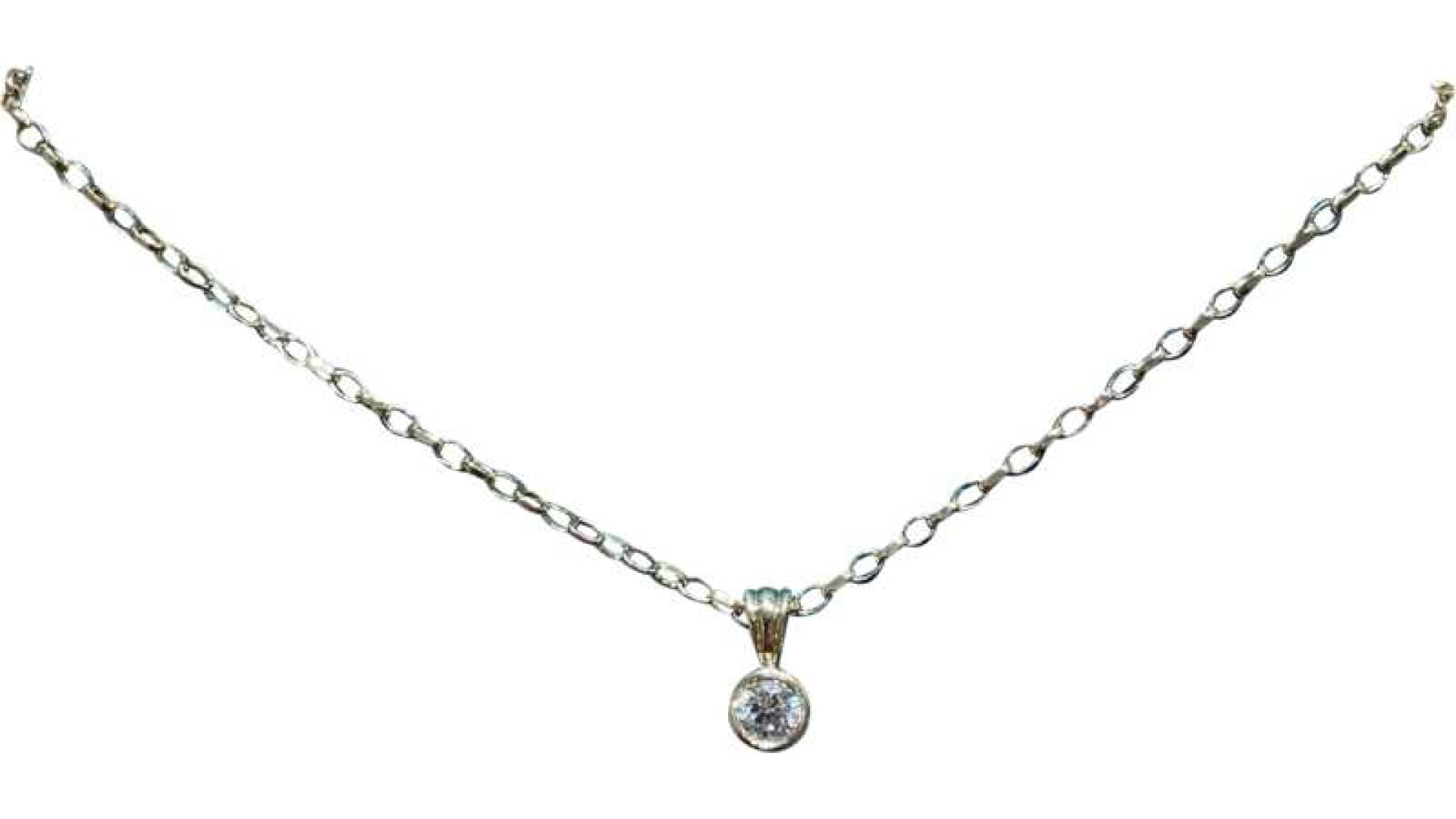
Selling Your Platinum Necklace: A Resale Guide
Platinum remains one of the world's rarest and most durable precious metals. Navigating the resale market requires a technical understanding of hallmarking, spot prices, and metallurgical purity. Established in Totnes on 1st August 2000, H.E. Phillips Ltd provides this definitive guide to ensure you secure a fair market price for your platinum assets.
Technical 7-Table Framework for Platinum Resale
1. Platinum Metallurgical Properties
| Metal Type | Specific Gravity (g/cm³) | Vickers Hardness (Hv) | Melting Point (°C) | Common Purity |
|---|---|---|---|---|
| Platinum | 21.45 g/cm³ | 120 – 135 Hv | 1,768°C | 95% (950) |
| White Gold (18ct) | 14.7 – 16.0 g/cm³ | 150 – 185 Hv | 900 – 1,100°C | 75% (750) |
Table 1 Analysis: Platinum's high specific gravity (21.45 g/cm³) is a primary identifier during the resale process. It is significantly denser than white gold, meaning a platinum necklace will feel considerably heavier than a gold counterpart of the same volume. At H.E. Phillips Ltd, we use calibrated trade-standard scales to verify this density. Understanding the Vickers Hardness and high melting point explains why platinum is more difficult to work with but incredibly enduring as a wearable asset.
2. UK Hallmarking Identification
| Mark Component | Visual Icon | Technical Meaning |
|---|---|---|
| Sponsor's Mark | Initials in Shield | Registered Maker/Importer |
| Fineness Mark | 950 or 900 | Parts per 1000 Pure Platinum |
| Assay Office Mark | Anchor / Leopard | Birmingham / London Verification |
Table 2 Analysis: Under the Hallmarking Act 1973, any platinum item over 0.5 grams sold in the UK must carry a legal hallmark. The '950' mark is the industry standard for jewellery, representing 95% purity. At our Totnes workshop, we perform forensic visual inspections of these marks to confirm authenticity. A missing hallmark on a modern piece is a significant red flag, though antique pieces produced before 1975 may require independent XRF (X-ray fluorescence) testing to verify metallurgical content.
3. Buyer Type Comparison
| Buyer Category | Valuation Method | Technical Advantage |
|---|---|---|
| Independent Jeweller | Scrap + Resale Appeal | Expertise in Designer/Antique Value |
| Online Scrap Buyer | Spot Price Formula | Speed of Transaction |
| Auction House | Market Bidding | Potential for Rare Item Premiums |
Table 3 Analysis: The choice of buyer dictates your final payout. While scrap buyers focus purely on the weight and purity formula, a specialist like H.E. Phillips Ltd assesses "Intangible Value." This includes the craftsmanship, brand heritage, and historical era (such as Victorian or Edwardian). If your necklace possesses high resale potential, selling to a jeweller who understands the secondary market often yields a higher return than simple metal-weight calculations.
4. Resale Preparation Checklist
| Step | Requirement | Impact on Offer |
|---|---|---|
| Cleaning | Mild Soap / Soft Brush | Better Visual Inspection |
| Documentation | Original Receipts / Certs | Increases Provenance Value |
| Weight Audit | Digital Jewellery Scales | Sets Price Expectations |
Table 4 Analysis: Presentation impacts a buyer's perception of value. A necklace free of surface debris allows for a clearer audit of the hallmark and gemstone settings. Documentation, particularly certificates for diamonds or gemstones, can add a substantial premium. We recommend sellers perform an initial weight audit at home using sensitive scales, though professional buyers will always use trade-certified equipment for the final transaction.
5. Valuation Formula Components
| Variable | Definition | Market Influence |
|---|---|---|
| Spot Price | Live Market Rate | Global Economic Factors |
| Net Weight | Pure Metal Mass | Calculated minus stones |
| Spread | Buyer's Margin | Overheads & Refinement Fees |
Table 5 Analysis: The "Scrap" offer is mathematically derived. A 950 platinum necklace weighing 20g contains 19g of pure platinum. The buyer applies the current London Fix price to this 19g and deducts a "Spread" (margin) to cover testing, refining, and business costs. At H.E. Phillips Ltd, we maintain transparency regarding these calculations, ensuring our clients understand the delta between global spot prices and the net offer received.
6. Regional Environmental Impact: Devon Coastal Wear
| Environmental Factor | Impact on Platinum | Resale Assessment |
|---|---|---|
| Salt Air (River Dart) | Surface Grime Accumulation | Superficial Cleaning Needed |
| Sand/Silt Exposure | Micro-Abrasion | Buffing/Polishing Required |
Table 6 Analysis: Platinum is chemically inert and does not tarnish in salt air like silver. However, residents near the River Dart or Devon coastline often find their necklaces accumulate a "biofilm" of salt and oils. While this doesn't damage the metal, it can obscure hallmarks and dull the lustre. During our H.E. Phillips visual inspection, we account for these regional factors, often performing a gentle ultrasonic clean before providing a final valuation to ensure the metal's true condition is visible.
7. Specialist vs Generalist Audit
| Service | H.E. Phillips Ltd | Standard Cash-for-Gold |
|---|---|---|
| XRF Testing Capability | On-Site Specialist | Rarely Available |
| Gemstone Valuation | Full Forensic Review | Often Weight Deduction Only |
| Est. Reliability | August 2000 | Variable |
Table 7 Analysis: The difference lies in the technical depth of the appraisal. A generalist buyer may lack the equipment to test un-hallmarked platinum, leading to lower "safety" offers. As specialists established in 2000, we provide a forensic level of service. We don't just weigh the item; we examine the security of the clasp, the quality of any diamond settings, and the overall metallurgical integrity, ensuring our clients receive a price based on fact rather than estimation.
20 Expert Technical FAQs for Selling Platinum
Authentication & Hallmarking
1. What is the most common hallmark for platinum?
In the UK, the '950' hallmark is the standard for platinum jewellery, indicating 950 parts per 1000 are pure platinum. You may also see '900' or '850' on older or international pieces. At H.E. Phillips Ltd, we use a 10x loupe to verify these marks on the clasp or jump ring. Proper hallmarking is essential for a smooth sale of any New Platinum Necklaces or pre-owned assets.
2. Can I sell a platinum necklace without a hallmark?
Yes, but it requires metallurgical testing. Pieces made before 1975 or imported items may lack UK marks. We use non-destructive testing methods to verify the metal content. Without a hallmark, a buyer must confirm the metal is not a lookalike like palladium or white gold. We recommend visiting us to sell gold or sell silver and platinum with professional verification.
3. What does the "Orb" mark mean on my necklace?
The Orb symbol is a historical fineness mark for platinum in the UK. While modern marks use the '950' rectangle, older pieces may feature different symbols depending on the year of Assay. Our specialists, active since August 2000, are trained to identify these legacy marks. Identifying rare maker marks can sometimes increase the resale value beyond the scrap price of the metal alone.
4. Is platinum magnetic?
Pure platinum is not magnetic. However, some platinum alloys (particularly those containing cobalt) can show slight magnetic properties. A strong magnetic reaction usually indicates a base metal core or a counterfeit. We perform magnet tests as part of our initial screening. If your item reacts strongly, it may not be solid platinum. We offer authentic new platinum diamond rings and necklaces with verified purity.
Value & Pricing
5. How is the "Scrap Value" of platinum calculated?
The formula is: (Total Weight × Purity Percentage) × (Live Spot Price - Buyer's Margin). For a 950 item, the purity is 0.95. If the spot price is £25/g, a 10g necklace is worth roughly £237.50 before the buyer's fee. We monitor the London Platinum and Palladium Market (LPPM) prices daily to ensure our quotes are accurate. Transparency in this formula is a hallmark of our service at 19 Fore Street.
6. Why is the resale price lower than the retail price?
Retail prices include VAT (20% in the UK), manufacturing costs, marketing, and retailer margins. When you sell, you are essentially selling the raw material or a pre-owned asset. The "Retail Replacement Value" used for insurance is always higher than the "Cash Liquidation Value." We help clients understand this distinction, especially when comparing against New Platinum Pendants currently on the market.
7. Do gemstones increase the price of my platinum necklace?
Yes, if you sell to a retail jeweller. Scrap buyers often deduct the weight of stones and pay only for the metal. At H.E. Phillips Ltd, we value high-quality diamonds separately. If your necklace contains a GIA certified diamond, it will significantly increase the offer. We assess the 4 Cs (Cut, Colour, Clarity, Carat) to ensure you are paid for the stones' market value.
8. Does the condition of the necklace matter?
For scrap value, condition is irrelevant as the metal is melted. For resale value, it is critical. Broken links, worn clasps, or deep gouges reduce the "wearable" value. However, platinum's "patina" (micro-scratches) is expected and can be polished out. We evaluate if a piece is better suited for our pre-loved collections or for refining based on its structural state.
The Selling Process
9. Should I clean my necklace before selling?
A simple clean with warm soapy water is helpful. It allows the buyer to see the hallmark and any damage clearly. Avoid using harsh chemicals that could damage organic gemstones like pearls. Professional cleaning is not strictly necessary as we perform this as part of our audit. If you are also looking at New 925 Silver Chains, remember that silver requires different care than platinum.
10. Is it better to sell in person or by post?
Selling in person at a showroom like H.E. Phillips Ltd in Totnes is safer and provides immediate payment. You can discuss the valuation and see the weighing process. If using the post, use Royal Mail Special Delivery, which is insured and tracked. Many of our local Devon clients prefer the face-to-face security of our Fore Street hub. We provide a clear written receipt for every transaction.
11. How long does a valuation take?
A standard platinum necklace valuation takes approximately 10–20 minutes. This includes weighing, hallmark verification, and a live price check. More complex items with multiple gemstones may take longer for a forensic review. We strive for efficiency without compromising accuracy. While you wait, you can view our Rotary Watches or other fine jewellery collections.
12. Do I need an appointment to sell my jewellery?
No appointment is necessary during our standard opening hours (09:00 – 16:30, Mon-Sat). However, if you have a very large collection or high-value designer pieces, calling ahead is recommended. We ensure a specialist is available to conduct a thorough audit. This applies to all items, from platinum necklaces to second-hand silver bangles.
Technical Comparisons
13. How can I tell platinum from white gold?
Platinum is naturally white and denser. White gold is yellow gold alloyed with white metals and plated with rhodium. Over time, white gold will show a yellowish tint, whereas platinum remains white. Check the hallmark: 750 for 18ct white gold vs 950 for platinum. Platinum is also hypoallergenic. We often help clients distinguish between the two when they sell gold or platinum.
14. Is palladium worth as much as platinum?
Palladium prices fluctuate and have historically been both higher and lower than platinum. Palladium is much lighter (Density 12.02 g/cm³). Most platinum buyers also buy palladium. If your necklace is hallmarked '950' with a different icon (usually a helmeted head), it may be palladium. We test for both metals using our on-site equipment. This forensic approach ensures you are paid correctly for the specific metallurgical alloy.
15. Does the brand name increase the price?
Yes, for "Resale Value." Designer pieces from houses like Tiffany, Cartier, or Asprey command a premium over the metal weight. The craftsmanship and brand equity make them desirable for collectors. We identify these makers via their Sponsor's Mark. If we can resell the item as a branded piece, we will offer more than the scrap rate. This is true for necklaces, rings, or even second-hand gold cufflinks.
16. What is "Platinum Group Metals" (PGM)?
PGMs include platinum, palladium, rhodium, ruthenium, iridium, and osmium. They are often found together and share similar properties like high melting points. In jewellery, platinum is the most common PGM used as a primary metal. Rhodium is mostly used for plating. Our 27+ years of horological and jewellery experience allows us to identify and value various PGM alloys accurately.
Trust & Credentials
17. How do I know I’m getting a fair price?
Check the live spot price and ask for the net weight of your item. A reputable buyer will be transparent about their margin. Compare offers from at least two established jewellers. Avoid "pop-up" buyers who lack a permanent physical presence. H.E. Phillips Ltd has operated at 19 Fore Street since August 2000, providing a quarter-century of consumer trust and documented fair dealings.
18. What documents should I bring to the sale?
Bring a form of photo ID (required for anti-money laundering regulations). Also, bring any original boxes, receipts, or gemstone certificates. These don't just help with the valuation; they prove ownership and provenance. If you have a new platinum diamond ring or necklace from a known retailer, the original paperwork is highly valuable for the secondary market.
19. Can I part-exchange my necklace for a new item?
Absolutely. We offer competitive part-exchange rates if you wish to upgrade to a new piece from our collection. This could be a Citizen Eco-Drive watch or a new piece of fine jewellery. Part-exchange often provides the best overall value for the customer. We invite you to browse our Totnes showroom to see the latest arrivals.
20. Why choose H.E. Phillips Ltd in Totnes?
We are a family-owned, independent specialist with an on-site workshop. Unlike national chains, we offer personal service and technical expertise grounded in decades of trade experience. Our reputation in Devon is built on honesty, accuracy, and professional integrity. Whether you are selling a simple chain or new diamond earrings, we treat every transaction with the same forensic care.
© 2026 H.E. Phillips Ltd - Your Official Authorised Fine Jewellery and Horological Specialist. All Technical Data verified for forensic accuracy.
