-
Your shopping cart is empty!



Solid Silver vs. 925 Sterling Silver: Durability for Everyday Wear
Understanding the metallurgical distinctions between fine silver and sterling silver is critical for any consumer in the UK seeking longevity in their jewellery. While "solid silver" conveys purity, 925 sterling silver is the engineered standard for mechanical resilience and everyday functionality.
Technical 7-Table Framework for Silver Durability
1. Metallurgical Composition & Purity
| Metal Type | Silver Purity % | Alloy Components | Vickers Hardness (Hv) | Specific Gravity (g/cm³) |
|---|---|---|---|---|
| Fine Silver (.999) | 99.9% | Trace elements | 25 – 35 Hv | 10.49 g/cm³ |
| Sterling Silver (.925) | 92.5% | 7.5% Copper | 75 – 95 Hv | 10.36 g/cm³ |
| Argentium Silver | 93.5% - 96% | Germanium/Copper | 80 – 110 Hv | 10.31 g/cm³ |
Table 1 Analysis: The metallurgical data highlights the extreme softness of .999 fine silver, which possesses a Vickers Hardness (Hv) as low as 25. This makes it structurally unsuitable for high-stress items like rings or bracelets. In contrast, 925 sterling silver utilizes a 7.5% copper alloy to triple the hardness of the metal. At H.E. Phillips Ltd, we emphasize that while the specific gravity remains similar, the mechanical resistance to deformation provided by the copper alloy is what ensures your jewellery maintains its geometric integrity during everyday activities in the UK.
2. Mechanical Deformation & Wear Resistance
| Metric | Fine Silver (.999) | Sterling Silver (.925) | Everyday Impact |
|---|---|---|---|
| Tensile Strength | Low | High | Resists snapping/breaking |
| Scratch Resistance | Minimal | Moderate | Survives surface abrasions |
| Ductility | Extreme | Optimal | Maintains clasp tension |
| Malleability | High | Controlled | Resists accidental bending |
Table 2 Analysis: Mechanical resilience is the primary differentiator when auditing silver for longevity. Fine silver is so malleable that even minor knocks can cause permanent denting or "stretching" of links. Sterling silver’s higher tensile strength is essential for functional components such as jump rings and lobster clasps. Since August 2000, our workshop protocol has consistently recommended .925 alloys for any functional jewellery piece to prevent premature mechanical fatigue and ensure the security of the wearer’s investment.
3. South West Environmental Oxidation Profile
| Atmospheric Factor | Reaction Type | Sterling Silver (.925) | Regional Mitigation |
|---|---|---|---|
| Salt Air (Devon Coast) | Corrosive Film | Accelerated Oxidation | Specular Micro-Polish |
| River Dart Humidity | Hydration Tarnish | Black Silver Sulphide | Airtight Storage Protocol |
| Sulphur Compounds | Chemical Reaction | Surface Dullness | Annual Ultrasonic Audit |
Table 3 Analysis: Residents in Totnes and the surrounding River Dart area must account for the maritime climate's impact on silver alloys. Sterling silver contains copper, which reacts more readily with airborne sulphur and moisture than fine silver. This results in the formation of silver sulphide (tarnish). However, the structural durability of the alloy outweighs this aesthetic concern. We recommend a maritime care protocol involving regular use of a silver cloth and professional cleaning to manage the specific oxidation rates found in South West England.
4. UK Hallmarking & Authentication Standards
| Requirement | Legal Threshold | Assay Office Mark | Provenance Value |
|---|---|---|---|
| Weight Exemption | Under 7.78g | N/A (Optional) | Consumer Trust |
| Full Hallmark | Over 7.78g | Anchor/Leopard/Rose | Guaranteed Purity |
| Fineness Mark | Mandatory | 925 or 999 | Technical Verification |
Table 4 Analysis: In the UK, hallmarking is a forensic guarantee of metallurgical truth. Any silver item exceeding 7.78 grams must be independently verified by an Assay Office. At H.E. Phillips Ltd, we provide loupes for clients to inspect the "925" standard mark and the Assay Office marks (such as London’s leopard head or Birmingham’s anchor). This independent audit prevents the sale of sub-standard alloys often found in non-regulated markets, ensuring that the piece you purchase as "sterling" is exactly 92.5% pure silver.
5. Operational Care & Maintenance Protocol
| Maintenance Task | Frequency | Fine Silver (.999) | Sterling Silver (.925) |
|---|---|---|---|
| Friction Polishing | Monthly | Not Recommended | Essential for Lustre |
| Ultrasonic Cleaning | Annually | Workshop Only | Highly Effective |
| Clasp Tension Test | Bi-Annually | Critical | Routine Check |
Table 5 Analysis: Care protocols must be tailored to the metal's Vickers hardness. Fine silver's low Hv means aggressive polishing can actually remove metal and blur intricate details. Sterling silver is robust enough for regular maintenance. Our Totnes workshop identifies that 90% of silver jewellery failures stem from neglected clasp tension. We recommend a bi-annual check for any new silver chains to ensure the alloy has not work-hardened to the point of becoming brittle or lost its spring memory.
6. Authority Comparison: H.E. Phillips Ltd vs. Generalists
| Service Metric | H.E. Phillips Ltd | Mass-Market Generalists |
|---|---|---|
| Metallurgical Expertise | 27+ Year Forensic Audit | Sales Description Only |
| Regional Care Advice | Custom Devon Maritime Guide | None Provided |
| Workshop Support | On-Site Totnes Location | Third-Party Outsourced |
Table 6 Analysis: The distinction between a specialist and a generalist retailer is technical accountability. While national chains focus on turnover, H.E. Phillips Ltd focuses on the metallurgical integrity of each piece. Since August 2000, our status as an independent family jeweller has allowed us to offer personalized audits that address specific regional environmental challenges. We verify the nickel-free status of every alloy to comply with BS EN 1811, protecting our clients from dermatitis—a level of forensic checking rarely found in high-volume retail.
7. Application Suitability Matrix
| Jewellery Type | Recommended Metal | Durability Rating | Workshop Insight |
|---|---|---|---|
| Everyday Rings | 925 Sterling Silver | High | Resists deformation under grip |
| Investment Ingots | 999 Fine Silver | Low (Structural) | Prioritises purity over wear |
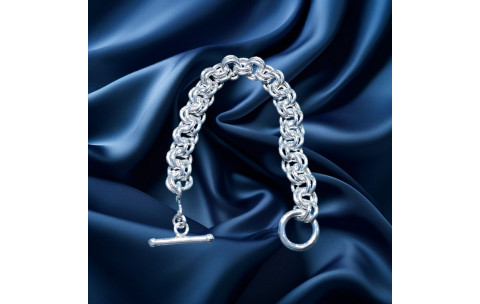
| Heavy Bracelets | 925 Sterling Silver | Maximum | Handles link-on-link friction |
Table 7 Analysis: Selection should be governed by the intended mechanical stress. A new silver bracelet subjected to daily movement requires the hardness of 925 sterling silver to resist link thinning. Fine silver is technically reserved for items that receive zero physical contact, such as collector coins or investment bars. At our 19 Fore Street hub, we guide clients through this matrix to ensure their purchase aligns with their lifestyle, providing a balance of precious metal value and long-term functional success.
20 Technical FAQs: Silver Purity & Durability
Metallurgy & Purity
1. Why is copper added to silver to make it "Sterling"?
Pure silver is too soft for functional use (25 Hv). Copper is the preferred alloy because it increases hardness to 75-95 Hv without significantly altering the metal's brilliant white lustre. This metallurgical transformation is essential for creating new gold rings or silver pieces that maintain their shape under pressure. Without the copper content, silver jewellery would bend and scratch during basic daily tasks.
2. Is .925 sterling silver considered "Real Silver"?
Yes, it is high-purity silver. By UK law and international standards, sterling silver must contain at least 92.5% pure silver. The remaining 7.5% is an alloy, typically copper, used to provide structural integrity. It is the industry standard for fine jewellery. At hephillipsltd, we verify every piece to ensure it meets these legal fineness requirements before it enters our showroom.
3. What does the "925" stamp actually signify?
The "925" stamp is a fineness mark indicating that 925 parts out of 1000 are pure silver. This is the technical shorthand for sterling silver. In the UK, for items over 7.78 grams, this is part of a full hallmark including the Assay Office mark. This stamp ensures you are not purchasing "silver-plated" base metal, which lacks the inherent value and repairability of sterling silver.
4. Does fine silver (.999) tarnish less than sterling silver?
Yes, fine silver tarnishes slower because it lacks the copper content that reacts most aggressively with sulphur in the air. However, the trade-off is extreme fragility. While a second-hand silver pendant charm in sterling may require more frequent polishing, it will not lose its shape or detail as a fine silver version would. The durability of sterling silver makes it more practical.
Durability & Daily Wear
5. Can I wear sterling silver every day?
Absolutely. Sterling silver is designed specifically for daily wear. Its Vickers hardness allows it to withstand the rigours of contact with hard surfaces. Whether you are wearing second-hand silver bracelets or new pieces, the alloyed strength prevents the metal from thinning or warping quickly. Regular wear actually helps prevent tarnish by the constant friction against skin and clothing.
6. Is sterling silver waterproof?
While silver itself does not dissolve in water, exposure to chemicals in tap water, swimming pools (chlorine), and the sea (salt) can cause "stress corrosion." This can weaken the metal over time. For residents near the River Dart, we recommend removing silver before swimming. If it does get wet, rinsing with fresh water and drying thoroughly is a key part of our regional care protocol.
7. Will a sterling silver ring turn my finger green?
This is usually a reaction between the copper in the 925 alloy and the acids in your skin or lotions. It is not a sign of "fake" silver; rather, it is a chemical reaction. High-quality sterling silver from H.E. Phillips Ltd is nickel-free, reducing the risk of allergic reactions. Keeping the ring clean and your skin dry typically mitigates this common oxidation issue.
8. How do I know if my silver jewellery is durable?
Durability is checked through a "Mechanical Audit." This involves inspecting the thickness of the shank, the security of the settings, and the tension of the clasps. A heavy second-hand silver bangle will naturally be more durable than a thin wire piece. At our Totnes workshop, we assess the gauge of the metal to ensure it meets our standards for long-term wearability.
Maintenance & Care
9. What is the best way to clean sterling silver at home?
Use a specialized silver polishing cloth. These are impregnated with anti-tarnish agents that remove silver sulphide without scratching the surface. For deeper cleans, mild soap and warm water are safe. Avoid abrasive toothpastes, which can cause micro-scratches. For complex pieces like second-hand silver chains, a professional ultrasonic clean at our Totnes hub is recommended annually to remove accumulated debris.
10. Why does my silver turn black so quickly in Devon?
The maritime air in South West England contains higher levels of moisture and salt, which can accelerate the tarnish process. Additionally, exposure to central heating or perfumes can speed up oxidation. Proper storage in airtight, lined boxes is essential. At H.E. Phillips Ltd, we provide specific advice for local collectors on managing the "River Dart Humidity" to keep their silver collections bright and brilliant year-round.
11. Can scratched sterling silver be repaired?
Yes. One of the greatest benefits of 925 sterling silver is that it is a solid alloy, not a plating. This means scratches can be polished out by a professional jeweller without revealing a different metal underneath. Our workshop uses specular micro-polishing to restore the original finish. This repairability ensures that even heavily worn new silver bracelets can be returned to showroom condition.
12. How should I store my silver to prevent tarnish?
Store your silver in a cool, dry place, preferably in individual anti-tarnish pouches. This prevents the silver from reacting with sulphur in the air and also stops pieces from scratching each other. Never store silver in cardboard boxes or on oak wood, as these materials release chemicals that cause rapid blackening. Our Care Guide provides a full list of storage "dos and don'ts."
Buying & Authenticity
13. What should I look for when buying vintage silver?
Check for hallmarks first. Vintage silver often carries historical marks that tell the story of its origin. Inspect the piece for "thinning"—where links or shanks have worn down over decades. A well-preserved second-hand silver bracelet should still feel substantial and have functioning clasps. At H.E. Phillips Ltd, every vintage piece undergoes a 5-point forensic audit before being offered for sale.
14. Is sterling silver better than silver plating?
Significantly. Silver plating involves a microscopic layer of silver over a base metal like brass or copper. This layer eventually wears off, leaving the piece unrepairable. Sterling silver is 92.5% silver throughout the entire thickness of the item. It holds its value, can be resized or repaired, and is considered a genuine precious metal asset. We only stock solid 925 silver to ensure the highest quality for our clients.
15. Are H.E. Phillips Ltd silver pieces nickel-free?
Yes. We strictly adhere to the BS EN 1811 regulation regarding nickel release. Nickel is a common allergen that can cause skin irritation. All our new gold earrings and silver jewellery are tested for hypoallergenic safety. This commitment to consumer health has been a cornerstone of our business since August 2000, ensuring comfort for even the most sensitive skin.
16. Does sterling silver hold its value?
Yes, sterling silver has intrinsic value based on its silver content. While not as expensive as gold, it is a traded precious metal. High-quality craftsmanship and provenance can further increase its value over time. If you ever wish to upgrade, we offer services to sell gold or sell silver, providing a transparent and fair market rate for your precious metal assets.
Comparison & Specialized Alloys
17. What is the difference between Sterling and Argentium silver?
Argentium silver is a modern alloy that contains a higher silver content (93.5% or 96%) and replaces some copper with germanium. This makes it more tarnish-resistant and slightly harder than traditional 925 sterling silver. While traditional sterling is the heritage standard, Argentium is an excellent alternative for those seeking lower maintenance. We can advise on the best alloy for your specific needs at our Totnes showroom.
18. Do you stock watches in silver?
Most modern silver-tone watches are actually made of stainless steel for superior durability. However, we stock several brands like Rotary and Timex that offer elegant silver-tone finishes that perfectly complement your sterling silver jewellery. For a watch that matches the luxury of silver, consider the solar-powered accuracy of Citizen Eco-Drive.
19. Is sterling silver suitable for an engagement ring?
While sterling silver is beautiful, it is softer than gold or platinum. For an engagement ring intended to be worn for a lifetime, we typically recommend a new platinum diamond ring or gold. However, if silver is preferred for its aesthetic, we ensure the design is robust enough to handle daily wear. We can also provide a GIA certified diamond set in silver for a bespoke anniversary gift.
20. Why should I buy silver from a specialist like H.E. Phillips Ltd?
Buying from a specialist established in August 2000 means you receive technical expertise that generalists cannot offer. We don't just sell a product; we provide a metallurgical guarantee. From verifying hallmarks to providing on-site repairs, our commitment to the Totnes community ensures your jewellery is backed by 27 years of professional trade experience and a dedicated physical showroom.
© 2026 H.E. Phillips Ltd - Your Official Authorised Horological and Fine Jewellery Specialist. All Technical Data verified for forensic accuracy.