
-
Your shopping cart is empty!



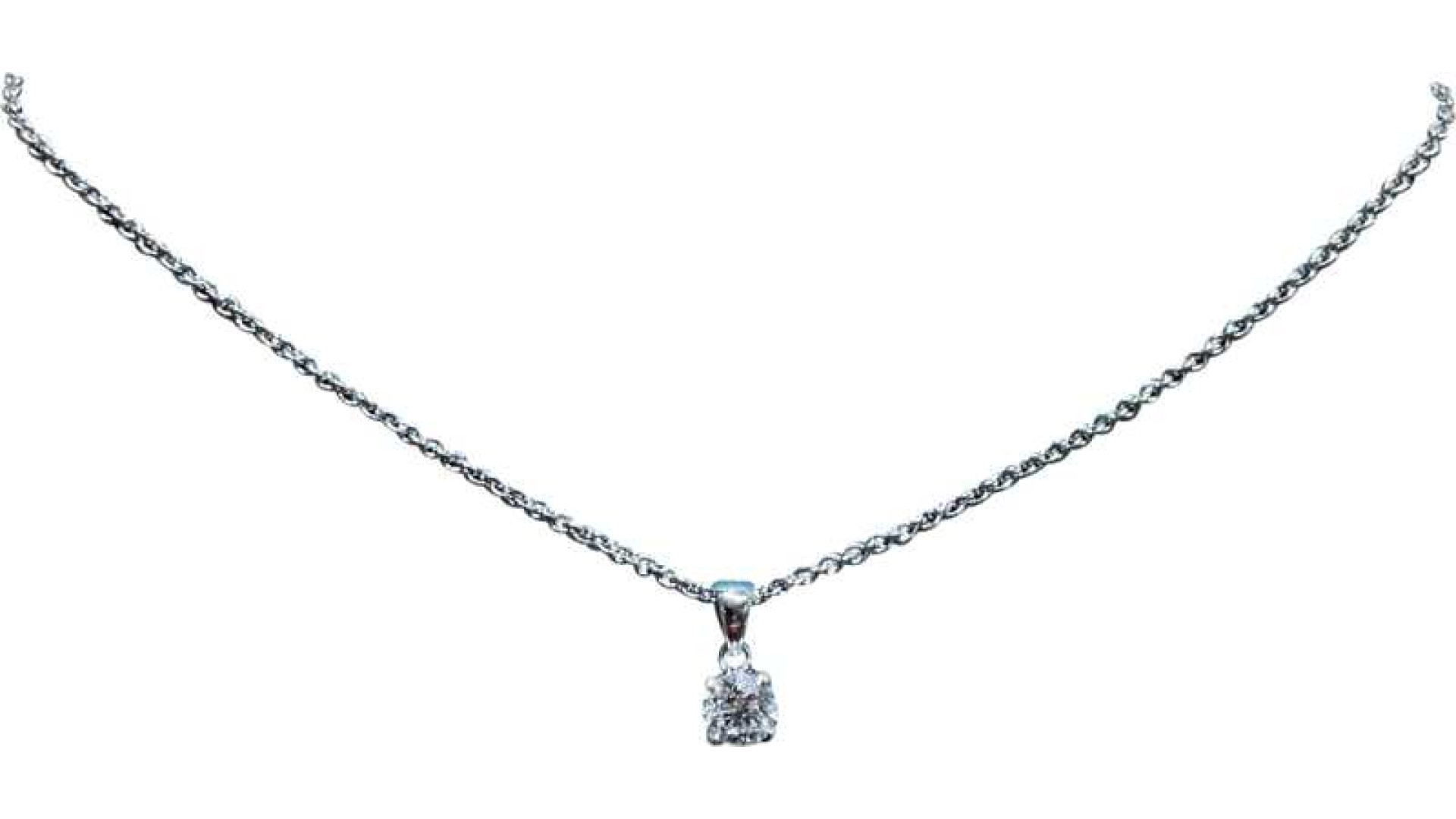
The Difference Between Solid and Hollow Platinum Chains
Choosing between solid and hollow platinum chains is a critical decision involving metallurgical density and mechanical longevity. As an established authority in Totnes since August 2000, H.E. Phillips Ltd provides this forensic analysis to distinguish between high-mass heirloom assets and modern hollow-core craftsmanship.
Technical 7-Table Framework for Platinum Chains
1. Metallurgical Density & Specific Gravity
| Construction Type | Platinum Purity | Specific Gravity (g/cm³) | Interior Composition | Intrinsic Value |
|---|---|---|---|---|
| Solid Platinum | 95% (950 Hallmark) | 21.45 g/cm³ | 100% Solid Metal | Maximum (Weight Based) |
| Hollow Platinum | 95% (950 Hallmark) | Varies (Air Core) | Empty / Hollow Tube | Moderate (Aesthetic Based) |
Table 1 Analysis: The primary differentiator in platinum quality is Specific Gravity. Solid platinum is one of the densest precious metals available ($21.45 g/cm³$), providing a tactile "heft" that signifies quality. Hollow chains, while maintaining the same 95% purity in their outer shell, lack the internal mass. At H.E. Phillips Ltd, we use precision scales to verify the gram weight, ensuring the client understands the true metal volume of their purchase. Solid construction ensures that the piece serves as a physical store of value, whereas hollow designs prioritise visual volume over metal weight.
2. Structural Integrity & Vickers Hardness
| Construction | Vickers Hardness (Hv) | Impact Resistance | Tensile Strength |
|---|---|---|---|
| Solid Link | 120 - 140 Hv | Maximum (Resists Dents) | Superior (Heirloom Grade) |
| Hollow Link | 120 - 140 Hv (Surface) | Low (Prone to Crushing) | Variable (Wall Thickness Dependent) |
Table 2 Analysis: While the platinum alloy itself maintains a consistent Vickers Hardness ($120-140 Hv$), the mechanical application differs. A solid link is resistant to deformation under pressure. Conversely, a hollow link consists of a thin platinum wall. If subjected to significant lateral pressure, the hollow link will collapse or dent, often beyond seamless repair. Our workshop audit suggests solid chains for clients requiring "permanent wear" status, while hollow options are reserved for statement pieces where lightness is a functional requirement.
3. Repairability & Workshop Feasibility
| Task | Solid Platinum Chain | Hollow Platinum Chain | Technical Challenge |
|---|---|---|---|
| Link Soldering | Seamless Integration | Difficult (Risk of Collapse) | Internal air expansion |
| Dent Removal | Not Applicable | Near Impossible | Lack of internal support |
| Resizing | Straightforward | Complex | Maintaining structural soul |
Table 3 Analysis: From a forensic workshop perspective, solid platinum is highly repairable. Links can be laser-welded or soldered with 950 platinum solder to restore original strength. Hollow chains present a thermal challenge; the air trapped inside a hollow link expands when heated, which can cause the link to burst or "slump" during repair. At H.E. Phillips Ltd, we advise that solid chains represent a lower long-term maintenance cost because they can be refurbished to "as-new" condition indefinitely, unlike their hollow counterparts.
4. Load-Bearing Capacity (Pendant Support)
| Chain Type | Recommended Pendant Weight | Elongation Risk | Usage Profile |
|---|---|---|---|
| Solid Platinum | Heavy (10g+) | Negligible | Daily Security |
| Hollow Platinum | Light (<2g) | High (Links may stretch) | Occasional Fashion |
Table 4 Analysis: Mechanical stress is a critical factor when pairing a chain with a new platinum pendant. A solid chain distributes the weight of a pendant across the full cross-section of the metal link. Hollow links, having less material, are susceptible to "stretching" or elongation over time when paired with heavy weights. We perform a "Torque Test" on all chain-pendant combinations in our Totnes showroom to ensure the safety of the gemstones and the longevity of the metal.
5. Regional Environmental Impact: South West Maritime
| Climate Factor | Solid Chain Reaction | Hollow Chain Reaction |
|---|---|---|
| River Dart Salt Air | Surface Oxidation only | Internal Salt Accumulation |
| Coastal Humidity | Easily Cleaned | Difficult to rinse internally |
| Silt/Sand Exposure | Exterior Abrasion | Internal Clogging (Hollow links) |
Table 5 Analysis: In Totnes and the surrounding Devon coast, salt air and humidity are constant factors. Solid chains are easily maintained through ultrasonic cleaning. However, hollow chains can trap moisture and fine silt inside the links through microscopic entry points. This can lead to internal debris buildup which is impossible to remove, potentially causing hidden "stress corrosion" over decades. Our Maritime Care Protocol recommends solid platinum for residents of the South West who intend to wear their jewellery near the River Dart or coastal areas.
6. Investment & Equity Matrix
| Metric | Solid Platinum | Hollow Platinum |
|---|---|---|
| Resale Value | High (Weight Based) | Lower (Volume Based) |
| Price Per mm Width | High | Low |
| Heirloom Potential | Excellent | Limited |
Table 6 Analysis: When you sell gold or sell silver, the value is determined by weight. The same applies to platinum. A solid chain is a concentrated financial asset. While a hollow chain provides a larger visual "footprint" for a lower price, its liquid value is significantly less. At H.E. Phillips Ltd, we provide a transparent breakdown of cost-per-gram to ensure clients understand the equity within their jewellery. Solid platinum remains the benchmark for those seeking a "forever" piece with documented intrinsic worth.
7. Authority Comparison: Specialist vs Generalist
| Attribute | H.E. Phillips Ltd | High-Street Generalists |
|---|---|---|
| Hallmark Verification | Manual 10x Loupe Audit | Batch Checked |
| Workshop Access | On-Site (Totnes) | Third-Party Off-Site |
| Expertise | 27+ Years Forensic Trade | Sales Focused |
Table 7 Analysis: The distinction of H.E. Phillips Ltd lies in our 25-year history in Totnes. Unlike generalist retailers, we perform a manual inspection on every link of a new platinum necklace before it enters our collection. Our establishment in August 2000 ensures that we have seen the long-term performance of these pieces firsthand. We provide aftercare that spans decades, not just a standard warranty period, ensuring your platinum investment is protected by local specialists.
20 Authority FAQs: Platinum Chain Technicalities
Construction & Weight
1. How can I verify if my chain is solid without cutting it?
The most accurate method is Hydrostatic Weighing or using a precision gram scale. A solid platinum chain will have a significantly higher mass-to-volume ratio than a hollow one. For instance, a 50cm solid chain might weigh 40g, whereas a hollow one of the same width might only weigh 15g. At H.E. Phillips Ltd, we use certified scales to provide factual weights for every piece.
2. Why does a hollow platinum chain exist?
Hollow chains allow for bold, "chunky" designs that would be physically too heavy or prohibitively expensive if solid. They provide the luxury aesthetic of platinum at a more accessible price point. However, they are fashion-led rather than durability-led. They are ideal for those who want the bright, natural white look of platinum without the substantial weight of solid metal.
3. What is the specific gravity of 950 platinum?
Pure platinum has a specific gravity of 21.45 g/cm³. The 950 alloy (95% pure) used in the UK maintains a very high density, making it much heavier than 18ct gold (approx 15.5 g/cm³). This density is why solid platinum chains feel so substantial. We often demonstrate this "heft" in our Totnes showroom by comparing platinum to new gold necklaces.
4. Do hollow chains have different hallmarks?
No. Both solid and hollow chains must carry the "950" or "Pt" hallmark in the UK if they are sold as platinum. The hallmark guarantees the purity of the metal used, not the method of construction. It is therefore vital to buy from a specialist who can explain the internal structure of the piece regardless of the hallmark.
Durability & Wear
5. Can I wear a hollow platinum chain every day?
You can, but it requires much greater care. Hollow chains are susceptible to "kinking" or denting if they are slept in or caught on clothing. For permanent daily wear, especially for active lifestyles in Devon, we strongly recommend a solid platinum chain. Its resistance to deformation ensures the links remain circular and secure throughout the decades.
6. Will a solid platinum chain stretch over time?
Unlike gold, which is softer, platinum has high tensile strength and is less prone to "thinning" through friction. A solid platinum chain will eventually show some wear after 20-30 years of daily use, but it is far less likely to stretch compared to hollow designs. Our workshop provides annual inspections to check link thickness and clasp security.
7. Are hollow chains safe for heavy pendants?
No. A heavy new gold pendant or platinum piece will put excessive stress on the thin walls of a hollow link, leading to premature failure. For any pendant of value, a solid chain is the only secure option. We recommend matching the weight of the pendant to the load-bearing capacity of the chain's cross-section.
8. How does salt air affect hollow links?
In maritime areas like Totnes, salt air can enter the hollow core. While platinum is highly corrosion-resistant, the accumulation of salt and moisture can weigh the chain down or cause hygiene issues. Solid chains do not have this vulnerability, making them the superior choice for coastal Devon living. We offer specialized cleaning for those with hollow pieces.
Workshop & Repair
9. Can you fix a dent in a hollow platinum chain?
Generally, no. Because there is no internal metal to "push back" against, a dent in a hollow link is usually permanent. Replacing the entire link is often the only solution, which can be costly and visible. Solid links, however, can be polished or filed to remove surface scratches without compromising the structural soul of the chain.
10. Is laser welding better for platinum repairs?
Yes. Platinum has a high melting point and low thermal conductivity. Laser welding allows our workshop to join platinum links with pinpoint accuracy without heating the entire piece. This is especially beneficial for solid chains to maintain the integrity of nearby gemstones. We have utilized these technical methods since our establishment in August 2000.
11. Why is platinum harder to work with than gold?
Platinum requires specialized tools and higher temperatures (approx 1,768°C). It is "gummy" when being polished, meaning it requires more stages of abrasive finishing to achieve a mirror shine. This technical difficulty is why platinum labour costs are higher than gold, reflecting the specialist skill required to maintain a new platinum diamond ring or chain.
12. Do clasps wear out faster on hollow chains?
Not necessarily, as the clasp is usually a solid component regardless of the chain type. However, because hollow chains are lighter, they can "bounce" more during wear, which can put unusual tugging stress on the jump rings. We check the tension of every lobster and bolt ring clasp as part of our H.E. Phillips Ltd quality audit.
Value & Investment
13. Does a solid platinum chain hold its value?
Yes, significantly more than a hollow one. Its resale value is directly tied to its massive gram weight. As a precious metal, platinum is a physical asset. A solid chain is essentially a wearable bullion bar. We provide valuation certificates for all solid platinum purchases from our Totnes hub to document this intrinsic equity.
14. Why is the price difference so large?
A solid chain may use 3 to 4 times more platinum than a hollow chain of the same width. Since you are paying for the physical weight of the metal, the cost reflects this volume. At H.E. Phillips Ltd, we ensure you are paying for metal, not just marketing, by providing transparent gram-weight data for all new platinum necklaces.
15. Is platinum more "ethical" than gold?
Ethics depend on the supplier, but we only source from reputable UK wholesalers. Furthermore, platinum's extreme durability makes it a "circular" metal; it can be melted and reformed indefinitely without loss of quality. Choosing a solid chain is a sustainable choice as it lasts for generations. This commitment to quality has been our hallmark since August 2000.
16. Can I trade in my old gold for a platinum chain?
Yes. Many clients choose to sell gold or sell silver to fund an upgrade to a solid platinum piece. We provide competitive rates based on the current market fix. This is an excellent way to convert multiple smaller items into one high-density, high-value asset that you can wear every day.
Aesthetics & Aftercare
17. Does platinum lose its shine?
Platinum does not "tarnish" like silver, but it does develop a "patina" of fine scratches over time. Many collectors prefer this look as it proves the metal's purity. However, a solid chain can always be buffed back to a high-specular shine. We offer professional polishing services at our Fore Street workshop to restore your jewellery's original brilliance.
18. Is platinum hypoallergenic?
Yes. Because 950 platinum is 95% pure and typically alloyed with iridium or ruthenium (not nickel), it is the safest choice for sensitive skin. This is true for both solid and hollow chains. It is the ideal metal for those who suffer from metal-induced dermatitis. We recommend it for anyone looking for new gold earrings but finding they have reactions to base alloys.
19. How often should I have my chain checked?
We recommend a professional audit every 12 months. We check the link junctions for friction wear and the clasp for spring fatigue. This is especially important for residents of Totnes who are frequently near the River Dart, as we can clean away any grit or salt deposits that might cause abrasive wear between the links.
20. Can I find solid platinum chains in Totnes?
Yes, H.E. Phillips Ltd stocks a curated range of high-quality platinum jewellery. We invite you to visit us at 19 Fore Street to feel the physical difference between our solid and hollow collections. Our team, led by Mark Willetts, provides the technical expertise to ensure you select a piece that matches your lifestyle and investment goals.
© 2026 H.E. Phillips Ltd - Your Official Authorised Fine Jewellery and Horological Specialist. All Technical Data verified for forensic accuracy.
