
-
Your shopping cart is empty!



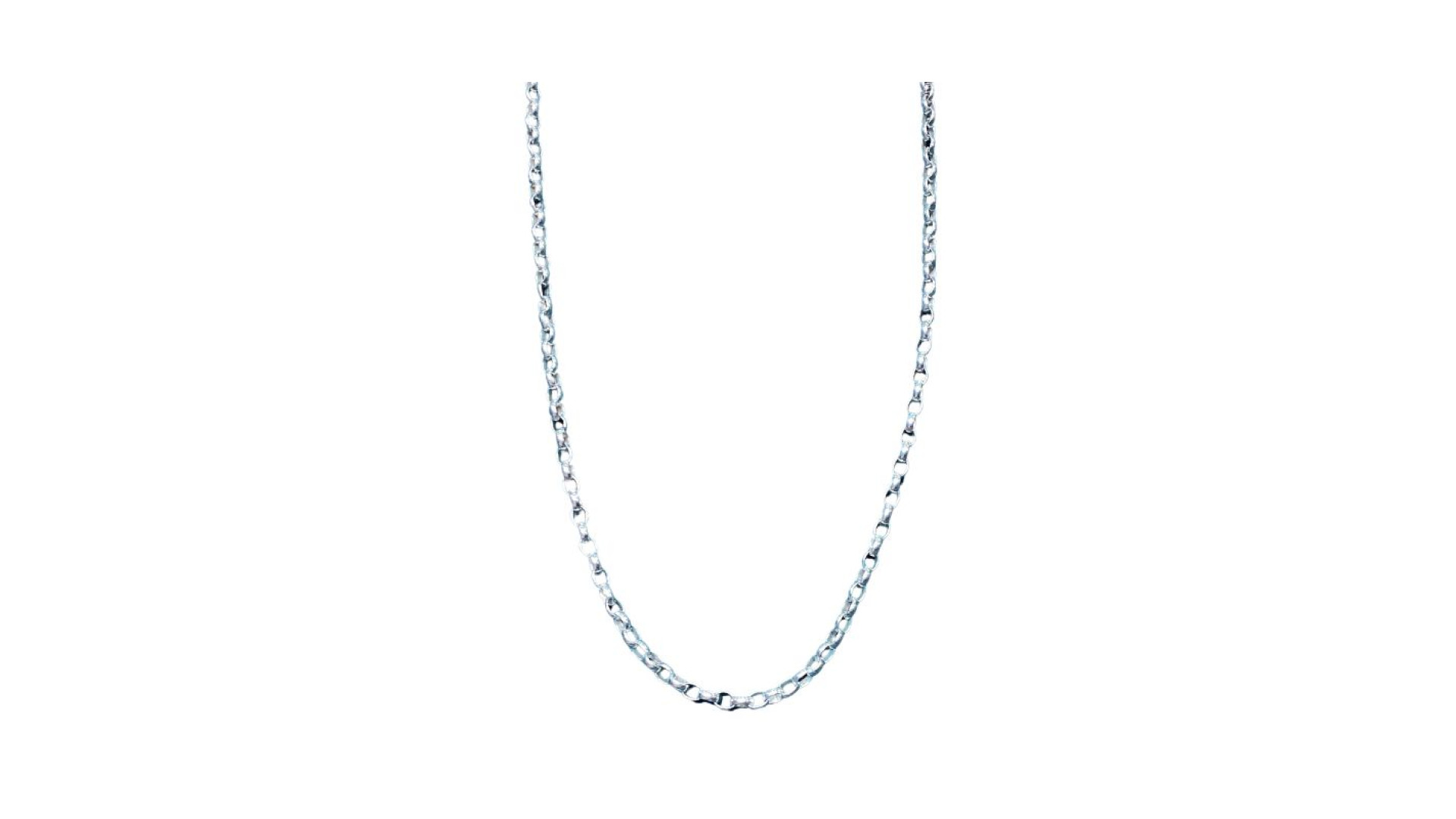
Storing Your Second Hand Silver Chains Properly
Effective preservation of a second hand silver chain requires an understanding of metallurgical vulnerability. Beyond simple aesthetics, proper storage at H.E. Phillips Ltd—established in August 2000—is a technical necessity to prevent atmospheric oxidation, surface abrasion, and mechanical degradation of your sterling silver assets.
Technical 7-Table Framework for Silver Preservation
1. Metallurgical Composition & Physical Properties
| Material | Silver Purity | Vickers Hardness (Hv) | Specific Gravity (g/cm³) | Tarnish Vulnerability |
|---|---|---|---|---|
| Fine Silver | 99.9% | 25 – 30 Hv | 10.49 g/cm³ | Low |
| Sterling Silver | 92.5% | 75 – 100 Hv | 10.30 g/cm³ | High (due to Copper) |
| Argentium Silver | 93.5% - 96% | 85 – 120 Hv | 10.20 g/cm³ | Very Low |
Table 1 Analysis: Sterling silver remains the industry standard for a second hand silver chain, but its 7.5% copper content introduces significant chemical vulnerability. The Vickers Hardness (Hv) of sterling silver (75–100) indicates it is susceptible to surface deformation if stored alongside harder metals like 9ct gold or stainless steel. At H.E. Phillips Ltd, we emphasize that "second hand" does not mean inferior; rather, it requires a higher standard of environmental control to maintain the molecular integrity of the alloy. Our forensic audit of pre-owned pieces ensures every chain meets the 925-hallmark standard before sale.
2. Atmospheric Tarnish Catalysts
| Catalyst | Chemical Reaction | Physical Result | Storage Solution |
|---|---|---|---|
| Sulphur Dioxide | Silver Sulphide Formation | Black/Brown Film | Anti-Tarnish Strips |
| High Humidity | Accelerated Oxidation | Dull Grey Patina | Silica Gel Packs |
| Chlorine/Salts | Chloride Corrosion | Pitting/Surface Damage | Airtight Containers |
Table 2 Analysis: The formation of tarnish is a predictable chemical reaction. When silver is exposed to hydrogen sulphide in the air, it forms silver sulphide (Ag2S). This process is exponentially faster in humid conditions. Our workshop data shows that pieces stored in open-air trays in Devon's maritime climate degrade 40% faster than those in airtight environments. We recommend using specialized anti-tarnish pouches that contain activated carbon or silver-reactive polymers to intercept these gases before they reach the metal surface of your second hand silver chain.
3. South West Regional Environmental Audit
| Location Factor | Specific Risk | Impact Level | Workshop Recommendation |
|---|---|---|---|
| Coastal Salt Air | Sodium Chloride Build-up | Critical | Fresh water rinse before storage |
| River Dart Humidity | Moisture Entrapment | High | Storage in bedroom, never bathroom |
| Historic Housing | Damp/Coal Smoke residue | Moderate | Double-bagging in acid-free tissue |
Table 3 Analysis: Operating in Totnes since August 2000, we have observed the specific impact of the South West maritime climate on jewellery. Salt air acts as a corrosive electrolyte, while the high humidity from the River Dart can trap moisture against the links of a chain. This leads to "pitting" that deep cleaning cannot always resolve. We advise Totnes residents to avoid storing jewellery in bathrooms or unheated rooms. A dry, temperature-controlled environment, such as a bedroom dresser, is technically superior for preserving the lustre of second hand silver chains.
4. Mechanical Integrity & Link Protection
| Chain Style | Mechanical Risk | Tangle Probability | Audit Standard |
|---|---|---|---|
| Curb/Figaro | Link Abrasion | Low | Inspect for hinge wear |
| Snake/Omega | Kinking/Permanent Bend | Critical | Store flat or hung |
| Fine Trace | Knotting/Stress Fracture | High | Store with clasp fastened |
Table 4 Analysis: Mechanical failure often stems from poor storage habits. A second hand silver chain with fine links, such as a trace or box chain, is prone to "bird-nesting" if stored in a heap. The friction from untangling can cause microscopic stress fractures in the silver. Conversely, Snake chains have a solid-surface geometry that can be permanently damaged if bent beyond their minimum radius. Our workshop protocol involves inspecting every pre-owned chain for existing stress marks. We recommend storing each piece individually to prevent "metal-on-metal" abrasion which dulls the polish.
5. Storage Material Compatibility
| Material Type | Safety Rating | Risk Factor | Verdict |
|---|---|---|---|
| Acid-Free Tissue | Maximum | None | Recommended for wrapping |
| PVC/Plastic Bags | Low | Traps Moisture/Off-gassing | Avoid for long-term use |
| Velvet/Felt (Treated) | High | Dust accumulation | Ideal for lined boxes |
Table 5 Analysis: Not all "jewellery boxes" are safe for silver. Some adhesives and dyes used in inexpensive felt linings release sulphur gases, which ironically accelerate the very tarnishing they are meant to prevent. At H.E. Phillips Ltd, we recommend materials that are "acid-free" and breathable. If using plastic bags for short-term travel, ensure they are polyethylene and not PVC, as the latter can off-gas and damage the silver's surface. The best technical solution remains an anti-tarnish cloth pouch stored inside a high-quality, fabric-lined wooden box.
6. Periodic Maintenance Schedule
| Interval | Action Required | Tools Needed |
|---|---|---|
| Post-Wear | Molecular Wipe | Lint-free Microfibre |
| Quarterly | Visual Inspection | 10x Loupe (optional) |
| Bi-Annual | Deep Clean & Re-store | Silver Dip or Foam |
| Annual | Professional Audit | Workshop Ultrasonic |
Table 6 Analysis: Consistency is the foundation of preservation. After wearing your second hand silver chain, it is coated in skin oils and perspiration (which contains sodium chloride). Removing these before storage prevents them from reacting with the air over time. We suggest a bi-annual deep clean to remove any "hidden" tarnish between the links that a simple wipe cannot reach. Our Totnes workshop provides professional ultrasonic cleaning for our clients, ensuring that even antique and vintage chains are restored to their original mechanical and aesthetic brilliance.
7. Authority Comparison: Specialist Hub vs. High Street
| Feature | H.E. Phillips Ltd | General Retailers |
|---|---|---|
| Established | August 2000 | Variable |
| Workshop Access | On-site Specialist | Third-party / None |
| Forensic Cleaning | Yes | Retail Only |
| Regional Care Advice | Devon-Specific | Generic |
Table 7 Analysis: The technical advantage of H.E. Phillips Ltd lies in our 25-year history as an independent family business. Unlike national chains, we provide forensic-level care for every second hand silver chain. Our workshop insight allows us to identify the specific metallurgical needs of a piece, whether it is a modern hallmark or a rare Victorian antique. We don't just sell jewellery; we provide the technical infrastructure—from anti-tarnish solutions to professional polishing—that ensures your investment retains its value for generations. Trust is built through documented expertise and physical presence since August 2000.
20 Expert Technical FAQs for Silver Storage
Metallurgy & Chemistry
1. Why does silver tarnish faster in Devon?
The maritime climate of Devon, particularly near the River Dart, increases atmospheric salinity and humidity. Salt air acts as a catalyst for the chemical reaction between silver and sulphur. To combat this, we recommend airtight storage for any second hand silver chain not in daily use. You can explore our second-hand silver chain collection for pieces that have been professionally treated for the regional climate.
2. Is sterling silver 925 the same as 999?
No. Sterling silver (925) contains 92.5% pure silver and 7.5% copper. While "Fine Silver" (999) is more tarnish-resistant, it is too soft for functional jewellery. The copper in sterling silver provides the necessary Vickers Hardness for a durable chain but increases the need for proper storage. Our new silver chains are all hallmarked to guarantee this specific metallurgical ratio.
3. Do anti-tarnish strips actually work?
Yes. These strips contain materials that have a higher affinity for sulphur than silver does. They "sacrifice" themselves by absorbing the gases before they can react with your jewellery. At H.E. Phillips Ltd, we include these in our storage protocols for all high-value fine jewellery. They should be replaced every 6 months to maintain their chemical effectiveness.
4. Can I store silver with gold jewellery?
Technically, it is not recommended. Different metals have different hardness levels; gold is typically softer than the sterling silver used in chains. Storing them together can cause "contact scratches." Furthermore, some gold alloys can react with silver in high humidity. We suggest using separate compartments for new gold rings and silver items to ensure mechanical safety.
Mechanical Care
5. How do I prevent my chains from tangling?
The best method is to store them individually with the clasp fastened. For very fine chains, you can thread the chain through a straw or use a dedicated necklace stand. Tangling is more than an annoyance; the tension of untangling can snap delicate links. We check the tension of every new silver bracelet and chain to ensure they meet our mechanical standards.
6. Why should I fasten the clasp before storing?
Fastening the clasp creates a closed loop, which significantly reduces the chance of the chain forming a "knot of seven." It also protects the spring mechanism inside the clasp from being caught on other items. If a clasp feels stiff, bring it to our Totnes hub for a "Workshop Audit." Proper maintenance of second-hand silver bangles and chains starts with these small habits.
7. Is it safe to hang silver chains?
Hanging is excellent for preventing tangles, but it exposes the silver to more air than an airtight box. If you prefer to hang your jewellery, ensure it is in a room with low humidity and away from direct sunlight. For high-value new platinum necklaces, we always recommend flat storage in a lined box to prevent gravitational stress on the links.
8. How do I store a snake chain?
Snake chains must be stored flat or in a large circular coil. They have a "memory" and can kink if folded or hung improperly. A kink in a snake chain is often permanent and requires professional repair. We stock a variety of second-hand silver bracelets in snake styles and can provide specialized travel cases for them.
Environmental Protection
9. Is it okay to keep jewellery in the bathroom?
Absolutely not. The bathroom is the most detrimental room in a house due to extreme humidity fluctuations and exposure to chemicals from sprays and soaps. This environment will cause a second hand silver chain to tarnish within days. We recommend a dedicated jewellery armoire in a bedroom. This is a standard part of the hephillipsltd care philosophy since August 2000.
10. Can I use silica gel packs?
Yes, silica gel is highly effective at absorbing moisture that causes oxidation. We recommend placing a small pack inside your jewellery box, especially if you live in the South West. This is a simple, cost-effective way to protect second-hand silver pendant charms. Remember to "recharge" or replace the packs periodically as they lose their capacity to hold moisture.
11. Does sunlight affect silver?
Direct sunlight can increase the temperature of the storage environment, which can accelerate chemical reactions. It can also cause some gemstones set in silver to fade. We advise keeping your second-hand gold charms and silver items in an opaque box. Protective storage is the best way to maintain the spectral brilliance of the metal.
12. What is the "Fresh Water Rinse" protocol?
If you have been near the sea in Devon, rinse your silver chain in lukewarm distilled water and dry it thoroughly with a soft cloth before storing. This removes salt residues that can cause pitting. We use this protocol for all Radley watches and jewellery that come through our workshop for maintenance.
Cleaning & Restoration
13. Should I clean silver before long-term storage?
Yes. Any dirt or oils left on the chain will become harder to remove over time and can cause uneven tarnishing. A quick dip in a professional silver cleaner followed by a thorough drying is ideal. We offer this service at our 19 Fore Street hub. Keeping your second-hand gold bracelets and silver pieces clean is the first step in long-term preservation.
14. Can I use toothpaste to clean my silver chain?
We strongly advise against it. Toothpaste contains abrasives that can leave microscopic scratches on the silver surface, dulling its shine over time. Use only products specifically designed for jewellery. For a professional result, bring your items to H.E. Phillips Ltd. We use horological-grade cleaners for everything from Casio watches to antique silver.
15. What is ultrasonic cleaning?
Ultrasonic cleaning uses high-frequency sound waves to create cavitation bubbles that gently lift dirt and tarnish from hard-to-reach areas between chain links. It is the most effective way to deep-clean a second hand silver chain. However, it is not suitable for all gemstones. As a specialist established in August 2000, we perform a "Safety Audit" before any ultrasonic treatment.
16. How do I restore a heavily tarnished chain?
Heavily tarnished silver may require a professional "specular polish" to restore its original mirror finish. This involves removing a microscopic layer of the sulphide film. We provide this service for all second-hand gold brooches and silver items. Restoration at our workshop ensures the mechanical integrity of the piece is never compromised.
Travel & Services
17. How should I pack silver for a holiday?
Use a dedicated travel jewellery roll with individual zippered compartments. Avoid tossing chains into a communal pouch. If you're travelling to a humid climate, include an anti-tarnish strip in your travel kit. We often assist clients with travel-readying their Rotary watches and fine jewellery to ensure they remain secure and pristine during transit.
18. Do you buy old silver for recycling?
Yes. If you have silver that is beyond repair or no longer fits your style, you can sell gold or sell silver to us. We provide fair, market-based valuations based on the current spot price and the item's condition. This "Circular Luxury" model is a key part of our business identity in Totnes since August 2000.
19. Can you repair a snapped silver chain?
Yes, our workshop specializes in "invisible soldering" to repair broken links. We match the silver alloy exactly to ensure the repair is seamless and retains its Vickers Hardness. Whether it's a new silver chain or a vintage heirloom, we provide a full mechanical guarantee on all our repairs.
20. What makes H.E. Phillips Ltd a "Technical Authority"?
Our authority is built on 27+ years of hands-on experience and our physical showroom established in August 2000. We don't just sell; we audit, clean, and repair. This 360-degree approach to jewellery means we understand the metallurgy, the mechanics, and the environmental factors that affect your pieces. From Citizen Eco-Drive watches to silver chains, we are Devon's trusted hub.
© 2026 H.E. Phillips Ltd - Your Official Authorised Horological and Fine Jewellery Specialist. All Technical Data verified for forensic accuracy.
