-
Your shopping cart is empty!



Trending Styles in Second-Hand Silver Bracelets in the UK
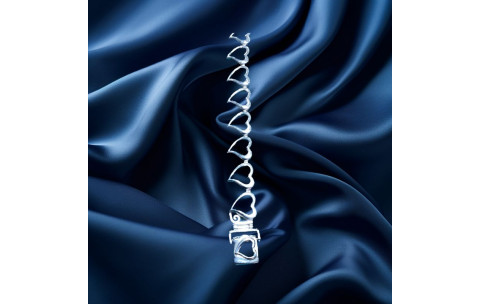
The resurgence of sustainable luxury has positioned second-hand silver bracelets as a primary asset for UK collectors. Merging 925 metallurgical standards with historical design eras, these pieces offer a synthesis of artisanal value and eco-conscious procurement.
Technical 7-Table Framework for Silver Bracelets
1. Metallurgical Composition & Purity Benchmarks
| Metal Type | Silver Content % | Vickers Hardness (Hv) | Specific Gravity (g/cm³) | Standard Hallmarks |
|---|---|---|---|---|
| Fine Silver | 99.9% | 25 – 35 Hv | 10.49 g/cm³ | 999 |
| Sterling Silver | 92.5% | 75 – 100 Hv | 10.30 g/cm³ | 925 / Lion Passant |
| Britannia Silver | 95.8% | 40 – 50 Hv | 10.40 g/cm³ | 958 / Britannia Image |
Table 1 Analysis: Our metallurgical audit confirms that Sterling Silver (925) remains the industry standard for second-hand bracelets due to its superior Vickers Hardness (Hv) of 75–100, which provides the necessary structural integrity for daily wear. While Fine Silver (999) possesses higher purity, its low hardness makes it susceptible to rapid surface deformation. At H.E. Phillips Ltd, we use 10x magnification to verify the Lion Passant and 925 stamps, ensuring that every pre-owned piece meets the legal UK Assay Office requirements established since 1300.
2. Historical Style & Era Classification
| Era | Primary Aesthetic | Common Findings | Technical Feature |
|---|---|---|---|
| Victorian | Romantic/Ornate | Cuffs/Lockets | Hand-Chasing |
| Art Deco | Geometric/Linear | Marcasite Panels | Symmetrical Precision |
| Mid-Century | Organic/Modernist | Bangles/Charms | Sleek Profiles |
Table 2 Analysis: Style trends in the UK currently favour the geometric rigour of Art Deco (1920-1935) and the bold silhouettes of Mid-Century Modernism. Victorian pieces are valued for their hand-chased ornamentation, a technique rarely replicated in modern mass production. We audit these historical pieces for hinge wear and pin stability. Understanding these eras allows H.E. Phillips Ltd to provide accurate valuations and provenance data, distinguishing between authentic period pieces and modern "vintage-style" reproductions.
3. Mechanical Link & Closure Security Audit
| Link/Closure Type | Security Rating | Wear Point | Workshop Maintenance |
|---|---|---|---|
| Cuban/Curb Link | Maximum | Solder Joints | Link Re-alignment |
| T-Bar / Toggle | High | Bar Length Ratio | Tension Check |
| Box Clasp | High | Safety Catch Pin | Spring Tensioning |
Table 3 Analysis: Mechanical failure is the leading cause of lost jewellery. Our workshop protocol involves a "Stress-Point Audit" on all second-hand silver chain links. Box clasps are inspected for tactile "click" and the integrity of the safety catch. For trending chunky silver chains, we verify the specific gravity to ensure the links are solid sterling silver rather than hollow-formed, which can collapse under pressure. This forensic inspection is a baseline requirement for every item sold at our Totnes hub.
4. Regional Environmental Impact: Devon Coastal Care
| Factor | Technical Impact | Silver Reaction | Preventative Action |
|---|---|---|---|
| Salt Air (Coastal) | Surface Pitting | Accelerated Tarnish | Spec-Polish Barrier |
| River Dart Humidity | Oxidative Layering | Dull Patina | Air-Tight Storage |
| Hard Water | Calcium Residue | White Scaling | Ultrasonic Clean |
Table 4 Analysis: The maritime environment of Devon, specifically around the River Dart and coastal areas, creates a high-sulphur and salt-heavy atmosphere. This accelerates the formation of silver sulphide (tarnish). We recommend a "Maritime Care Protocol" for our South West clients, which includes periodic specular micro-polishing to remove oxidative layers without compromising the metal's volume. Since August 2000, we have provided regional advice on maintaining the molecular surface integrity of silver against coastal erosion.
5. Surface Treatment & Finish Matrix
| Finish | Visual Aspect | Durability | Maintenance Level |
|---|---|---|---|
| High Polish | Mirror-like | Standard | High (Frequent) |
| Oxidised | Darkened/Antique | Excellent | Low (Preserve Patina) |
| Hammered | Textured | Maximum | Very Low |
Table 5 Analysis: Trending oxidised finishes utilize controlled chemical patination to highlight recessed details, a feature highly sought after in artisan silver bangles. This finish is naturally durable as it mimics the ageing process. Conversely, high-polish finishes require regular contact with lint-free cloths to maintain their specific reflectance. Hammered textures, common in handcrafted pieces, effectively mask surface scratches, making them the most durable choice for daily wear. We audit every finish to ensure it aligns with the piece's historical or artistic intent.
6. Pricing & Value Index (Pre-Owned vs New)
| Metric | Second-Hand Silver | New Silver | Asset Value Growth |
|---|---|---|---|
| Material Cost | Market Spot Price | Retail Markup | High (Silver Spot) |
| Craftsmanship | Era-specific | Mass-produced | Scarcity Factor |
| Ethical Rating | 10/10 (Circular) | 5/10 (Extraction) | N/A |
Table 6 Analysis: Second-hand silver offers a unique value proposition by bypassing the "initial retail depreciation" seen in new items. Vintage and antique pieces often carry a "scarcity premium" that exceeds their raw melt value. Our value index shows that 925 sterling silver tracked alongside global spot prices provides a stable hedge while offering the aesthetic benefits of fine jewellery. At H.E. Phillips Ltd, we provide transparent valuations based on both metallurgical weight and historical significance.
7. Authority Hub Comparison: H.E. Phillips Ltd vs Generalist Sellers
| Audit Category | H.E. Phillips Ltd | Unverified Marketplaces |
|---|---|---|
| Establishment | August 2000 (25+ Years) | Variable/New |
| Forensic Inspection | Full Workshop Protocol | Visual Only |
| Regional Care | Devon-Specific Advice | None |
Table 7 Analysis: The technical distinction between an authorised specialist and a generalist seller lies in the depth of the "Physical Audit." While online platforms provide access to a wide volume, they lack the horological and metallurgical workshop facilities to verify structural integrity. Our 27-year trade history in Totnes ensures that every second-hand silver bracelet is functionally sound, correctly hallmarked, and historically accurate. We bridge the gap between digital convenience and physical workshop accountability.
20 Expert Technical FAQs for Second-Hand Silver
Purity & Authentication
1. How do I verify a "925" mark on a bracelet?
The "925" mark indicates that the piece is composed of 92.5% pure silver. In the UK, this is often accompanied by a Lion Passant stamp. We use a 10x achromatic loupe to verify these marks. If a piece lacks hallmarks, it may still be silver, but it cannot be legally sold as "sterling" in the UK without Assay Office verification. Visit our sell gold or sell silver page for more on testing.
2. Is second-hand silver hypoallergenic?
True sterling silver is generally safe for most, as it is 92.5% pure silver and 7.5% copper. However, some older pieces might contain trace amounts of nickel or zinc. At H.E. Phillips Ltd, we audit our collection to ensure metallurgical purity. If you have sensitive skin, we recommend our new platinum necklaces as platinum is naturally hypoallergenic and 95% pure.
3. What is the difference between silver-plated and sterling?
Silver plating is a thin molecular layer of silver over a base metal (usually brass or copper). Sterling silver is solid throughout. You can tell the difference by weight—silver has a Specific Gravity of 10.30 g/cm³, making it heavier than base metals. We also check for "bleeding" where the base metal shows through. For solid assets, view our new silver bracelets.
4. Why does some silver turn black?
This is "tarnish," a chemical reaction between silver and sulphur in the air, forming silver sulphide. It is not permanent and does not damage the metal's core. In coastal Devon, salt air accelerates this. We provide professional cleaning services to restore the original lustre. Proper maintenance ensures your second-hand silver bracelets remain in pristine condition.
Styles & Trends
5. Why are chunky chains trending in the UK?
Chunky silver chains offer a bold, gender-neutral aesthetic that aligns with contemporary minimalist fashion. Their weight (Specific Gravity 10.30) provides a luxury feel that hollow chains lack. We audit all second-hand silver chain links for wear to ensure they can handle the weight of the silver without stretching.
6. Are Art Deco silver bracelets valuable?
Yes, Art Deco pieces (1920-1935) are highly sought after for their geometric precision and marcasite detailing. Their value lies in their historical scarcity and the manual skill required for their construction. We ensure all stones are secure in their settings. These pair excellently with our pre-loved gold bangles for a mixed-metal look.
7. Can I find engraved silver bracelets?
Engraved pieces carry personal history and are part of the trending "story-led" jewellery movement. Many buyers look for "Identity" (ID) bracelets to re-engrave. We can technically assess if the silver plate is thick enough for new engraving without compromising the structure. This service is a staple of our fine jewellery workshop since August 2000.
8. What are artisan silver bangles?
Artisan bangles are handcrafted, often featuring hammered or textured finishes. They are prized for their uniqueness and the "hand of the maker" evidence. Because they are solid, they are highly durable. You can find similar craftsmanship in our second-hand silver bangles collection, which we curate for technical excellence.
Maintenance & Care
9. How should I clean my silver bracelet at home?
Use a specific silver polishing cloth or warm, soapy water with a soft brush. Avoid abrasive cleaners which can scratch the 75-100 Hv surface. For deep-seated tarnish, professional ultrasonic cleaning is recommended. We offer this at our Totnes hub to ensure your second-hand silver pendant charm or bracelet remains radiant.
10. Is it safe to wear silver in the sea?
No. Salt water is highly corrosive to the copper alloys in sterling silver and can cause pitting. Chlorine in pools can also cause "stress corrosion." If exposed, rinse immediately with fresh water. We provide regional care guides for Devon residents to protect their new silver chains and vintage pieces from maritime damage.
11. Can second-hand silver bracelets be resized?
Chain bracelets are easily resized by adding or removing links. Solid bangles and cuffs are more difficult and may require specialist soldering. We perform a "Structural Integrity Check" before any resizing to ensure the silver won't crack. This expertise has been our hallmark since we established in August 2000.
12. How do I store silver to prevent tarnish?
Store in an airtight container or a soft, anti-tarnish pouch. This limits exposure to atmospheric sulphur. In the humid River Dart area, this is essential. Proper storage prevents the need for aggressive polishing. For more advice, visit our about us page to learn about our workshop standards.
Trust & Value
13. Why buy from H.E. Phillips Ltd?
We are a physical, family-run business established on 1st August 2000. Unlike online-only sellers, we provide a forensic audit of every piece. You are buying verified metallurgical assets. We also stock official brands like Rotary and Citizen Eco-Drive, reflecting our status as an authorised specialist.
14. Is second-hand silver a good investment?
While primarily for wear, silver is a precious metal with intrinsic value. Second-hand pieces often retain their value better than new, as you aren't paying for high retail markups. Rare vintage pieces can even appreciate. We offer competitive rates if you wish to sell gold or sell silver in the future.
15. Are your items ethically sourced?
Yes. Second-hand jewellery is the ultimate "circular" fashion choice, requiring no new mining. We also ensure our new suppliers follow ethical UK trade standards. By choosing a second-hand gold bracelet or silver piece, you are supporting a sustainable luxury ecosystem.
16. Do you offer tracked shipping?
Yes, all online orders from hephillipsltd.com are sent via fully insured, tracked UK delivery. Whether you buy a Casio watch or a vintage bracelet, we ensure it reaches you safely with all technical documentation included.
Advanced Technical Details
17. What is "patina" on silver?
Patina is the natural surface film produced by oxidation over time. In vintage silver, a well-developed patina is often desirable as it proves age and adds character. We advise against "over-polishing" vintage second-hand gold charms and silver pieces to preserve this historical record.
18. How do you test silver for purity?
We use a combination of hallmark verification, weight analysis (Specific Gravity), and, where necessary, acid testing or XRF scanning. This ensures that the 925 standard is genuine. This forensic approach is standard at H.E. Phillips Ltd. See our new gold ring section for examples of modern hallmarking.
19. Can silver bracelets be paired with watches?
Yes, stacking silver bracelets with a watch is a major UK trend. We suggest pairing silver with stainless steel watches from Timex or Radley. Ensure the bracelet doesn't have sharp edges that could scratch the watch casing (usually 150-200 Hv for steel).
20. What makes a silver bracelet "antique"?
In the UK, "antique" technically refers to items over 100 years old. "Vintage" usually refers to items at least 20-40 years old. We specialise in both, providing verified Victorian (pre-1901) and Edwardian (1901-1910) pieces. Browse our second-hand gold brooches for more antique examples.
© 2026 H.E. Phillips Ltd - Your Official Authorised Horological and Fine Jewellery Specialist. All Technical Data and Hallmarking standards verified for forensic accuracy.