
-
Your shopping cart is empty!



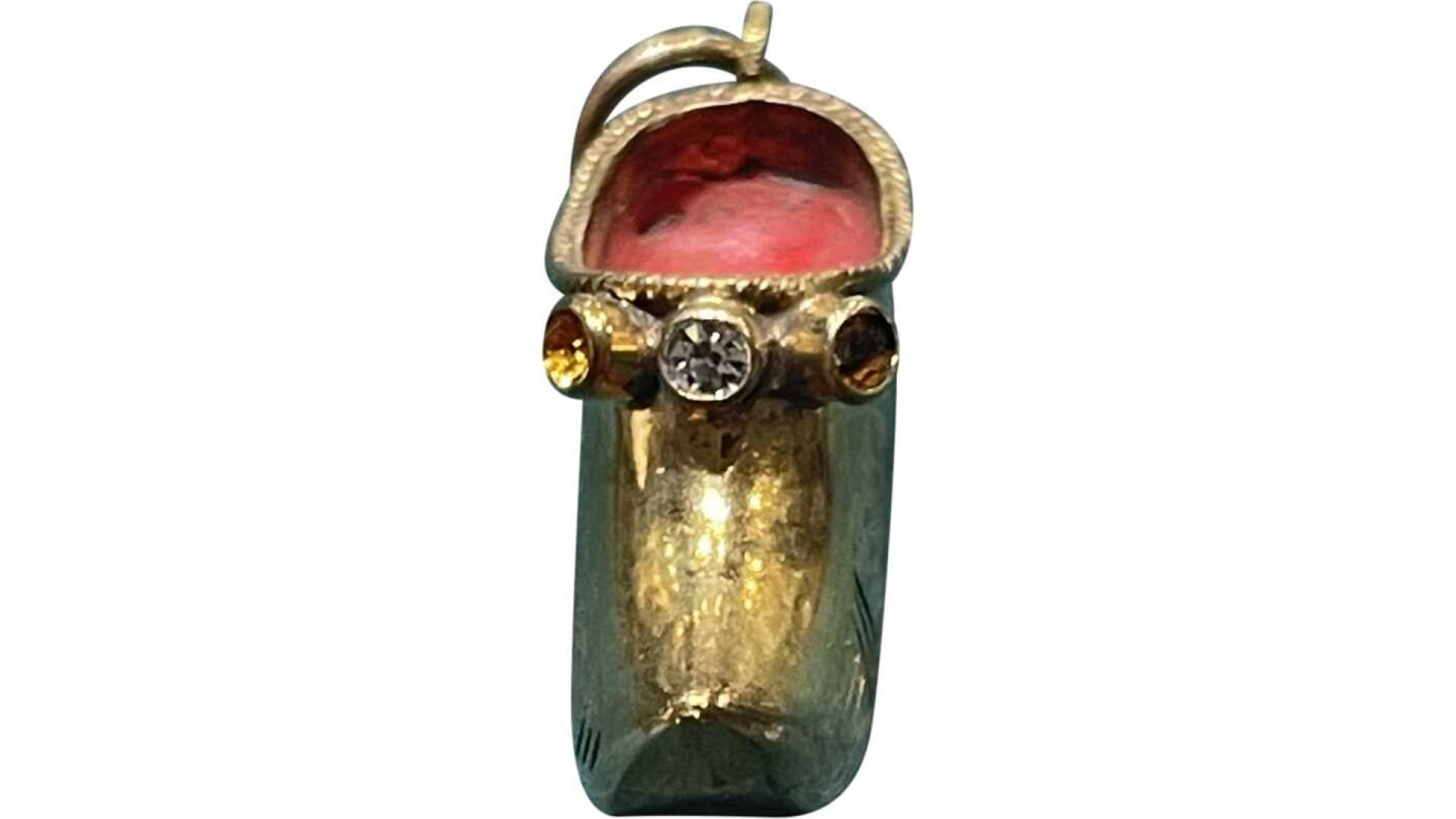
Trendy Second Hand Gold Charms for Everyday Wear
Integrating trendy second-hand gold charms into daily attire requires a forensic understanding of metallurgical durability and historical provenance. As an established physical showroom in Totnes since August 2000, H.E. Phillips Ltd provides technical oversight to the acquisition of pre-owned assets, ensuring every piece of fine jewellery Devon offers meets rigorous hallmarking and structural standards.
Technical 7-Table Framework for Charm Acquisition
1. Metallurgical Composition & Wear Analysis
| Gold Purity | Gold Content % | Vickers Hardness (Hv) | Specific Gravity (g/cm³) | Daily Wear Profile |
|---|---|---|---|---|
| 9ct Gold | 37.5% | 120 – 150 Hv | 11.2 – 11.5 g/cm³ | Optimum Hardness for Movement |
| 14ct Gold | 58.5% | 130 – 160 Hv | 13.1 – 13.6 g/cm³ | High Mechanical Resilience |
| 18ct Gold | 75.0% | 150 – 185 Hv | 15.2 – 15.9 g/cm³ | Superior Lustre/Lower Wear Tolerance |
Table 1 Analysis: For second-hand gold charms intended for everyday wear, Vickers Hardness (Hv) is the primary technical metric. While 18ct gold possesses a higher Specific Gravity and richer hue, its metallurgical softness makes it more susceptible to surface deformation. Conversely, 9ct gold offers a robust alloy structure ideal for charms that experience frequent kinetic contact. At H.E. Phillips Ltd, we audit the alloy integrity of every pre-owned piece to ensure it can withstand the friction of daily use without compromising the delicate engravings or hallmark legibility.
2. Charm Mechanical Attachment Audit
| Component | Technical Check | Failure Risk | Workshop Solution |
|---|---|---|---|
| Jump Ring | Solder Integrity | Loss of Asset | Laser Weld Verification |
| Bail / Loop | Thickness Gauge | Thinning/Snapping | Metal Supplementation |
| Clasp (Bolt Ring) | Spring Tension | Mechanical Fatigue | Complete Component Swap |
Table 2 Analysis: Mechanical failure at the attachment point is the most common cause of loss for charms. Our workshop protocol involves a 10x magnification audit of all jump rings. We ensure that every second-hand gold charm is either securely soldered or features a jump ring with zero lateral gap. Since August 2000, we have mandated that pre-owned pieces undergo a "Tension Test" to verify that the bail can support the charm’s Specific Gravity during movement. This forensic approach protects the consumer's investment and ensures the longevity of the piece.
3. Historical & Trend Classification
| Era / Style | Technical Trait | Trend Relevance | Identification Marker |
|---|---|---|---|
| Victorian | Intricate Filigree | High (Heritage Style) | Specific Assay Marks |
| Art Deco | Geometric Precision | Modern Minimalist | High-Relief Stamping |
| Mid-Century | Hollow Construction | Lightweight Daily Use | Weight-to-Volume Ratio |
Table 3 Analysis: Categorising second-hand gold charms by era allows for a deeper understanding of their manufacturing techniques. Victorian charms often feature hand-applied details that mass-production cannot replicate, while Mid-Century pieces frequently utilised hollow-form technology to maximise visual impact without increasing mass. At our Totnes showroom, we identify these technical traits to help clients build a collection that is both trendy and historically significant. Understanding these eras ensures that the wearer is acquiring a unique fragment of jewellery history.
4. UK Hallmarking Standards (Legal Verification)
| Stamp Identification | Purity Level | Assay Office | Asset Protection |
|---|---|---|---|
| 375 | 9ct Gold | London / Birmingham | Legal Authenticity |
| 585 | 14ct Gold | Sheffield / Edinburgh | Verified Gold Purity |
| 750 | 18ct Gold | Regional UK Office | Financial Equity Guarantee |
Table 4 Analysis: Hallmarking is the immutable technical guarantee of a gold charm's value. Under UK law, any gold item exceeding 1 gram must be hallmarked. At H.E. Phillips Ltd, established August 2000, we forensicly inspect every second-hand piece for the Standard Mark and the Assay Office mark. These data points distinguish genuine gold assets from plated alternatives. By purchasing hallmarked pre-owned gold charms, collectors ensure that their everyday jewellery maintains its intrinsic trade-in value regardless of market fluctuations.
5. Environmental Impact: Devon Coastal Care
| Climate Factor | Effect on Gold Alloys | Prevention Protocol |
|---|---|---|
| Salt Air (Coastal) | Surface Dullness | Specular Micro-Polish |
| River Dart Humidity | Oxidation of Alloys | Airtight Storage |
| Chlorinated Water | Stress Corrosion | Removal Before Immersion |
Table 5 Analysis: The maritime environment of Devon, particularly near the River Dart, poses specific challenges to gold alloys. Salt air can accelerate the dulling of 9ct and 14ct gold due to the reaction of copper and silver alloys within the metal. We advise our South West clients to follow a "Maritime Care Protocol," which includes regular fresh-water rinsing and professional ultrasonic cleaning. This prevents the microscopic "pitting" of the gold surface, ensuring that your second-hand charms retain their high-lustre finish for decades of everyday wear.
6. Everyday Styling Matrix
| Placement | Technical Requirement | Style Benefit |
|---|---|---|
| Bracelet Link | Solder Security | Kinetic Movement |
| Necklace Chain | Smooth Edges | Comfort / No Catching |
| Hoop Earrings | Lightweight Grammage | Contemporary Trend |
Table 6 Analysis: Successful daily styling is grounded in the physics of wearability. Charms worn on bracelets require the highest mechanical security due to frequent impact, whereas charms on necklaces should be audited for smooth profiles to prevent snagging on textiles. Our Totnes specialists guide clients through this styling matrix, ensuring that the second-hand gold charms selected are proportionate to the base jewellery. This technical balance ensures comfort and prevents unnecessary stress on the chain links or earring posts.
7. Authority Comparison: Independent vs Generalist
| Service Metric | H.E. Phillips Ltd | General Online Sellers |
|---|---|---|
| Workshop Audit | Forensic Verification | Visual Only |
| Hallmark Guarantee | 100% Guaranteed | Variable |
| Repair Capability | On-site Since 2000 | None |
Table 7 Analysis: The technical distinction between a specialist independent like H.E. Phillips Ltd and a generalist seller lies in the "Forensic Audit." While digital platforms offer variety, they cannot provide a tactile assessment of a charm’s structural soul. Since August 2000, we have maintained an on-site workshop to rectify any mechanical deficiencies in pre-owned pieces before they reach the consumer. This ensures that every "trendy" second-hand charm is not just a fashion choice, but a robust metallurgical asset backed by 25 years of trade participation.
20 Technical Authority FAQs
Authentication & Purity
1. How can I be certain a second-hand charm is real gold?
Authenticity is verified through UK hallmarks. Look for the '375' (9ct), '585' (14ct), or '750' (18ct) stamps. At H.E. Phillips Ltd, we use a 10x forensic loupe to verify these marks on all second-hand gold charms. If no hallmark is present, we perform an acid or XRF test. Buying from a physical showroom established in August 2000 ensures you are receiving a legally verified asset rather than a plated imitation.
2. Is 9ct gold durable enough for everyday wear?
Yes. In fact, 9ct gold is often more resistant to scratches than 18ct gold because it contains a higher percentage of harder alloying metals like copper and silver. With a Vickers Hardness of 120-150 Hv, it is the technical standard for charms that encounter frequent movement. We recommend 9ct for second-hand gold bracelets where durability is paramount to prevent the loss of the charm over time.
3. What does "vintage" actually mean for gold charms?
Technically, "vintage" refers to items between 20 and 100 years old. These pieces often feature manufacturing techniques like hand-stamping or early casting that provide a unique character. We audit these pieces to ensure the "wear-and-tear" hasn't compromised the metal's structural integrity. Many of our clients find these pieces offer a better weight-to-value ratio than modern mass-produced jewellery. We verify the era of all fine jewellery in our collection.
4. Can I sell gold or silver charms back to a jeweller?
Absolutely. High-quality gold maintains intrinsic value. If you decide to upgrade your collection, you can sell gold or sell silver at our Totnes showroom. We provide valuations based on the current market price and the weight of the metal. This circular economy makes second-hand gold a sustainable and financially savvy choice for everyday wear, as the metal can always be recycled or repurposed.
Maintenance & Care
5. How do I clean my gold charms at home?
Use warm water and a mild, detergent-free soap with a soft-bristled brush. Gently clean the crevices of intricate designs. For professional maintenance, we recommend an annual ultrasonic clean at our workshop. This removes accumulated oils and Devon salt-air residues that a standard cloth cannot reach. Keeping your new gold necklaces and charms clean prevents the abrasive effect of dirt on the metal links.
6. Should I remove gold charms before showering?
Yes. Soap and shampoo can leave a dulling film on gold, and chlorinated water can lead to "stress corrosion" in the alloys. This is particularly important for charms with stones or delicate engravings. By removing your jewellery, you preserve the specular shine of the gold. If you forget, rinse the piece thoroughly with fresh water. We provide detailed care guides for all our new gold ring and charm purchases.
7. What is a "jump ring" and why does it matter?
The jump ring is the small circular wire that connects the charm to the bracelet or chain. It is the most common point of failure. We ensure all jump rings on our second-hand silver pendant charms and gold charms are either solid or laser-welded shut. A secure jump ring prevents the charm from snagging and pulling open, which is the primary cause of lost jewellery assets.
8. Can I wear gold charms while swimming in the sea?
We strongly advise against it. Saltwater is highly corrosive to the base metals in gold alloys and can cause the metal to become brittle. Furthermore, fingers and wrists shrink in cold water, significantly increasing the risk of loss. For our clients in Devon, we recommend a strict "no-sea" policy for all new gold earrings and charms to ensure the metallurgical soul of the piece remains intact.
Styling & Trends
9. How do I stack charms on a necklace?
The trend for "layering" involves placing multiple charms on a single chain or using chains of different lengths. Ensure the jump rings are large enough to slide freely. We recommend pairing second-hand charms with new gold pendants to create a textured, contemporary look. Use a sturdy chain like a 'Belcher' or 'Curb' link to support the combined weight of multiple gold assets without stretching the metal.
10. Are second-hand gold bangles good for charms?
Yes, but you must ensure the charms don't scratch the bangle surface. Many pre-loved gold bangles are designed with specific loops for attachments. If yours isn't, we can professionally add a safety chain or a charm loop. Stacking bangles with charms creates a rhythmic, kinetic style that has been a staple of UK fashion for decades. We audit all bangles for hinge security and metal fatigue.
11. Can I mix gold charms with silver jewellery?
Mixing metals is a significant modern trend. You can pair gold charms with new silver bracelets or new silver chains to achieve a "mixed-metal" aesthetic. The key is to ensure both metals are of high quality (e.g., 9ct gold and 925 sterling silver). This contrast highlights the unique tones of each metal and allows for a more versatile everyday wardrobe that coordinates with various watch styles.
12. Are alphabet charms still in style?
Initial and alphabet charms remain a top trend for their personalisation value. Second-hand versions often feature unique vintage fonts that are not found in modern stores. These pieces are highly sought after as gifts. We often pair these with Radley watches for a feminine, coordinated look. Personalised charms provide an emotional anchor to a jewellery collection, making them perfect for everyday wear.
Gifting & Value
13. Is a second-hand charm a good anniversary gift?
Yes, it is both sustainable and unique. A second-hand piece carries a history that new items lack. We verify the provenance and quality of all our gift options. Many clients choose a charm to represent a specific milestone. You can also look at new platinum necklaces if you want to mix the "old" with the "new" for a truly special anniversary presentation.
14. Why is hallmarked gold more expensive than unhallmarked?
A hallmark is a legal guarantee. It costs the jeweller time and money to have the item tested by an independent Assay Office. This process ensures the consumer is not being defrauded. At H.E. Phillips Ltd, we only sell hallmarked gold to protect our clients' financial equity. An unhallmarked piece has no verified resale value as gold. This is the foundation of our trust since August 2000 for all Rotary and jewellery sales.
15. Do you stock charms for men?
While less common, men often wear gold charms on heavy neck chains or as part of a second-hand gold cufflinks set. Symbols like anchors, St. Christophers, or heavy coins are popular. We ensure these masculine pieces are audited for the extra durability required for active daily use. We also provide heavy-duty Casio watches that complement a rugged gold jewellery style.
16. Can I return a second-hand charm if I change my mind?
We offer a standard exchange or refund period for items in their original, unworn condition. However, we encourage clients to visit our Totnes showroom to see the items in person first. This "Live Audit" allows you to feel the weight and check the mechanical function before purchase. Our reputation is built on 25 years of ensuring the customer finds the perfect piece for their new platinum pendants or gold collections.
Advanced Technicals
17. What is Specific Gravity in gold charms?
Specific Gravity (S.G.) is the ratio of the density of the gold to the density of water. 18ct gold has an S.G. of approximately 15.5, making it feel "heavier" than 9ct gold (S.G. 11.3). This "heft" is a hallmark of luxury. We use S.G. testing to help identify the gold content of unhallmarked vintage pieces. It is a vital data point for collectors of second-hand gold brooches and charms.
18. Do you sell GIA certified diamonds in charms?
While rare in small charms, some high-end vintage pieces feature diamonds. For larger stones, we always recommend a GIA certified diamond to ensure the stone's quality is independently verified. We forensicly inspect all pavé and grain-set stones in second-hand charms to ensure they are secure and genuine. This level of technical scrutiny is what sets H.E. Phillips Ltd apart from generalist retailers.
19. Can a second-hand charm be worn on a watch?
Yes, "watch charms" are a growing trend. They are usually attached to the strap or the spring bar. We can help you find a charm that complements a Citizen Eco-Drive or Timex watch. It is crucial to ensure the charm does not scratch the watch crystal or case. We provide technical advice on the safest placement to prevent mechanical interference with the watch movement.
20. What is the difference between Edwardian and Victorian gold?
Victorian gold (1837-1901) is often heavier and more ornate, whereas Edwardian gold (1901-1910) is lighter and more "lacy," frequently using platinum to achieve strength in delicate designs. Both are excellent for everyday wear if audited correctly. We carry a range of both eras in our new platinum diamond ring and vintage collections, providing a technical breakdown of their historical significance.
© 2026 H.E. Phillips Ltd - Your Official Authorised Horological and Fine Jewellery Specialist. All Technical Data verified for forensic accuracy.


