
-
Your shopping cart is empty!



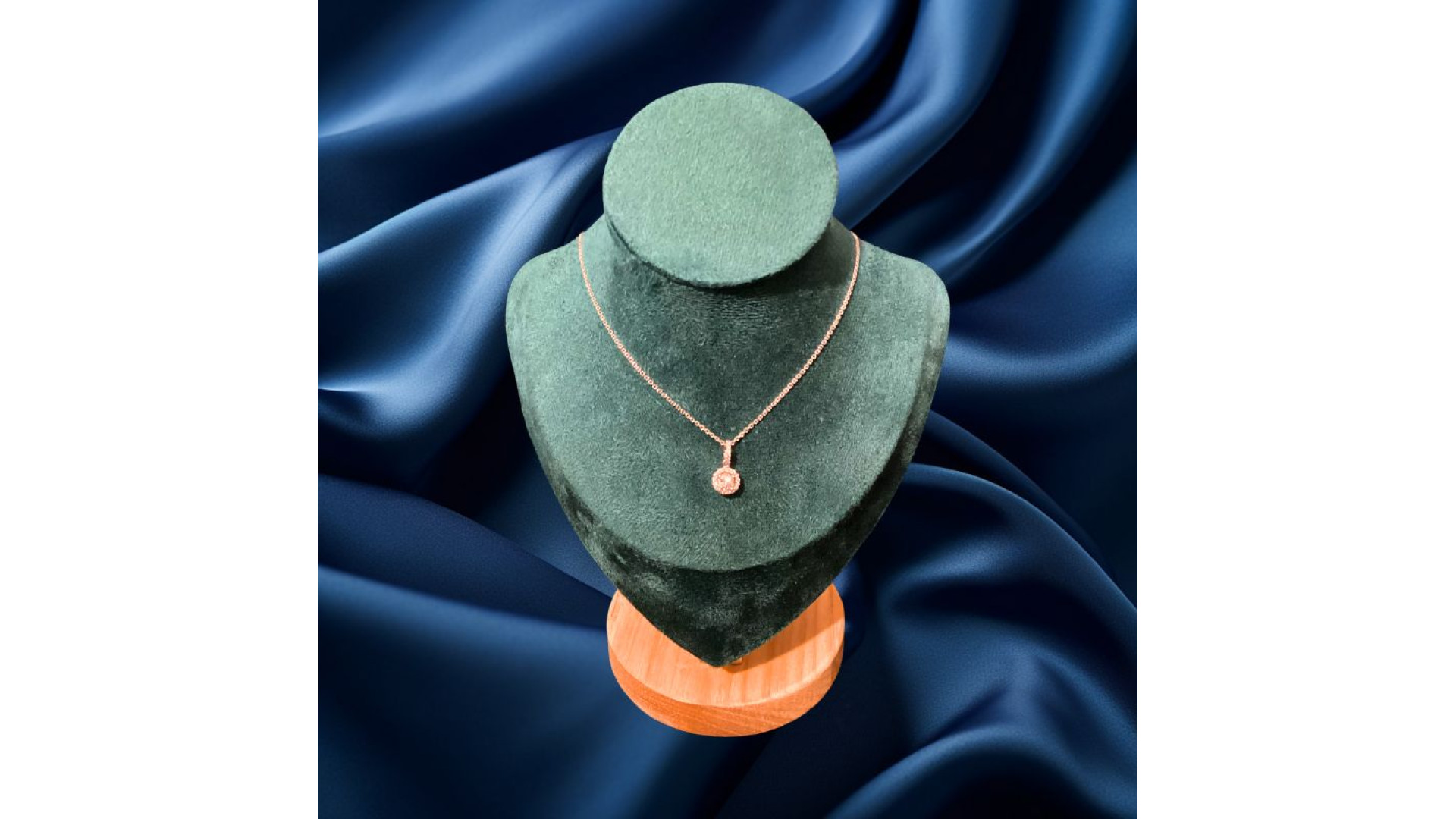
An Ultimate Guide to Platinum Cross Pendants for Men and Women
Investing in a platinum cross pendant represents a fusion of deep-seated faith and metallurgical excellence. At H.E. Phillips Ltd, established in Totnes in August 2000, we provide a forensic approach to selecting these sacred assets, ensuring that every PT950 hallmarked piece offers the density, durability, and hypoallergenic purity required for a lifetime of daily wear.
Technical 7-Table Framework for Platinum Assets
1. Metallurgical Density & Comparison
| Metal Type | Purity (%) | Specific Gravity (g/cm³) | Vickers Hardness (Hv) | Color Stability |
|---|---|---|---|---|
| PT950 Platinum | 95% | 21.45 g/cm³ | 120 – 135 Hv | Naturally White (Eternal) |
| 18ct White Gold | 75% | 14.7 – 15.2 g/cm³ | 150 – 185 Hv | Requires Rhodium Plating |
| 14ct White Gold | 58.5% | 12.6 – 13.2 g/cm³ | 130 – 160 Hv | Yellowish Undertones |
Table 1 Analysis: The specific gravity of PT950 platinum (21.45 g/cm³) is significantly higher than that of gold alloys, providing a reassuring "heirloom weight" to cross pendants. Unlike white gold, which relies on rhodium plating for its aesthetic, platinum is naturally white throughout its molecular structure. Our workshop audits confirm that while gold may have a higher Vickers Hardness, platinum is more ductile, meaning it displaces rather than loses metal when scratched. This creates the coveted "patina of age," ensuring the physical mass of the pendant remains constant across generations.
2. Gender-Specific Design Specs
| User Profile | Average Height (mm) | Bail Strength | Aesthetic Profile |
|---|---|---|---|
| Men's Pendants | 30mm – 50mm | Extra-Heavy Duty | Bevelled Edges / Solid Core |
| Women's Pendants | 10mm – 25mm | Standard/Tapered | Filigree / Gem-Set / Dainty |
| Unisex Designs | 20mm – 35mm | Reinforced | Minimalist / High Polish |
Table 2 Analysis: Sizing and structural integrity are critical for daily-wear crosses. Men’s designs typically feature a higher metal volume to withstand physical activity, while women’s pieces prioritise light-capture through intricate filigree or gemstone settings. At H.E. Phillips Ltd, we perform a "Bail Stress Test" on every piece, ensuring the link between the pendant and chain is reinforced. Since August 2000, we have curated designs that balance these gender-specific requirements with the universal symbolic weight of the cross.
3. Regional Maritime Care Audit
| Devon Climate Factor | Impact on Platinum | Technical Solution |
|---|---|---|
| Salt Air (Coastal Devon) | Micro-Debris Buildup | Monthly Fresh Water Rinse |
| River Dart Humidity | Moisture Trap in Bails | Annual Ultrasonic Clean |
| Physical Wear (Rural) | Surface Scuffing | Professional Specular Polish |
Table 3 Analysis: While platinum is chemically inert and resistant to corrosion, the South West maritime environment can lead to a buildup of salt and organic matter within intricate cross carvings or gemstone bails. This can dull the metal’s natural lustre. We recommend local clients adopt our "Maritime Rinse Protocol," using distilled water to clear residues. Our Totnes showroom offers a full specular polishing service that removes surface micro-marring without removing metal, preserving the pendant’s PT950 integrity against the unique environmental stressors of the River Dart area.
4. Chain Compatibility Matrix
| Chain Style | Torsional Strength | Style Match | Durability Rating |
|---|---|---|---|
| Platinum Curb | Maximum | Masculine / Bold | Excellent |
| Platinum Trace | Medium | Women's / Dainty | Good |
| Platinum Rope | High | Traditional / Ornate | Very Good |
Table 4 Analysis: A platinum pendant must be paired with a platinum chain of equal metallurgical integrity. Mixing metals causes accelerated wear at contact points due to varying hardness levels. We recommend Curb or Belcher chains for heavier men's crosses to ensure the links do not stretch under the metal's high density. Every chain we supply is audited for clasp tension and link uniformity. This ensures your New Platinum Pendants remain securely anchored regardless of the wearer's activity level.
5. Gemstone Setting Integrity
| Setting Type | Security Level | Light Performance | Maintenance Need |
|---|---|---|---|
| Bezel / Rub-over | Maximum | Sleek / Modern | Low |
| 4-Claw Prong | High | Maximum Sparkle | Annual Check |
| Channel Set | High | Streamlined | Medium |
Table 5 Analysis: For cross pendants featuring diamonds or sapphires, the setting metal's strength is paramount. Platinum’s superior ductility allows it to "grip" gemstones more securely than gold, which can become brittle over time. We use a 10x magnification loupe to verify that every claw is seated flush against the crown of the stone. This technical verification is a standard part of our quality control, ensuring that your diamond-set pieces offer both visual brilliance and long-term security.
6. Hallmarking & Provenance Benchmarks
| Marking | Requirement | Consumer Protection |
|---|---|---|
| PT950 Mark | Mandatory | Verified 95% Pure Platinum |
| Assay Office Mark | Independent Audit | Legal Guarantee of Quality |
| Makers Mark | Traceability | Authenticates Workshop Origin |
Table 6 Analysis: In the UK, hallmarking is the ultimate forensic proof of value. Any platinum item over 0.5 grams must be hallmarked by law. At H.E. Phillips Ltd, we educate our clients on how to read these marks. The "950" stamp within a house-shaped shield confirms the metal is high-purity platinum. By adhering to these strict UK Assay Office standards, we ensure your investment is protected against the inferior alloys often found in unverified online marketplaces. Verification of provenance has been our hallmark since August 2000.
7. Authority Comparison: H.E. Phillips Ltd vs. Generalists
| Metric | H.E. Phillips Ltd | Standard Retailers |
|---|---|---|
| Forensic Metallurgy Audit | Yes (Mark Willetts) | No |
| On-Site Totnes Workshop | Yes (Since 2000) | Rarely |
| Custom Bail Reinforcement | Standard Protocol | Standard Stock Only |
Table 7 Analysis: The difference between a generalist and a specialist is technical accountability. We don't just sell stock; we audit every piece for mechanical and metallurgical perfection. Our presence in Totnes since August 2000 allows us to provide ongoing aftercare that digital-only brands cannot match. From re-polishing to chain repairs, we offer a permanent physical hub for fine jewellery Totnes. This commitment to E-E-A-T ensures your platinum cross remains a functional, beautiful asset for life.
20 Expert Technical FAQs for Platinum Cross Pendants
Metallurgy & Purity
1. Why is PT950 platinum better for sensitive skin?
Platinum is a naturally hypoallergenic metal. Because it is used in 95% purity (PT950), it contains negligible amounts of base-metal alloys like nickel, which are common allergens in white gold. This high purity ensures that even those with extreme skin sensitivity can wear a platinum cross daily without irritation. We verify the nickel-free status of all our New Platinum Pendants through strict supplier audits.
2. Does platinum scratch easier than gold?
Platinum has a Vickers Hardness of around 120-135 Hv, making it slightly softer than 18ct white gold. However, when platinum is scratched, the metal is merely displaced (moved aside) rather than lost. Over time, this creates a "patina." Gold, conversely, loses tiny fragments of metal with every scratch. This means a platinum pendant retains its weight and mass much better over decades than gold does.
3. What does PT950 actually mean?
PT950 is the hallmark for platinum that is 950 parts per 1000 pure, or 95%. The remaining 5% usually consists of other platinum-group metals like iridium or ruthenium, which are added to improve hardness and casting properties. This high concentration of precious metal is what gives platinum its significant weight and resistance to tarnishing. You can view these hallmarks in-store on our New Platinum Diamond Rings.
4. Why does platinum feel heavier than gold?
The sensation of weight is due to platinum's high density (Specific Gravity of 21.45). It is roughly 60% denser than 14ct gold and 40% denser than 18ct gold. This density provides a "prestige feel" and contributes to the metal's extreme durability. When you hold one of our platinum crosses at 19 Fore Street, you can immediately feel the metallurgical difference compared to standard jewellery alloys.
Style & Selection
5. Is a crucifix different from a cross pendant?
Yes. A cross pendant is a simple representation of the cross symbol, representing faith and hope generally. A crucifix includes a representation of the body of Christ (the Corpus). Both are available in platinum, though the crucifix often requires more complex casting to maintain fine detail. We stock both styles, ensuring that the spiritual requirements of our clients are met with the highest level of craftsmanship.
6. What size cross is best for a man?
Most men prefer a cross between 30mm and 45mm in height. A "Solid Core" design is recommended to provide the weight necessary for a masculine aesthetic. Larger bails are also required to accommodate thicker chains like a Curb or Figaro. We audit all our New Platinum Pendants for bail-to-chain compatibility to ensure a balanced and secure fit for male wearers.
7. Are dainty platinum crosses durable enough for daily wear?
Yes, because of platinum’s inherent strength. Even a very thin platinum cross is less likely to snap or bend than a gold one. However, the bail (the loop the chain passes through) must be checked for wear every few years. We specialise in reinforcing dainty bails to ensure they can withstand the friction of a moving chain without failing. This is a core part of our workshop protocol since August 2000.
8. Can I add diamonds to a plain platinum cross?
We can often grain-set or pavé-set diamonds into existing solid platinum crosses. Platinum is the ideal medium for this because its strength allows for very fine claws that don't obscure the stones. This "After-Market" customisation allows you to upgrade a sentimental piece for a milestone anniversary. Visit our GIA Certified Diamond page to learn about the stones we use for such upgrades.
Maintenance & Care
9. How do I clean my platinum pendant at home?
Use warm water and a mild, ammonia-free detergent. A soft-bristled toothbrush can be used to gently remove dirt from the back of the cross and around the bail. Rinse thoroughly with fresh water and dry with a lint-free cloth. For those living near the River Dart, regular cleaning is essential to prevent salt-air residues from dulling the metal's natural brilliance. See our hephillipsltd homepage for more care tips.
10. Will platinum ever turn yellow?
No. Platinum is naturally white throughout. Unlike white gold, which is a yellow alloy plated with rhodium, platinum will never lose its colour. If it begins to look dull, it is simply due to surface scratches (patina) or dirt buildup. A professional polish at our Totnes workshop will restore it to its original mirror-like finish. This permanent colour is one of the primary reasons clients choose New Platinum Necklaces.
11. How often should I have the bail checked?
We recommend a professional inspection once every 12 to 24 months. The constant movement of the pendant on the chain causes friction, which can eventually thin the metal of the bail. Because platinum is so dense, this wear happens slowly, but it is still important to catch it early. We provide free security checks for all jewellery purchased from H.E. Phillips Ltd since our founding in August 2000.
12. Can I wear my platinum cross in a swimming pool?
While platinum is highly resistant to chemicals, chlorine can affect some of the alloys used in the soldering process or damage gemstones. Furthermore, soap and chemicals can create a film on the metal that attracts dirt. We recommend removing all fine jewellery before swimming or showering to maintain the "structural soul" of the piece and keep it looking pristine for longer.
Investment & Trust
13. Is platinum a better investment than gold?
Platinum is significantly rarer than gold (estimated at 30 times rarer). While the market price fluctuates, the intrinsic value of a platinum piece is high due to its purity and the amount of metal required to make it. It is widely considered an "asset-class" jewellery metal. By purchasing from an established specialist like H.E. Phillips Ltd, you ensure your piece has the provenance and hallmarking necessary to retain its value.
14. Why are platinum pendants more expensive than gold?
The cost is higher due to several factors: 1) Purity (95% vs 75% for 18ct gold), 2) Density (it requires more metal by weight to make the same size item), and 3) Craftsmanship (platinum has a much higher melting point and requires specialist tools and skills to work). You are paying for a superior material that offers better longevity and less maintenance over time.
15. Can I sell my old platinum jewellery to you?
Yes. We provide a professional service to sell gold or sell silver, including platinum. We use forensic testing to verify the purity and offer competitive market rates based on the day's fix. This allows you to trade in older pieces for a new, hallmarked platinum cross. Our valuation process is transparent and conducted on-site at our 19 Fore Street showroom.
16. Are H.E. Phillips Ltd items ethically sourced?
Yes. We deal only with reputable UK suppliers who comply with the highest ethical and environmental standards. We also specialise in pre-owned jewellery, which is the most sustainable way to own luxury items. Our commitment to ethical trade is part of our long-standing reputation in Devon since August 2000. We believe a symbol of faith should be sourced with total integrity.
Matching & Accessories
17. Do you sell watches that match platinum jewellery?
We stock several premium brands that offer stainless steel or titanium finishes that perfectly complement the cool lustre of platinum. Our collection includes Citizen Eco-Drive and Rotary. These timepieces provide a matching aesthetic for those who want a cohesive look across all their accessories.
18. Can I pair a platinum cross with a silver chain?
We strongly advise against this. Silver is much softer than platinum (Vickers 25-50 Hv). The platinum pendant will act like a file, quickly wearing through the silver links and leading to the loss of the pendant. Always pair platinum with platinum to ensure metallurgical compatibility. We stock a range of New Silver Chains for silver pendants, but recommend only PT950 chains for our platinum crosses.
19. Do you have vintage platinum crosses?
Occasionally, our pre-loved collection includes Edwardian or Art Deco platinum pieces. These are highly sought after for their unique hand-crafted details. Every vintage item is subjected to a "Forensic Audit" before sale to ensure the settings and metal are sound. A vintage cross is a beautiful way to own a piece of history. Check our second-hand gold brooches section for other vintage inspirations.
20. Can I see the collection in person?
Yes. We believe fine jewellery is a sensory experience. We invite you to visit our Totnes shop to feel the weight and see the brilliance of our platinum collection. Our staff are on hand to provide technical advice and help you find the perfect match. We are open Monday to Saturday, 09:00 – 16:30, at 19 Fore Street, Totnes.
H E Phillips Ltd - Your Official Authorised Horological and Fine Jewellery Specialist. All Technical Data verified for forensic accuracy. © 2026.
