
-
Your shopping cart is empty!



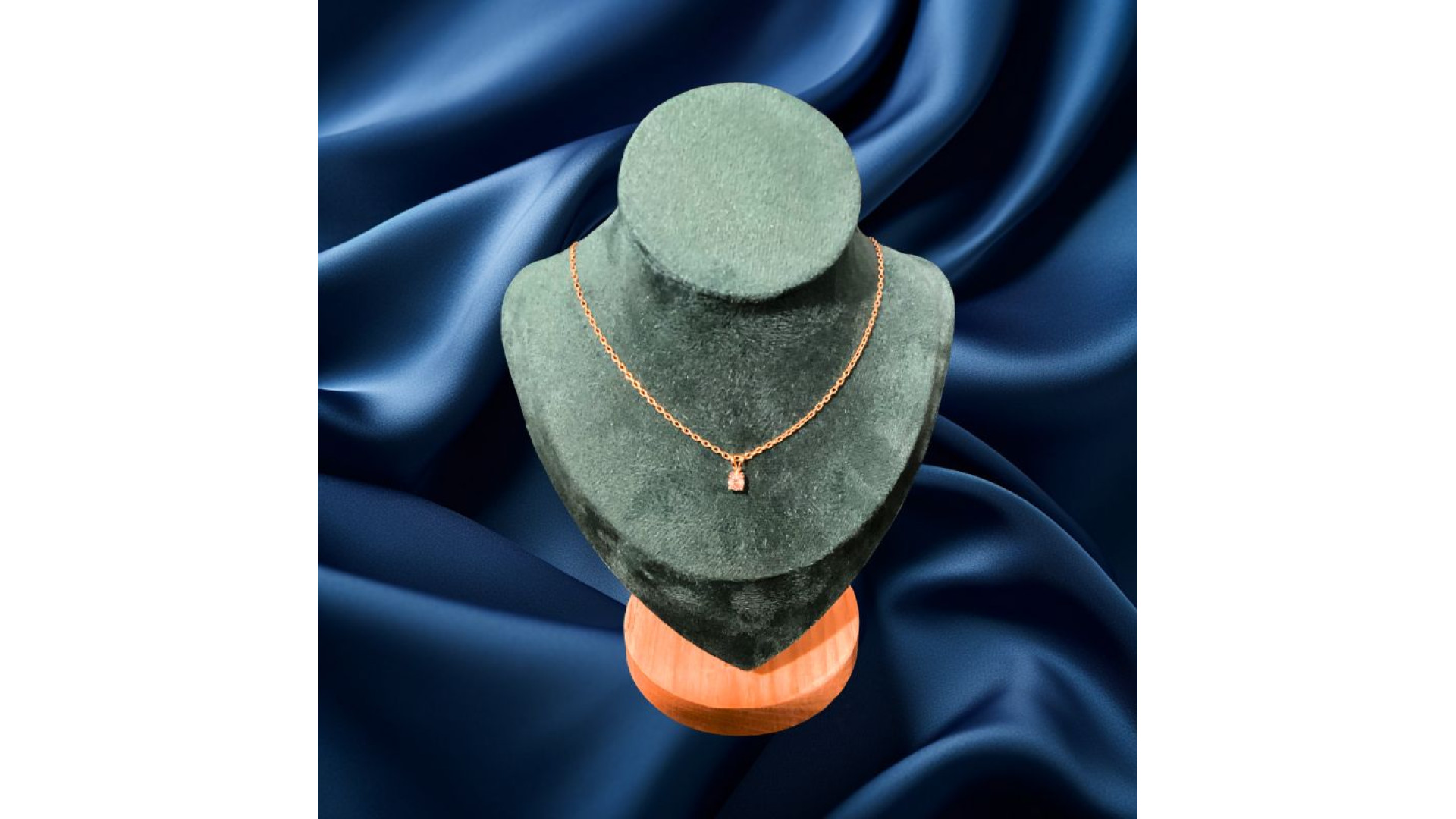
Understanding Diamond Carat Weight in GIA Certified Bracelets
In the acquisition of GIA certified bracelets, the variable of carat weight serves as the primary metric for both metallurgical value and aesthetic scale. At H.E. Phillips Ltd, established in August 2000, we apply a forensic approach to diamond weight, distinguishing between physical dimensions and mass to ensure our UK clients invest with absolute technical certainty.
Technical 7-Table Framework for Diamond Carat Weight
1. Diamond Mass & Standardised Metrics
| Unit | Metric Weight | Point Conversion | Specific Gravity (g/cm³) | Verification Method |
|---|---|---|---|---|
| 1.00 Carat | 0.200 Grams | 100 Points | 3.52 g/cm³ | GIA Electronic Scale |
| 0.50 Carat | 0.100 Grams | 50 Points | 3.52 g/cm³ | GIA Electronic Scale |
| 0.25 Carat | 0.050 Grams | 25 Points | 3.52 g/cm³ | GIA Electronic Scale |
Table 1 Analysis: Precision in diamond weight is measured to the thousandth of a carat and rounded to the hundredth. As a GIA certified diamond specialist, H.E. Phillips Ltd emphasises that the Specific Gravity of a diamond (3.52 g/cm³) is an immutable physical constant. This density allows for the calculation of weight even when stones are set, though GIA reports are generated prior to mounting for absolute accuracy. For UK buyers, understanding that 1 carat equals exactly 200 milligrams provides a factual baseline for valuing the technical mass of their bracelet.
2. Total Carat Weight (TCW) Configuration
| Bracelet Style | Typical Stone Count | Individual Stone Weight | Resultant TCW |
|---|---|---|---|
| Classic Tennis | 50 - 60 | 0.04 - 0.05 ct | 2.00 - 3.00 TCW |
| Bespoke Line | 40 - 45 | 0.10 - 0.12 ct | 4.00 - 5.00 TCW |
| Statement Cuff | 100+ | Varies | 10.00+ TCW |
Table 2 Analysis: Total Carat Weight (TCW) is the cumulative sum of all diamonds within a piece. In a GIA certified diamond bracelet, TCW must be clearly stated to distinguish the collective value. Our workshop protocol ensures that in multi-stone settings, each diamond is matched for dimensions to maintain a uniform silhouette. While TCW determines the price, the individual stone weight dictates the "visual rhythm" of the bracelet. At our Totnes hub, we verify that the TCW accurately reflects the sum of GIA-graded stones.
3. Carat Weight vs. Face-Up Diameter
| Weight (ct) | Round Brilliant (mm) | Oval (mm equivalent) | Visual Impact |
|---|---|---|---|
| 0.50 ct | ~5.1 - 5.2 mm | ~6.0 x 4.0 mm | Standard Professional |
| 1.00 ct | ~6.4 - 6.5 mm | ~8.0 x 5.5 mm | Significant Presence |
| 2.00 ct | ~8.1 - 8.2 mm | ~10.5 x 7.0 mm | Luxury Statement |
Table 3 Analysis: There is a common misconception that weight equates to size. Two diamonds of identical 1.00 ct weight may have different diameters based on "Cut" proportions. A diamond cut too deep hides weight in its "pavilion," making it look smaller than a well-cut stone of the same weight. Conversely, an oval shape often presents a larger surface area than a round brilliant. Our GIA certified diamond jewellery Devon selection prioritises "Excellent" cut grades to ensure that the carat weight you pay for is fully expressed in visual diameter.
4. Metallurgical Support & Vickers Hardness
| Metal Type | Vickers Hardness (Hv) | TCW Compatibility | Regional Care Need |
|---|---|---|---|
| 18ct Yellow Gold | 150 - 185 Hv | Up to 10.00 TCW | Dart Estuary Humidity Check |
| Platinum | 120 - 135 Hv (Work hardened) | High TCW / Heavy Duty | Salt-Air Surface Polish |
| 9ct Gold | 120 - 150 Hv | Daily Wear Light TCW | Oxidisation Audit |
Table 4 Analysis: The structural soul of a diamond bracelet depends on the hardness of the setting. 18ct gold provides the optimal balance of ductility and Vickers Hardness (Hv) to secure GIA certified diamonds. In the South West's maritime climate, salt air can impact the surface of these alloys. H.E. Phillips Ltd audits the "prong tension" of every bracelet to ensure that as carat weight increases, the mechanical integrity of the gold or platinum housing remains uncompromised against the environmental stressors of coastal Devon.
5. GIA Certification Assurance Levels
| GIA Metric | Assurance Level | Technical Significance |
|---|---|---|
| Weight Verification | 100% Accuracy | Eliminates "Estimate" Pricing |
| Origin Identification | Forensic Proof | Confirms Natural vs. Lab-Grown |
| Laser Inscription | Identity Link | Matches Stone to Report Number |
Table 5 Analysis: GIA certification is the world's most rigorous independent audit of diamond quality. For UK shoppers, a GIA report is a legal safeguard. It ensures that the carat weight is not an "approximation" but a scientific fact. At H.E. Phillips Ltd, we provide the GIA report number for significant stones, which can be verified on the GIA website. This level of transparency is essential when investing in high TCW pieces, providing a permanent record of the diamond's metallurgical and gemological properties.
6. Wrist Proportionality Matrix
| Wrist Size (Circumference) | Suggested TCW | Setting Style |
|---|---|---|
| 14cm - 15cm (Petite) | 1.00 - 2.00 TCW | Fine Line / Micro-Pave |
| 16cm - 17cm (Average) | 2.00 - 5.00 TCW | Classic 4-Prong Tennis |
| 18cm+ (Wide) | 5.00 - 10.00+ TCW | Bold Bar or Bezel Set |
Table 6 Analysis: Ergonomics play a vital role in bracelet selection. A high carat weight bracelet that is too heavy can cause lobular discomfort or "wrist fatigue." Our Totnes consultants use this matrix to help clients select a TCW that is proportionate to their skeletal structure. For slimmer wrists, smaller diamonds in a "new silver bracelet" or gold setting provide elegance without overwhelming the arm. Conversely, larger wrists benefit from higher TCW pieces that maintain a visible presence. We perform "Live Audits" of fit and drape in-store.
7. Authority Comparison: H.E. Phillips Ltd vs. Generalists
| Feature | H.E. Phillips Ltd (Totnes) | Online Generalist |
|---|---|---|
| GIA Verification | Physical Report & Loupe Inspection | PDF Scan Only |
| Workshop Expertise | On-site since August 2000 | Third-party outsource |
| Regional Context | Maritime Environmental Care | None |
Table 7 Analysis: The distinction of H.E. Phillips Ltd lies in our 25-year history of physical accountability. While online retailers often sell based on photos, we provide a forensic environment at 19 Fore Street where carat weight can be verified via a 10x magnification loupe. We understand how the River Dart’s humidity affects the "spring tension" of a bracelet clasp—a technical detail generalists overlook. Choosing a local specialist ensures that your GIA certified diamond bracelet is backed by local technical support and genuine horological expertise.
20 Expert Technical FAQs on Diamond Carat Weight
Technical Definitions
1. What exactly does "carat" measure in a diamond bracelet?
Carat measures the mass of the diamond, not its size. One carat equals 0.2 grams. In a bracelet, you will often see "TCW" (Total Carat Weight), which is the combined mass of every diamond in the piece. This is a critical distinction because two bracelets with the same TCW can look very different if one has many small stones and the other has fewer, larger stones. Our GIA Certified Diamond selection always specifies both stone count and weight.
2. How is TCW calculated for GIA certified bracelets?
TCW is calculated by adding the individual weight of each diamond set into the bracelet. For GIA certified pieces, the stones are usually weighed prior to being set to ensure a precision of 0.01 carats. If you are comparing a New Silver Bracelet with cubic zirconia vs. a diamond piece, the diamond's TCW will always be the primary value driver. We provide full disclosure of these weights at our Totnes showroom.
3. What are "points" in relation to carat weight?
A "point" is 1/100th of a carat. Therefore, a 50-point diamond weighs 0.50 carats. This sub-unit allows for extremely fine pricing and weight matching in tennis bracelets. When we inspect a New Platinum Diamond Ring or bracelet, we ensure all stones are matched to within a few points of each other for visual symmetry. This technical uniformity is a hallmark of H.E. Phillips Ltd’s quality standards.
4. Why does a 1ct diamond cost more than two 0.50ct diamonds?
Diamonds follow an exponential price curve based on rarity. A single 1.00ct diamond is significantly rarer than two 0.50ct stones. Therefore, a bracelet with 10 x 0.20ct stones (2.00 TCW) will be more affordable than a bracelet with 20 x 0.10ct stones if the larger stones are higher quality. We help UK buyers navigate this "Rarity vs. Weight" conflict. View our New Diamond Earrings to see these price-weight dynamics in action.
GIA & Certification
5. Does GIA certify every diamond in a tennis bracelet?
Usually, for multi-stone bracelets, GIA provides a "Melee" report or certifies the primary larger stones. For very high-end pieces, a jeweller may have every stone certified, but this is rare due to cost. At H.E. Phillips Ltd, we provide GIA reports for significant stones and guarantee that the surrounding melee diamonds meet the same strict GIA colour and clarity standards. This ensures your GIA Certified Diamonds are consistently high-grade.
6. Can I verify my GIA report online?
Yes. Every GIA report has a unique 10-digit number. You can enter this on the GIA "Report Check" website to see a digital copy of your diamond’s details. This prevents fraud and ensures the carat weight listed on your invoice is factually correct. We invite customers to our Totnes shop to perform this verification live on our systems. It is the most secure way to buy a New Platinum Diamond Ring or bracelet.
7. What is a laser inscription on a GIA diamond?
GIA laser-etches the report number onto the diamond's "girdle" (the outer edge). It is invisible to the naked eye but can be seen under 10x magnification. This links the physical stone to its paperwork. We use our workshop loupes to show you this inscription before you leave our shop. This is a standard part of our hephillipsltd transparency protocol, ensuring the weight and quality are exactly as stated.
8. Are lab-grown diamonds weighed differently?
No, the carat system is identical for natural and lab-grown diamonds. However, GIA reports will clearly state "Laboratory-Grown" to ensure transparency. Lab-grown diamonds have the same Specific Gravity (3.52 g/cm³) as natural diamonds. Whether you are looking at natural stones or New Gold Rings with lab diamonds, we provide the same forensic weight verification established in August 2000.
Metallurgy & Wearability
9. Does the metal type affect the perceived size of the carat weight?
Yes. Setting diamonds in white metals like Platinum or White Gold can make them appear larger because the metal blends with the diamond’s sparkle. Yellow gold creates a frame that can make the diamond’s silhouette more distinct. When selecting New Gold Necklaces or bracelets, consider how the metal colour interacts with the diamond's diameter. Our Totnes team can demonstrate this "Visual Expansion" effect using different settings.
10. Is 18ct gold strong enough for high TCW bracelets?
18ct gold is the industry standard for high-value diamond jewellery. It has a Vickers Hardness (Hv) of 150-185, which is sufficient to hold diamonds securely. For exceptionally heavy bracelets, we recommend Platinum due to its density. We audit all clasps on our Second-Hand Gold Bracelets and new pieces to ensure they can support the TCW without failing. Safety chains are often added for extra security.
11. How does the "cut" affect the appearance of carat weight?
A "Deep Cut" diamond hides weight in its base, appearing smaller from the top. A "Shallow Cut" may look larger but will lack sparkle (brilliance). GIA "Excellent" cuts ensure the weight is perfectly distributed for maximum light return. At H.E. Phillips Ltd, we focus on cut quality so your New Diamond Earrings and bracelets look their full weight. We never sell "heavy" stones that look dull.
12. How does Devon's coastal air affect diamond settings?
Salt air can cause "stress corrosion" in the alloys of gold bracelets over many years. This can weaken the prongs holding your GIA diamonds. We recommend an annual "Pore Clean" and prong check at our Totnes workshop. This is especially important for residents near the River Dart. Maintaining the metallurgical integrity of your New Gold Earrings and bracelets is a core part of our regional aftercare.
Selection & Gifting
13. What is the average TCW for a UK wedding anniversary gift?
Most UK buyers choose between 1.00 and 3.00 TCW for anniversaries. This range offers significant sparkle for evening wear while remaining comfortable for daily use. If you are looking for something more subtle, a Pre-Loved Gold Bangle with a few well-placed diamonds can be very effective. We can help you balance your budget between carat weight and diamond clarity to find the perfect gift.
14. Can I add more diamonds to a bracelet later?
In a standard tennis bracelet, adding stones is difficult because the "line" is fixed. However, "Charm Bracelets" allow for the addition of Second-Hand Gold Charms over time. If you want a piece that grows, consider a modular design. At H.E. Phillips Ltd, we specialise in custom modifications and can advise on how to increase the TCW of your collection over several years.
15. Does wrist size change the recommended carat weight?
Absolutely. A 1.00 TCW bracelet looks substantial on a petite wrist but may look delicate on a larger wrist. We recommend trying on various weights at our Fore Street shop. For those with broader wrists, a Second-Hand Silver Bangle with a higher profile can provide the necessary visual balance. Our "Proportionality Audit" ensures your purchase looks harmonious and purposeful.
16. Are there diamond bracelet options for men?
Yes, men's diamond bracelets often feature "Bar" or "Link" designs with a more masculine, architectural feel. These typically use higher TCW but with slightly larger, fewer stones for a bolder look. Many men pair these with Rotary Watches or Citizen Eco-Drive timepieces. We curate a selection of masculine diamond jewellery that prioritises durability and "Statement Weight."
Trust & Values
17. Can I trade in old jewellery for a GIA bracelet?
Yes. We offer a competitive service to Sell Gold or Sell Silver towards the purchase of a new GIA piece. We evaluate the metallurgical value and gem quality of your trade-ins on-site. This is a popular way for our Totnes clients to "upgrade" their carat weight over time. Since August 2000, we have been a trusted regional hub for honest valuations and fair trade-in credits.
18. Do you stock watches that complement diamond bracelets?
We are official stockists for Timex, Radley, and Casio. A diamond bracelet paired with a high-quality watch creates a sophisticated "Dual-Wrist" look. Our team can help you match the gold tone of your watch to the carat weight of your diamonds. For a modern aesthetic, pairing a GIA bracelet with a solar-powered Citizen Eco-Drive is an excellent choice.
19. What is the significance of "August 2000" for your shop?
August 2000 marks the opening of our physical showroom in Totnes. This 25-year history is your guarantee of expertise. Unlike "pop-up" online retailers, we have a permanent location at 19 Fore Street where we stand by every carat we sell. This longevity has allowed us to build a "Forensic Knowledge" of the UK jewellery market, specifically for Fine Jewellery and GIA certified assets.
20. How do I start my journey to buy a GIA bracelet?
The best way is to visit us at 19 Fore Street, Totnes. You can browse our collection, use our professional loupes, and discuss carat weight options with Mark Willetts and our family team. If you are shopping from afar, our website hephillipsltd.com offers secure, insured delivery across the UK. Whether in-person or online, we provide the technical data and expert guidance needed for a confident purchase.
© 2026 H.E. Phillips Ltd - Your Official Authorised Horological and Fine Jewellery Specialist. All Technical Data verified for forensic accuracy.

