
-
Your shopping cart is empty!



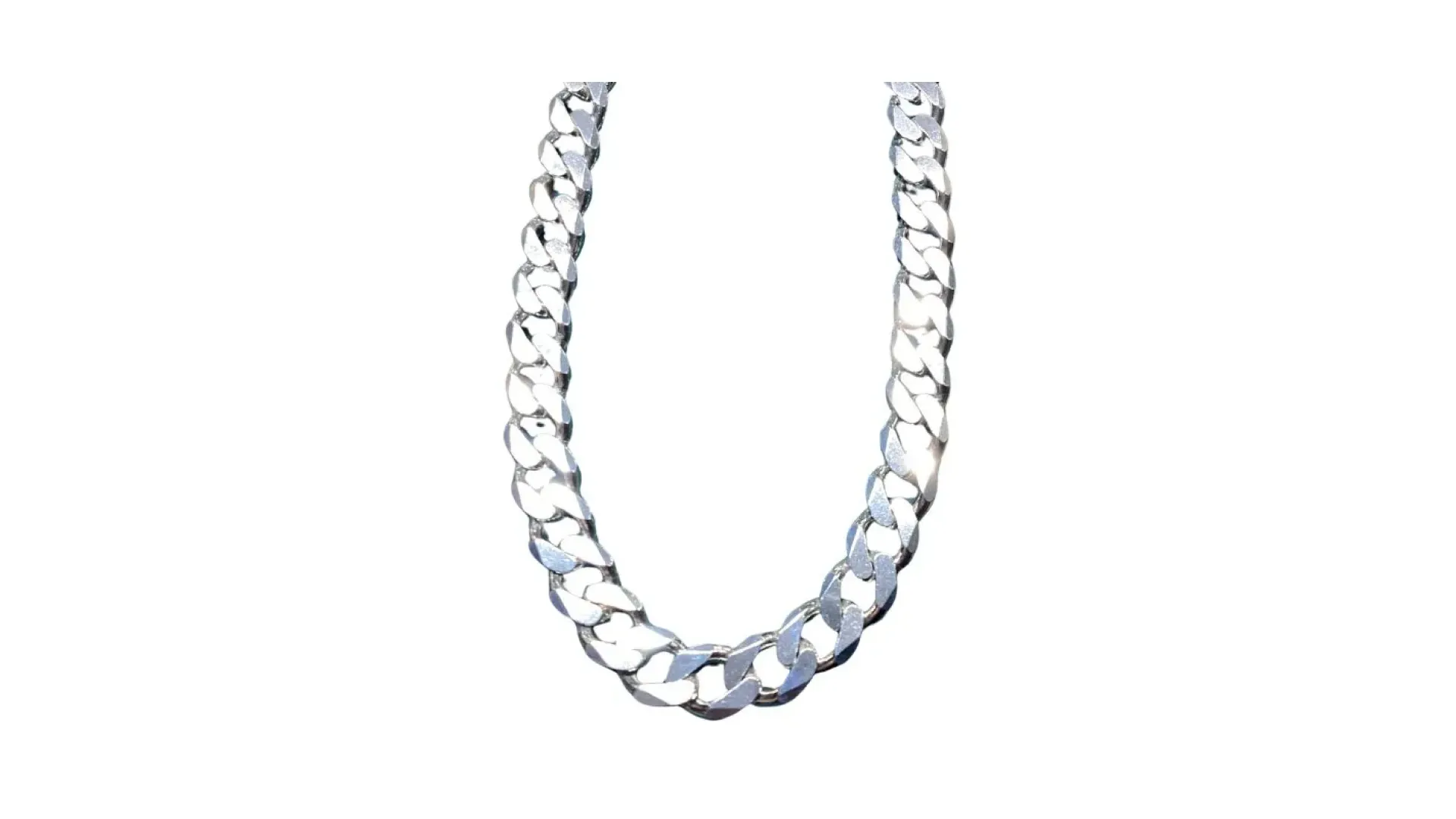
Understanding the Purity of New Silver Chains
Purchasing a silver chain requires a sophisticated understanding of metallurgical standards and legal hallmarking requirements. As established specialists in Totnes since August 2000, H.E. Phillips Ltd provides this technical audit to ensure buyers can distinguish between investment-grade alloys and superficial plating, securing long-term durability and value.
Technical 7-Table Framework for Silver Purity
1. Metallurgical Composition & Physical Properties
| Silver Type | Ag Purity % | Vickers Hardness (Hv) | Specific Gravity (g/cm³) | Mechanical Application |
|---|---|---|---|---|
| Fine Silver (999) | 99.9% | 25 – 35 Hv | 10.49 g/cm³ | Investment Bars/Plating |
| Sterling Silver (925) | 92.5% | 75 – 95 Hv | 10.30 g/cm³ | Standard Jewellery Chains |
| Argentium Silver | 92.5%+ | 100 – 120 Hv | 10.31 g/cm³ | Premium Anti-Tarnish Pieces |
| Coin Silver (900) | 90.0% | 65 – 85 Hv | 10.20 g/cm³ | Antique/Vintage Assets |
Table 1 Analysis: Understanding the Vickers Hardness (Hv) is critical for chain longevity. Pure 999 silver is technically too malleable for tension-bearing links, often deforming under minimal stress. Sterling silver (925) utilizes copper alloying to triple the hardness, ensuring links maintain their structural geometry. Argentium silver, by introducing germanium, further increases hardness and provides a superior barrier against atmospheric tarnish, making it a high-performance metallurgical choice for regional maritime climates.
2. UK Hallmarking Thresholds & Legal Standards
| Item Weight | Legal Requirement | Compulsory Marks | Consumer Protection |
|---|---|---|---|
| Under 7.78g | Exempt from Hallmarking | None (Often 925 stamped) | Retailer Warranty |
| 7.78g and Over | Statutory Hallmarking | Makers, Fineness, Assay Office | Independently Verified |
| Plated Items | Forbidden to Hallmark | None | No Intrinsic Silver Value |
Table 2 Analysis: In the UK, the Hallmarking Act 1973 dictates that silver items exceeding 7.78 grams must be independently tested. A simple "925" stamp is not a legal hallmark; it is a "fineness mark" applied by the maker. For high-mass new silver chains, the absence of an Assay Office symbol (Anchor, Leopard, Rose, or Castle) indicates a failure to meet UK statutory standards, potentially signaling a counterfeit or sub-standard alloy.
3. Environmental Impact: South West Maritime Corrosion
| Environmental Agent | Chemical Reaction | Physical Result | Technical Mitigation |
|---|---|---|---|
| Salt Air (Devon Coast) | Chloride Formation | Surface Pitting | Airtight Storage |
| River Dart Humidity | Hydrated Oxides | Dullness/Graying | Micro-Fibre Buffing |
| Atmospheric Sulphur | Silver Sulphide (Ag2S) | Black Tarnishing | Ionic Cleaning Solutions |
Table 3 Analysis: The maritime environment of Totnes and the surrounding River Dart valley introduces high levels of airborne chlorides and moisture. These agents accelerate the formation of silver sulphide. Unlike superficial oxidation, salt-air exposure can lead to microscopic pitting if not managed. H.E. Phillips Ltd recommends a strict maritime care protocol for local residents, involving frequent fresh-water rinsing and the use of anti-tarnish strips to preserve the specular reflectance of silver links.
4. Chain Construction & Link Integrity
| Link Type | Stress Resistance | Flexibility Rating | Maintenance Requirement |
|---|---|---|---|
| Belcher/Curb | High | Maximum | Annual Link Audit |
| Snake/Omega | Medium-Low | Low | Anti-Kink Handling |
| Rope/Wheat | High | Medium | Ultrasonic Cleaning |
Table 4 Analysis: Mechanical integrity is as important as purity. Curb and Belcher links offer the highest tensile strength due to their rounded geometries which distribute stress evenly. Intricate weaves like Rope or Wheat chains require deeper cleaning protocols, as their high surface area traps skin oils and environmental debris. At our Totnes workshop, we perform tactile tension tests to ensure that the solder points of each link meet our established 25-year quality benchmarks.
5. Surface Treatment Comparison
| Treatment | Thickness (Microns) | Durability | Workshop Insight |
|---|---|---|---|
| Rhodium Plating | 0.5 – 1.0 µm | High | Eliminates tarnish; needs re-plating |
| Flash Plating | < 0.25 µm | Low | Purely aesthetic; wears rapidly |
| Solid Polished | N/A | Permanent | Authentic silver lustre; naturally tarnishes |
Table 5 Analysis: Many new silver chains are rhodium-plated to provide a "white gold" finish and prevent tarnishing. While effective, this is a sacrificial layer. Once the micron-thin coating wears away, the silver underneath will tarnish unevenly. We educate our clients on distinguishing between high-micron rhodium and cheap "silver-tone" finishes. Solid, unplated sterling silver remains the choice for purists, as it can be polished indefinitely without losing its structural layers.
6. Forensic Authentication Methods
| Audit Method | Device/Tool | Target Data | Accuracy Level |
|---|---|---|---|
| XRF Analysis | X-Ray Fluorescence | Elemental Breakdown | 99.9% |
| Acid Testing | Nitric Acid Solutions | Surface Purity | 90.0% (Invasive) |
| Loupe Inspection | 10x Triplet Loupe | Hallmark Verification | High (Expert required) |
Table 6 Analysis: Authenticating silver involves a combination of legal markers and physical testing. While Assay Offices use XRF (X-Ray Fluorescence) for non-destructive elemental analysis, a 10x triplet loupe is the most effective tool for on-site verification of the "Sponsor's Mark" and "Fineness Mark." We perform these visual audits on all incoming stock to ensure the metallurgical honesty of every piece. This forensic approach protects the consumer from "under-carat" alloys that fail to meet the 92.5% purity standard.
7. Business Authority Comparison
| Feature | H.E. Phillips Ltd | Standard High-Street/Online |
|---|---|---|
| Trade Experience | 25+ Years (Est. 2000) | Variable |
| In-House Repairs | Yes (Totnes Workshop) | Often Outsourced |
| Antique Expertise | Victorian/Edwardian Specialists | Modern Only |
| Local Accountability | 19 Fore Street, Totnes | Digital/National Only |
Table 7 Analysis: The technical difference between a specialist like H.E. Phillips Ltd and a generalist retailer is the depth of horological and metallurgical knowledge. Since August 2000, we have maintained a physical presence in Devon, providing on-site link soldering, clasp replacement, and ultrasonic cleaning. This local workshop capability ensures that our "New Silver Chains" are not merely retail products, but assets backed by a permanent regional hub of technical expertise.
20 Expert Technical FAQs for Silver Chains
Metallurgy & Purity
1. Is "925" the same as pure silver?
No. 925 refers to Sterling Silver, which is 92.5% pure silver and 7.5% alloy (usually copper). Pure silver (999) is too soft for functional chains and would stretch or break under the weight of a pendant. The 925 standard was developed to provide the necessary hardness for daily wear while maintaining the precious metal value. You can view our authenticated new silver chains to see this hallmark in person.
2. Why does my silver chain turn black?
This is a natural chemical reaction called sulfidation. Silver reacts with hydrogen sulphide in the air to create silver sulphide. It is not a sign of poor quality; in fact, only real silver tarnishes in this specific way. Regular maintenance with a polishing cloth or professional ultrasonic cleaning at our Totnes workshop will remove this layer. Avoid wearing silver when using household chemicals to prevent accelerated tarnishing.
3. What is Argentium Silver?
Argentium is a modern silver alloy that replaces some copper with germanium. This results in a higher Vickers Hardness and significantly increased resistance to tarnish. It is ideal for those living in high-humidity areas like the River Dart valley. While more expensive than standard 925, it requires less frequent cleaning and maintains a brighter, whiter appearance for longer periods without professional intervention.
4. Can silver chains contain nickel?
Reputable UK jewellers adhere to strict EU/UK Nickel Directives. At H.E. Phillips Ltd, our new silver chains are hypoallergenic and nickel-safe. We verify our suppliers' metallurgical reports to ensure that no harmful alloys are present. This is a critical health consideration for individuals with sensitive skin or metal allergies, ensuring a safe and comfortable wearing experience for decades.
Hallmarking & Authentication
5. Why doesn't my small silver chain have a hallmark?
Under UK law, silver items weighing less than 7.78 grams are exempt from mandatory hallmarking. Many lightweight new silver chains fall below this threshold. However, they should still bear a "925" fineness mark. For chains over 7.78g, a full hallmark from an Assay Office like London or Birmingham is a legal requirement to guarantee the silver content stated by the seller.
6. How do I identify a fake silver chain?
Fakes are often silver-plated base metals. Use a strong magnet; pure silver is non-magnetic. If the chain sticks, it contains a ferrous core. Also, look for "wear-through" on the links where a brassy or copper colour might show. At H.E. Phillips Ltd, we use 10x magnification to inspect link joins and hallmarks, ensuring every piece meets the standards of our August 2000 establishment.
7. What does the "anchor" symbol mean on silver?
The anchor is the office mark for the Birmingham Assay Office, one of the four UK offices authorized to test precious metals. Seeing this alongside the "925" and the "lion passant" confirms the item was independently verified in the UK. This gives the consumer absolute certainty of the metal's purity, a service we have provided to the Totnes community for over 25 years.
8. Is "Silver Plated" worth buying?
Silver-plated items have no intrinsic precious metal value and a very short lifespan. The silver layer is usually only a few microns thick and will eventually rub off, exposing the base metal. For a lasting investment, we always recommend solid sterling silver. If you are looking for value, consider our second-hand silver chain collection, which offers solid silver quality at a more accessible price point.
Care & Regional Usage
9. Can I wear my silver chain in the sea at Paignton?
We strongly advise against it. Saltwater is highly corrosive to the copper alloy in sterling silver and can lead to permanent pitting or structural weakening of the links. If you do expose your silver to the sea, rinse it immediately with fresh tap water and dry it thoroughly. Residents of coastal Devon should be especially vigilant about cleaning their jewellery to combat the effects of the maritime air.
10. How should I store my silver in Totnes?
Given the humidity of the River Dart area, store your silver in an airtight bag with an anti-tarnish strip. This prevents the sulphur in the air from reaching the metal. Never store silver in cardboard boxes or on oak wood, as these release gases that cause rapid blackening. Proper storage is the easiest way to maintain the specular finish of your new silver chains between wears.
11. What is the best way to clean silver at home?
Use a professional silver polishing cloth infused with anti-tarnish agents. For heavier dirt, use warm water and a mild, pH-neutral detergent with a soft baby toothbrush. Avoid abrasive toothpastes or "dip" cleaners, which can strip the surface and damage delicate finishes. For a deep restoration, bring your piece to our 19 Fore Street showroom for a professional workshop buff and ultrasonic clean.
12. Why did my silver chain turn green?
If silver turns green, it usually indicates a high copper content or a very thin silver plating over a brass/copper base. Genuine sterling silver contains copper, which can occasionally react with skin acidity or certain lotions to leave a faint green mark. However, a "turning" of the metal itself suggests it is not solid sterling silver. We provide free authentication services for any hephillipsltd purchases.
Selection & Styles
13. Which silver chain is strongest?
The "Curb" and "Belcher" chains are the most durable designs. Their links are individually soldered and have a rounded profile that resists snapping. For heavy pendants, we always recommend these styles over delicate "Snake" or "Singapore" chains. Our workshop can audit the weight-bearing capacity of any chain to ensure it is suitable for your specific pendant. View our new silver chains for various gauge options.
14. Do you sell silver chains for men?
Yes, we stock a wide range of heavier curb and anchor chains designed for masculine styles. These are audited for higher tensile strength and robust lobster-claw clasps. Whether for a gift or personal wear, our silver collection provides the same metallurgical purity as our second-hand silver bracelets. Every piece is hand-inspected for link symmetry and clasp security by our expert team.
15. Can I match a silver chain with gold?
Mixed-metal styling is a contemporary trend. Many clients pair their silver chains with new gold necklaces to create a layered aesthetic. To ensure compatibility, we recommend matching the "heaviness" of the links. At H.E. Phillips Ltd, we can help you curate a cohesive look that balances the cool tones of 925 silver with the warmth of 9ct or 18ct gold.
16. Are your silver chains brand new?
We offer both new silver chains and carefully curated second-hand silver chain options. Our new stock comes from reputable UK manufacturers, while our pre-owned pieces are forensically cleaned and polished to a "near-new" standard. This allows us to provide high-quality silver at various price points, all while maintaining the strict quality controls established in August 2000.
Services & Trust
17. Do you repair broken silver chains?
Yes, our Totnes workshop specialises in silver soldering and link replacement. Silver is a "heat-conductive" metal, requiring specialist equipment to repair without damaging the surrounding links. We also replace worn clasps and broken jump rings. Regular maintenance prevents the loss of your valuable jewellery. If your chain feels "rough" or a link is pulling open, bring it to us for a professional mechanical audit.
18. What other brands do you stock?
In addition to our silver and gold jewellery, we are authorized stockists for major watch brands including Citizen Eco-Drive, Rotary, and Timex. We also feature fashion-forward designs from Radley and durable Casio models. This diversity ensures H.E. Phillips Ltd is a comprehensive hub for all your horological and jewellery needs in Devon.
19. Can I sell my old silver to you?
We are always interested in purchasing high-quality silver or gold items. If you have unwanted jewellery, you can sell gold or sell silver at our Totnes showroom. We offer fair market rates based on the current daily spot price and the purity of your items. Every piece is tested on-site for immediate valuation, providing a transparent and trusted local service.
20. When is the H.E. Phillips shop open?
Our physical shop at 19 Fore Street, Totnes, is open Monday through Saturday from 09:00 to 16:30. We are closed on Sundays. Since our founding on 1st August 2000, we have dedicated ourselves to serving the local community with expert advice and quality products. We invite you to visit us in person to explore our collections or discuss bespoke jewellery requirements with our knowledgeable staff.
© 2026 H.E. Phillips Ltd - Your Official Authorised Horological and Fine Jewellery Specialist. All Technical Data verified for forensic accuracy.
