
-
Your shopping cart is empty!



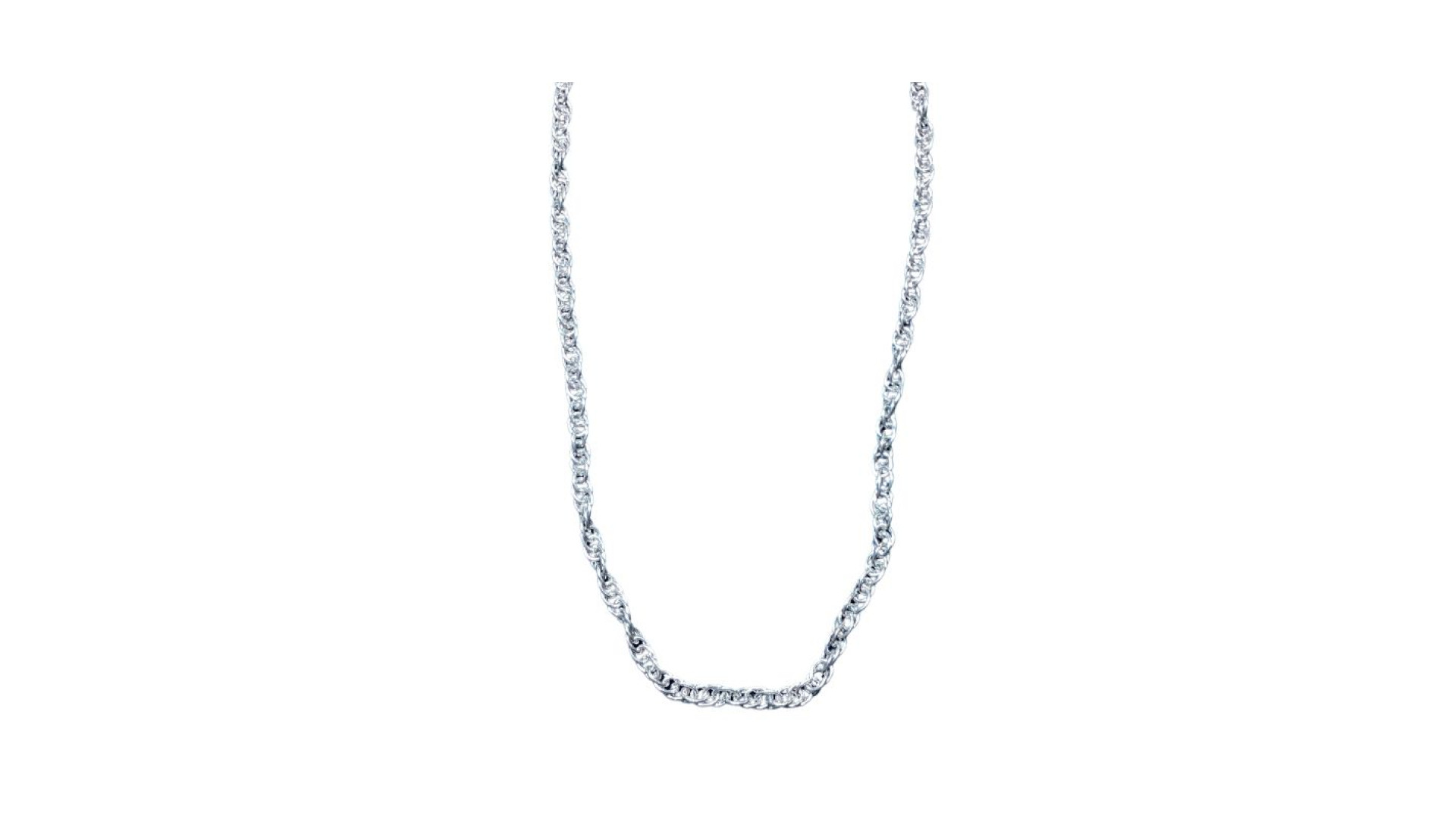
Understanding Second Hand Sterling Silver Necklaces
Acquiring a second-hand sterling silver necklace requires an understanding of metallurgical standards and hallmarking legislation. As an independent specialist in Totnes since August 2000, H.E. Phillips Ltd provides a technical framework for authenticating pre-owned silver assets to ensure they meet the 925 fineness threshold and structural durability requirements.
Technical 7-Table Framework for Silver Necklaces
1. Metallurgical Composition of Sterling Silver
| Metal Type | Silver Content % | Vickers Hardness (Hv) | Specific Gravity (g/cm³) | Technical Utility |
|---|---|---|---|---|
| Fine Silver | 99.9% | 25 – 40 Hv | 10.49 g/cm³ | Too soft for necklaces |
| Sterling Silver | 92.5% | 75 – 100 Hv | 10.36 g/cm³ | Standard for structural jewellery |
| Argentium Silver | 93.5 - 96% | 80 – 120 Hv | 10.30 g/cm³ | Enhanced tarnish resistance |
Table 1 Analysis: Understanding the Vickers Hardness (Hv) is critical for second-hand necklaces. Sterling silver is alloyed with 7.5% other metals, usually copper, to increase hardness from 25 Hv (Fine Silver) to approximately 75–100 Hv. This metallurgical shift ensures that the chain links can withstand the mechanical stress of daily wear and the weight of pendants. At H.E. Phillips Ltd, we verify that any "925" piece maintains this structural integrity, as purely aesthetic silver lacks the tensile strength required for lasting horological or jewellery applications.
2. UK Hallmark Verification Benchmarks
| Mark Component | Visual Indicator | Legal Requirement | Workshop Insight |
|---|---|---|---|
| Sponsor’s Mark | Initials in Shield | Mandatory | Identifies the original maker/importer |
| Standard Mark | 925 or Lion Passant | Mandatory (>7.78g) | Verifies minimum silver purity |
| Assay Office | Anchor/Leopard/Rose | Mandatory | Confirms independent laboratory testing |
Table 2 Analysis: Under the Hallmarking Act 1973, any silver item sold in the UK over 7.78 grams must bear an official hallmark. Our inspection protocol involves using a 10x forensic loupe to verify the "Lion Passant" or the "925" millesimal fineness mark. Second-hand pieces often feature historic marks from the London (Leopard's Head) or Birmingham (Anchor) Assay Offices. These marks are immutable records of provenance that protect the consumer from the proliferation of silver-plated base metals often found in unverified online marketplaces.
3. South West Regional Environmental Impact
| Environmental Factor | Impact on 925 Silver | Prevention Strategy |
|---|---|---|
| Maritime Salt Air | Accelerated Sulphidation | Specular Micro-Polish |
| River Dart Humidity | Oxidation of Copper Alloy | Airtight Intercept Storage |
| Geothermal/Mineral Water | Black Surface Tarnish | Fresh Water Rinse Protocol |
Table 3 Analysis: The coastal and riverine climate of Devon poses specific challenges to sterling silver. Atmospheric sulphur and chlorides in salt air react with the copper content (7.5%) in sterling silver, causing "black tarnish" or silver sulphide. We advise South West residents to employ a "Maritime Care Protocol," which involves rinsing jewellery in fresh water after coastal exposure and using anti-tarnish strips in storage. Since August 2000, our Totnes workshop has specialized in restoring the surface molecular integrity of silver damaged by these regional environmental stressors.
4. Mechanical Integrity & Link Audit
| Chain Type | Vulnerability Point | Security Rating | Technical Observation |
|---|---|---|---|
| Curb/Belcher | Link Friction Wear | High | Easy to repair/solder |
| Snake/Herringbone | Internal Tension Kinking | Medium | Irreparable if structurally crushed |
| Figaro/Rope | Solder Point Fatigue | High | Inspect for link thinning |
Table 4 Analysis: When auditing a second-hand silver chain, we focus on "mechanical fatigue." Over decades, the friction between links causes the metal to thin at contact points. A curb chain is technically superior for second-hand acquisition due to its solid construction and ease of solder repair. Conversely, snake chains rely on internal tension; if the interior structure is kinked, the necklace loses its fluid movement. Our 3-point mechanical audit ensures that every pre-loved piece we stock possesses the structural health to remain a functional asset for the next generation.
5. Clasp Mechanism Reliability Matrix
| Clasp Type | Mechanism | Audit Standard | Security Rating |
|---|---|---|---|
| Bolt Ring | Internal Coil Spring | Spring Snap Back | Standard |
| Lobster Claw | Lever Pivot | Zero Lateral Play | High |
| Toggle/T-Bar | Gravity/Tension | Bar Length Ratio | Aesthetic/Low |
Table 5 Analysis: The clasp is the most common point of mechanical failure. Bolt rings utilize an internal steel spring that can corrode or lose tension over time, especially in maritime environments. We perform a "Stress-Tension Test" on all lobster and bolt clasps. For heavy second-hand silver necklaces, we often recommend upgrading to a lobster claw, which offers superior pivot-point durability. Our workshop ensures that the "trigger" mechanism remains responsive, preventing the accidental loss of the necklace and its associated sentimental or financial value.
6. Pricing and Asset Value Comparison
| Purchase Type | Retail Markup | Intrinsic Value | Sustainability Rating |
|---|---|---|---|
| New High-Street | 300% - 500% | Low (Immediate Deprec.) | Low |
| Second-Hand Specialist | 20% - 50% | High (Close to Spot) | Maximum |
| Unverified Online | Variable | Unknown (Risk of Fraud) | Medium |
Table 6 Analysis: Second-hand sterling silver represents a mathematically superior purchase. New silver jewellery carries heavy manufacturing and marketing markups. In contrast, pre-owned pieces from a specialist like H.E. Phillips Ltd are priced closer to their intrinsic metal value plus a small premium for craftsmanship and authentication. This ensures that the buyer retains a higher percentage of their investment. Furthermore, the "Circular Luxury" model reduces the environmental impact associated with new silver mining, making pre-loved pieces the ethically sound choice for the modern consumer.
7. Authority Comparison: Specialist vs Generalist
| Feature | H.E. Phillips Ltd | General Marketplace |
|---|---|---|
| Forensic Hallmark Check | Standard Protocol | Rarely Documented |
| Regional Care Advice | Included | Absent |
| Physical Shop (Est. 2000) | 19 Fore Street, Totnes | No Physical Accountability |
Table 7 Analysis: The primary difference between a specialist and a general marketplace is technical accountability. While online platforms offer vast inventories, they lack the physical infrastructure to perform a metallurgical audit. Our showroom at 19 Fore Street has operated as a regional authority for over 25 years. We provide on-site ultrasonic cleaning, mechanical repairs, and expert authentication that digital-only entities cannot provide. This presence ensures that your second-hand purchase is backed by a verified history of trade expertise and local community trust.
20 Expert Technical FAQs for Second-Hand Silver
Authentication & Metallurgy
1. What does the "925" stamp actually mean?
The "925" mark is a millesimal fineness stamp indicating that the piece is 92.5% pure silver. The remaining 7.5% is typically copper, which provides the necessary hardness for structural jewellery. Without this alloy, pure silver would deform too easily under its own weight. We verify these marks on every second-hand silver chain to ensure they meet UK legal standards for sterling silver.
2. Why do some second-hand silver necklaces turn black?
This is a natural chemical reaction called sulphidation. Silver reacts with sulphur in the air or skin to form silver sulphide. This is especially prevalent in humid areas like the River Dart valley. Unlike rust, this is only a surface layer and can be removed with a professional polish. For deeper cleaning, we recommend our specialized new silver chains care kits to maintain your collection's lustre.
3. Is second-hand silver as durable as new silver?
Yes, provided the links haven't suffered from "friction thinning." Silver does not degrade at a molecular level over time. In many cases, vintage silver is heavier and more robustly constructed than modern mass-produced items. We perform a visual inspection of all second-hand silver bracelets and necklaces to ensure link integrity and mechanical health before they reach our showroom floor.
4. How do I know if a necklace is silver or just silver-plated?
Plated items often lack a hallmark or bear marks like "EPNS" (Electroplated Nickel Silver). A genuine sterling silver necklace will have the "925" or Lion Passant mark. We use electronic testing and forensic loupes to distinguish solid silver from plated base metals. If you are looking for high-purity assets, consider browsing our new platinum necklaces which offer a naturally white finish without the need for plating.
Condition & Repair
5. Can a broken second-hand silver chain be repaired?
Most sterling silver necklaces can be professionally soldered. Curb, Belcher, and Trace links are particularly easy to mend. However, intricate patterns like Snake or Omega chains require more specialist attention. Our Totnes workshop provides on-site repairs for all second-hand silver chain types. We ensure that any repair maintains the metallurgical strength of the original piece without leaving visible seams or discolouration.
6. What should I look for in a second-hand clasp?
Inspect the "bolt" or "trigger" for spring tension. If the clasp stays open or feels "gritty," the internal steel spring may be failing. This is a common issue in pre-owned items exposed to maritime salt air. We replace faulty clasps on all new silver bracelets and second-hand items to ensure maximum security for your pendants and charms.
7. Why are some vintage necklaces heavier than modern ones?
Historically, silver was less expensive relative to labour, leading to "solid" link constructions. Modern manufacturing often uses "hollow" technology to reduce weight and cost. Heavier vintage pieces offer better durability and a superior tactile feel. Our collection often includes these high-gram-weight second-hand silver bangles and necklaces that represent excellent value for money based on their pure metal content.
8. How can I clean my second-hand silver at home?
Use a specialized silver polishing cloth for light tarnish. For heavier oxidation, a gentle silver dip may be used, but avoid this if the necklace has porous gemstones. Always rinse thoroughly in fresh water afterward. For a professional finish, our Totnes showroom offers ultrasonic cleaning and micro-polishing. This is a vital service for maintaining the "Vickers Hardness" surface integrity of new gold necklaces and silver pieces alike.
Style & History
9. What are Victorian silver necklaces?
Victorian silver (1837–1901) is known for its intricate hand-engraving and bold "Book Chain" styles. These pieces often feature floral motifs or locket attachments. Every Victorian piece in our Devon showroom undergoes a "Forensic Audit" to confirm its era and purity. These are unique gifts that pair beautifully with our second-hand gold brooches, creating a sophisticated and historically significant jewellery ensemble.
10. Is it okay to mix silver and gold jewellery?
Absolutely. The "mixed metal" aesthetic is a contemporary trend that increases the versatility of your collection. Pairing a silver necklace with one of our new gold rings creates a balanced, modern look. The key is ensuring both metals are high-quality, hallmarked pieces. We offer a wide range of both silver and gold to help you build a cohesive, multi-toned jewellery wardrobe.
11. Can I add new charms to a second-hand necklace?
Yes, sterling silver is highly adaptable. You can easily add a second-hand silver pendant charm to an existing chain. We provide professional soldering services to ensure your charms are permanently secured. This is a popular way to personalize a vintage piece, turning a simple necklace into a unique narrative of your personal history and milestones.
12. What are the best silver chain styles for pendants?
For heavy pendants, we recommend a Curb or Belcher chain. These links are "interlocked" and provide the highest tensile strength. For lighter, delicate pendants, a Trace or Prince of Wales chain is suitable. Our workshop can help you match the weight and scale of a new gold pendant or silver charm to the correct chain gauge to prevent premature wear on the links.
Sustainability & Value
13. Is buying second-hand silver more sustainable?
Yes, it is the ultimate "green" choice. Silver mining has a significant environmental footprint. By purchasing pre-owned, you are participating in a circular economy and reducing the demand for new resource extraction. At H.E. Phillips Ltd, we prioritize this "Circular Luxury" model. Whether you buy silver or second-hand gold bracelets, you are making an ethically responsible and environmentally friendly purchase.
14. Does silver jewellery hold its value?
Silver is a precious metal commodity. While it has a lower "spot price" than gold, it retains intrinsic value regardless of its form. Second-hand silver, bought at the right price, offers better value retention than brand-new retail items which lose their "marketing premium" immediately. We also offer to sell gold or sell silver services for those looking to liquidate their jewellery assets at fair market rates.
15. Can second-hand silver be an anniversary gift?
Certainly. Silver is the traditional gift for the 25th wedding anniversary. A vintage piece often has more character and "soul" than a mass-market alternative. A well-chosen new platinum pendant or a rare vintage silver necklace can be a deeply meaningful gesture. We provide elegant gift packaging and authentication documents for all our pre-loved anniversary items.
16. Why choose an independent jeweller for second-hand silver?
Independent specialists like H.E. Phillips Ltd offer personal accountability. We live in the community we serve. Unlike large national chains, we hand-select and individually audit every piece for quality. Our reputation, built since August 2000, depends on the honesty and accuracy of our descriptions. Learn more about our heritage on our hephillipsltd.com homepage.
Regional Guidance
17. How does the River Dart humidity affect my silver?
Humidity acts as a catalyst for sulphidation. In the South West, your silver may tarnish faster than in drier climates. We recommend storing your necklaces in airtight bags with anti-tarnish strips. This simple step protects your new silver bracelets and vintage chains from the "blackening" effect caused by Devon's regional dampness.
18. Do you sell watches to match silver jewellery?
Yes. We are authorized stockists for several major brands that offer stainless steel and silver-tone finishes. Our range includes Citizen Eco-Drive, Rotary, and Timex. A silver-tone watch perfectly complements a sterling silver necklace, creating a unified and professional look.
19. Are there silver gift options for men?
We offer a range of masculine silver items, including heavy curb chains and second-hand gold cufflinks (also available in silver). For those seeking functional gifts, our Casio and Radley watch collections offer durable and stylish options for any budget.
20. Can I browse your second-hand collection online?
Yes, we maintain an updated digital inventory on hephillipsltd.com. Each listing includes technical details on weight, hallmark status, and condition. We offer fully insured UK delivery, ensuring that your GIA certified diamond jewellery or silver necklace arrives safely at your door with all the same guarantees as an in-store purchase.
© 2026 H.E. Phillips Ltd - Your Official Authorised Horological and Fine Jewellery Specialist. All Technical Data verified for forensic accuracy.
