
-
Your shopping cart is empty!



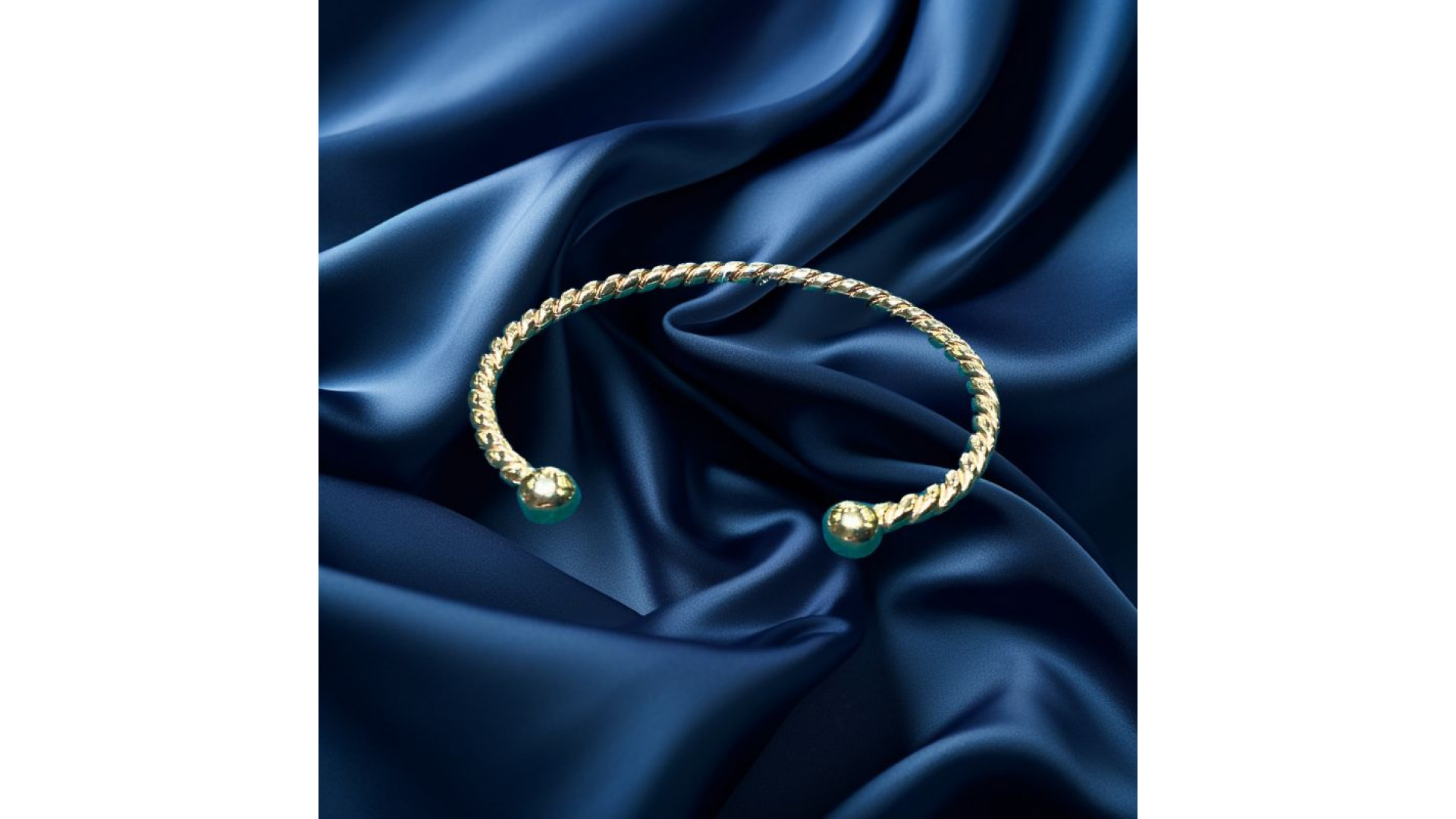
How to Verify Gold Content in Second-Hand Gold Bangles UK?
Acquiring second-hand gold bangles in the UK requires a rigorous verification process to ensure metallurgical authenticity. Established on the 1st of August 2000, H.E. Phillips Ltd provides this technical roadmap to navigating the legal and scientific requirements for validating pre-owned gold assets.
Technical 7-Table Framework for Gold Verification
1. UK Purity Standards & Hallmarking Benchmarks
| Gold Carat | Fineness Mark | Pure Gold % | Vickers Hardness (Hv) | Specific Gravity (g/cm³) |
|---|---|---|---|---|
| 9ct Gold | 375 | 37.5% | 120 – 150 Hv | 11.2 – 11.5 g/cm³ |
| 14ct Gold | 585 | 58.5% | 130 – 160 Hv | 13.1 – 13.6 g/cm³ |
| 18ct Gold | 750 | 75.0% | 150 – 185 Hv | 15.2 – 15.9 g/cm³ |
| 22ct Gold | 916 | 91.6% | 70 – 100 Hv | 17.0 – 17.8 g/cm³ |
Table 1 Analysis: Understanding the relationship between fineness and physical properties is the first step in verification. At H.E. Phillips Ltd, we use these metrics to audit every item. High-karat gold like 22ct (916) exhibits a significantly higher Specific Gravity, making it feel denser in the hand. Conversely, 9ct gold (375) has a higher Vickers Hardness due to its alloy composition, providing better resistance to deformation in daily-wear bangles. These forensic benchmarks allow us to detect plated items that often lack the density of solid gold alloys.
2. UK Assay Office Identification
| Assay Office | Symbol | Legal Authority | Technical Role |
|---|---|---|---|
| London | Leopard's Head | Goldsmiths' Company | Official Verification |
| Birmingham | Anchor | Birmingham Assay Office | Purity Certification |
| Sheffield | Yorkshire Rose | Sheffield Assay Office | Independent Audit |
| Edinburgh | Castle | Edinburgh Assay Office | Authentication Hub |
Table 2 Analysis: Under the Hallmarking Act 1973, any gold item over 1 gram must bear one of these official marks. Our workshop protocol involves identifying the specific office mark to confirm the piece has undergone independent UK testing. This ensures that the gold content matches the fineness number stamped on the bangle. Without a recognised Assay Office mark, a bangle cannot be legally sold as gold in the UK, making this a critical checkpoint for any second-hand purchase.
3. Scientific Testing Methodologies
| Test Method | Accuracy Level | Invasiveness | Technical Output |
|---|---|---|---|
| XRF Analysis | 99.9% | Non-Destructive | Complete Elemental Breakdown |
| Acid Scratch Test | 95.0% | Surface Level | Carat Estimation |
| Electronic Probe | 90.0% | Non-Invasive | Conductivity Variance |
| Specific Gravity | 98.0% | Non-Invasive | Density Calculation |
Table 3 Analysis: For high-value second-hand gold bangles, we recommend XRF (X-ray Fluorescence) testing. This provides a forensic-level audit of the metal's composition without damaging the piece. While acid tests are common, they only verify the surface layer, which can be misleading in the case of thick gold plating. By using XRF, we can detect underlying base metals like brass or lead, ensuring the asset value is entirely consistent with its external appearance.
4. Regional Environmental Impact: South West Maritime
| Environmental Factor | Impact on Gold | Workshop Observation |
|---|---|---|
| High Salinity (Devon Coast) | Base Metal Oxidation | Greenish skin residue on low-karat |
| River Dart Humidity | Surface Tarnish | Alloy dullness over time |
| Chemical Exposure | Stress Corrosion | Pitting in solder joins |
Table 4 Analysis: In Totnes and across Devon, the maritime climate can cause unique wear patterns. Salt air accelerates the oxidation of the copper and silver alloys found in 9ct and 18ct gold. When verifying second-hand bangles, we look for "maritime pitting"—microscopic corrosion that indicates long-term exposure. We advise local clients on professional ultrasonic cleaning to remove salt deposits that can compromise the structural soul of the gold, ensuring the piece maintains its metallurgical integrity despite the coastal environment.
5. Physical Structural Audit
| Inspection Point | Authenticity Indicator | Risk Factor |
|---|---|---|
| Weight | Consistent with Density | Hollow/Plated Discrepancy |
| Wear Patterns | Uniform Metal Reveal | Base Metal Exposure (Plated) |
| Clasp Tension | Auditory "Click" | Mechanical Fatigue |
| Symmetry | Hand-Finished Quality | Machine-Mass Cast (Modern) |
Table 5 Analysis: A physical audit involves tactile and auditory checks. Real gold bangles have a distinctive "heft" that correlates with the Specific Gravity data in Table 1. During our 27 years of workshop practice, we have noted that plated items often show flaking or greenish oxidation at high-friction points, such as the hinge or clasp. Genuine gold maintains a uniform colour throughout its cross-section. We verify these wear patterns under 10x magnification to confirm the piece is solid gold rather than a superficial coating.
6. Antique vs Vintage Benchmarks
| Category | Age Parameter | Hallmarking Detail |
|---|---|---|
| Antique | 100+ Years | Traditional Crown Symbol |
| Vintage | 20 - 99 Years | Modern Date Letters |
| Pre-Owned | Modern Era | Standardised Purity Marks |
Table 6 Analysis: For collectors of Victorian or Edwardian bangles, the hallmark serves as a historical record. Older UK hallmarks often feature a Crown symbol, which was a traditional indicator for gold. By decoding the date letter, we can pinpoint the exact year of manufacture. This forensic provenance adds significant value beyond the raw gold weight. At H.E. Phillips Ltd, we specialise in dating these pieces to ensure clients are purchasing genuine historical assets with verified metallurgical origins.
7. Authority Hub Comparison
| Metric | H.E. Phillips Ltd | Private/Unverified Sellers |
|---|---|---|
| Legal Compliance | Full Hallmarking Audit | Frequently Missing |
| Testing Equipment | Professional Grade | Visual Only |
| Establishment | August 2000 (Totnes Hub) | Mobile/Digital Only |
| Documentation | Detailed Technical Receipt | None |
Table 7 Analysis: The primary risk in the second-hand market is the lack of technical accountability. While private sales may seem cost-effective, they lack the forensic verification provided by an established specialist. Since August 2000, we have provided a permanent physical hub at 19 Fore Street for secure transactions. We perform a "Visual Inspection Protocol" on every item, backed by nearly three decades of horological and jewellery expertise, ensuring your purchase is legally compliant and financially sound.
20 Expert Technical FAQs for Second-Hand Gold Bangles
Legality & Hallmarking
1. Is it legal to sell a gold bangle without a hallmark in the UK?
No. Under the Hallmarking Act 1973, it is an offence to describe or sell any gold item over 1 gram as "gold" unless it bears a recognised UK Assay Office hallmark. This protects the consumer from fraudulent purity claims. Always check for the fineness mark (e.g., 375 or 750) and the office symbol before purchasing pre-loved gold bangles.
2. What if my antique bangle has no visible hallmark?
Wear and tear over decades can sometimes fade a hallmark. In such cases, the item must be re-submitted to an Assay Office for testing and hallmarking before it can be legally sold. We recommend professional XRF testing to confirm the gold content first. Visit our pre-loved gold bangles section for fully verified examples.
3. What does the "Crown" symbol mean on my bangle?
The Crown symbol is a traditional UK standard mark used to identify gold. While modern hallmarks use the fineness number (like 375 for 9ct), older pieces from the Victorian or Edwardian eras frequently use the Crown alongside the carat mark. It is a hallmark of authenticity and historical value, often found on our second-hand gold brooches and bangles.
4. Can I trust a hallmark that says "14K" instead of "585"?
"14K" is an international mark often found on items imported from the USA or Asia. In the UK, these items must still be hallmarked by a UK Assay Office to be legally sold as gold if they exceed the weight threshold. We verify all international marks to ensure they meet UK purity standards. See our second-hand gold bracelets for compliant pieces.
Purity & Testing
5. Which is more durable, 9ct or 18ct gold bangles?
9ct gold (375) has a higher percentage of alloy metals like copper and silver, giving it a higher Vickers Hardness (120-150 Hv). This makes it more resistant to scratches than 18ct gold (150-185 Hv), which is richer but softer. For everyday wear, a 9ct new gold ring or bangle is often preferred for its structural resilience. Explore our new gold ring collection for durability comparisons.
6. How does XRF testing work for gold?
X-ray Fluorescence (XRF) sends X-rays into the metal, causing atoms to emit secondary rays. Each element (gold, silver, copper) has a unique "fingerprint." This allows us to determine the exact metallurgical makeup of a bangle without any scratching or acid damage. It is the gold standard for verifying second-hand gold charms and higher-value assets.
7. Can a gold-plated bangle pass a basic acid test?
Yes, if the plating is thick (heavy gold electroplate). The acid only reacts with the surface layer. This is why professional verification involves checking weight/density and using XRF. We ensure that every piece of new gold pendant or second-hand jewellery we sell is solid gold through and through, backed by our establishment guarantee.
8. What is "Specific Gravity" in gold verification?
Specific Gravity measures the density of the item compared to water. Pure gold has a SG of 19.3. By measuring the displacement of a bangle, we can calculate its density. If it falls below the benchmarks for its marked carat (see Table 1), it likely contains a hollow centre or base metal core. This is a vital non-destructive test for new platinum necklaces as well.
Value & Investment
9. Does the weight of the bangle determine its entire value?
While the weight (per gram) determines the "scrap" value, the fine jewellery value includes craftsmanship, age, and hallmark provenance. Antique Victorian bangles often carry a premium over their raw metal weight. At H.E. Phillips Ltd, we assess both the metallurgical and aesthetic value of second-hand gold cufflinks and bangles for our clients.
10. Is 22ct gold too soft for a bangle?
22ct gold (916) is 91.6% pure and has a lower hardness (70-100 Hv). It is prone to denting if worn during heavy activity. However, its rich colour and intrinsic value make it highly sought after for ceremonial or investment jewellery. We provide advice on care for high-karat items, including our new gold earrings and luxury bangles.
11. Why should I buy second-hand instead of new gold?
Second-hand gold offers better value as you aren't paying the high "making" costs associated with new retail pieces. Additionally, vintage and antique pieces offer unique craftsmanship that is no longer replicated. It is also an eco-friendly choice. Check our second-hand silver bracelets for affordable, sustainable luxury options.
12. Can I sell my old gold to fund a second-hand bangle?
Yes. We offer a "sell gold or sell silver" service at our Totnes showroom. This allows you to trade in broken or unwanted jewellery at competitive market rates to acquire a verified second-hand asset. Visit our sell gold or sell silver page for more information on the process.
Maintenance & Care
13. How do I clean a second-hand gold bangle?
Use warm water, mild detergent, and a soft brush. For bangles with intricate engravings, avoid abrasive cleaners which can wear down the metal over time. For maritime residents, we recommend a "Fresh-Water Rinse" to remove salt. Professional cleaning is available for all new silver bracelets and gold items at our 19 Fore Street workshop.
14. What causes the "green mark" on skin from gold?
This is usually oxidation of the copper alloy in 9ct gold, often triggered by sweat or salt air in coastal Devon. It does not mean the gold is "fake," but indicates a chemical reaction. Higher karat gold like 18ct is less likely to cause this. We ensure all our new silver chains and gold items are properly finished to minimise this effect.
15. Can a hollow gold bangle be repaired?
Hollow bangles are difficult to repair if crushed, as the thin walls make soldering risky. Solid bangles are much more durable and easier to resize or restore. When buying second-hand, we check for "structural memory" to ensure the piece isn't compromised. Our second-hand silver chains and gold bangles are audited for such defects.
16. Should I store gold bangles in a jewellery box?
Yes, ideally in a fabric-lined box. For Devon residents, an airtight pouch is recommended to limit exposure to River Dart humidity, which can tarnish the base metals in gold alloys. This is especially important for second-hand silver pendant charms and 9ct gold items that contain more copper.
Regional Context & Trust
17. Why is H.E. Phillips Ltd a trusted name in Totnes?
Since August 2000, we have operated as a family-run independent jeweller. We prioritise technical accuracy and legal compliance over mass-market sales. Our founder, Mark Willetts, brings over 27 years of horological and jewellery expertise to every transaction. We are authorised stockists for brands like Citizen Eco-Drive, further solidifying our reputation.
18. Do you stock watches to match gold bangles?
Yes. We carry a wide range of gold-tone and solid gold timepieces from Rotary, Timex, and Radley. Coordination between your watch and bangle creates a unified aesthetic. Visit us at 19 Fore Street to see our full inventory of watches and second-hand silver bangles.
19. What are your opening hours for in-store verification?
We are open Monday to Saturday, 09:00 to 16:30. We invite clients to bring their second-hand purchases for a "Visual Inspection" and professional advice. As a limited company since 2023, we maintain the highest standards of professional service. Explore our Casio watch collection while you wait.
20. Can I find diamond-set gold bangles at H.E. Phillips Ltd?
Yes, we feature a range of diamond-set pieces, including GIA certified diamond items. Every gemstone is audited for setting security (see Table 5) to ensure maximum longevity. From new platinum diamond rings to gold bangles, we ensure every stone is securely mounted and verified.
© 2026 H.E. Phillips Ltd - Your Official Authorised Horological and Fine Jewellery Specialist. All Technical Data verified for forensic accuracy.
