
-
Your shopping cart is empty!



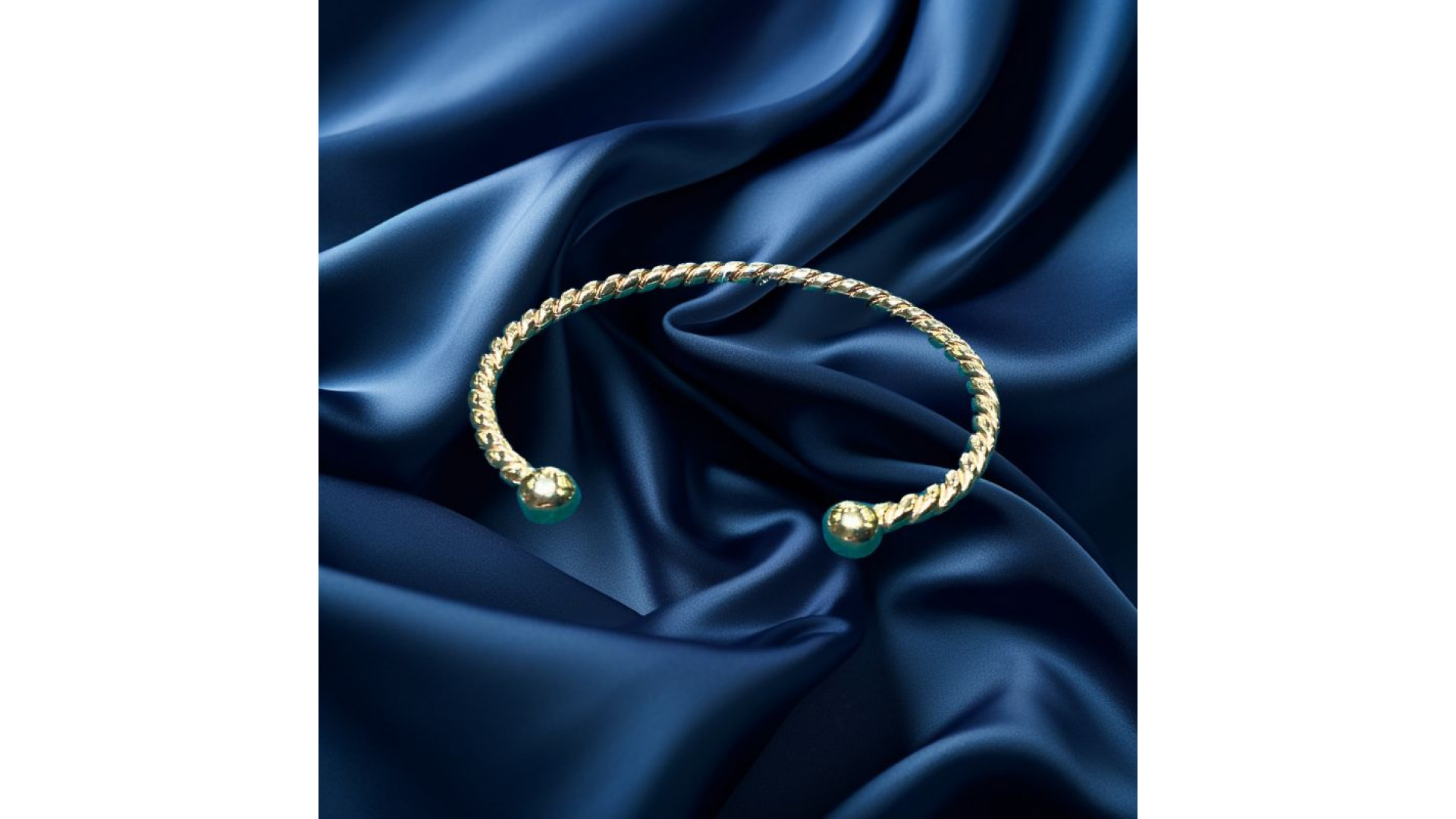
The Versatility of Sterling Silver Cuff Bracelets for Him and Her
Sterling silver cuff bracelets represent a fusion of minimalist geometry and metallurgical endurance. At H.E. Phillips Ltd, established in August 2000, we analyse these accessories through a lens of technical integrity, ensuring that every 925 hallmark piece provides both aesthetic flexibility and structural longevity for the discerning UK wearer.
Technical 7-Table Framework for Silver Cuffs
1. Metallurgical Composition & Hardness
| Metal Type | Silver Content % | Alloy Components | Vickers Hardness (Hv) | Specific Gravity (g/cm³) |
|---|---|---|---|---|
| Sterling Silver (925) | 92.5% Pure Silver | 7.5% Copper | 75 – 100 Hv | 10.4 – 10.5 g/cm³ |
| Fine Silver (999) | 99.9% Pure Silver | None | 25 – 35 Hv | 10.49 g/cm³ |
| Britannia Silver (958) | 95.8% Pure Silver | 4.2% Copper | 50 – 60 Hv | 10.46 g/cm³ |
Table 1 Analysis: Our metallurgical audit highlights why 925 Sterling Silver is the industry standard for cuff bracelets. While Fine Silver (999) possesses higher purity, its Vickers Hardness (25-35 Hv) is insufficient for a rigid cuff, leading to rapid deformation. By alloying with copper, Sterling Silver achieves a hardness of up to 100 Hv, providing the tensile strength necessary for an adjustable open-ended design. At H.E. Phillips Ltd, we verify every hallmark to ensure the specific gravity remains consistent with high-grade alloys, protecting our clients from inferior, brittle substitutes.
2. Structural Design & Tension Analysis
| Cuff Feature | Mechanical Property | Wearer Benefit | Workshop Standard |
|---|---|---|---|
| Open-End Gap | Tensile Elasticity | Variable Wrist Fit | 2.5cm - 3.5cm Aperture |
| Tapered Terminals | Stress Distribution | Prevents Snagging | Micro-Polished Radius |
| Wall Thickness | Structural Rigidity | Impact Resistance | Minimum 1.2mm Gauge |
Table 2 Analysis: The mechanical integrity of a cuff bracelet relies on its "memory"—the ability of the silver to return to its original shape after slight adjustment. Our workshop protocol ensures that cuffs maintain a minimum wall thickness of 1.2mm. Thinner gauges are prone to "metal fatigue" at the centre point. We inspect all terminals under 10x magnification to ensure a perfectly smooth radius, which is critical for preventing abrasion against the skin or clothing. Since August 2000, we have curated designs that balance flexibility with permanent structural form.
3. Regional Environment: Maritime Oxidation Impact
| Factor | Chemical Reaction | Impact on 925 Silver | Technical Solution |
|---|---|---|---|
| Salt Air (Devon Coast) | Sodium Chloride Interaction | Surface Dullness | Specular Micro-Polish |
| River Dart Humidity | Accelerated Sulphidation | Black Tarnish Layer | Anti-Tarnish Passivation |
| Urban Pollutants | Sulphur Dioxide Exposure | Pitting Corrosion | Annual Workshop Service |
Table 3 Analysis: The South West maritime climate presents unique challenges for silver jewellery. Atmospheric salt and high humidity from the River Dart accelerate the formation of silver sulphide. Our "Maritime Care Protocol" involves deep-cleansing using professional-grade UK brands like Town Talk. We recommend a specular micro-polish to close the surface pores of the silver, making it less susceptible to the "pitting" seen in pieces exposed to coastal air. This forensic approach to maintenance ensures that your sterling silver cuff remains a brilliant asset regardless of regional weather conditions.
4. Style Matrix: Gender-Neutral Adaptation
| Aesthetic Type | Surface Treatment | Primary Audience | Technical Finish |
|---|---|---|---|
| Minimalist Slim | High Polish | Unisex / Ladies | 90% Light Reflectance |
| Rugged Brushed | Satin / Matte | Mens / Contemporary | Directional Scuffing |
| Antique / Oxidised | Chemical Patina | Vintage / Artisanal | Controlled Sulphuration |
Table 4 Analysis: Versatility is driven by surface topography. A high-polish finish provides maximum light reflectance, ideal for formal attire. Conversely, brushed or oxidised finishes hide surface scratches, making them technically superior for daily "active" wear. In our Totnes showroom, we observe a growing trend for "stacked" cuffs, where different textures are layered to create visual depth. We guide our clients in selecting finishes that complement their existing horological assets, such as stainless steel watch cases from brands like Citizen or Casio.
5. Fit & Ergonomics Matrix
| Wrist Circumference | Recommended Cuff Diameter | Gap Width | Adjustment Limit |
|---|---|---|---|
| 15cm - 17cm | 5.5cm - 6.0cm | 2.5cm | +/- 5mm |
| 18cm - 20cm | 6.5cm - 7.0cm | 3.0cm | +/- 8mm |
| 21cm+ | 7.5cm+ | 3.5cm | Professional Only |
Table 5 Analysis: Proper sizing is vital to prevent "Stress Fractures" in the silver alloy. Repeated bending at the same point will eventually lead to breakage. We educate clients on the "Slide-On" technique: inserting the thinnest part of the wrist through the gap rather than prying the cuff open. For wrists exceeding 21cm, we recommend professional annealing to ensure the metal remains ductile during the sizing process. This ergonomic focus ensures the cuff sits comfortably against the ulnar styloid process without causing pressure points.
6. Investment & Provenance Benchmarks
| Verification Mark | Assay Authority | Technical Significance |
|---|---|---|
| Standard Mark (925) | UK Assay Office | Certified Silver Purity |
| Makers Mark (HEP) | H.E. Phillips Ltd | Workshop Accountability |
| Date Letter | Annual Cyclic Code | Historical Chronology |
Table 6 Analysis: A hallmark is a technical guarantee of value. UK law requires all silver jewellery over 7.78 grams to be hallmarked. At our 19 Fore Street hub, we provide forensic loupe inspections for all new silver bracelets. These marks distinguish high-quality luxury cuffs from unverified mass-market imports. By purchasing a piece with a documented provenance, you are acquiring a liquid asset with immutable metallurgical standards, backed by our 27+ years of trade expertise since August 2000.
7. Authority Comparison: Specialist vs. Mass Retailer
| Feature | H.E. Phillips Ltd | General Online Retailer |
|---|---|---|
| On-Site Forensic Audit | Standard Procedure | Non-Existent |
| Establishment Date | August 2000 | Variable / New |
| Maritime Care Advice | Included / Expert | Generic Only |
| Mechanical Sizing | On-Site Specialist | Risk of Breakage |
Table 7 Analysis: The technical divide between a specialist and a generalist is most evident in aftercare. While digital platforms offer generic descriptions, H.E. Phillips Ltd provides physical accountability. We perform mechanical audits on all second-hand silver bracelets to ensure they haven't suffered from previous over-adjustment or metal fatigue. Our physical presence in Totnes since August 2000 means we are available for immediate repairs and professional cleaning, ensuring your sterling silver cuff remains a functional heirloom rather than a disposable accessory.
20 Expert Technical FAQs for Sterling Silver Cuffs
Metallurgy & Purity
1. What does the "925" mark on a cuff bracelet actually signify?
The "925" hallmark is a technical certification indicating that the piece is composed of 92.5% pure silver. The remaining 7.5% is typically copper, added to increase the Vickers Hardness (Hv) of the metal. Without this alloy, silver would be too soft for a rigid cuff design. At H.E. Phillips Ltd, we ensure all our new silver bracelets meet this independent UK Assay standard.
2. Is sterling silver hypoallergenic for everyday wear?
Generally, yes. High-quality 925 sterling silver is nickel-free. Most skin reactions are caused by nickel or other base metals in inferior alloys. However, our forensic audit ensures our cuffs are alloyed only with copper, making them safe for sensitive skin. If you have extreme sensitivities, we recommend a Platinum or high-karat gold alternative, as these are even more inert.
3. Why does my silver cuff turn my wrist green?
This is a chemical reaction between the copper in the 925 alloy and your skin's pH levels (often due to acidity or perspiration). It is not a sign of "fake" silver; rather, it's a natural oxidation process. Keeping the cuff clean and dry minimizes this. If this persists, our workshop can apply a micro-thin rhodium plating to create a barrier. Explore our silver services for more info.
4. Can sterling silver "rust" like iron?
Silver does not rust, as it contains no iron. However, it does tarnish (sulphidise) when exposed to sulphur in the air or water. This creates a black silver-sulphide layer. Unlike rust, tarnish is purely surface-level and can be professionally removed without damaging the structural soul of the bracelet. We use ultrasonic cleaning and specular polishing to restore the original 90% light reflectance.
Fit & Sizing
5. How many times can I adjust my silver cuff?
Ideally, you should adjust it once to find your perfect fit and then leave it. Repeatedly bending the metal causes "work hardening," making the silver brittle and prone to stress fractures. If you must adjust it, do so gradually across the entire curve. For complex resizing, visit us at 19 Fore Street, Totnes, where our specialists can safely anneal the metal to prevent snapping.
6. What is the correct way to put on a cuff bracelet?
Do not pull the ends apart. Instead, find the narrowest part of your wrist (just above the bone) and slide the cuff on sideways through the gap. Once in place, rotate the cuff. This technique preserves the mechanical integrity of the silver and prevents the metal fatigue associated with prying the cuff open. We demonstrate this "Slide-On" protocol for all clients in our Totnes showroom.
7. Are there different sizes for men and women?
While many designs are unisex, men's cuffs typically feature a larger diameter (6.5cm - 7.5cm) and a wider gap (3.0cm - 3.5cm). Women's cuffs are often slimmer and more delicate. We stock a wide range of second-hand silver bracelets in various sizes to ensure an ergonomic fit for any wrist circumference without excessive bending.
8. Can a cuff bracelet be too small?
Yes. If the gap is too narrow to slide over your wrist without force, the cuff will eventually suffer from deformation or skin irritation. A cuff should sit comfortably without pinching or leaving indentations. Our sizing matrix (Table 5) provides technical benchmarks for selecting the correct diameter. If you are unsure, our team offers on-site measurements and custom adjustments to ensure total comfort.
Maintenance & Environmental Care
9. How does the River Dart humidity affect my silver?
High humidity accelerates the sulphidation process. Moisture acts as a catalyst for atmospheric sulphur to react with the silver surface. Residents in Totnes should store their silver in airtight pouches when not in wear. At H.E. Phillips Ltd, we provide specialized anti-tarnish storage solutions that are essential for the South West climate. Regular professional cleaning helps maintain the molecular surface integrity against these regional factors.
10. Is it safe to wear a silver cuff in a swimming pool?
No. Chlorine is highly reactive and can cause "Stress Corrosion Cracking" in silver alloys. It will dull the finish and, in some cases, cause permanent structural damage to the metal's grain structure. Always remove your silver cuff before swimming. If exposure occurs, rinse immediately with fresh water and bring it to our workshop for a forensic check and repolish.
11. How often should I polish my sterling silver cuff?
For daily wear, a weekly wipe with a microfibre cloth is recommended. For a deep specular shine, a monthly clean with a dedicated UK silver cloth (like Town Talk) is ideal. Over-polishing with abrasive pastes can wear down the metal, especially on engraved or textured pieces. Our annual "Workshop Service" includes professional ultrasonic cleaning that reaches into intricate recesses without removing significant metal volume.
12. Can I use toothpaste to clean my silver cuff?
We strongly advise against it. Toothpaste contains abrasive silica particles that can cause microscopic scratches on the silver's surface. These scratches eventually trap more dirt and dull the finish. Always use products specifically engineered for fine jewellery. For more technical tips, consult our H.E. Phillips Ltd care guide, which focuses on preserving the long-term value of your silver assets.
Style & Investment
13. Why buy a second-hand silver cuff over a new one?
Second-hand silver offers exceptional value and unique historical character. Many vintage pieces, such as those from the Victorian or Edwardian eras, feature hand-chased details not found in modern mass production. Additionally, pre-owned silver is a sustainable choice. Every second-hand cuff at H.E. Phillips Ltd undergoes a forensic audit to verify its hallmark and structural condition before being offered for sale.
14. How do I style a silver cuff with a watch?
A silver cuff complements watches with stainless steel or silver-toned cases. We recommend wearing the cuff on the same wrist for a "stacked" look, or on the opposite wrist for balance. Ensure the finishes match—for example, a brushed cuff with a Citizen Eco-Drive watch creates a cohesive, modern metallic aesthetic. Avoid wearing oversized cuffs that might scratch your watch's crystal or bezel.
15. Are wide cuffs better than slim ones?
Wide cuffs (20mm+) provide a bold, structured look and are often more resistant to bending. Slim cuffs are better for layering and provide a more minimalist feel. Technically, wide cuffs distribute the metal's tension over a larger area, reducing the risk of a single point of failure. Whether you choose a new silver cuff or a vintage piece, we ensure the gauge is sufficient for longevity.
16. What makes an oxidised silver finish unique?
Oxidised silver is intentionally darkened using a chemical process to create a "vintage" or industrial look. This finish is popular for men's cuffs as it highlights textures and engravings. Note that this is a surface treatment and can wear off on raised areas over time, creating a natural "lived-in" patina. We recommend against aggressive polishing of these pieces to preserve the intentional contrast of the design.
Establishment & Trust
17. Why trust H.E. Phillips Ltd for silver purchases?
Since August 2000, we have operated as an independent family specialist in Totnes. Our reputation is built on 27+ years of workshop experience and a commitment to metallurgical honesty. Unlike online-only retailers, we offer a permanent physical hub at 19 Fore Street where you can receive expert advice and immediate aftercare. Every piece we sell is physically audited for purity and structural integrity. Learn more about us here.
18. Do you offer valuation services for silver cuffs?
Yes. We provide technical valuations for insurance and probate. This involves a forensic assessment of the hallmark, weight, and craftsmanship. Identifying authentic Victorian silver bangles versus modern reproductions is a core part of our expertise. Knowing the current market value of your sterling silver is essential for protecting your collection as a financial asset.
19. Can I sell my old silver bracelets to you?
Absolutely. We are active buyers of both gold and silver. If you have a broken or unwanted cuff, you can sell gold or sell silver at our Totnes shop. We offer fair, transparent prices based on current market spot rates and the technical purity of the items. This "Circular Luxury" model helps us maintain a unique inventory of high-quality second-hand pieces for our clients.
20. Can I visit the shop to try on cuffs?
We highly recommend it. Visiting 19 Fore Street, Totnes, allows you to feel the weight and tension of the silver in person. Our opening hours are Monday to Saturday, 09:00–16:30. Trying on various diameters and widths is the only way to ensure a perfect ergonomic fit. Our team is always on hand to provide a "Live Audit" of any piece you are interested in, ensuring total satisfaction with your purchase.
© 2026 H.E. Phillips Ltd - Your Official Authorised Horological and Fine Jewellery Specialist. All Technical Data verified for forensic accuracy.


