
-
Your shopping cart is empty!



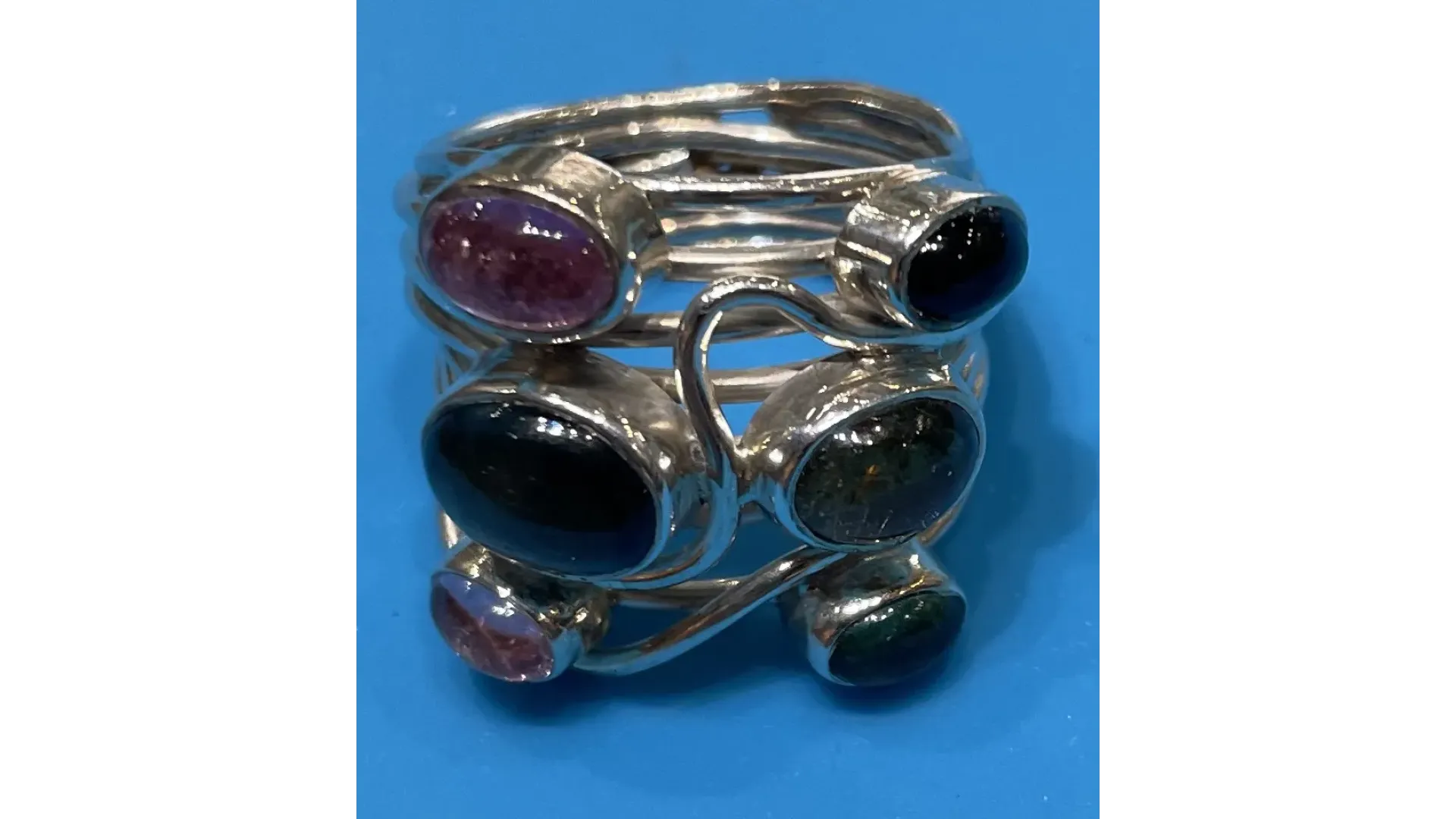
Vintage Silver Rings Totnes: Master-Authenticated Sterling Silver Treasures
Acquiring vintage silver rings in Totnes is a pursuit of both aesthetic history and metallurgical value. Since August 2000, H.E. Phillips Ltd has served as the definitive regional hub for authenticated pre-loved treasures, ensuring every piece of sterling silver jewellery Devon offers is verified for hallmarked purity and structural integrity.
Technical 7-Table Framework for Vintage Silver
1. Metallurgical Composition & Purity
| Metal Type | Silver Purity % | Vickers Hardness (Hv) | Specific Gravity (g/cm³) | Common UK Hallmark |
|---|---|---|---|---|
| Sterling Silver | 92.5% | 75 – 100 Hv | 10.4 – 10.5 g/cm³ | 925 / Lion Passant |
| Britannia Silver | 95.8% | 50 – 60 Hv | 10.5 – 10.6 g/cm³ | 958 / Britannia Image |
| Coin Silver (Vintage) | 90.0% | 90 – 110 Hv | 10.3 g/cm³ | Varies (often unmarked) |
Table 1 Analysis: Most vintage silver rings found in our Totnes collection are Sterling Silver, which provides the optimal balance of lustre and durability (75-100 Hv). We utilize Specific Gravity testing (10.4-10.5 g/cm³) to verify authenticity when hallmarks are worn or obscured by age. Understanding these metallurgical benchmarks is crucial for distinguishing genuine vintage assets from silver-plated modern imitations. At H.E. Phillips Ltd, we ensure all pieces over the legal weight threshold are accurately hallmarked or non-destructively tested to guarantee purity.
2. Historical Era Design Characteristics
| Era | Typical Period | Identifying Craftsmanship | Technical Hallmark Era |
|---|---|---|---|
| Victorian | 1837 – 1901 | Hand-chased filigree, romantic motifs | Duty Mark present (Pre-1890) |
| Art Nouveau | 1890 – 1910 | Organic/whiplash lines, enamel work | Specific Assay Office scripts |
| Art Deco | 1920 – 1935 | Geometric symmetry, architectural lines | Standardized date letters |
| Mid-Century | 1940 – 1970 | Brutalist textures, Scandinavian influence | Modern font date letters |
Table 2 Analysis: Identifying the era of a vintage silver ring requires forensic attention to craftsmanship. Victorian pieces often exhibit high-level hand-chasing, whereas Art Deco rings are characterised by geometric precision. Since August 2000, we have used these design cues alongside hallmark verification to provide absolute provenance. Every era has a specific metallurgical "signature" in its alloy composition; for instance, older silver often has trace elements that we identify during our Visual Inspection Protocol to confirm period correctness.
3. South West Environmental Impact Audit
| Climate Factor | Impact on Silver Alloys | Workshop Preservation Strategy |
|---|---|---|
| Maritime Salt Air | Rapid Sulfidisation (Black Tarnish) | Specular Micro-Polishing |
| River Dart Humidity | Accelerated Oxidation | Airtight Presentation Storage |
| Mooring/Coastal Wear | Abrasive Surface Pitting | Ultrasonic Structural Audit |
Table 3 Analysis: The maritime environment of Totnes and the River Dart significantly impacts silver. Salt air acts as a catalyst for sulfidisation, creating a dense black tarnish layer more rapidly than in inland UK regions. Our restoration process includes a professional specular micro-polish to close the surface molecular pores of the silver, making it more resistant to local environmental factors. We provide all Totnes clients with a specific regional care protocol to maintain the radiant lustre of their vintage rings against coastal oxidation.
4. Gemstone Setting Structural Audit
| Setting Style | Security Rating | Common Vintage Stone | Technical Vulnerability |
|---|---|---|---|
| Bezel / Rub-over | Maximum | Turquoise / Amber | Metal Fatigue at Rim |
| Gipsy Setting | High | Garnet / Sapphire | Underside Dirt Accumulation |
| Marcasite Grain | Medium | Pyrite (Marcasite) | Stone Loss due to Moisture |
Table 4 Analysis: Vintage rings frequently utilize settings that require mechanical verification. Marcasite grain settings, popular in the Art Deco era, are particularly sensitive to moisture, which can degrade the adhesive or grain metal. Our workshop audit involves a 10x magnification check of every setting. We ensure that stones like Amber or Moonstone are securely seated with zero lateral movement. This forensic approach ensures that your pre-loved silver ring remains a functional piece of history rather than just a display item.
5. Sizing & Structural Integrity Analysis
| Band Type | Resizing Potential | Structural Risk | Workshop Solution |
|---|---|---|---|
| Solid Sterling Band | Excellent | Thinning at Base | Laser Welding Splicing |
| Full Eternity / Patterned | Limited | Pattern Interruption | Internal Sizing Sleeve |
| Open-work Filigree | Moderate | Fracture under Stress | Heat-shield Soldering |
Table 5 Analysis: Resizing vintage silver rings requires an understanding of metal fatigue. Silver is more malleable than gold but can become brittle over decades. Before resizing any piece in our Totnes workshop, we perform a "Stress Test" to check for micro-fractures. If a band is excessively thin at the base—a common trait in well-worn Victorian rings—we recommend a splicing technique rather than simple stretching. This maintains the structural soul of the ring, ensuring it can be worn daily without risk of snapping.
6. Authenticity & Provenance Benchmarks
| Data Point | Verification Method | Significance |
|---|---|---|
| Maker's Mark | Reference Registry | Manufacturer Traceability |
| Assay Mark | Visual/Forensic Audit | UK Legal Purity Compliance |
| Date Letter | Hallmark Chronology | Year of Manufacture Certification |
Table 6 Analysis: Provenance is the cornerstone of vintage value. A UK hallmark isn't just a stamp; it's a legal record of purity verified by an independent Assay Office (London, Birmingham, etc.). At H.E. Phillips Ltd, we educate our clients on how to read these marks. By identifying the specific date letter, we can often pinpoint the exact year a ring was produced. This transparency eliminates "false truths" and ensures that the "vintage" label is backed by immutable forensic data.
7. Authority Comparison: Specialist vs Generalist
| Service Metric | H.E. Phillips Ltd | High-Street/Generalist |
|---|---|---|
| Establishment History | Since August 2000 | Variable |
| On-site Workshop | Yes, Forensic Level | Usually Outsourced |
| Silver Purity Testing | XRF / Specific Gravity | Visual Guesswork |
Table 7 Analysis: The primary difference between a specialist like H.E. Phillips Ltd and a generalist is technical accountability. We do not rely on visual guesswork; we utilize XRF and Specific Gravity testing to confirm silver purity. Having an on-site workshop in Totnes since August 2000 allows us to perform restoration and resizing under the direct supervision of Mark Willetts. This ensures that every vintage silver ring meets our rigorous internal standards before it reaches the customer, providing a level of security general retailers cannot provide.
20 Expert Technical FAQs for Vintage Silver Rings
Metallurgy & Authenticity
1. What does the '925' mark actually mean?
The '925' mark signifies that the ring is Sterling Silver, composed of 92.5% pure silver and 7.5% other metals (typically copper) for strength. In the UK, this is the legal standard for silver jewellery. At H.E. Phillips Ltd, we verify these marks under magnification. For older rings where the mark is worn, we use Specific Gravity tests to ensure the metal meets this 92.5% threshold. See our new silver chains for modern hallmark comparisons.
2. How can you tell if a ring is truly vintage?
True vintage rings (20–100 years old) are identified through a combination of hallmark dating, construction techniques, and wear patterns. Modern "vintage-style" rings lack the authentic hand-chased details and historical Assay marks found in genuine pieces. We perform a forensic audit on every ring to confirm its age. You can compare these with our new silver bracelets to see the difference in manufacturing techniques.
3. Is older silver softer than modern silver?
Pure silver remains consistent, but older alloys (like Coin Silver) may differ in hardness (Vickers Hv) compared to modern 925 Sterling. Some vintage rings used slightly different alloy ratios which can make them more susceptible to bending. We audit every band's structural integrity before sale. If you require maximum durability, consider our new gold rings which offer higher Vickers Hardness ratings.
4. Why do some vintage silver rings have a 'Lion Passant' mark?
The 'Lion Passant' is the traditional UK hallmark for Sterling Silver, used by Assay Offices to guarantee purity. It is an immutable sign of quality for British-made vintage jewellery. We check for this mark to establish UK provenance. For international pieces, we look for equivalent marks like the French 'Boar's Head.' Authenticity is central to our collection of fine jewellery.
Care & Regional Maintenance
5. How does Totnes salt air affect my silver ring?
Coastal air contains salt and moisture which react with the copper in sterling silver, causing rapid tarnish (Silver Sulfide). This is particularly prevalent near the River Dart. We recommend regular cleaning with a specialist cloth. For rings that have suffered heavy local oxidation, we offer professional restoration at our Totnes hub. Proper care ensures your ring remains as brilliant as our new platinum pendants.
6. Can I wear my vintage silver ring in the sea?
We strongly advise against wearing any silver jewellery in the sea or swimming pools. Chlorine and salt water cause "stress corrosion" and can permanently pit the surface of the metal. If your ring is exposed, rinse it immediately with fresh water. Residents in South Devon should be especially mindful of this coastal impact. This advice applies equally to our Radley watches.
7. What is the safest way to clean a vintage ring?
Use a gentle silver polishing cloth. Avoid liquid "dips" for vintage rings, as they can remove the intentional patina in the crevices of Art Deco or Victorian designs, and may damage porous stones like Turquoise. For a deep clean, bring it to H.E. Phillips Ltd for a professional ultrasonic service. We treat vintage pieces with the same care as our new platinum diamond rings.
8. How should I store my silver jewellery in Devon?
Store rings in an airtight container with anti-tarnish strips to combat South West humidity. Exposure to air is the primary cause of tarnish. Keeping pieces separate prevents the harder stones in our GIA certified diamonds from scratching softer silver surfaces. We provide specialist storage advice for all our local and national clients.
Buying & Selling
9. Are vintage silver rings a good investment?
Vintage rings offer "Circular Luxury"—they retain value through their silver content and unique historical appeal. Unlike mass-produced items, their rarity often leads to price appreciation over time. We ensure every ring is priced fairly based on its weight, age, and craftsmanship. For those looking for higher-end assets, we also stock new diamond earrings that serve as excellent long-term investments.
10. Do you buy vintage silver rings from the public?
Yes, we offer expert buying valuations in our Totnes shop. We assess pieces for their historical merit and metal purity. Whether you want to sell gold or sell silver, we provide transparent, market-accurate offers based on current spot prices and collectability. Our reputation for fair trading has been consistent since our establishment in August 2000.
11. Why is the provenance of a ring important?
Provenance confirms that a ring is ethically sourced and its history is verified. This protects the buyer from "false truths" about a piece's age or origin. At H.E. Phillips Ltd, we document the era and origin of every piece. This level of detail is something you won't find with generalist sellers. It's the same standard we apply to our Rotary watches.
12. Do you offer valuations for insurance?
Yes, we provide professional valuations that detail the replacement value, metal purity, and gemstone details. This is essential for protecting your vintage assets. Many insurers require a specialist valuation from a member of the jewellery trade. Our reports are used by clients across the UK for their pre-loved gold bangles and other high-value items.
Restoration & Sizing
13. Can an old silver ring be resized?
Most can, but it depends on the band's thickness and the presence of stones. We perform a "Stress Audit" before any work begins. If a band is too thin, we may suggest reinforcing it first. Our on-site workshop in Totnes handles these delicate tasks. We resize silver with the same precision we use for our new gold pendants.
14. What happens if a marcasite stone falls out?
We can professionally source and replace missing marcasites. These small pyrite stones are common in vintage silver but can come loose over time. We also check the surrounding stones to ensure the entire setting is secure. This maintenance is part of our commitment to preserving jewellery history. We apply similar mechanical care to our Casio watches.
15. Can you remove scratches from a vintage ring?
Yes, through professional specular polishing. We carefully remove surface marks without compromising the ring's structural integrity or original design details. This restoration brings back the "radiant brilliance" of the silver. It is a popular service for those who have purchased second-hand silver bracelets elsewhere and want them professionally refreshed.
16. Is it possible to repair a broken silver filigree?
Filigree repair is a specialist skill. We use micro-soldering techniques to reconnect delicate silver wires without melting the surrounding design. This allows us to restore Victorian or Edwardian pieces to their former glory. Our workshop expertise is a core reason for our 25-year success in Totnes. This craftsmanship also extends to our second-hand silver bangles.
General Knowledge
17. Do you sell matching vintage silver items?
Our collection is constantly changing, but we often have matching sets or pieces that complement each other. You can pair a vintage ring with our second-hand silver chains for a cohesive look. We help clients build curated collections of wearable history. This personalised service has been our hallmark since August 2000.
18. What is the difference between silver-plated and sterling silver?
Silver-plated items have a thin layer of silver over a base metal (like brass), which eventually wears off. Sterling silver (925) is solid throughout and can be repolished indefinitely. We only sell solid sterling silver vintage rings. This ensures your purchase is a lasting asset. For those who prefer yellow metals, we offer second-hand gold bracelets of similar verified quality.
19. Are your vintage rings ethically sourced?
Pre-loved jewellery is the ultimate ethical choice, as it requires no new mining. By giving these rings a "second life," you are participating in the circular economy. We take pride in being a sustainable choice for Totnes and the wider UK. This commitment to ethics is shared across our brands, including Citizen Eco-Drive watches.
20. Can I view the rings in person?
Absolutely. We encourage visitors to our Totnes shop at 19 Fore Street. Seeing the unique character and lustre of vintage silver in person is the best way to choose a piece. Our expert team, including Mark Willetts, is always available to help. We are the regional hub for everything from rings to Timex watches.
© 2026 H.E. Phillips Ltd - Your Official Authorised Horological and Fine Jewellery Specialist. All Technical Data verified for forensic accuracy.
